
Urban Cable Cars: Potential- and barrier factores
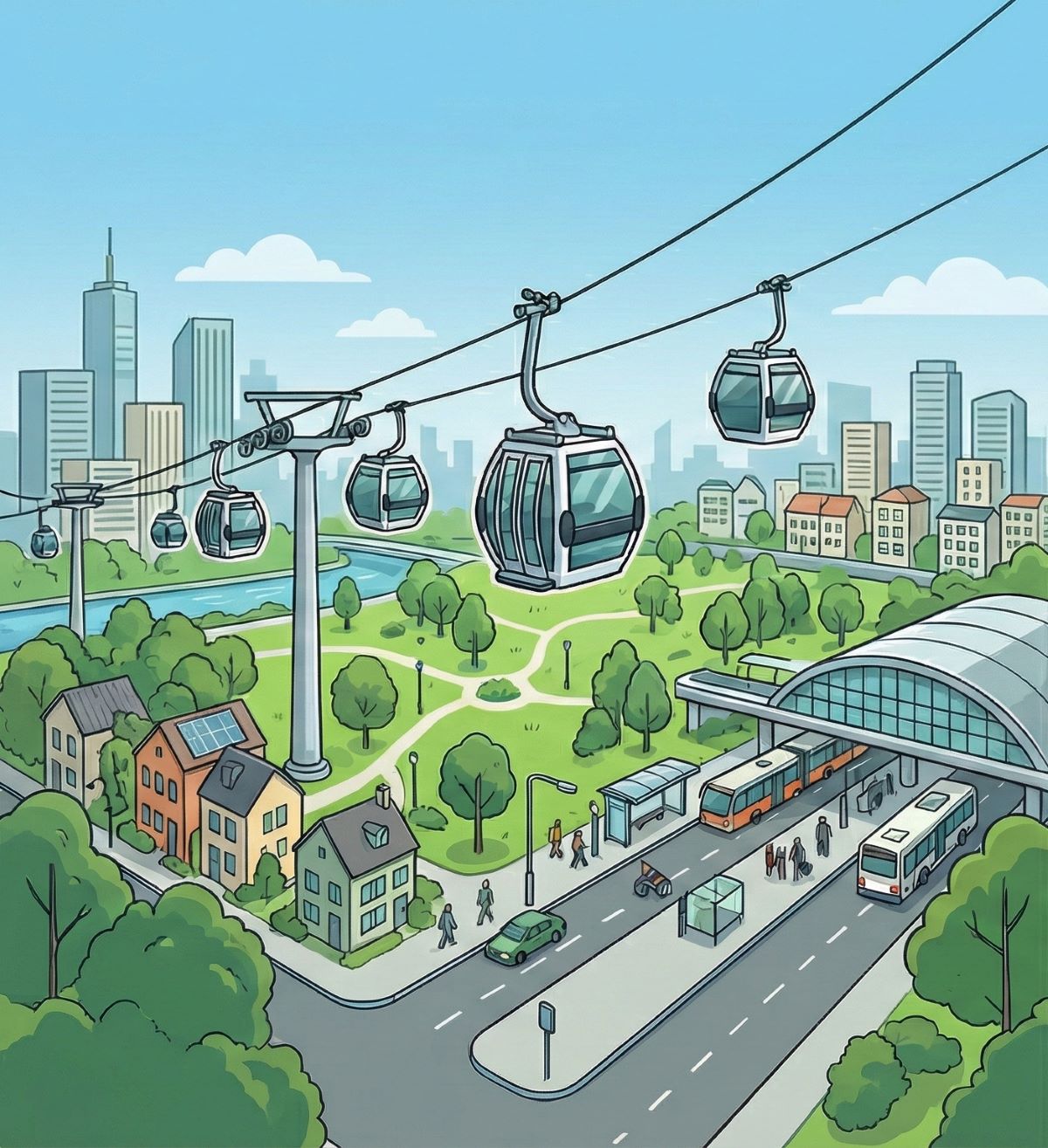
The Munich metropolitan area, home to approximately 1.5 million residents, is heavily influenced by commuter traffic. At the same time, there are deficiencies in tangential cross-connections within the public transport network. What factors speak for or against implementing an urban cable car?
Plans in the homeland of cable cars
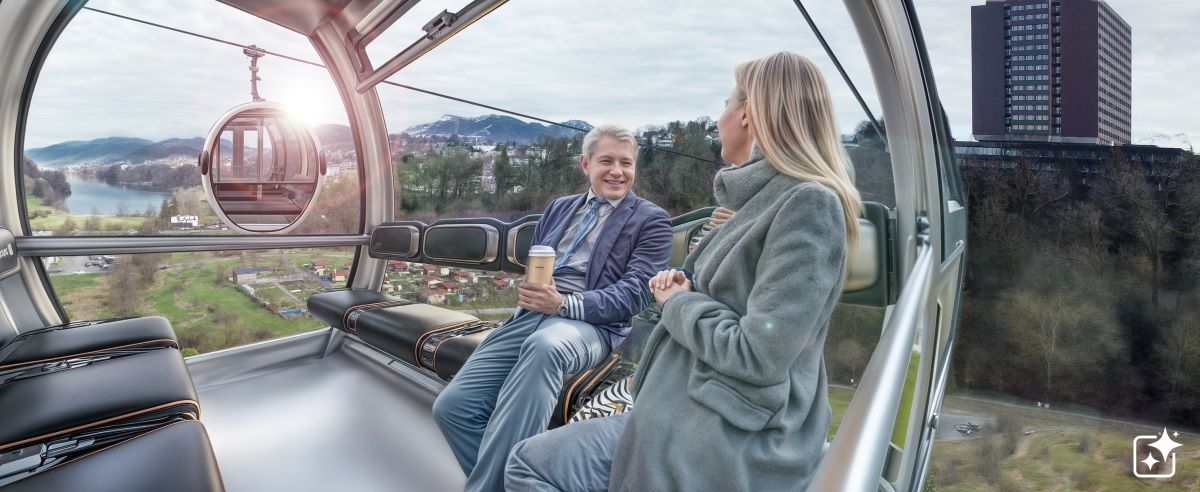
Ropeways are inextricably linked to Switzerland, shaping the country‘s image as a destination for sports and nature. However, the urban variant has struggled to gain a foothold. Nevertheless, several projects are underway, some of which are already quite far along.
Germany: Where are urban cable cars being planned?
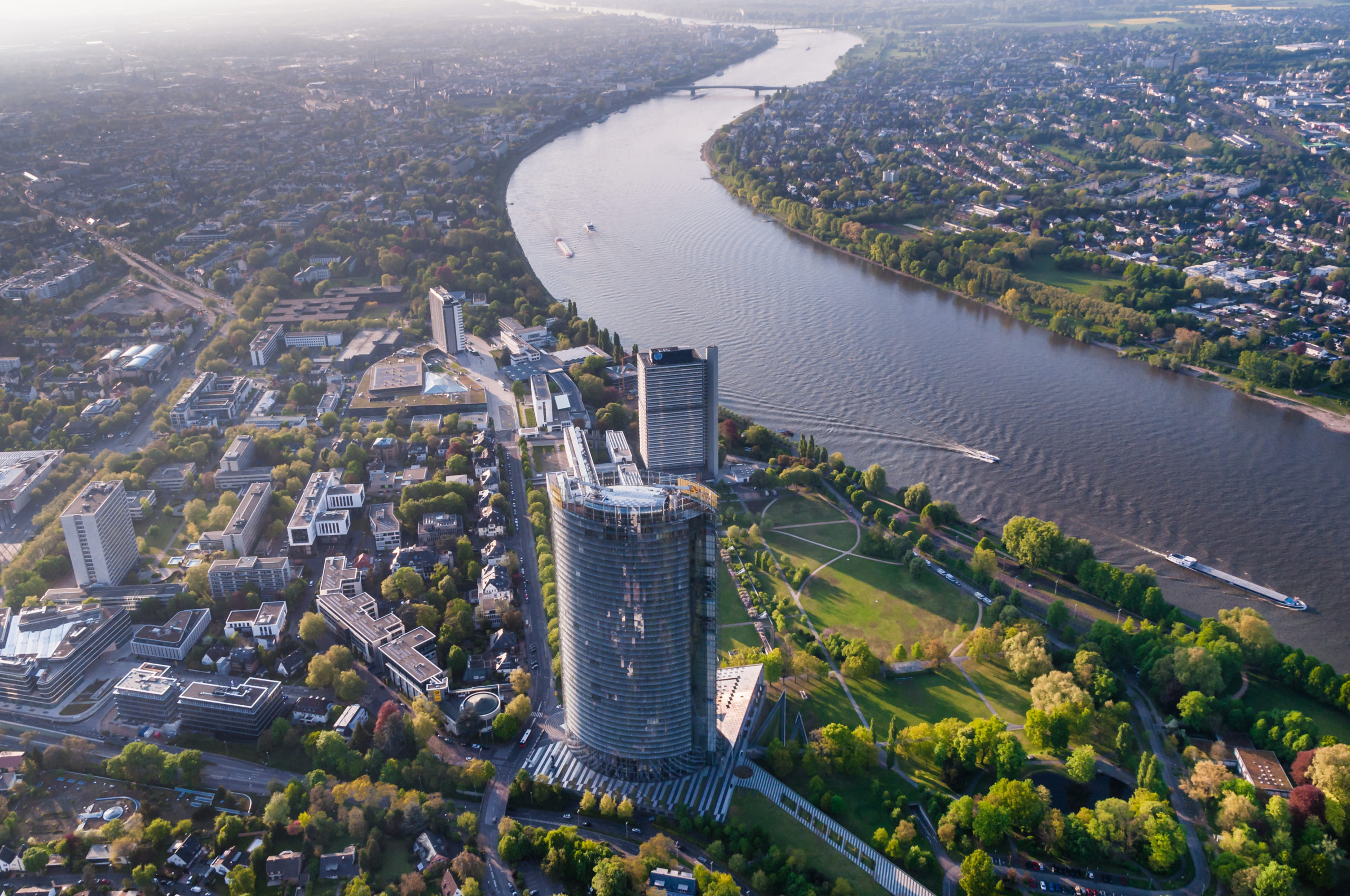
Urban cable cars seem to be a perennial media topic, particularly in Germany: ideas pop up in many places, only to disappear shortly thereafter. However, there are projects that are being pursued with increasing seriousness. An overview.
Urban ropeways: From concept to implementation
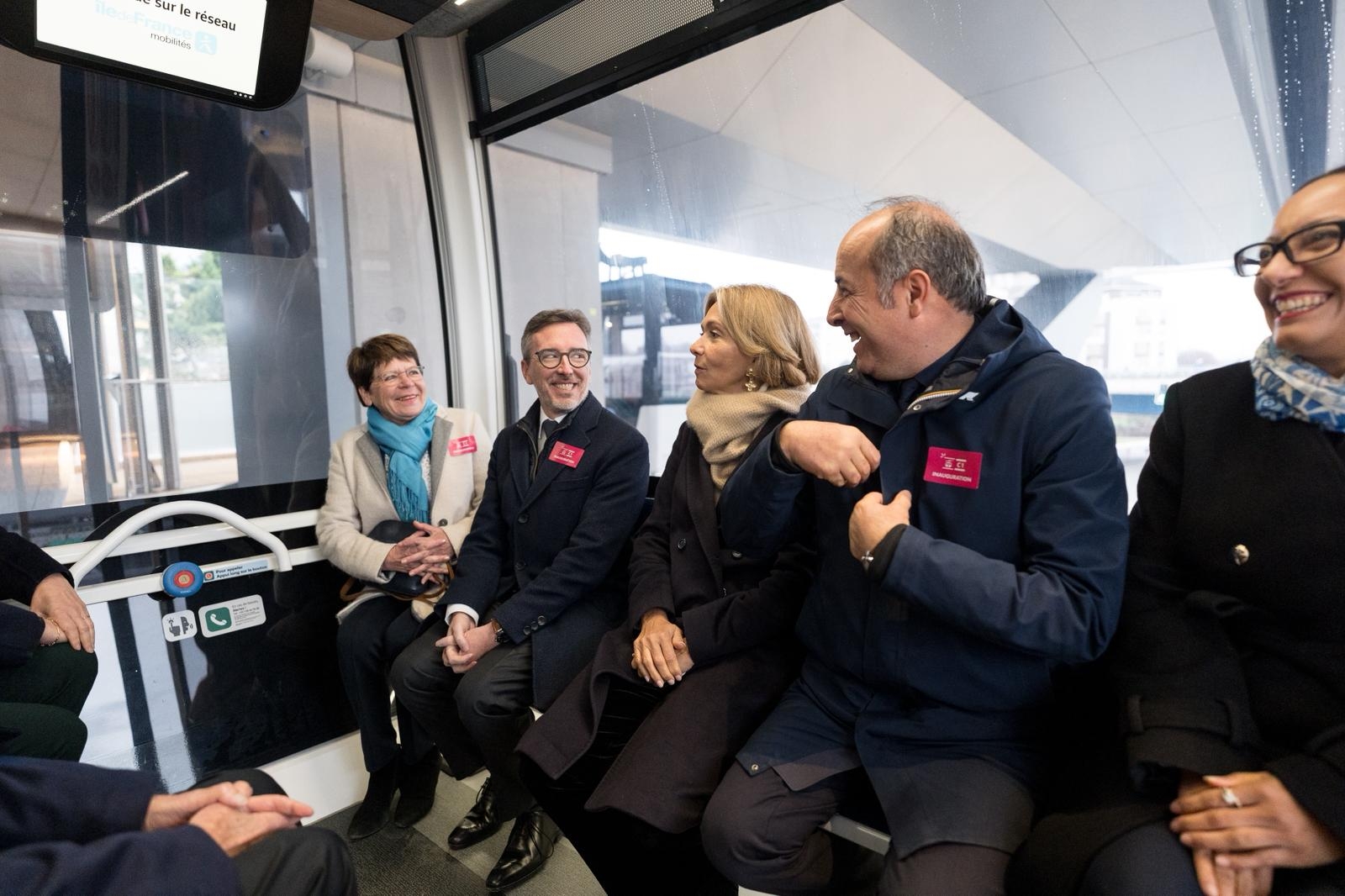
Urban infrastructure projects require solid preparation and planning, yet for ropeways in particular, this is often ignored. Ideas are frequently presented to the public without first verifying which mobility needs are actually being met and what the impact of these improvements will be. The successfully implemented “Câble C1“ project near Paris demonstrates how to do it right.
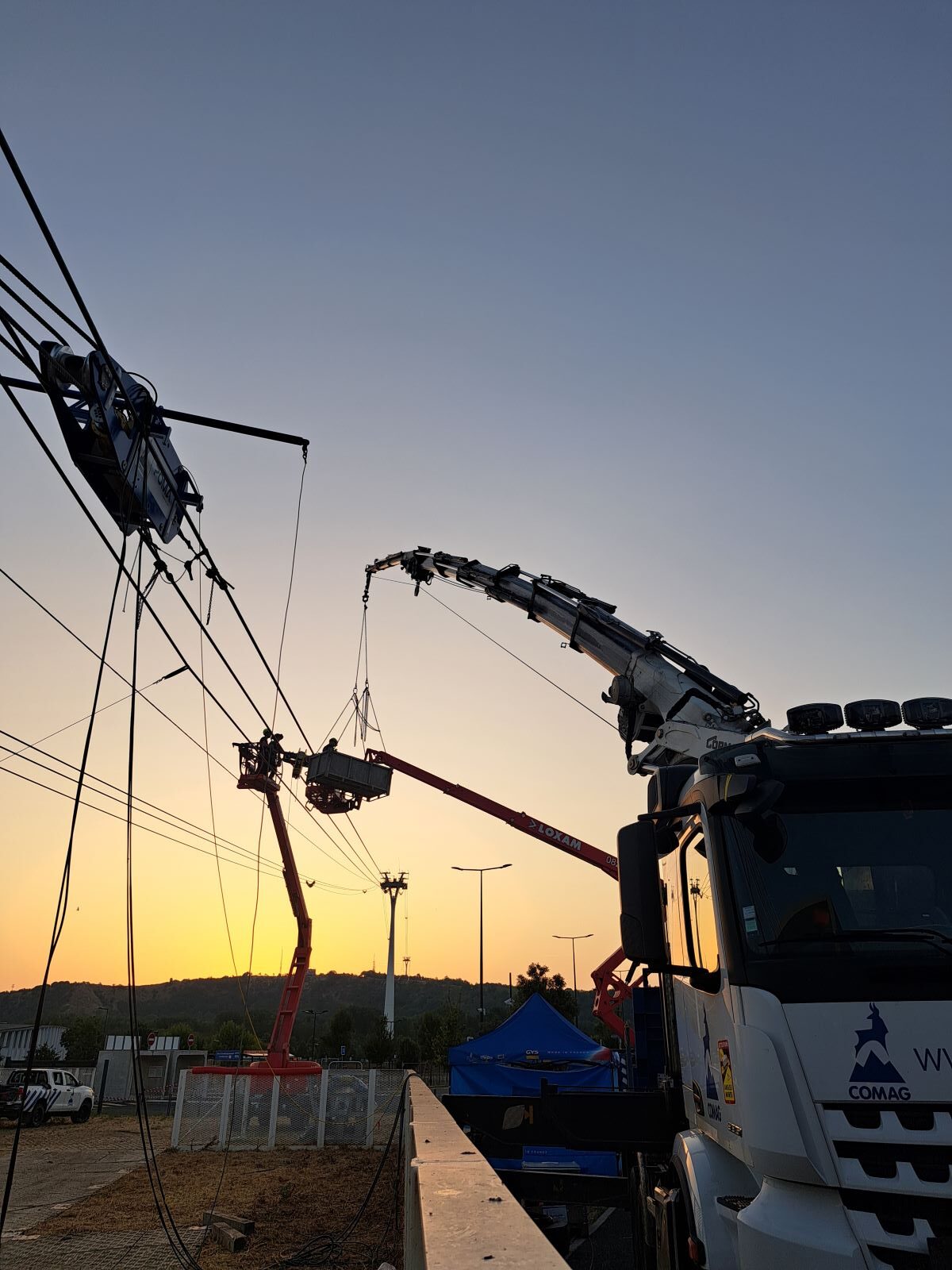
Toulouse: More efficent maintenance for maximum availability
Time and safety – these are the critical factors in the maintenance of urban ropeways. The time windows are tight in order not to interrupt operations longer than necessary. With a great deal of expertise and internally developed tools, the French manufacturer POMA has optimized the maintenance of ropeways. The best current example is the track rope relocation on the “Téléo“ in Toulouse.
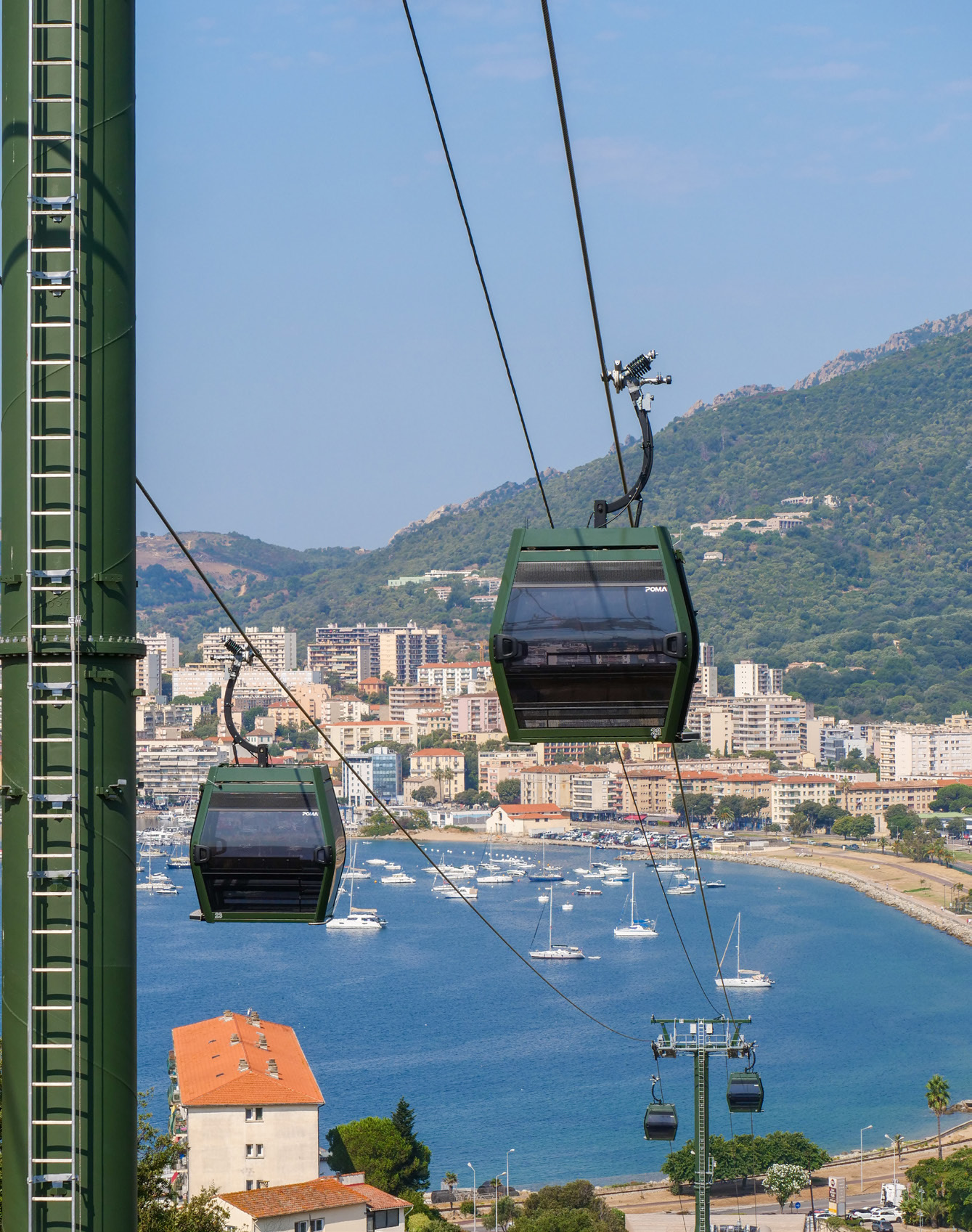
POMA now operates and maintains the cable car in Ajaccio
In October 2025, “Angelo” began operations – the first urban cable car in Ajaccio, the capital of Corsica. For POMA, however, the work does not end there; the French manufacturer is taking over the operation and maintenance of the system for the next ten years. This “all-inclusive“ package serves as a model for future urban ropeway projects.