Cities
Germany: Where are urban cable cars being planned?
Bonn aims for plan approval 2026
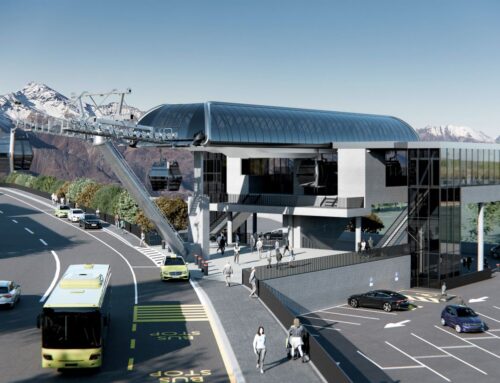
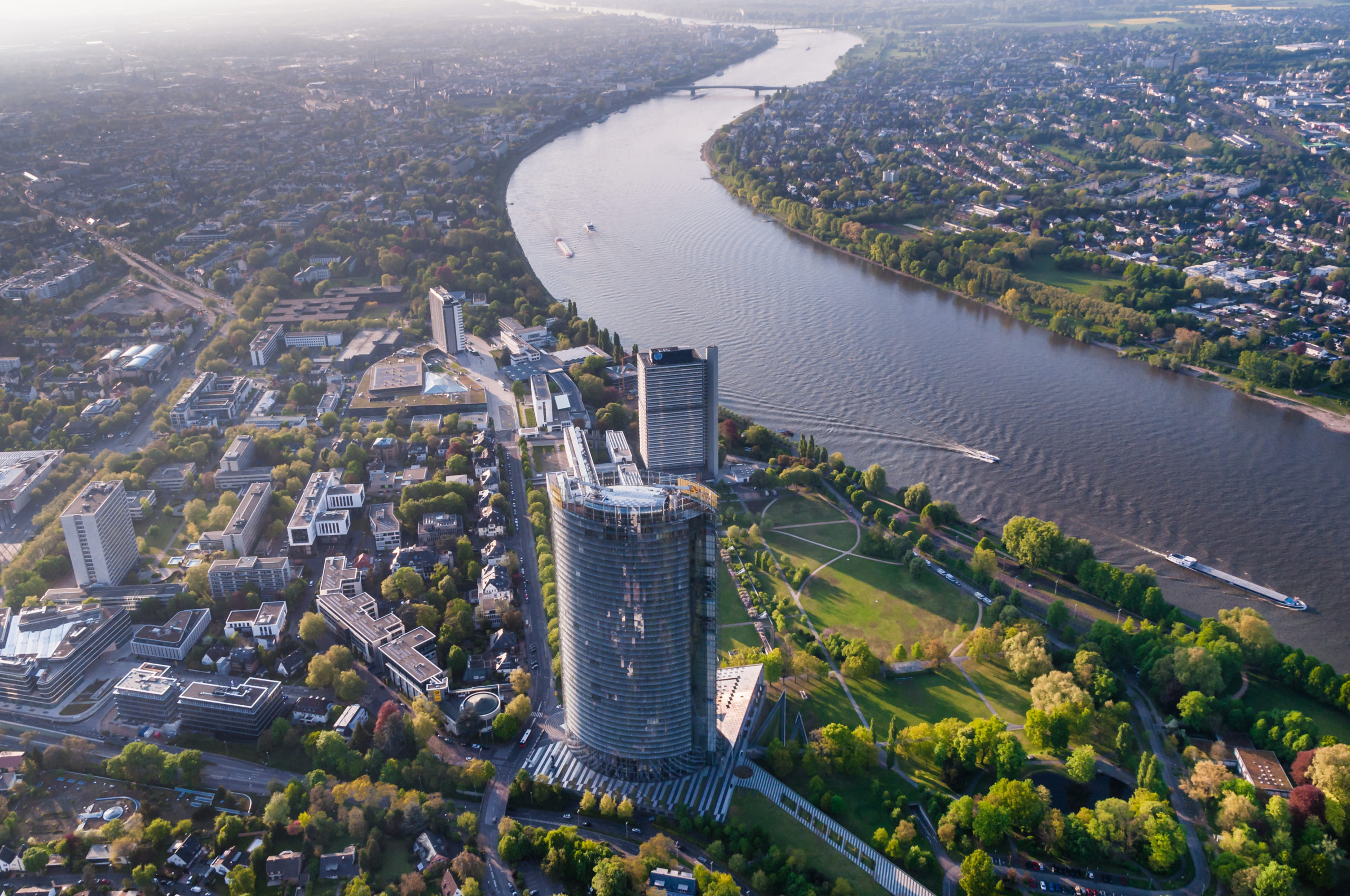
The cable car project in the federal city of Bonn is moving forward.
The line in Bonn – running from Venusberg on the left bank of the Rhine across the river to Beuel on the right bank – would be the first urban cable car in Germany integrated into public transport that can be used with a standard local ticket, such as the “Deutschlandticket“.
The project is managed jointly by the City of Bonn and the Bonn Public Utilities (Stadtwerke Bonn). The city administration continues to work intensively on the project and is sticking to its goal of submitting the application for plan approval to the Cologne regional government in 2026.
The preliminary route alignment
including the connection to public transport lines.
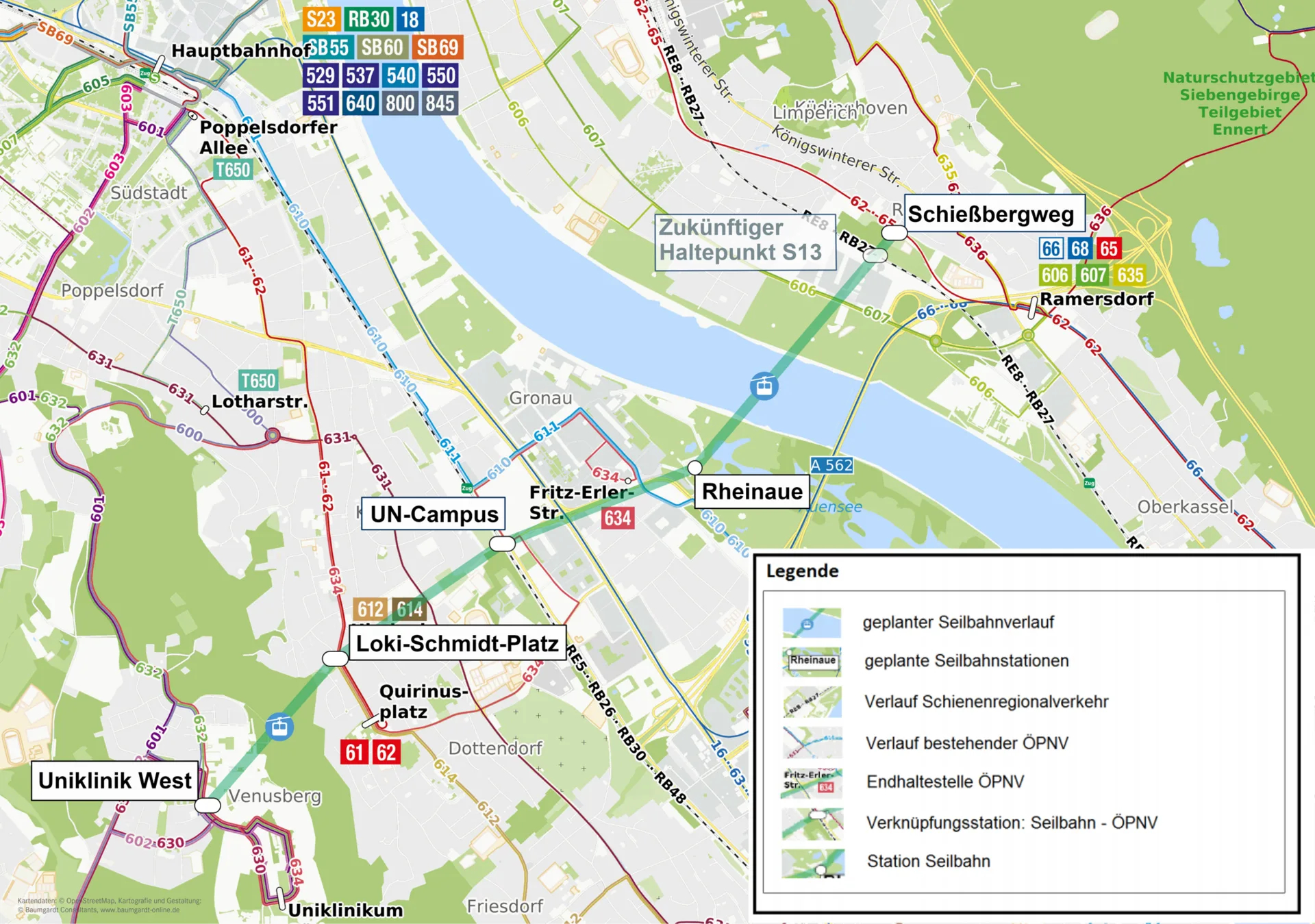
Current efforts are focused on route optimization and stakeholder dialogue. The next step is the preliminary project planning, which will form the basis for the functional tender to appoint a general contractor (cable car manufacturer).
This will be followed by a plan approval procedure by the regional government to establish building rights. This process will examine and weigh the interests of residents along the route and public interest groups. Once the plan approval is granted, construction of the cable car can begin.
Blumenthal Airline
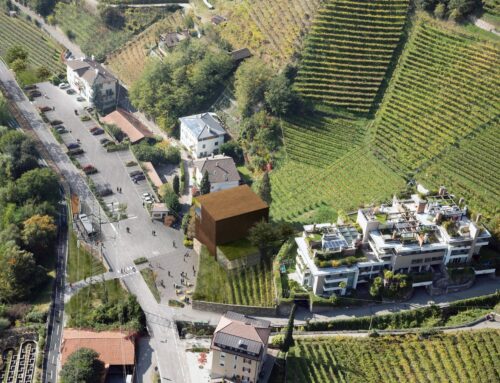
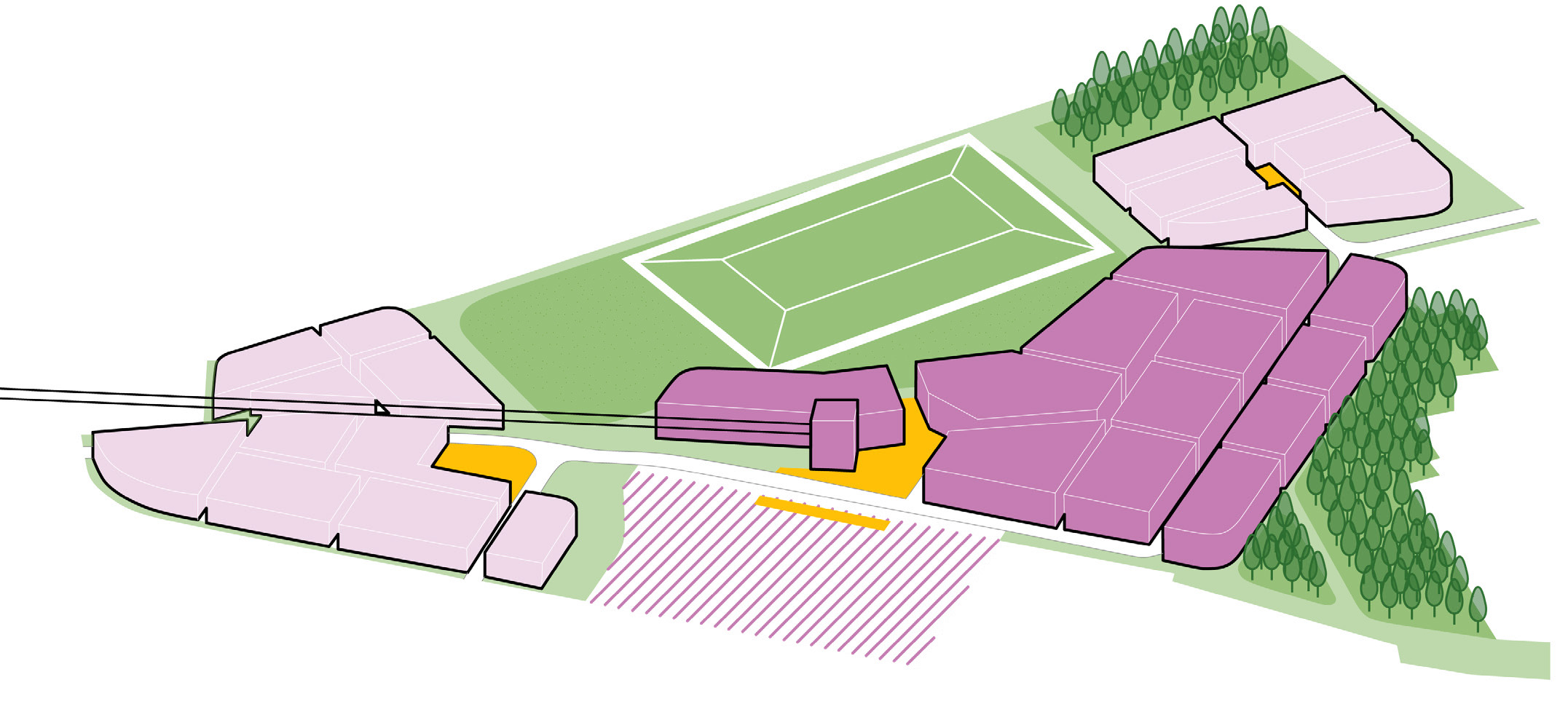
In Herne, the Blumenthal area is planned to be linked by an aerial tramway.
Herne sets the financial course
The cable car between Wanne-Eickel Main Station and the Blumenthal site in the city of Herne is also within reach. In December 2025, the State Parliament of North Rhine-Westphalia included the approximately €32 million project in the state‘s public transport requirement plan.
This step paves the way for comprehensive financing: since the federal and state governments could cover up to 95 percent of the costs, the City of Herne views this milestone as a major success.
A significant advantage for passengers is the tariff integration, as the cable car will become part of the Rhine-Ruhr Transport Association (VRR). Consequently, the connection can be used without additional costs with regular tickets, such as the “Deutschlandticket“.
Herne’s Mayor, Frank Dudda, described the current development as a “milestone“ for the project. In parallel, the city has already successfully completed the necessary standardized evaluation. Since this socio-economic analysis officially confirmed the economic benefit of the cable car, one of the most important formal hurdles for receiving subsidies has been cleared.
Blumenthal Airline company established
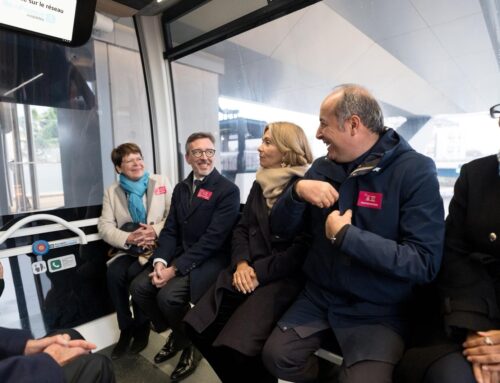
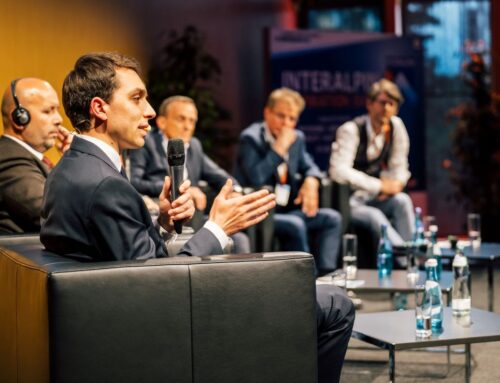
From left: Martin Becker-Rethmann (Chairman of the Supervisory Board, Transdev), Holger Wennrich (City Marketing Herne), and Lord Mayor Dr. Frank Dudda.
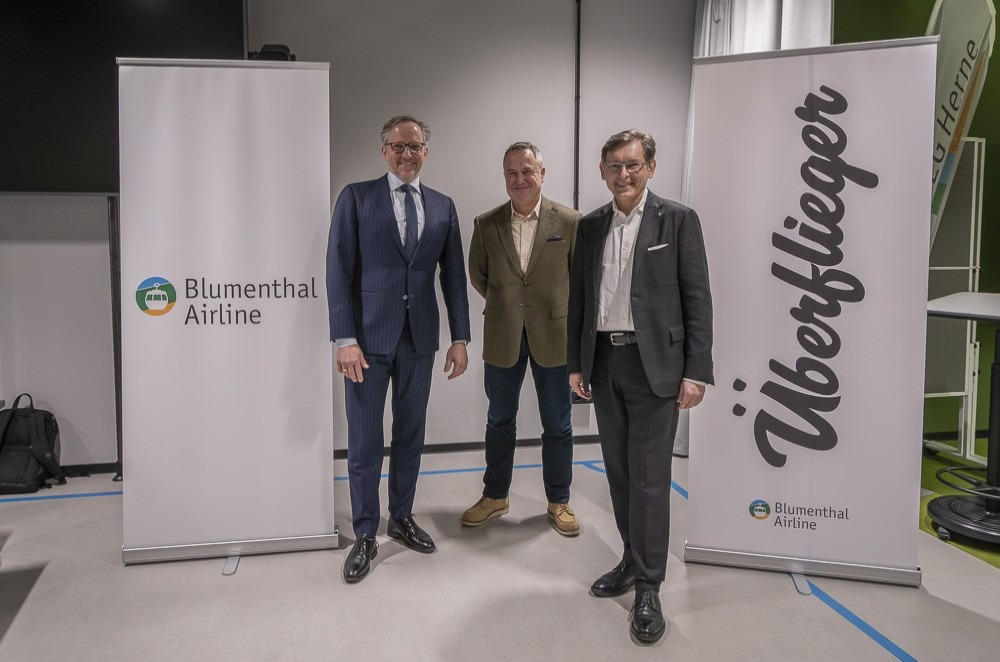
Furthermore, as of December 2025, the legal path is clear for the Herner Seilbahngesellschaft mbH (HSG): Transdev GmbH, one of the largest private mobility providers in Germany and part of one of the largest transport companies worldwide, will be the partner.
Technically, the concept envisions an areal tramway with two cabins, each capable of carrying up to 40 passengers. The gondolas will travel at a considerable height of 34 to 66 meters above the ground, supported by two newly built towers.
Operation is planned daily between 6 AM and 10 PM, with frequency adjusted to demand: twelve trips per hour are planned during the four peak hours of commuter traffic, while six connections per hour will suffice during the remaining time. Overall, the system is designed to achieve a capacity of around 500 people per hour and direction.
Clinic Gondola?
Is a cable car set to connect the Robert Bosch Hospital in Stuttgart?
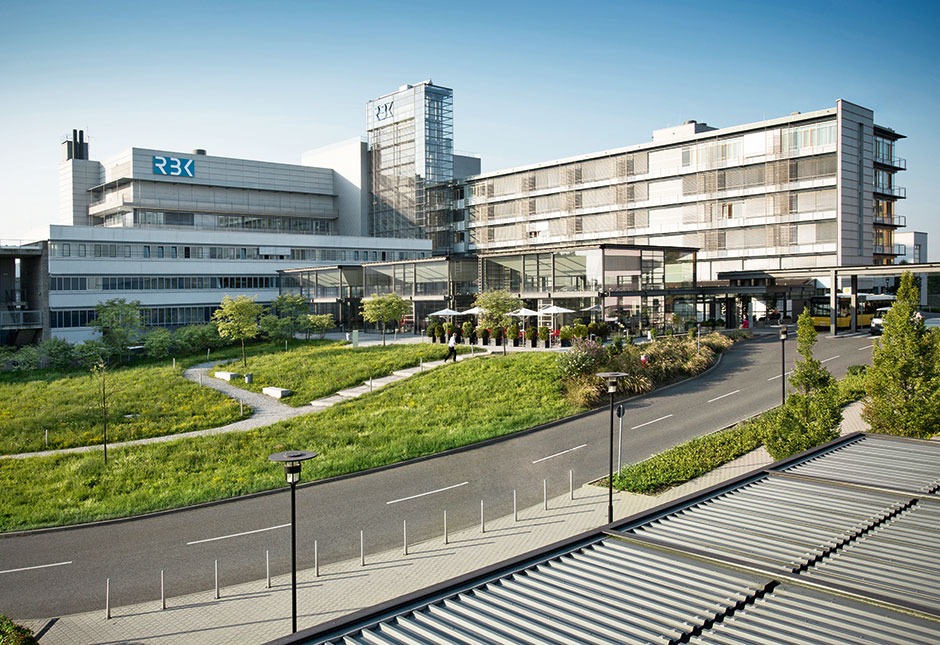
Study gives Stuttgart a push
After five years of standstill, there is movement again in the Stuttgart cable car debate: a proposal from the Robert Bosch Hospital (RBK) gave the previously stalled idea fresh momentum at the end of last year.
Although experts had recommended a detailed investigation for a route in Vaihingen as early as October 2020, concrete results have remained withheld from the public ever since.
As reported by the Stuttgarter Nachrichten in early 2026, the hospital has now examined various cable car routes in an independently financed feasibility study to connect the clinic campus with the Pragsattel transport hub and thus improve the inadequate transport links. Currently, the hospital is only accessible by public transport via buses, which frequently get stuck in traffic.
The authors of the study recommend a 500-meter-long route, with the valley station located on public land near the Pragsattel bus stop. The mountain station would be built on the hospital‘s property – near the future main entrance (the hospital is currently being remodeled).
According to the study, the cable car would require five towers to transport guests in 14 10-person cabins. The travel time would be 1 minute and 40 seconds. The city hall, which has received the feasibility study, remains cautious for now: while the idea “has charm,” it raises many questions that need to be intensively examined and discussed.
Campus Gondola?
Is a cable car set to connect the University of Potsdam’s new site?
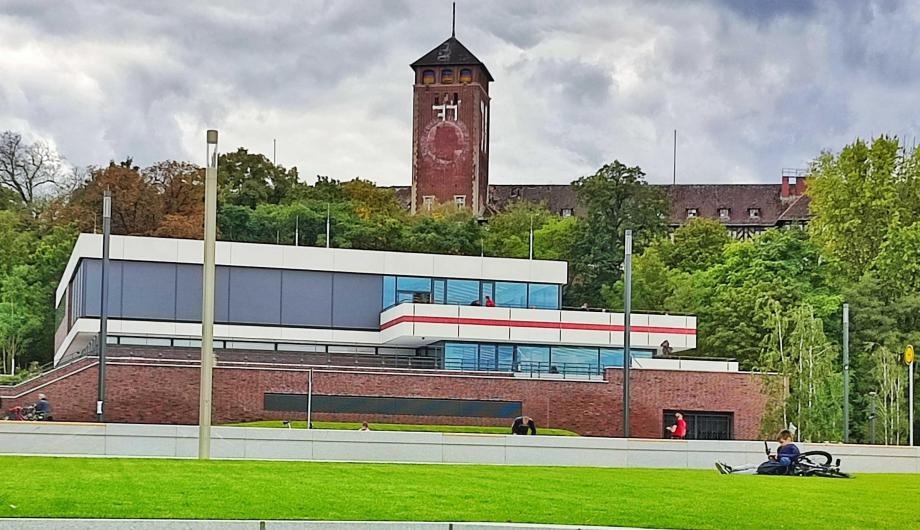
University of Potsdam examines cable car
The city of Potsdam, near Berlin, could also soon be heading high: Oliver Günther, President of the University of Potsdam, is proposing a cable car to develop the new campus on the Brauhausberg. Thousands of students, teachers, and employees could use it daily in the future.
The cable car is intended as a connection from the main station via the Brauhausberg to the Science Park on the Telegrafenberg. The steep incline from the station to the campus is currently considered an infrastructural weakness: bus connections are reaching their capacity limits, and additional roads are hardly feasible.
A cable car would overcome the height difference in a few minutes while saving space that is barely available in Potsdam‘s densely built city structure.