Cities
Urban ropeways: From concept to implementation
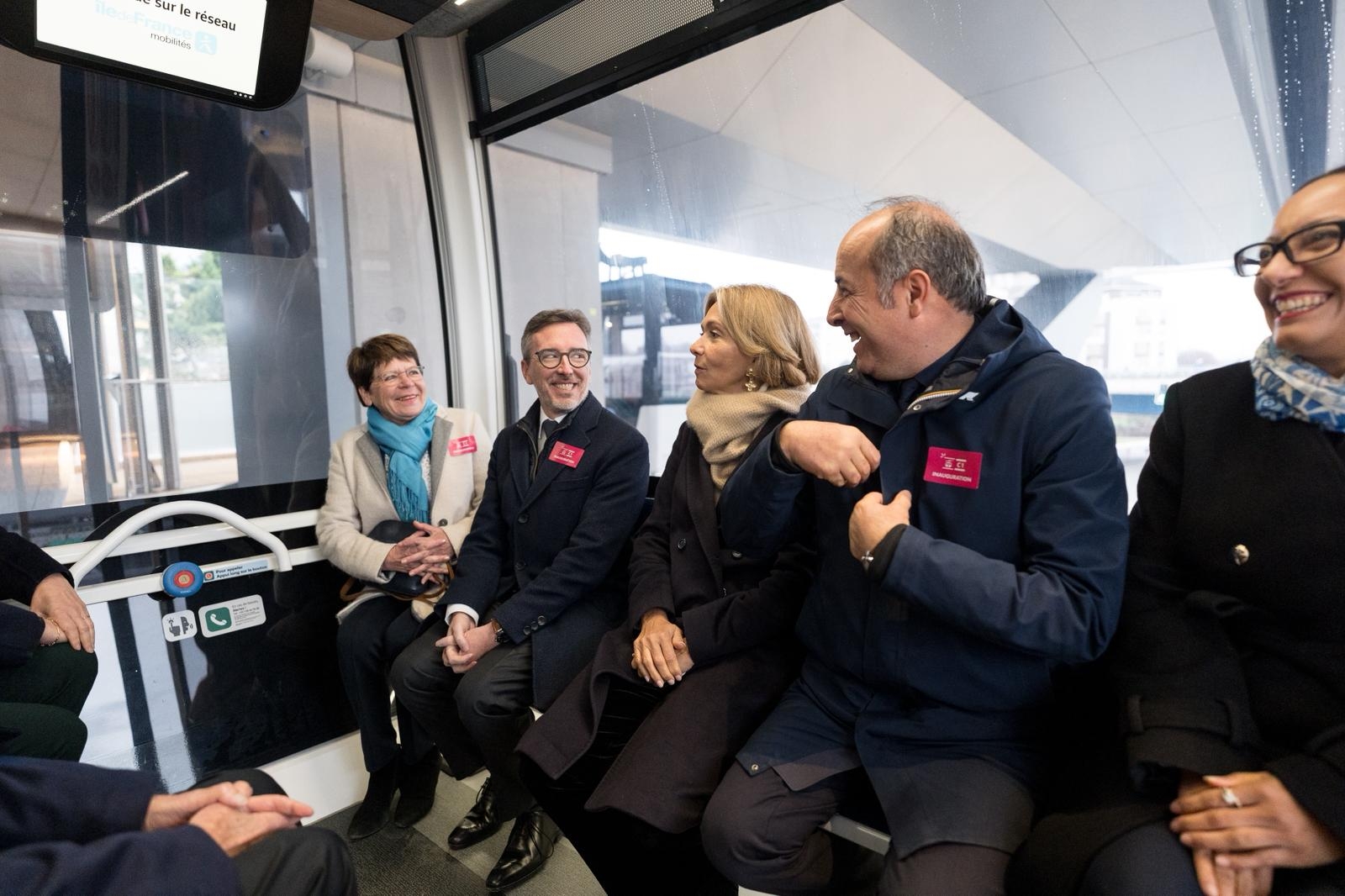
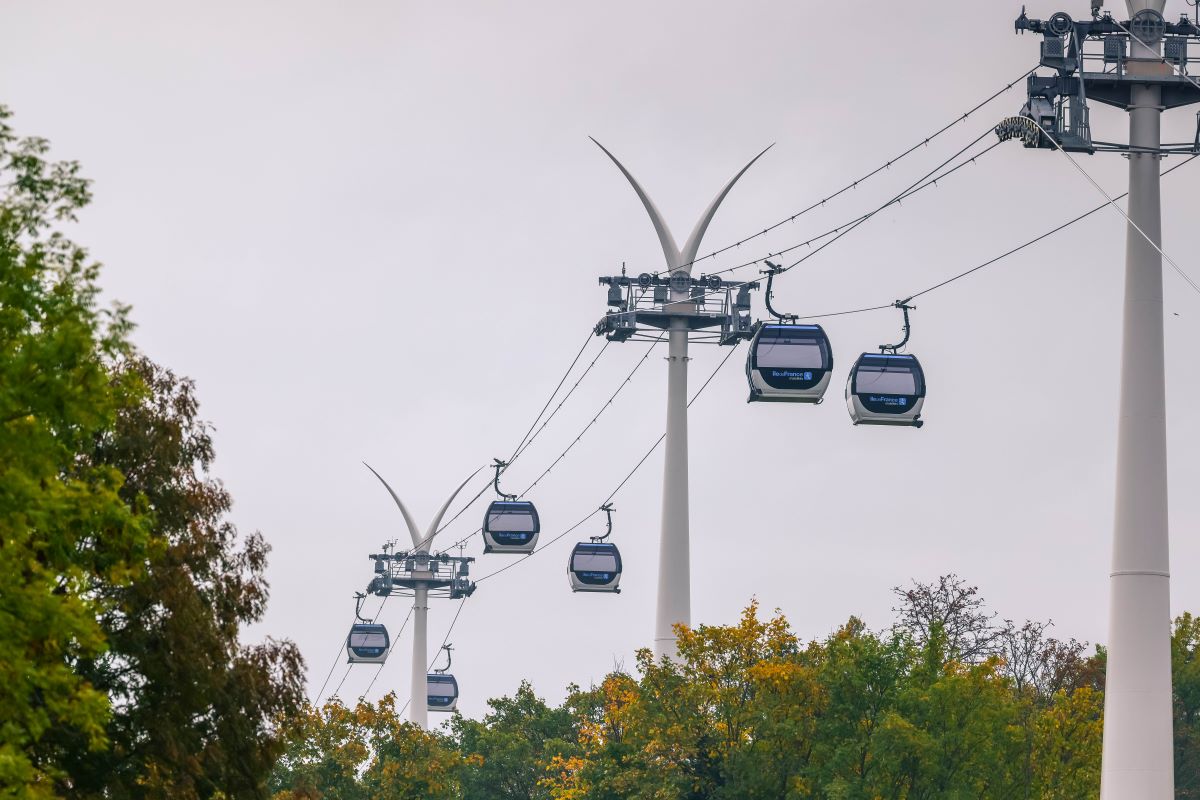
With around 12,500 passengers daily, the user numbers for Câble C1 in its first few months are already 1,500 above forecasts. As the first urban ropeway in the Greater Paris region (Île-de-France), it has established itself as an international flagship project for innovative transport solutions in densely populated areas.
“The process, from the expression of political will to public operation with passengers, was exemplary,“ says Reinhard Fitz, Head of International Business Development at the ropeway manufacturer DOPPELMAYR. He outlines the ideal project workflow as follows.
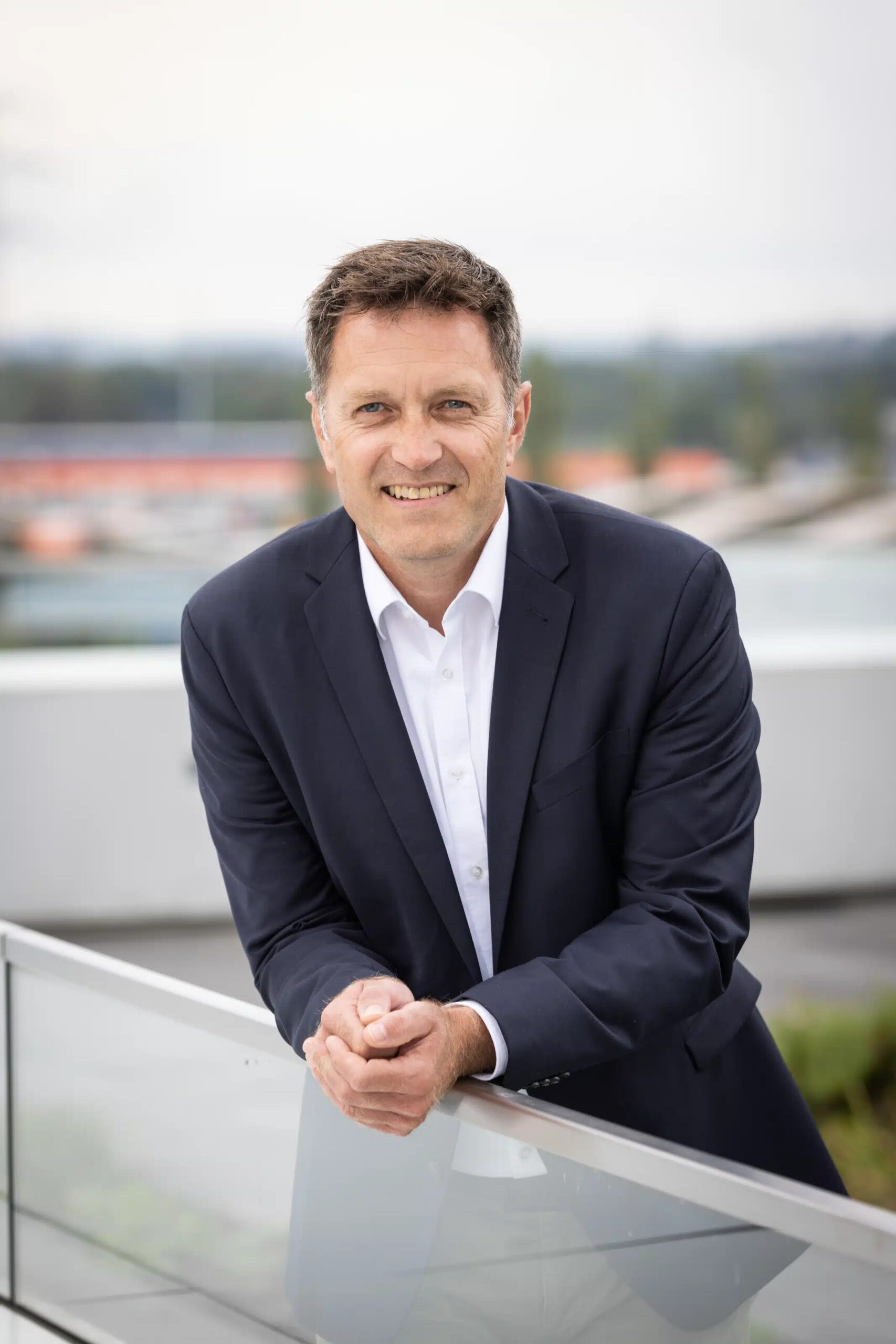
Reinhard Fitz,
Head of International Business Development at the manufacturer DOPPELMAYR, has more than 20 years of experience in ropeway project development.
Step One: Political Will.
It begins with a political decision to improve mobility in certain areas of a city – regardless of how that goal is to be achieved. “In the community of Limeil-Brévannes in the Île-de-France region, this political will emerged in 2008,“ Fitz reports. It is crucial that strengthening mobility is seen as having no alternative and that politicians commit to implementation – whatever the final solution may look like.
Step Two: Analyzing Mobility.
Building on this, the mobility needs of future passengers must be analyzed and current weaknesses investigated. “Decision-makers must ask: For whom do we want to improve mobility? Who is traveling from where to where? What needs to be improved and why?“ says Fitz. At this stage, the necessary connections are formulated – still independent of the choice of transport mode.
Câble C1
is a milestone in the field of urban cable cars.
Step Three: Preliminary Study of Transport Modes.
Only now does the selection of potential transport systems follow: Which modes of transport are even feasible? Whether bus, tram, or ropeway, the possible carriers are systematically compared and ranked.
“It’s not about just building a ropeway. It should only be built if it is the best choice economically, ecologically, and in terms of traffic engineering,“ Fitz explains. Ropeways cannot do everything other modes of transport can, but they can do many things others cannot.
Therefore, ropeways must always be planned integrally as a supplement to existing transport systems. “In the Île-de-France region, four suburbs were inadequately connected to the Metro and thus to the city of Paris because the Metro line ended too early,“ says Fitz.
Câble C1
overcomes barriers such as industrial areas, a freight depot, a highway, and a high-speed rail line.
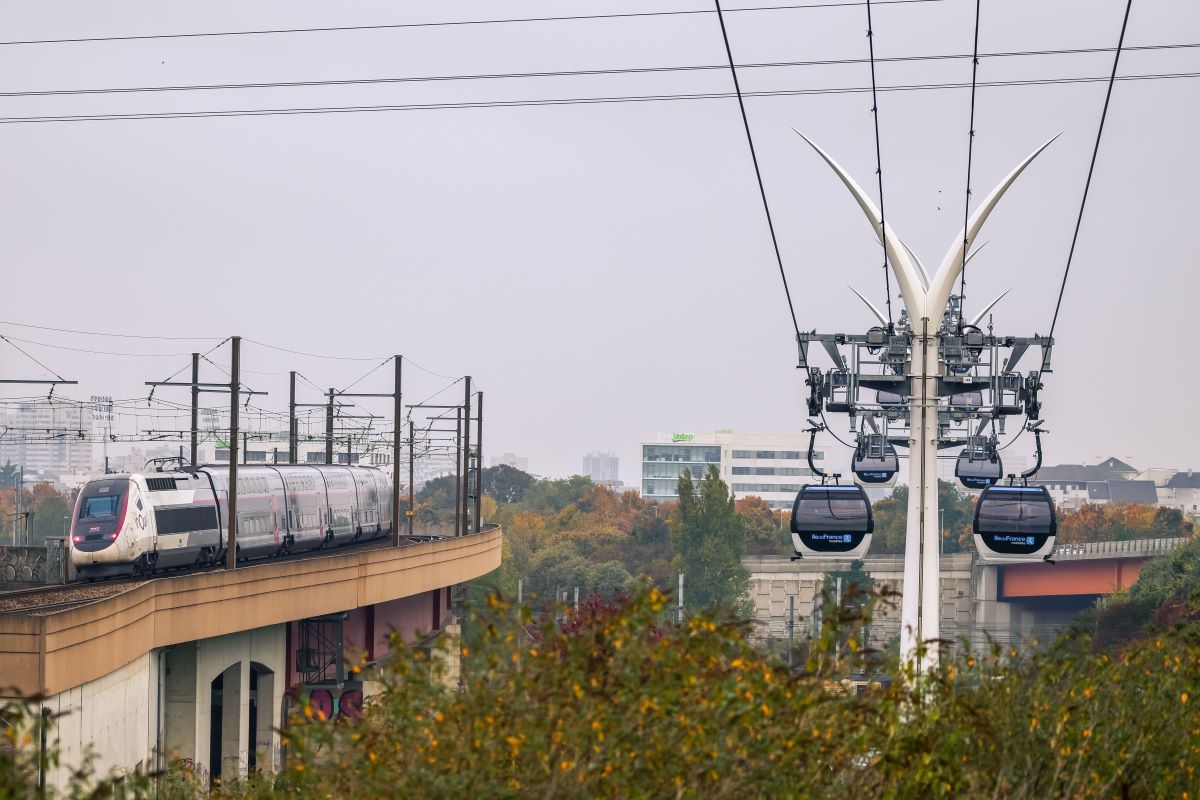
Furthermore, barriers such as industrial areas, a freight depot, a highway, and a high-speed rail line isolated these locations from the existing public transport network.
“Buses had to take detours and were often stuck in traffic themselves,“ Fitz notes as a weakness. Here, the ropeway could fully play to its strengths and was rated higher than other modes of transport.
“With their ability to overcome physical and topographical obstacles, their continuous and reliable operation, as well as their small footprint and short construction time, urban ropeways are a powerful tool in the transport planner’s toolkit and for successful urban development,“ Fitz continues.
Timeline
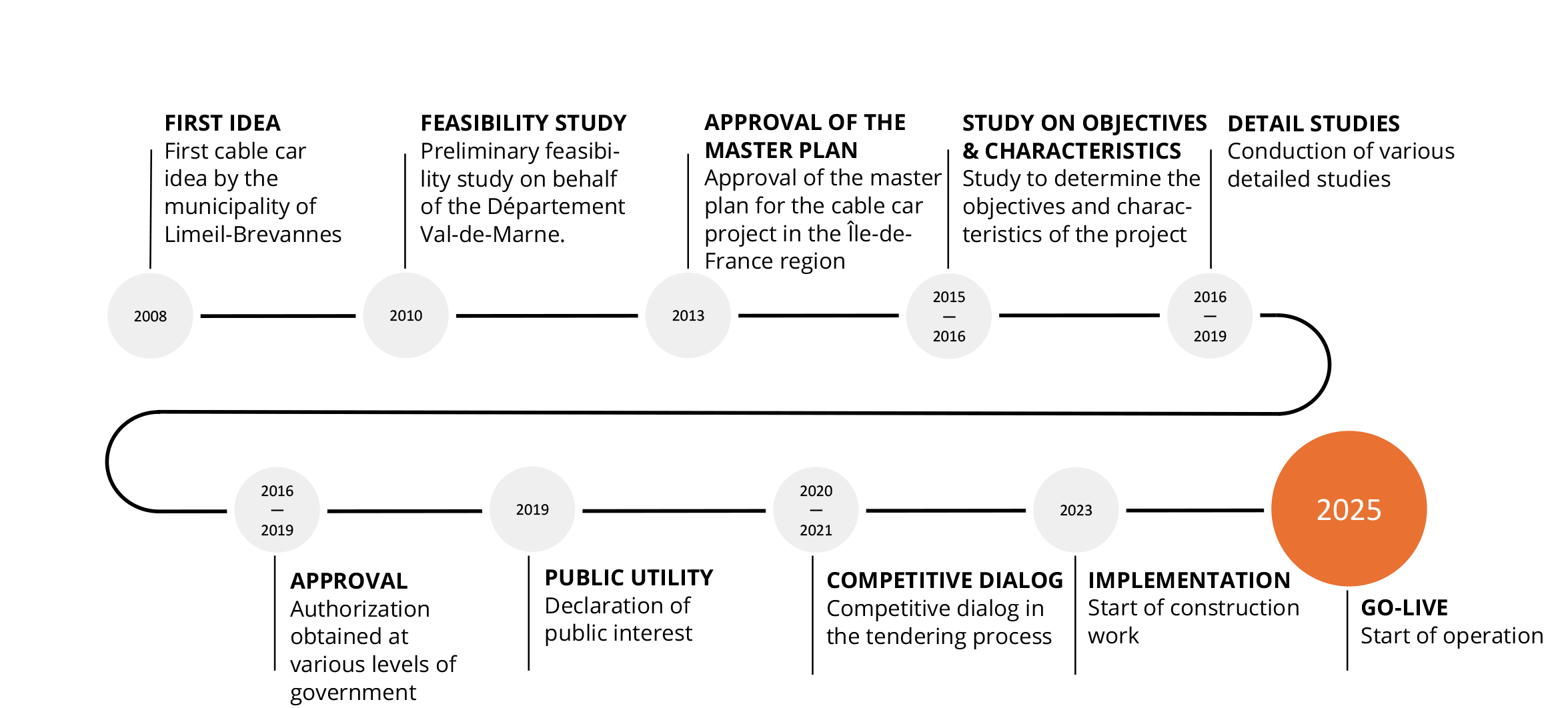
of the “Câble C1“ ropeway project in the Île-de-France region (Greater Paris).
Step Four: Feasibility Testing.
Once the ropeway has prevailed against other solutions in a transparent, comprehensible, and fact-based manner, as in Île-de-France, the technical feasibility study takes place.
“For a successful project, a solid feasibility study is the essential building block for a smooth implementation process, a convincing business model, and a balanced distribution of risk between parties,“ Fitz affirms.
In the case of “Câble C1,“ the Val-de-Marne department commissioned a preliminary feasibility study in 2010, followed by the approval of the master plan for the ropeway project in 2013. The time and cost of such planning steps are manageable and do not require a large budget.
In the case of Île-de-France, officials then defined the project’s objectives and characteristics and conducted various detailed studies from 2016 to 2019. “During this time, permits were obtained at various government levels, and ultimately, public interest and utility were established,“ reports Fitz.
Câble C1
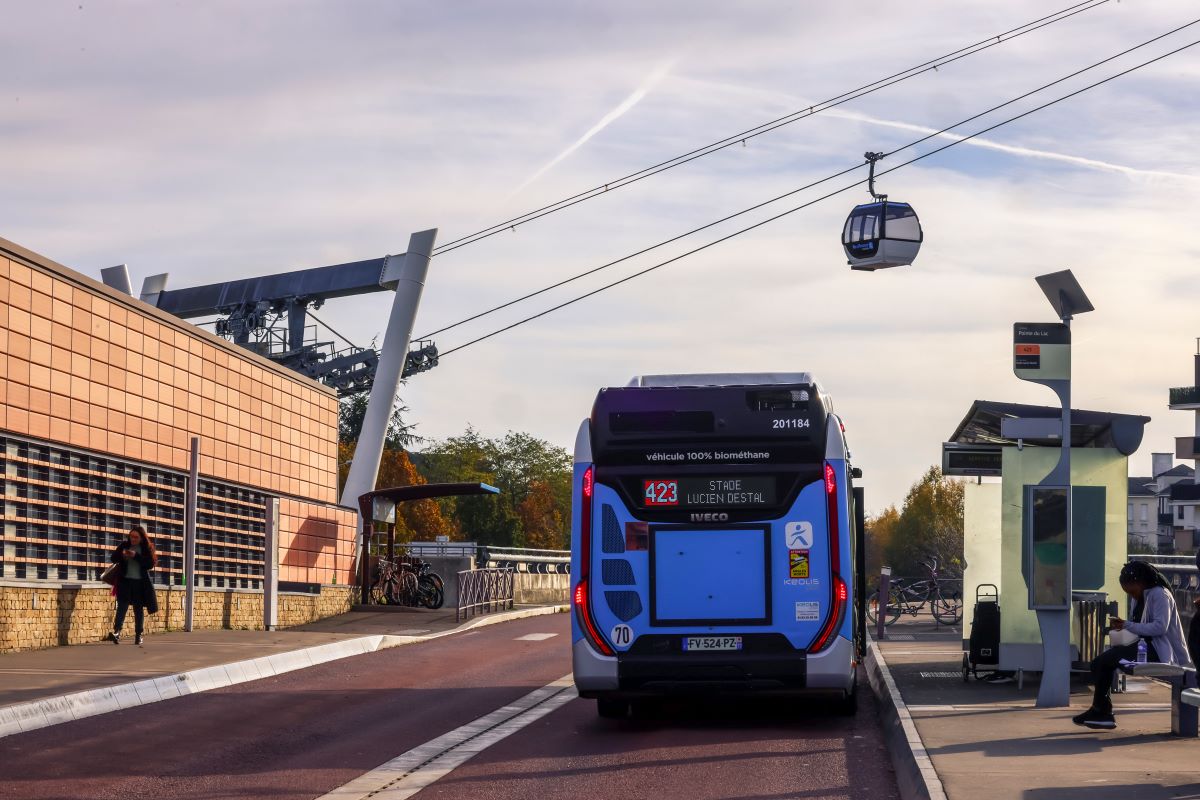
shows how cable cars can function as an integral part of the public transport network.
Step Five: Project Tendering.
Only now do the ropeway manufacturers enter the scene. In a competitive dialogue as a procurement procedure, all planning-related, design, and technical questions are clarified and evaluated in detail.
“In the case of Paris, the procurement process took place from 2020 to 2021, in which a consortium led by DOPPELMAYR France was awarded the contract by the project sponsor, Île-de-France Mobilités,“ says Fitz.
The ropeway specialists were supported by experts in infrastructure planning, landscaping, civil engineering, and architecture. Transdev Coteaux de la Marne emerged as the operator of the system in a later tender process.
Câble C1
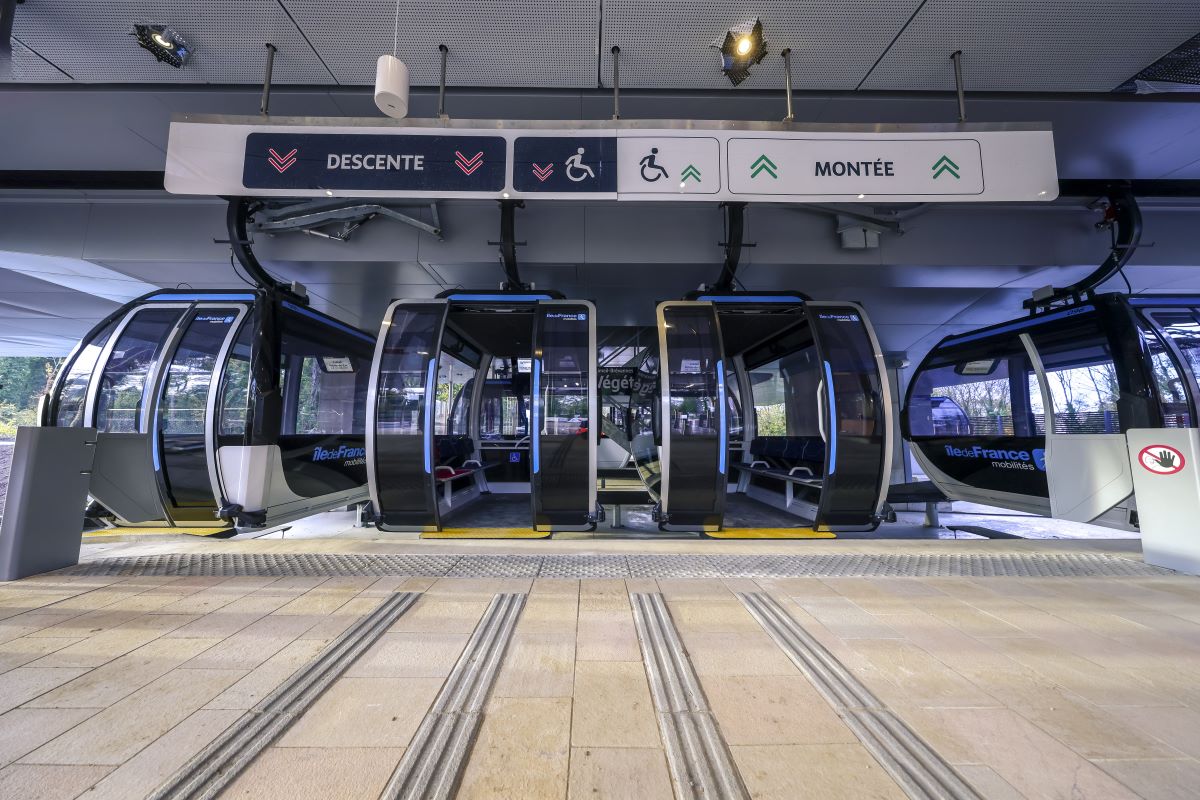
is intended to transport up to 11,000 passengers daily to their destinations. The travel time for the entire route is 18 minutes.
Step Six: Design Approval and Implementation.
After the tender, the companies get to work, design the construction plans, and have them approved. Subsequently, the ropeway is built, tested, and put into operation. In Île-de-France, these steps took three years (2023 to 2025). In December 2025, the ropeway finally began operation and met with an immediate, overwhelming response.
Conclusion: Holistic Project Development.
“With the ropeway, we already have a mature technology at our disposal today to respond quickly and cost-effectively to challenges,“ Fitz is convinced. The key is to efficiently integrate different modes of public transport.
At the heart of planning is always holistic traffic project development and the cooperation of politicians, traffic planners, and urban planners. The goal is to optimize public transport for passengers and operators alike and to create social benefit, Fitz concludes:
“The prime example of this is the Câble C1 near Paris!“