Tourism
China: Two BARTHOLET cable cars for city tourism
Nanchang, the capital of Jiangxi Province, lies on the southern shore of Poyang Lake, the largest freshwater lake in China. With over six million inhabitants, it is an important economic and cultural center with a history spanning more than 2,200 years. Numerous temples, pagodas, and museums shape the cityscape.
Just 15 kilometers away, the Meiling National Scenic Area stretches over 150 square kilometers. Bamboo forests, waterfalls, and rice fields alternate with historical sites and viewpoints, making the region a unique destination for visitors.
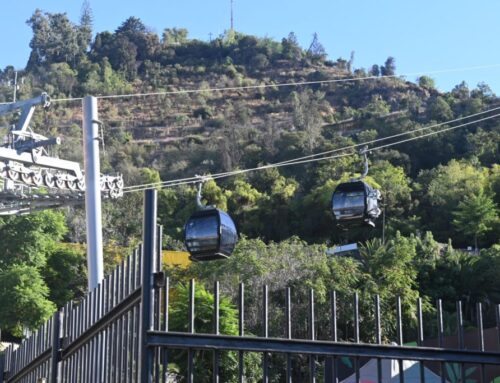
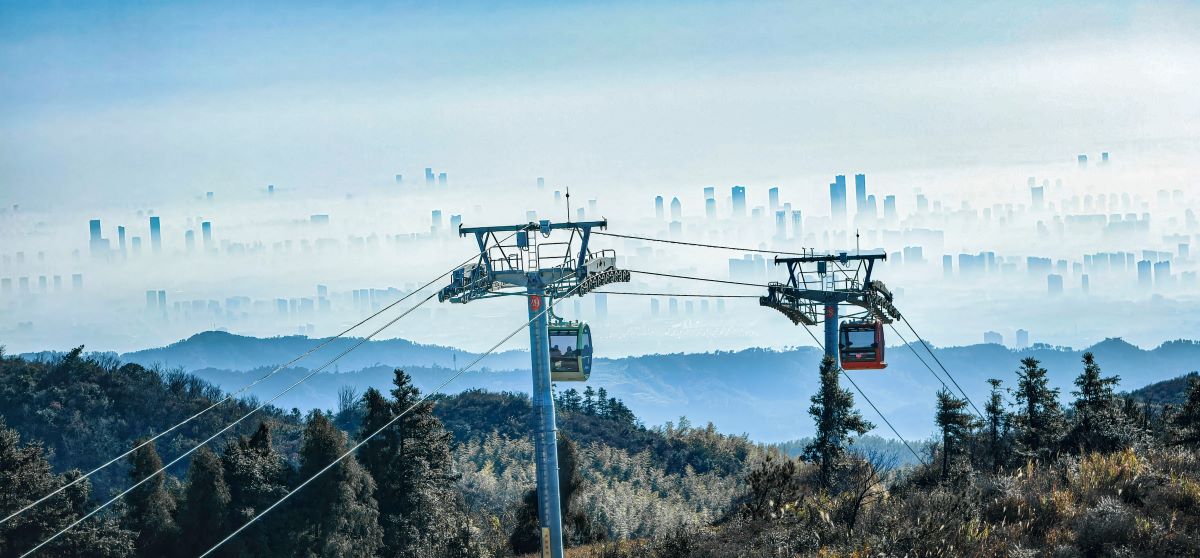
Here, the new cable car system by BARTHOLET has been officially approved and is now in operation. It connects the city of Nanchang with the park’s impressive natural scenery.
112 panoramic cabins
offers Meiling, Jiangxi, for visitors.
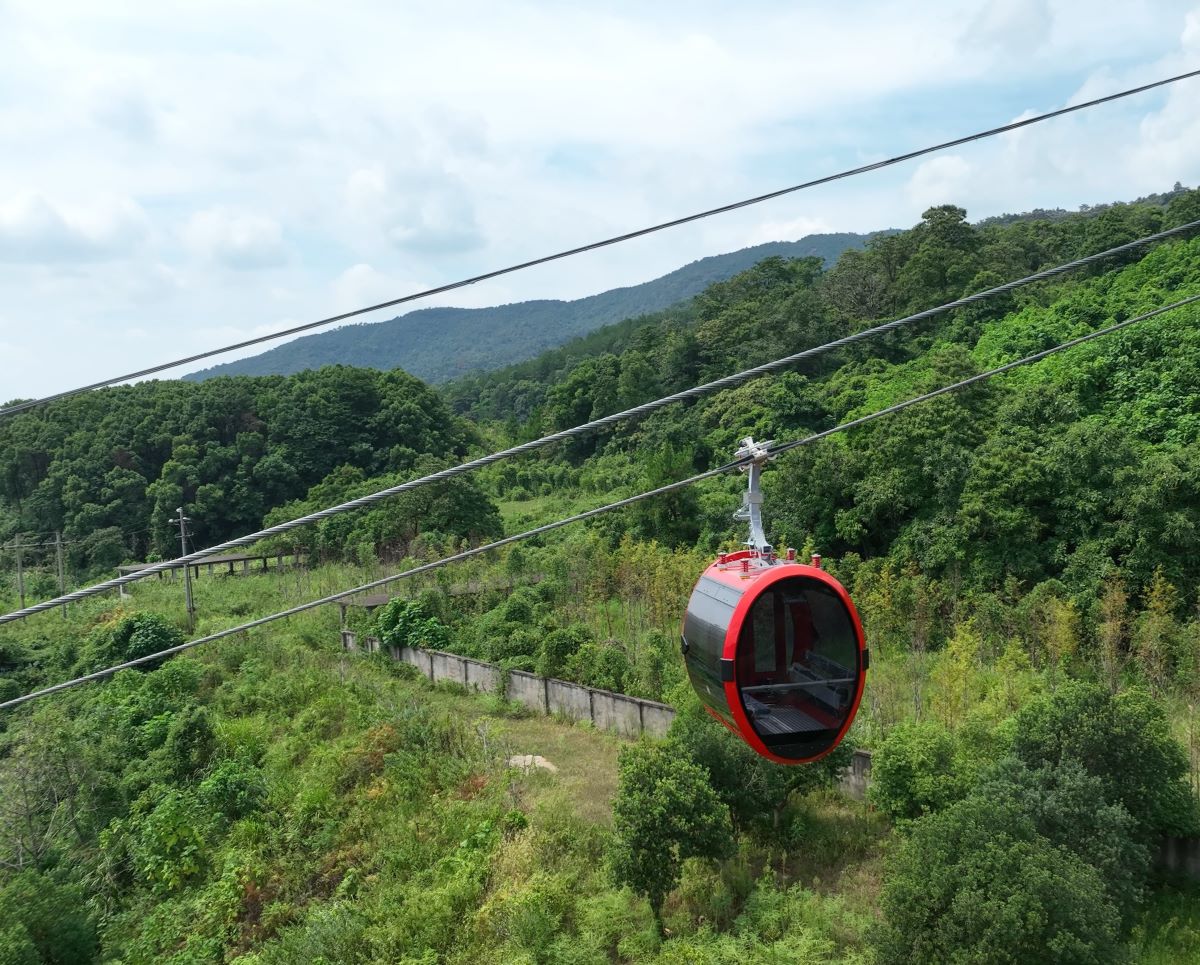
8-person gondola in Meiling, Jiangxi
The new cable car system stretches over a total length of 5.5 kilometers, divided into two sections. The first section, at 4.2 kilometers, is the longest and offers an especially impressive ride.
112 panoramic cabins are available, designed by the renowned Studio F. A. Porsche. They guarantee the highest level of comfort and an unparalleled view of the surrounding landscape.
The system has been equipped with the latest cable car technology to ensure a safe and enjoyable ride. This includes a high transport capacity for smooth visitor flow, vibrationdamped cabins for maximum comfort, and energy-efficient drive systems with automatic speed control.
In addition, the system is complemented by comprehensive safety mechanisms such as redundant braking systems and continuous real-time monitoring.
Energy-efficient drive systems
provide a safe and comfortable journey.
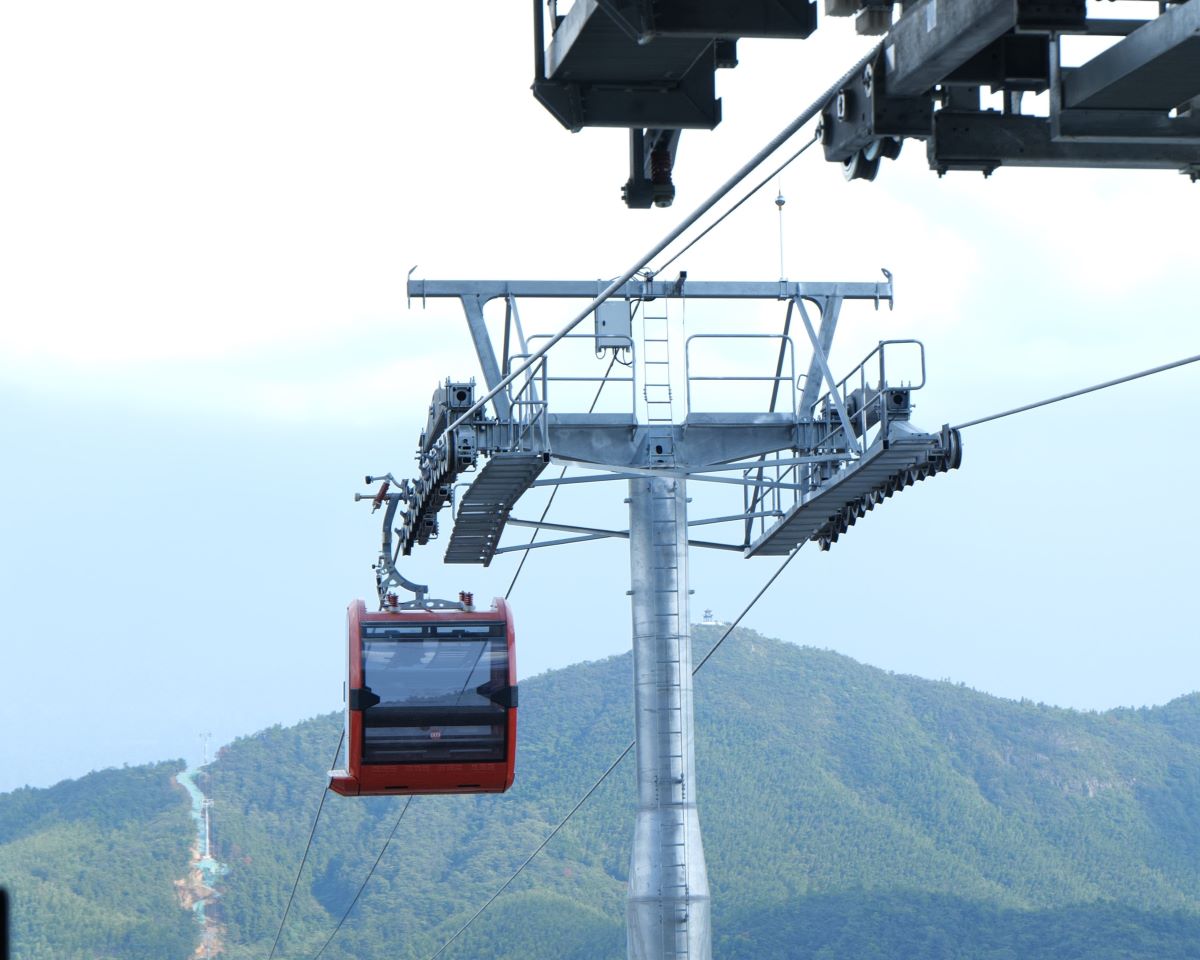
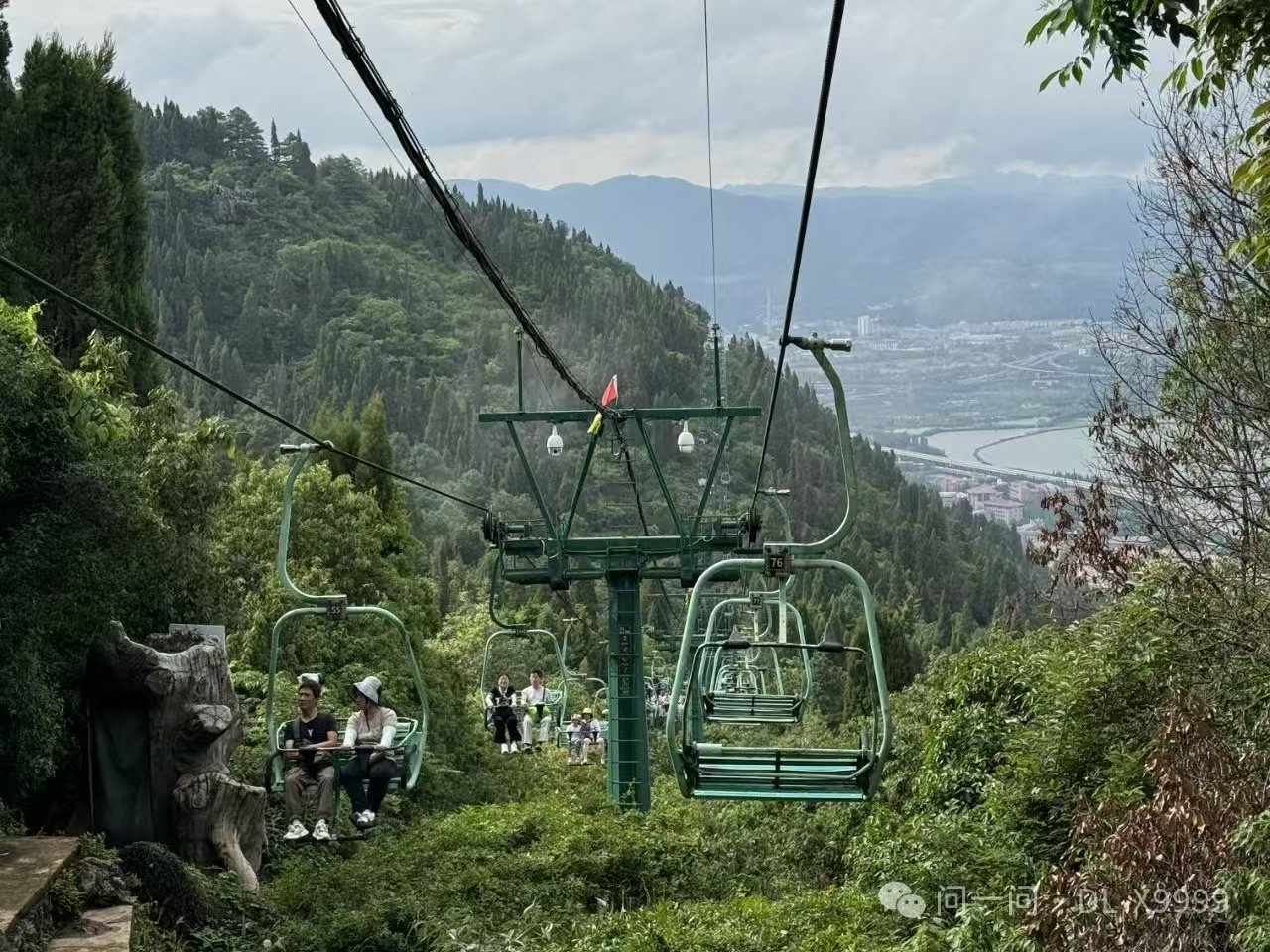
Xishan Scenic Area: The old chairlift needed replacement
The Xishan District is the only area within Kunming’s urban space that combines natural landscapes with city functions. Located about 15 kilometers from the city center, the region offers a variety of scenic highlights.
The cable car has been one of the area’s main attractions. Built in 1993, the system extended over a horizontal route length of 1,050 meters and was designed as a fixed-grip circulating lift.
Over time, its limitations became clear: long waits and peak loads affected the experience, and after more than thirty years, age-related wear made the safe operational lifespan nearly over.
Xishan Scenic Area chairlift
before renovation.
Cabins instead of chairlift
However, the situation will soon improve significantly: BARTHOLET is renewing the cable car. The new, enclosed system will feature 33 cabins, each accommodating eight passengers, designed by Studio F. A. Porsche.
With a travel speed of six meters per second, it will allow for significantly faster and more efficient transport. The cable car is set to overcome approximately 127 meters of elevation and reach a total length of over one kilometer. The system is being constructed within the existing route corridor.
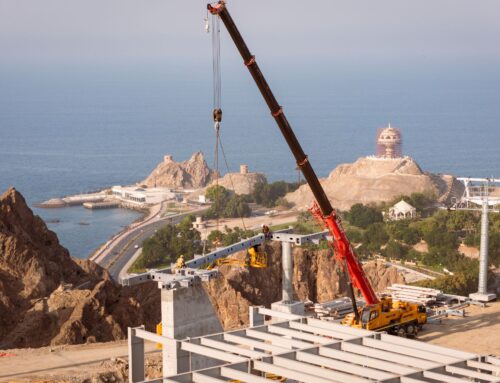
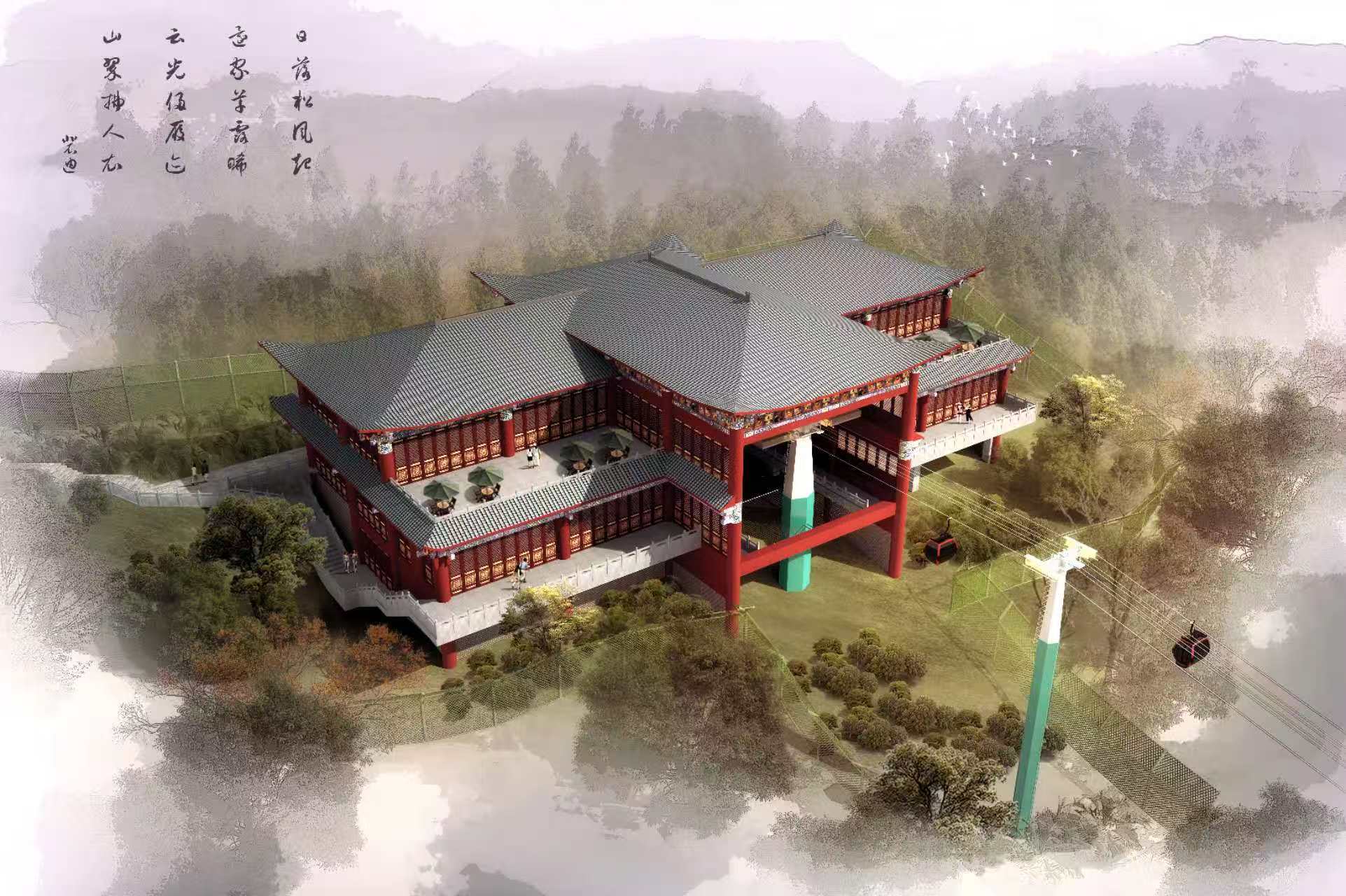
Right next to the valley station is the garage with three track lines, space for all 33 Porsche-designed cabins, as well as a maintenance gondola. The supporting structure of the valley station building has already been completed, and sealing, insulation, and masonry work are currently underway.
At the mountain station, structural construction is progressing, and the building is undergoing interior finishing. Foundation work for the new supports is also in
progress, including excavation and reinforcement.
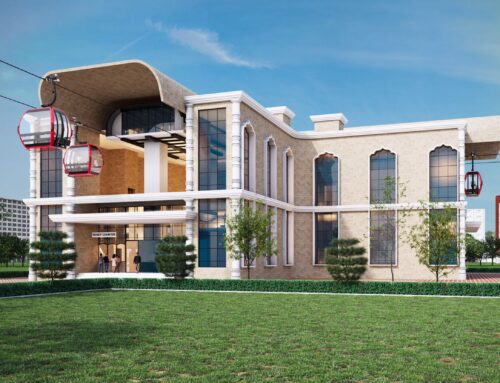
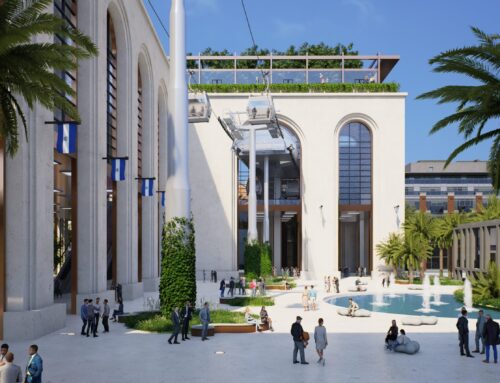
Rendering
The new cable car in Xishan Scenic Area.
Challenging conditions
The altitude of 2,000 to 2,300 meters brings a subtropical highland climate with pronounced rainy (June–September) and dry seasons, placing high demands on slope protection measures and outdoor construction sites. In winter, temperatures remain moderate, but wind is a significant factor affecting both planning and operation.
In addition, limited construction space restricts design options during planning and execution, and the topography makes the use of large construction machinery impossible. As a result, all work must be carried out using smaller, specially adapted equipment.
Furthermore, the recreational area remains open throughout the entire construction period, which significantly impacts the construction schedule both in terms of time and organization.
Despite the challenging conditions, the work is progressing according to the plan, and soon the new cable car will delight visitors and significantly enhance the urban tourism experience.