Special-Urban, Tourism
Vietnam: Cable car for the island airport
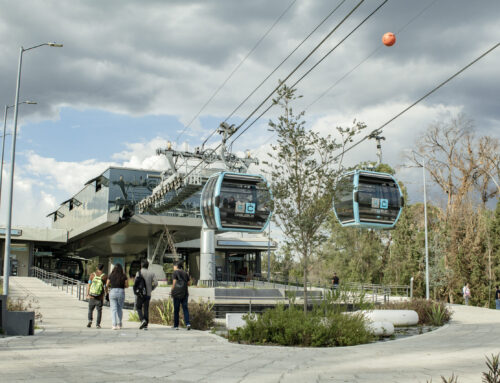
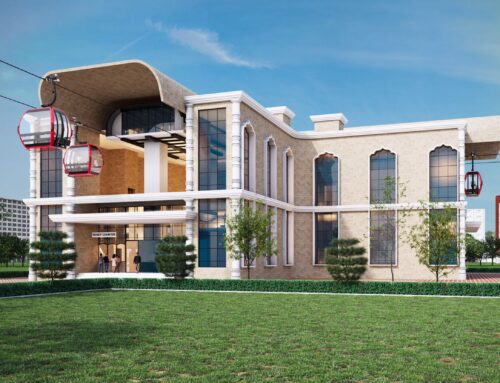
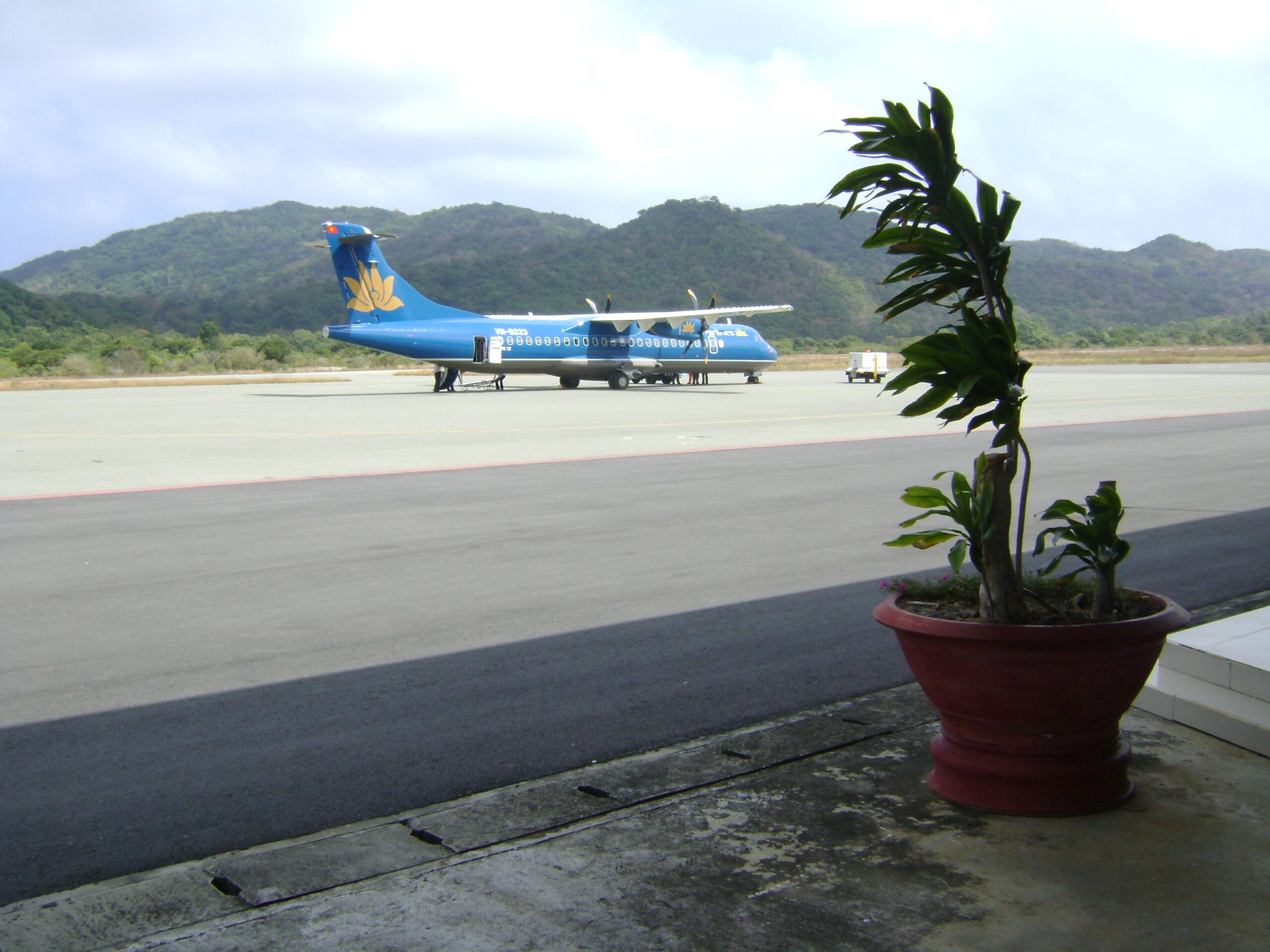
Ho Chi Minh City in Vietnam has proposed the construction of a 15-kilometer-long cable car connecting Co Ong Airport with the center of Con Dao. The aim is to reduce future traffic congestion while also protecting the island’s forests, reports the media outlet VnExpress.
The plan was presented in a city report on measures to promote socio-economic development in the Con Dao Special Administrative Zone, as a significant increase in tourist arrivals is expected in the coming years.
Con Dao expects more tourists
The city authorities estimate that the airport will handle about two million passengers annually by 2030, increasing to three million per year in the following decade.
Currently, Co Ong Airport is connected to the town center by a narrow, two-lane mountain road, with travel times of 20–30 minutes. Moreover, the existing mountain road is winding and steep in many sections, creating a high risk of congestion as traffic increases.
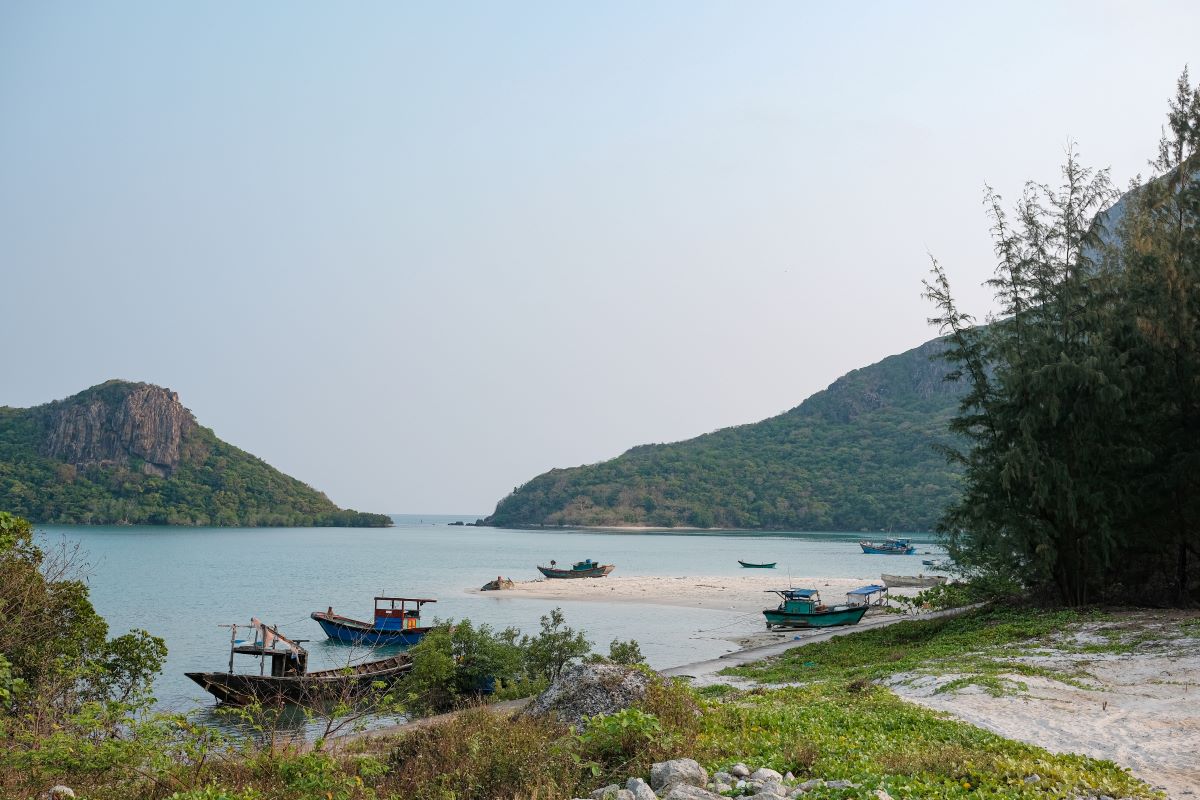
The major part of the island is a national park.
Cable car reduces impact on the forest
Expanding the road to four lanes is considered unrealistic, as it would require cutting through mountains and clearing over 15 hectares of forest, which would have a significant impact on the environment. Transport via waterways is also deemed unsuitable due to rough seas and unpredictable weather.
According to preliminary estimates, the cable car would affect only about three hectares of forest – more than five times less than a road expansion would.
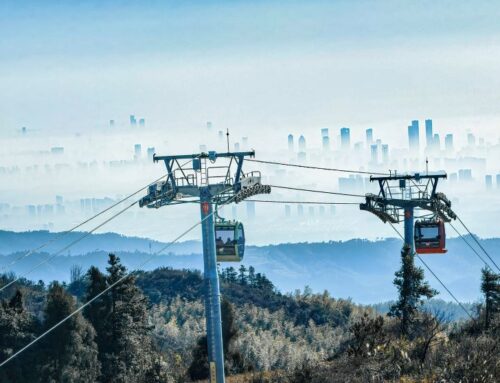
Authorities emphasize that the cable car would not only meet transportation needs but also provide a scenic tourism experience, showcasing the forests, mountains, and coastline of Con Dao – fully in line with the island’s sustainable luxury tourism strategy.
Con Dao national park
Con Dao is an isolated archipelago in the South China Sea, south of the Vietnamese mainland coast. The only inhabited island is Con Son, and the largest town shares the same name as the archipelago: Con Dao.
The island is being developed as a special economic zone focused on eco-, historical, and spiritual tourism, as well as nature conservation.