
Cableway & Technology, Digitalisation & Innovation, Management & Tourism, SI World 1/2026
Cable Car Construction: Trends in the Alpine Region
Second life for cable cars
The trend toward sustainability continues to shape the industry in many ways, including the reuse of materials from old cable cars – of course, only when they are suitable and fit the specific project.
At the Skicircus Saalbach Hinterglemm Leogang Fieberbrunn ski resort in Tyrol, Austria, a new 6-person chairlift has recently been built. During planning, special attention was paid to reusing as many components as possible from the cable car at another Austrian resort, Ischgl. This includes the drive system, the towers, and the chairs. These elements have been combined with a new control system and modern buildings.
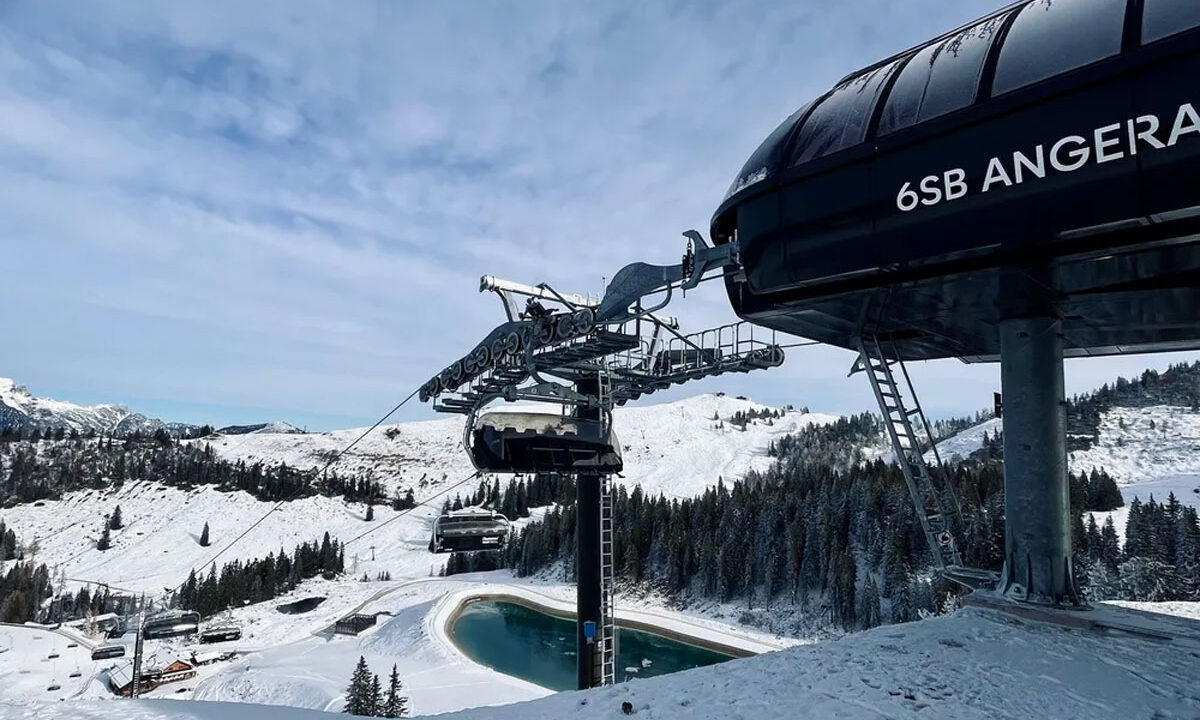
Dachstein West ski resort in Upper Austria also embraced second-hand equipment: the 6-person Jennerwiesen chairlift from Berchtesgaden was relocated to the Riedlkaralm, where it now operates as the Angeralmbahn.
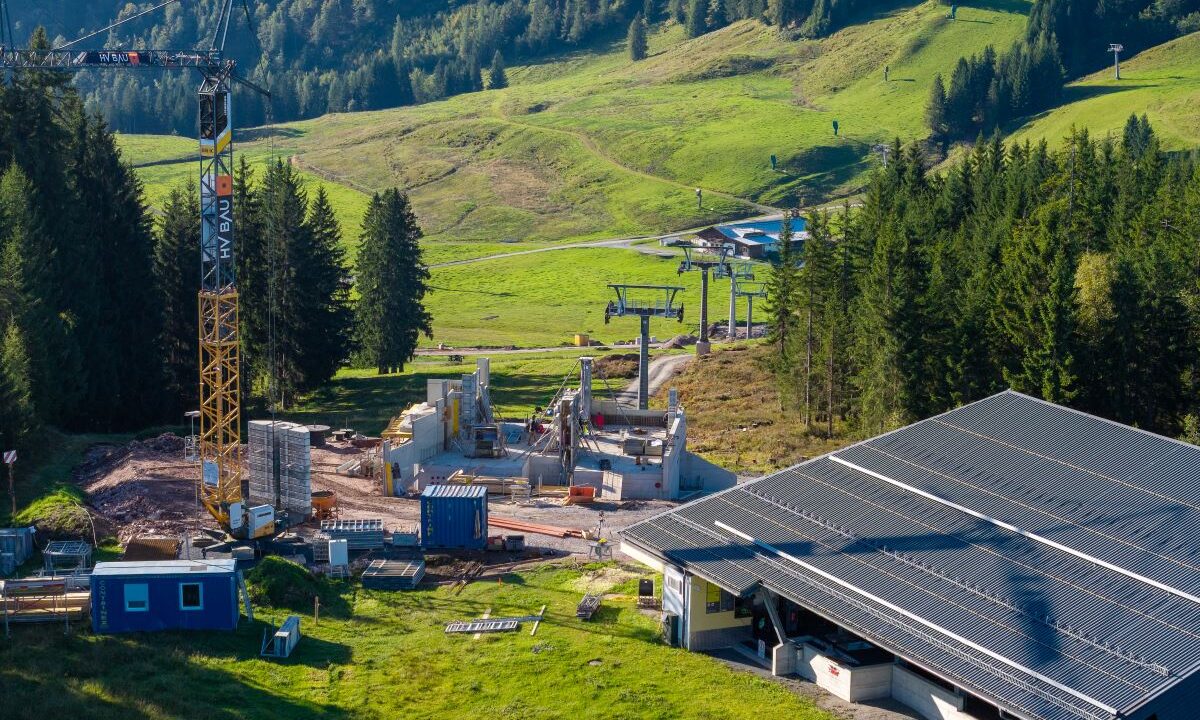
Maiskopf Cable Car – first in Ischgl, now in Fieberbrunn
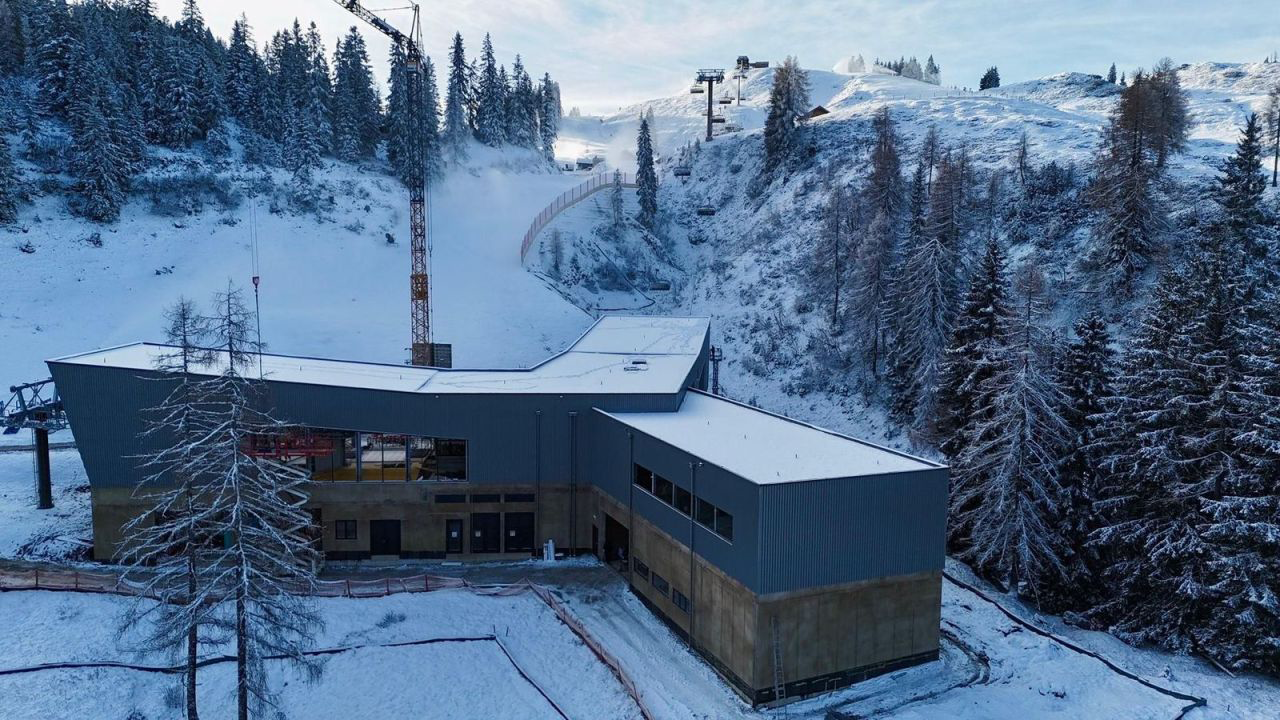
Shared valley station for the Aussichtsberg and Angeralm lifts in Dachstein West. The Angeralm Lift is second-hand equipment.
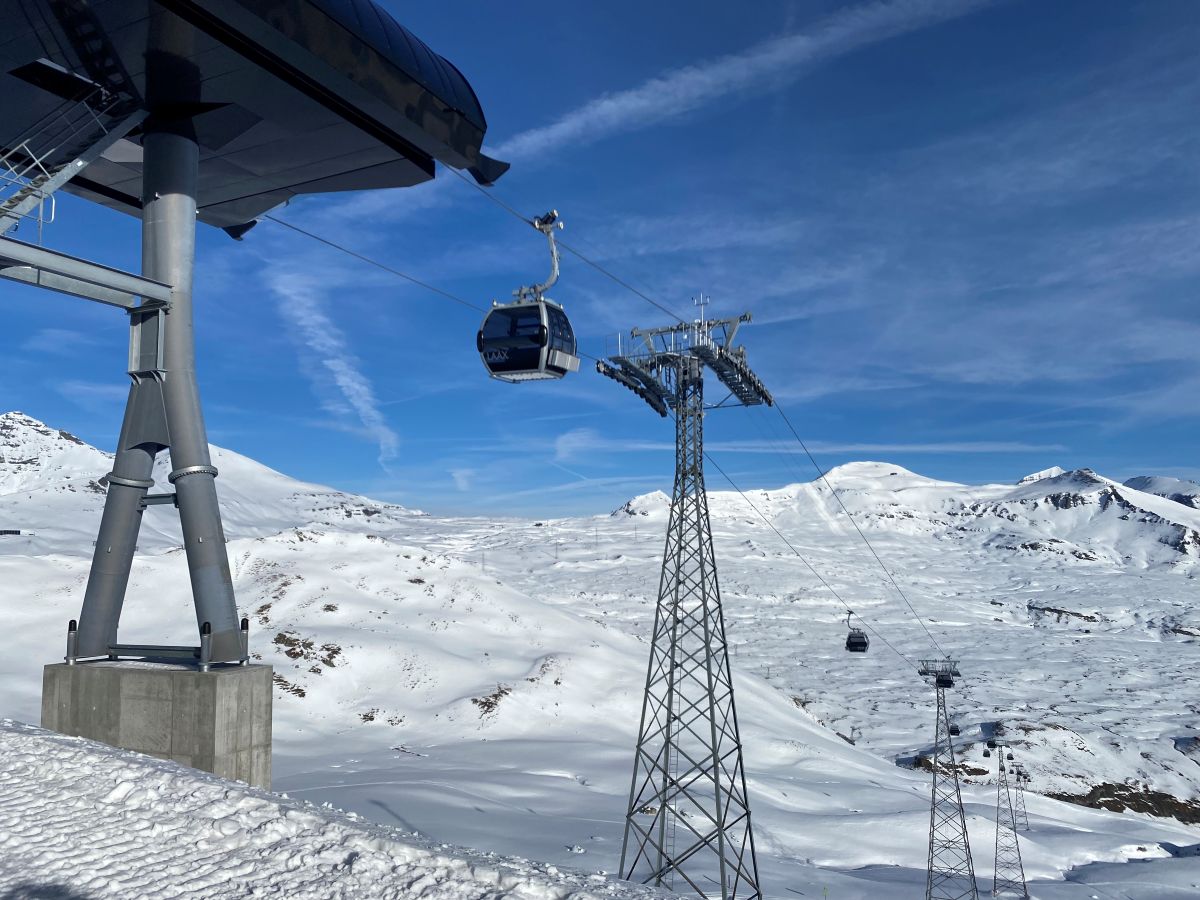
The Gondola Crap Masegn–Fuorcla–Vorab is a real retrofit installation.
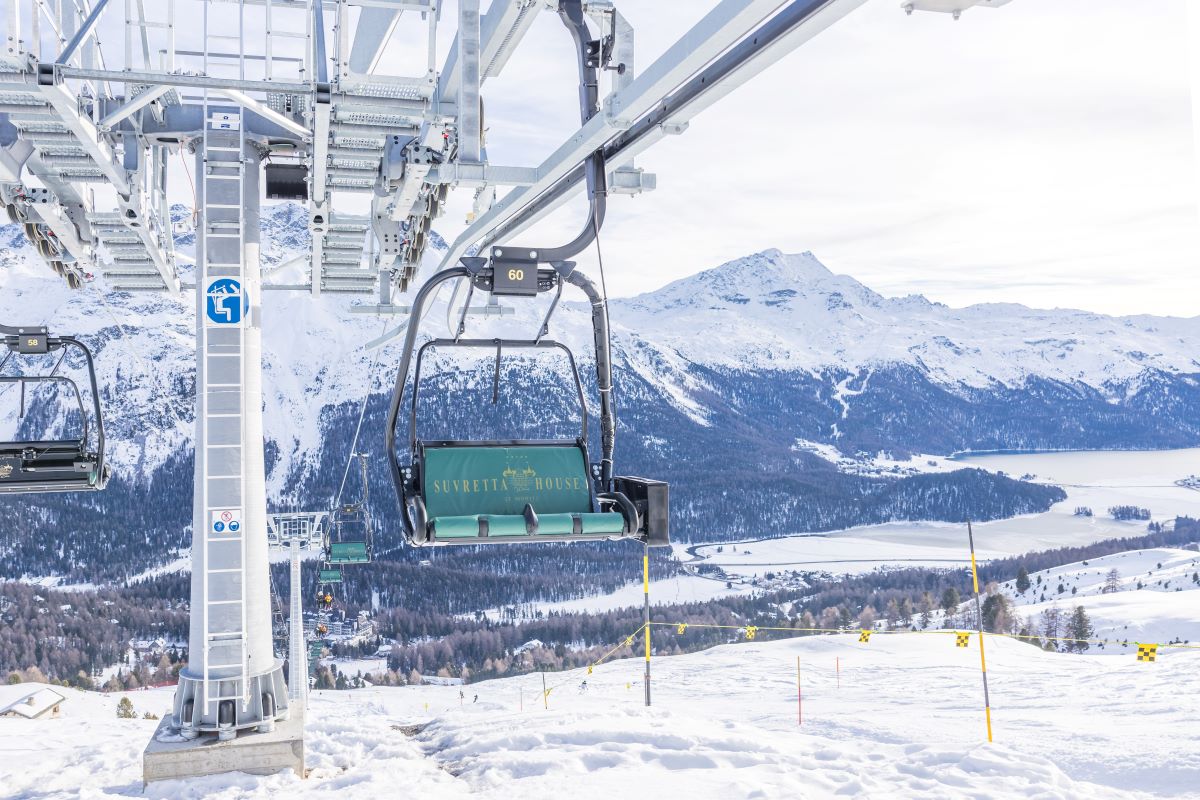
The retrofit of the new Suvretta – Randolins double chairlift in St. Moritz is highly compelling.

The new Diasbahn 10-MGD – previously featured at the BUGA 2023 in Mannheim.
At the Vorab Glacier in Laax, Switzerland, the towers and parts of the stations are being retained, even though the Crap Masegn–Fuorcla–Vorab lift is being upgraded from a 6-person to an 8-person cabin lift.
In St. Moritz, also Switzerland, the existing 4-person Randolins chairlift was completely renovated after around 30 years of operation. Despite the full technical rebuild, sustainable use of resources was in the focus of the project. Thanks to the good condition of the existing structures, nine of the fifteen lift foundations could be reused, while the remaining ones only needed minor reinforcement.
The 10-person cable car in Kappl, Tyrol, Austria is coming to life for a third time ever. The Diasbahn has previously carried visitors at the Floriade Expo 2022 in Almere (Netherlands) and the Bundesgartenschau 2023 in Mannheim (Germany). Now, it brings the innovation to the ski resort, cutting waiting times for skiers.
Retrofit in design
The design of the cabins on the Grindelwald–Pfingstegg aerial cableway reflects the atmosphere of alpine relaxation.

Retrofit – also in design
The trend toward retrofitting is also influencing design. One example is the Grindelwald–Pfingstegg aerial cableway in Switzerland. As part of its modernization, it received two new cabins with wood- and stone-look finishes. Geraniums on the outside and a photo window give the impression of riding up the mountain in a cozy chalet.
The interior was designed in harmony with this concept: folding wooden benches, walls with wood- and stone-look finishes, and visual elements like a simulated fireplace with a fire image and a woodpile create a homely atmosphere. A highlight is the integrated ceiling lighting, which simulates a starry sky and can be adjusted for special occasions, such as dinner rides.

LeitPilot
The new cable car Senderbahn in the Hauser Kaibling ski resort in Styria, Austria, is equipped with systems for autonomous station operation.
Automation: Video monitoring and autonomous station operation
More and more ski resorts are turning to advanced technologies designed to enhance safety on cable cars and support staff by taking over some of their routine tasks.
For example, during the construction of the Silberbrünnl chairlift in Sölden, Austria, the top station was equipped with a system that monitors proper occupancy of the chairs via video cameras and automatically triggers an emergency stop in case of incorrect loading.
The new cable car Senderbahn in the Hauser Kaibling ski resort in Styria, Austria, is equipped with systems for autonomous station operation. Another technical innovation from one of the cable car manufacturers: depending on passenger volume, the lift’s operating speed can be automatically adjusted.
Cameras monitor the boarding area and provide the images needed for AI-based analysis, which – while complying with General Data Protection Regulation – is passed on to the Connect control system.
Cabins
are designed to accommodate bicycles, with a focus on the summer.
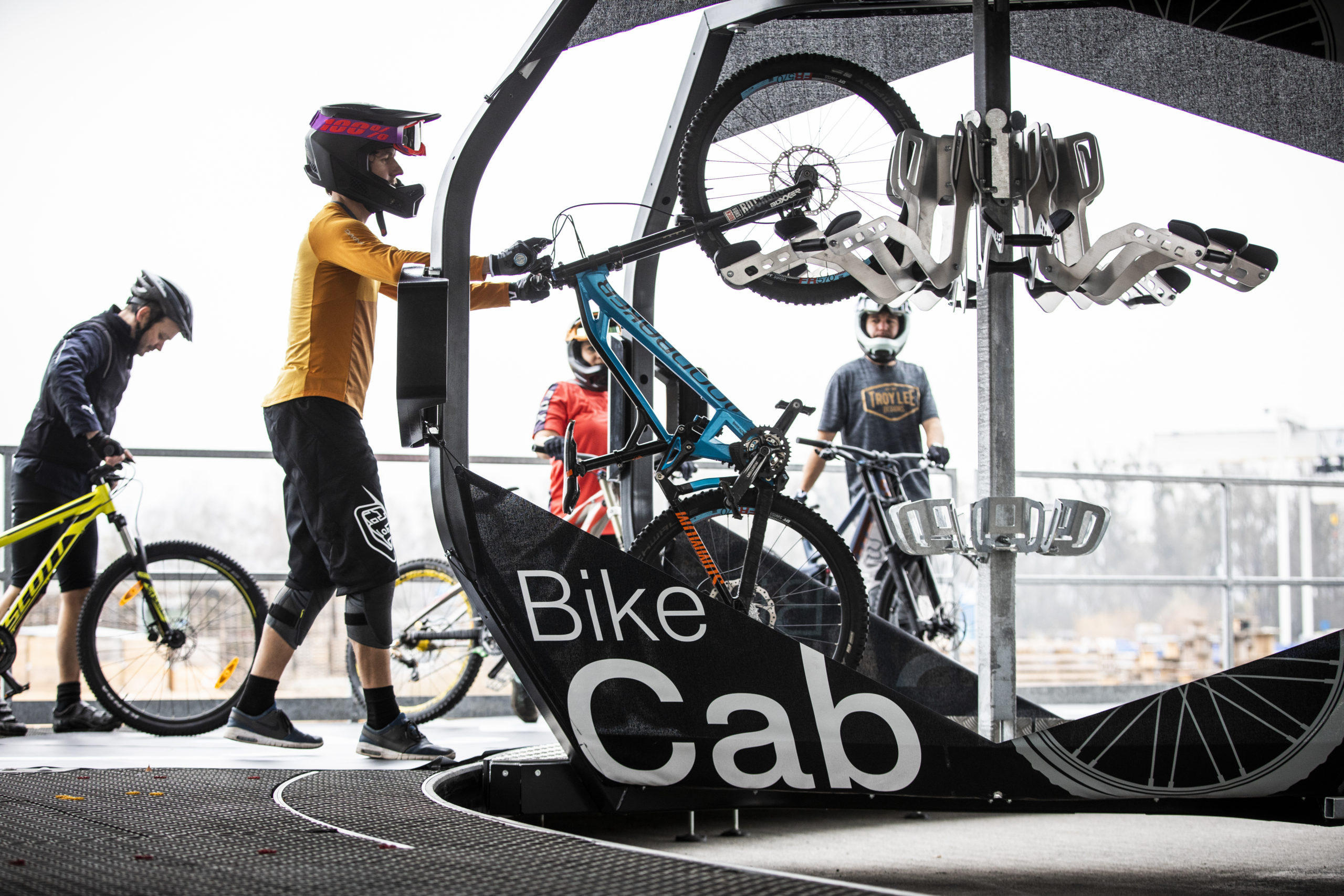
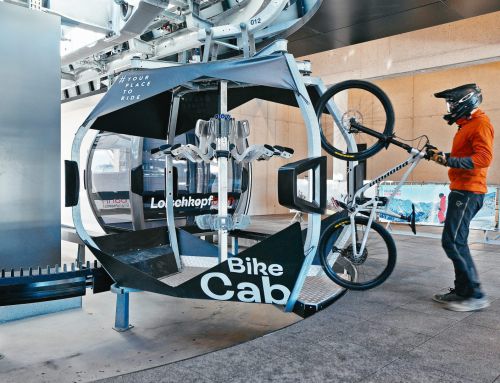
Bike Cabs for the summer season
More and more tourist destinations are equipping cabins with space for transporting bicycles. For example, on the Loischkopfbahn in Vorarlberg, Austria, up to eight bikes can be transported per cabin. Guests can load and unload their bikes themselves, allowing them to ride uphill without bulky equipment in the cabin. On the Gartnerkofelbahn at Nassfeld in Carinthia, each cabin can hold three bicycles.
Fisser cable car valley station:
heated lockers with drying systems in the ski depot.
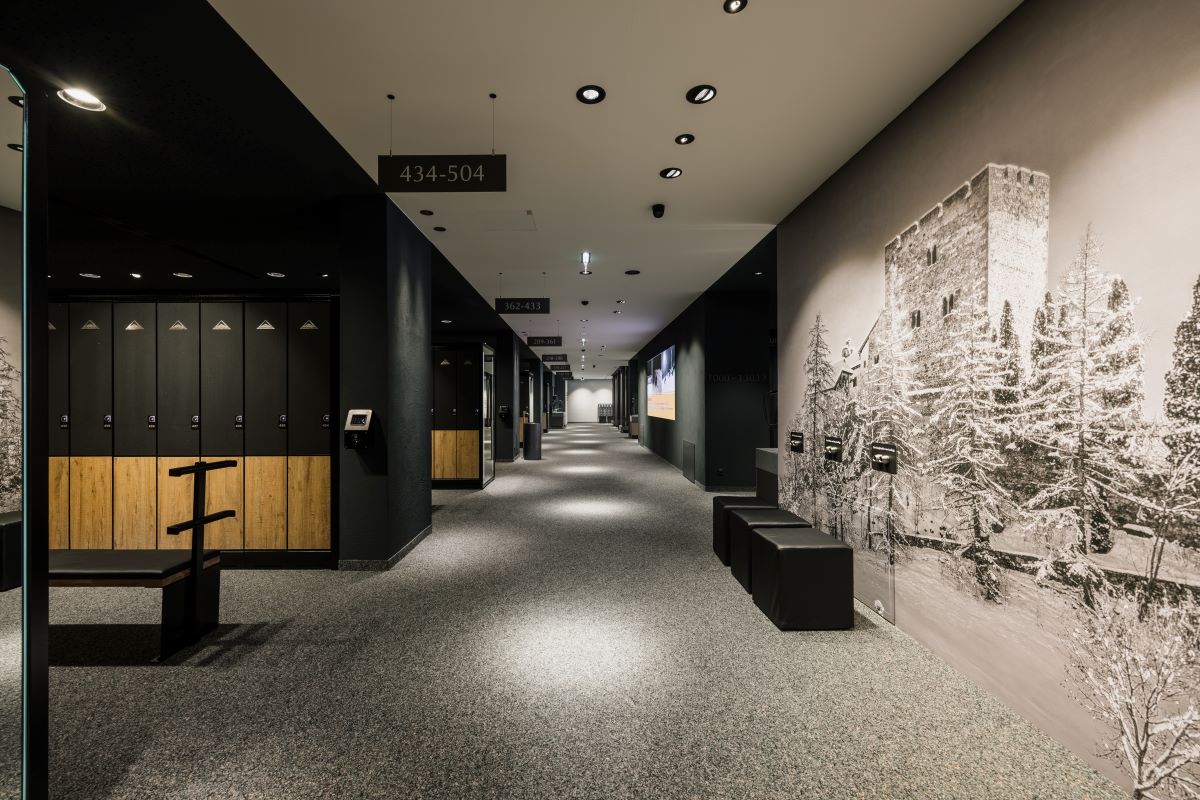
Multifunctional valley station buildings
When renovating valley and top stations, the space is used to its fullest potential. The valley station of the Fisser cable cars in Austria not only houses a ski depot with modern drying systems, but also includes play areas for children, beauty stations, and even staff accommodations.
As part of its modernization, the Karrenseilbahn in Vorarlberg, Austria, also expanded its valley station building. The facility was extended with two new wings: the east wing houses storage areas for the lift and mountain gastronomy, while the west wing contains the ticketing and waiting area, as well as office space for staff.
Energy production
Solar modules are used on the Gifthittli chairlift in Zermatt, Switzerland.
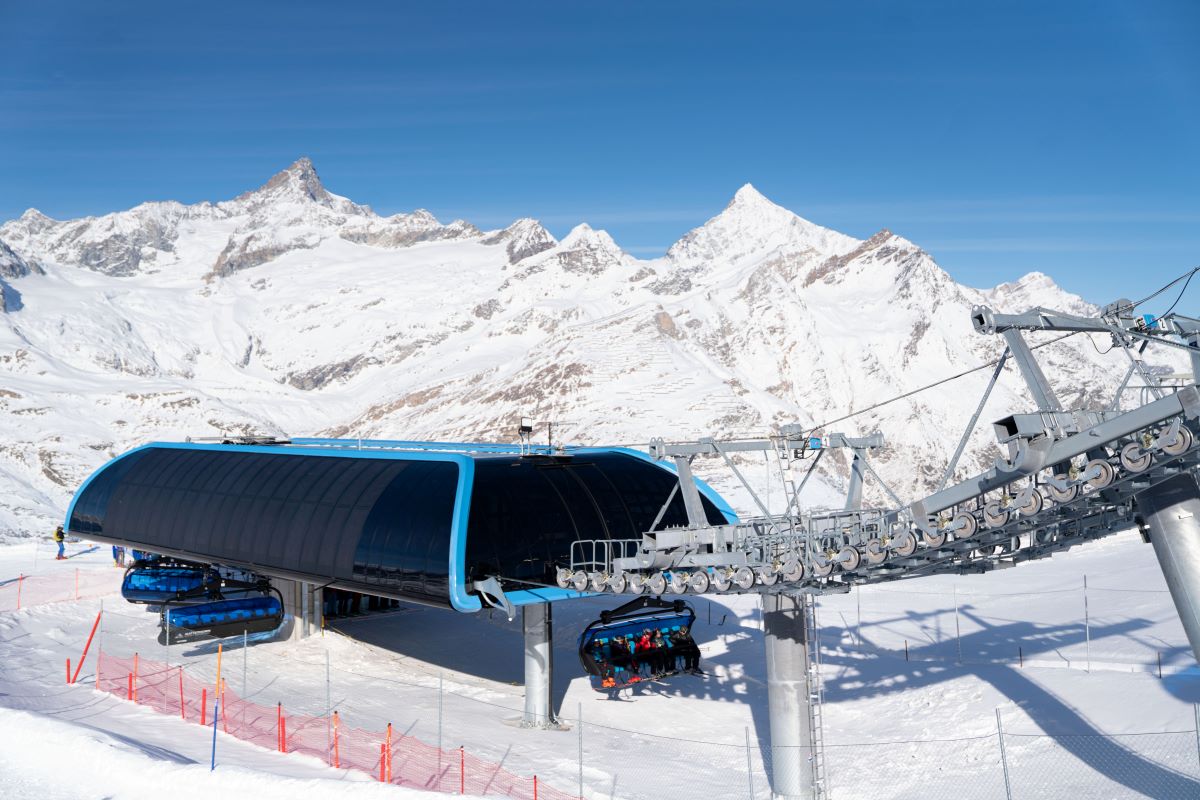
Energy saving in focus
Ski resorts continue to expand their production and storage of their own electricity. Examples include the Sierre– Montana Gare funicular in Switzerland or the Pico del Teide aerial tramway in Spain, which are equipped with a highperformance energy storage system that stores locally generated energy – such as braking energy or photovoltaic electricity – and makes it usable.
In the alpine region, there are also cable car installations, such as the Hüttenkopf chairlift, the Glockner chairlift, or the Waidoffen chairlift, where solar panels are directly integrated into the station buildings – a solution that is convincing both aesthetically and functionally.
Significant energy-saving potential also exists in daily operations. With the ASC system (Adaptive Speed Control), it is possible, using AI, to adjust the operating speed of gondola and chairlifts according to demand, which directly saves energy.
The Monte Brè funicular
in Lugano features two retro-style cars designed for passengers with reduced mobility, accommodating up to 70 people.
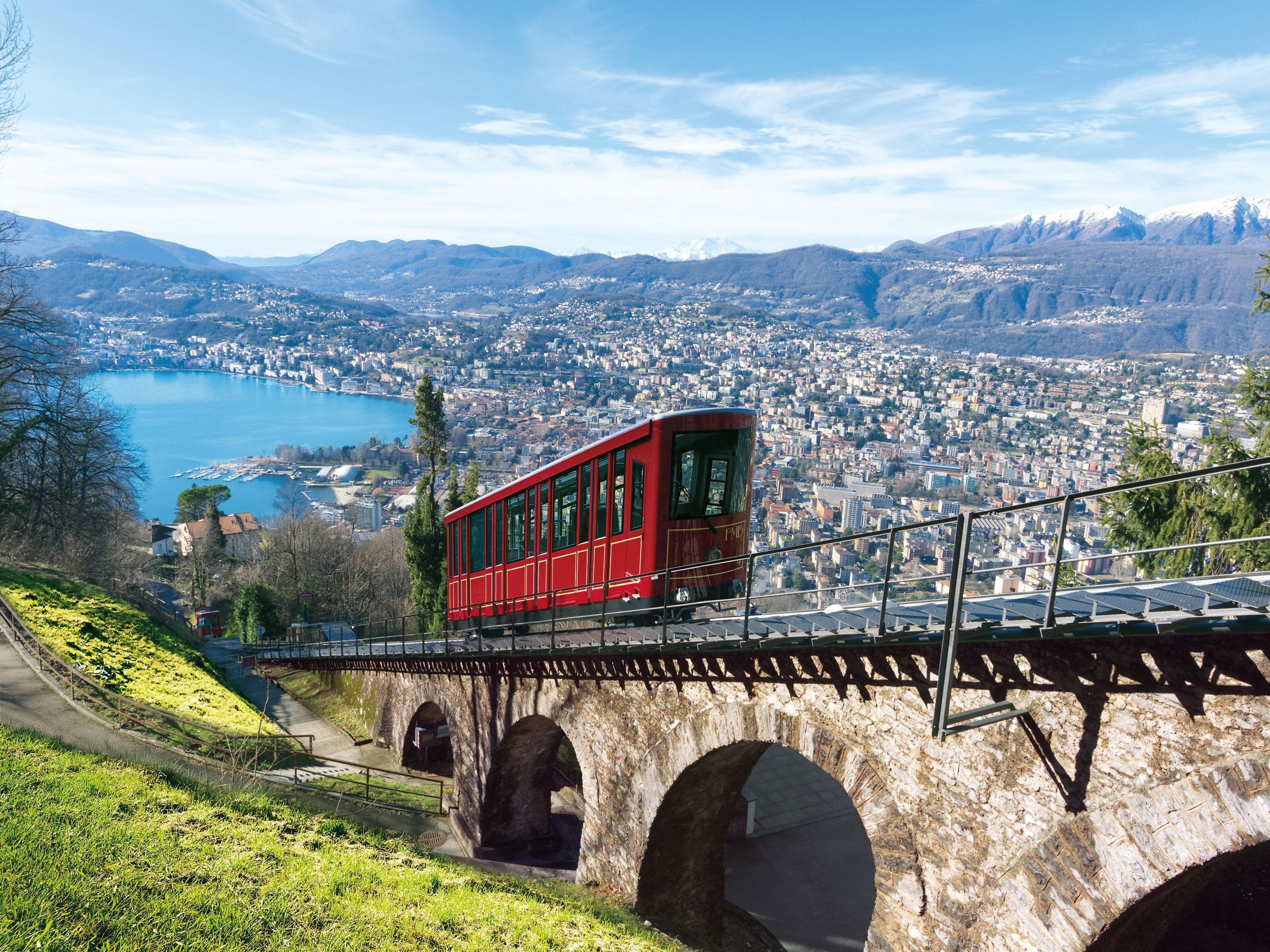
Accessibility for all
Comfortable access for everyone is also an important priority. Technical solutions are particularly challenging for funiculars, as the slope of the vehicle must be aligned with a level boarding platform – but even here, such solutions are being actively implemented.
One successful example is the two accessible cars of the Monte Brè funicular in Lugano, Switzerland. In summary, sustainable use of materials, process automation, and a focus on safety and accessibility have become key priorities in the cable car industry today – and the market is adapting to provide solutions that meet these demands.
Mountain Network Summit 2026
Discover more trends in the Alpine cable car industry at the Mountain Network Summit 2026.