
Digitalisation & Innovation
Photovoltaics in the mountains: What are the requirements for modules?
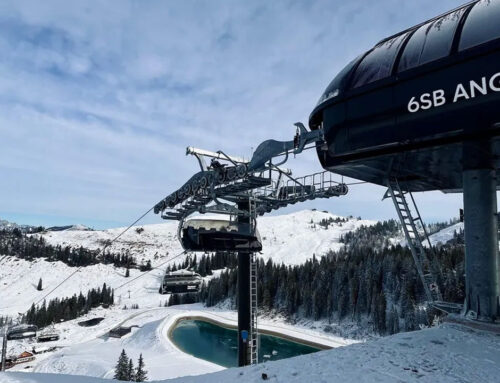
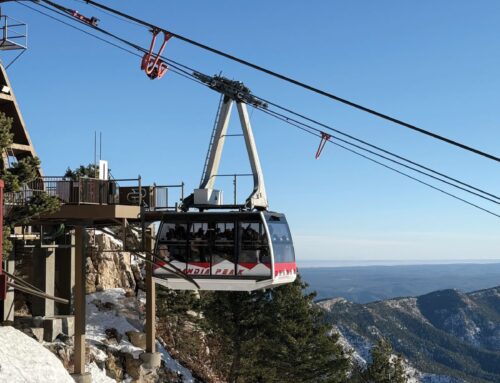
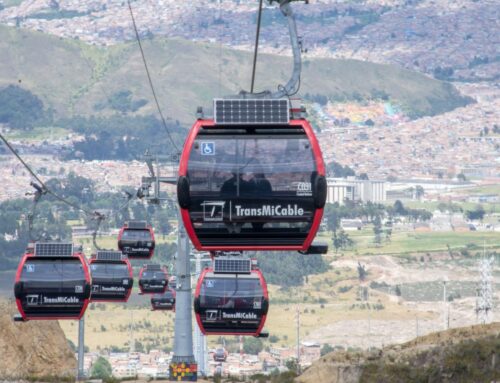
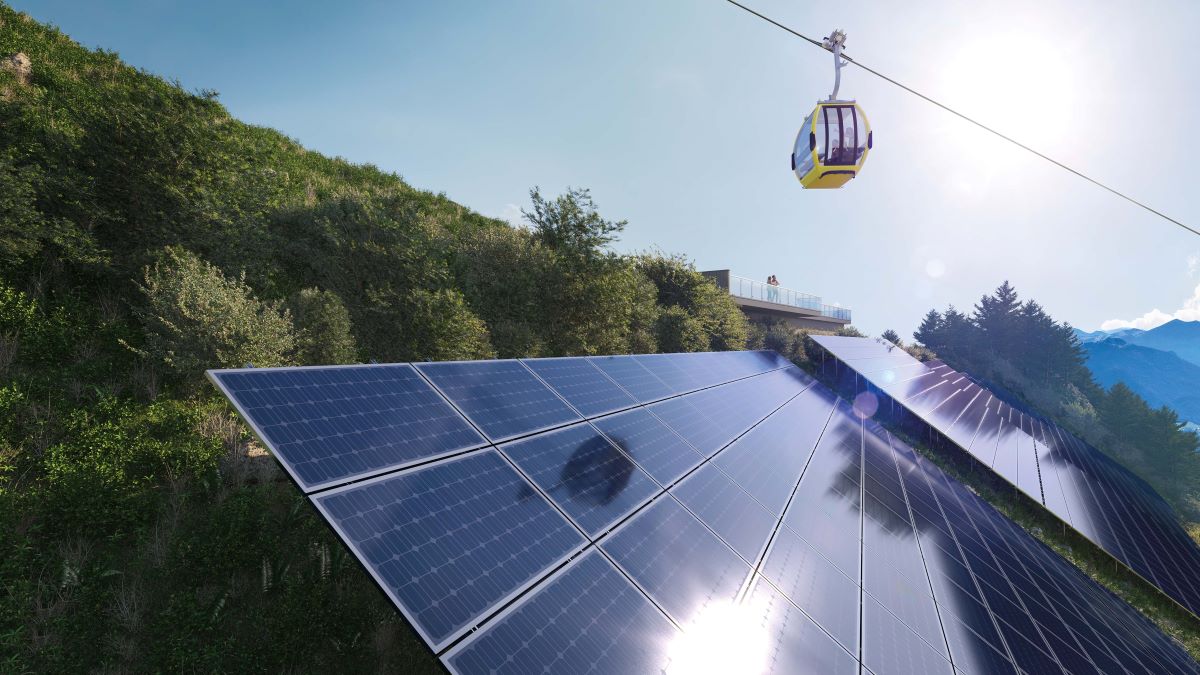
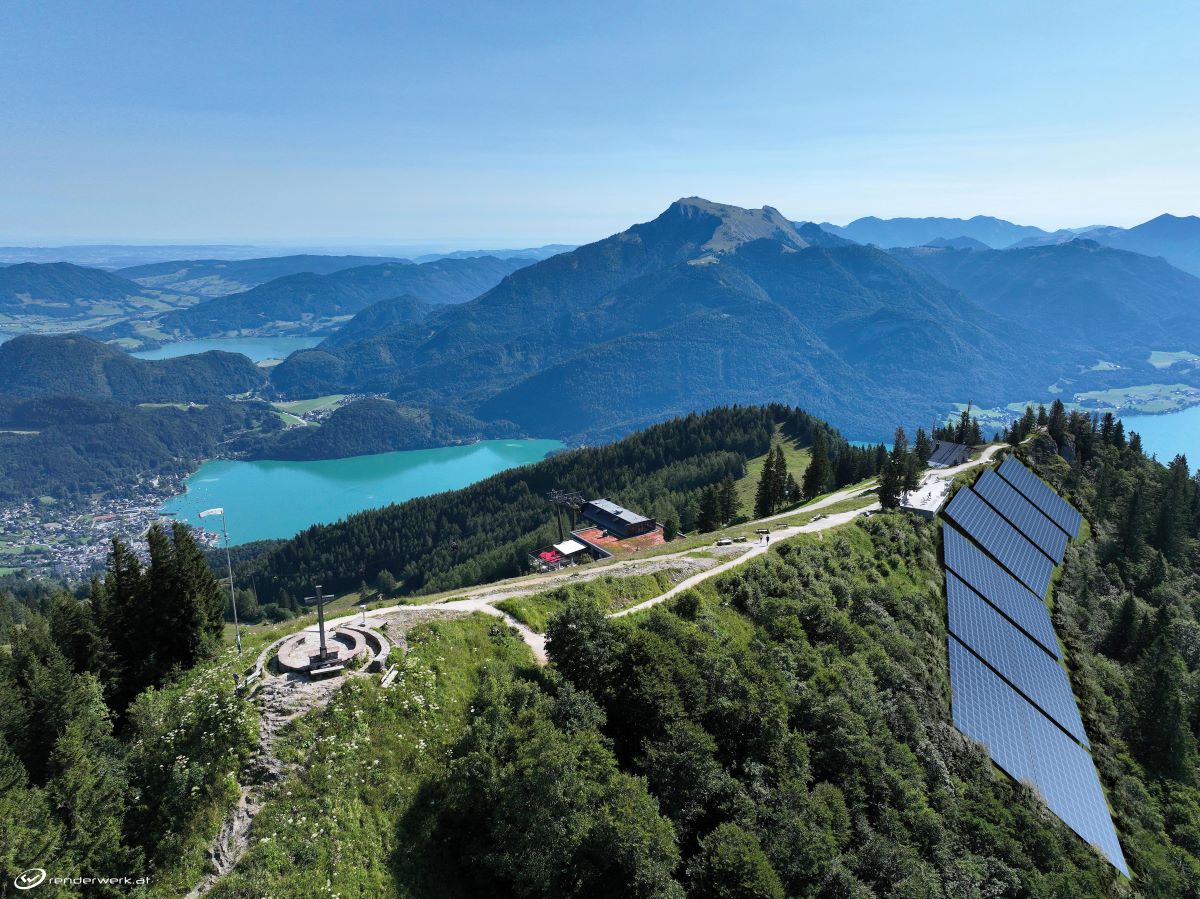
Whether on cable car stations, buildings, or open-space areas: PV systems in the mountains are booming. Ski resorts are rightly opting for solar power to at least partially cover their energy needs.
However, the PV modules are often exposed to harsh conditions: high snow loads, strong UV radiation, intense sunlight, and low temperatures take their toll on the components.
So, how must modules be designed to deliver the highest possible performance for the longest possible time?
Research in Ski Resorts
The international and interdisciplinary research project PV-Detect investigated this question. The project involved the company Sonnenkraft, the SUPSI Institute from Ticino, Switzerland, and the Austrian Research Institute for Chemistry and Technology (OFI), as PhD student Anika Gassner reports:
“First, we identified existing alpine photovoltaic installations at various altitudes and systematically collected data on the respective environmental conditions at the individual sites.”
Building on this, an on-site characterization of the existing alpine PV systems was carried out, including non-destructive material identification and aging analysis using spectroscopic methods, as well as electrical investigations such as performance assessment, degradation rate analysis, and electroluminescence measurements.
In a further step, typical failure mechanisms of PV modules and systems in alpine environments were identified and correlated with the resulting losses in electrical performance.
“On this basis, we developed accelerated aging tests that realistically simulate alpine environmental conditions and generate comparable damage patterns within short testing periods.”
Additionally, a method for the early detection of failures was developed, combining advanced reliability tests with sensitive procedures for detecting degradation processes.
“Finally, we defined a test matrix that enables rapid product development for innovative PV materials, components, and module designs specifically suited for use under the demanding environmental conditions of the Alps,” Gassner explains.
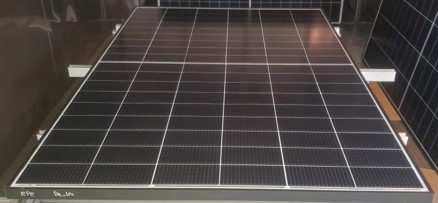
For the “alpine module,”
combinations of glass thicknesses, frames, cell technologies, and connectors, as well as encapsulation materials, were tested.
The “Alpine Module” as a Result
To specifically develop the “alpine module,” various combinations of glass thicknesses, frames, cell technologies, and connectors, as well as different encapsulation materials, were tested.
“PV modules with frames, double-glass modules with a glass thickness of over three millimeters, and a polyolefin encapsulation material performed best,” reports Gassner.
The thickness of the glass stands in contrast to the trend toward increasingly thinner – and thus cheaper – PV modules. Furthermore, polyolefin encapsulation material is more suitable than conventional EVA, as it remains flexible even at low temperatures and retains its damping effect.
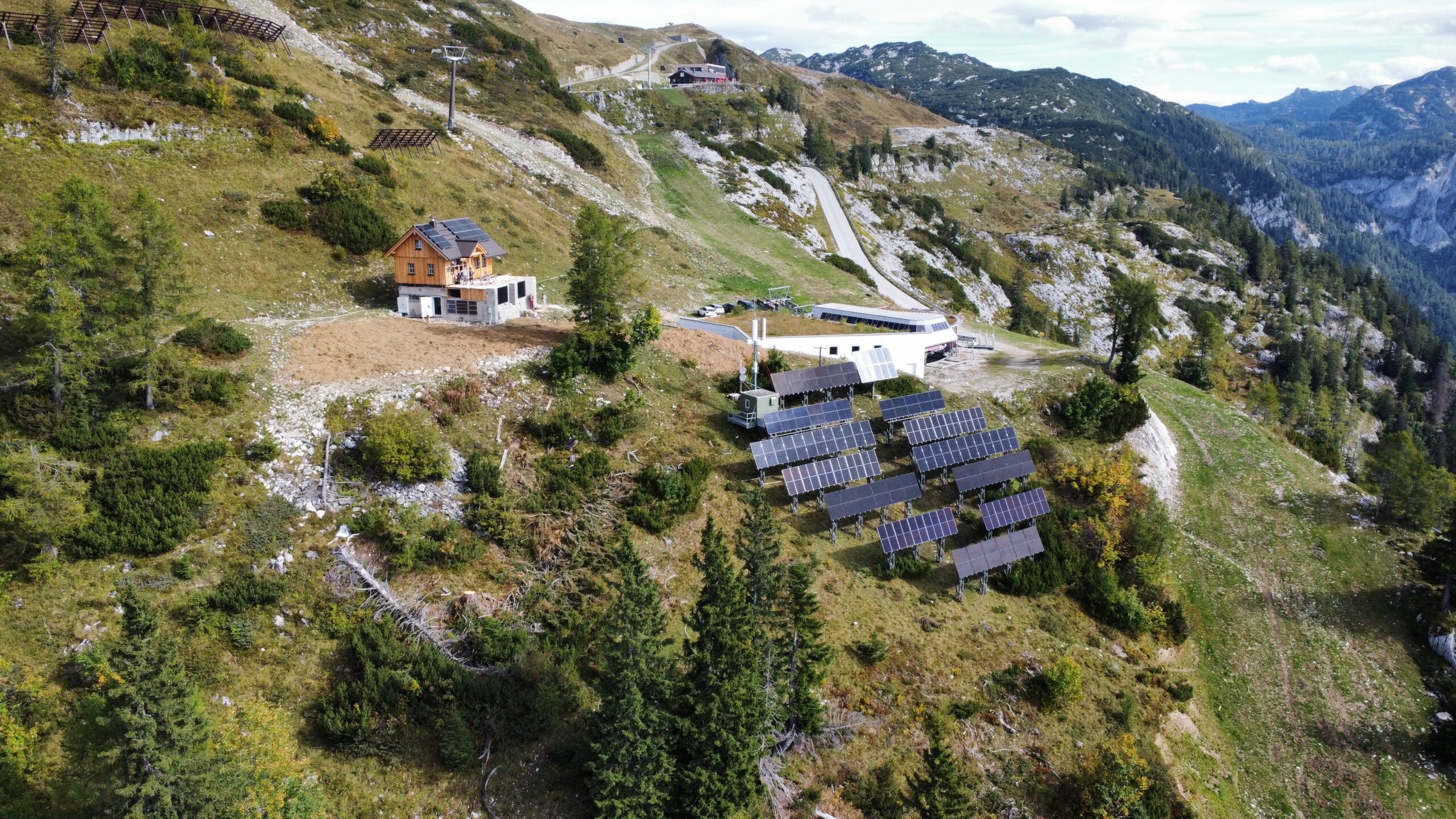
The test facility
at Loser (Styria) comprises five different module types.
Test Facilities in Ski Resorts
In addition to literature research, field observations, and laboratory tests, PV-Detect is also conducting experiments in the field: for example, in autumn 2025, Energie AG Oberösterreich fundamentally modernized its PV research facility in the Styrian ski resort of Loser, which has been in operation since 1988, and equipped it with new alpine modules.
The facility comprises five different module types, which will be examined and compared based on their behavior and durability in an alpine environment. It includes five different module types to allow for comparisons. Other analyzed test facilities are located on the Dobratsch and the Kanzelhöhe (both in Carinthia), as well as at Lac des Toules (Valais).
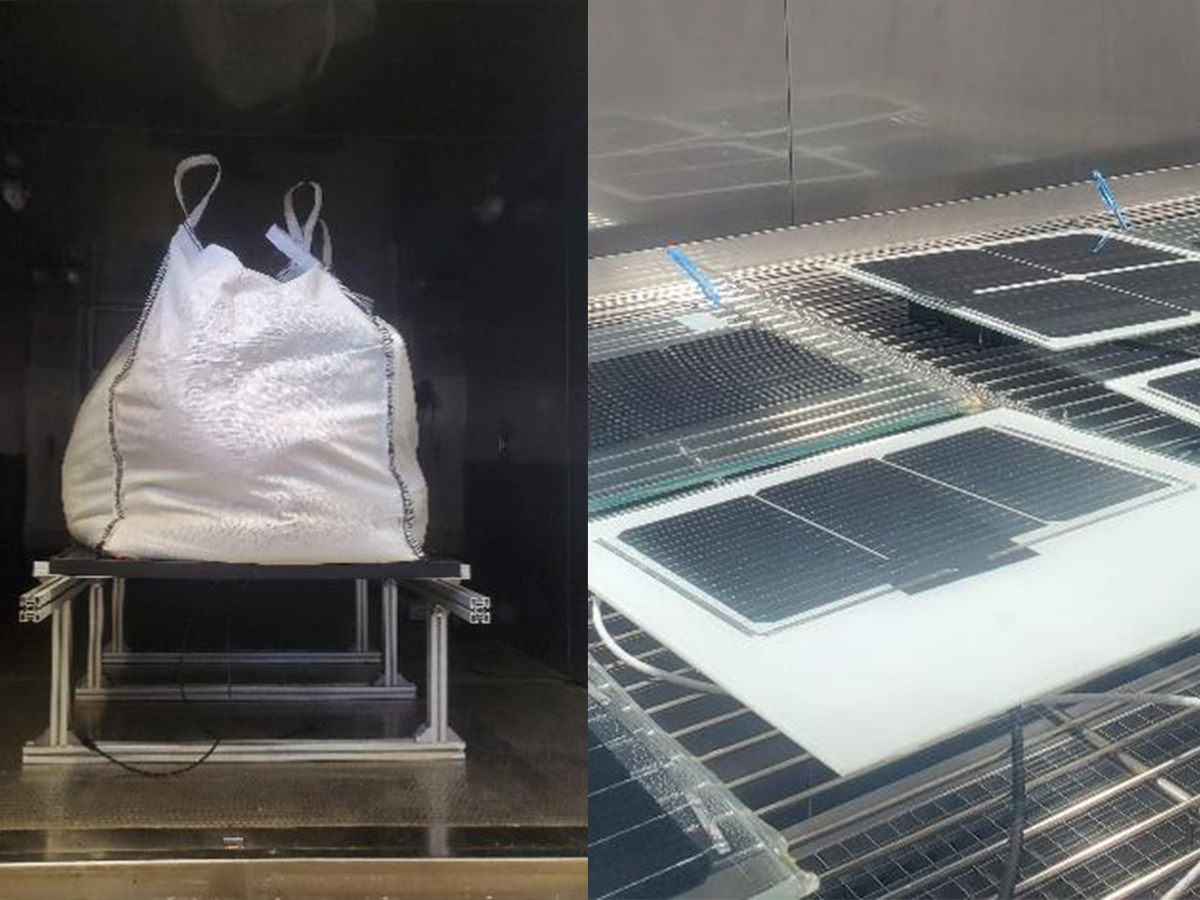
In addition, SUPSI and OFI are investigating further suitable modules in their laboratories. The focus is on identifying the impact of high snow loads on the PV modules.
The PV modules
were subjected to accelerated aging tests, including mechanical tests (left) and UV tests (right).
Swiss Research Goes Deeper
Anika Gassner’s research focuses exclusively on the PV module itself and not on the mounting system, inverters, or other components of the PV system. The Swiss partner institute SUPSI is working in parallel on a project called “Alience,” which also addresses these other components, particularly mounting structures and inverters.
This Swiss project is part of the government’s “Winterstromoffensive” (Winter Power Offensive), which promotes the installation of systems in the Alps or above 1,500 meters, as these provide better winter power due to less fog and higher snow reflection.
Outlook: Alpine Modules in Series Production?
In addition to alpine PV research, Anika Gassner also deals with the topics of end-of-life, recycling, and repair measures for PV modules.
The research results of the now-completed PV-Detect project enable manufacturers like Sonnenkraft to plan the series development of new alpine modules.
“At present, we see only a few models on the market that meet the requirements of an alpine module,” Gassner concludes.