
Snowmaking & Slope Maintenance
Snow fences for better snow coverage: how does it work?
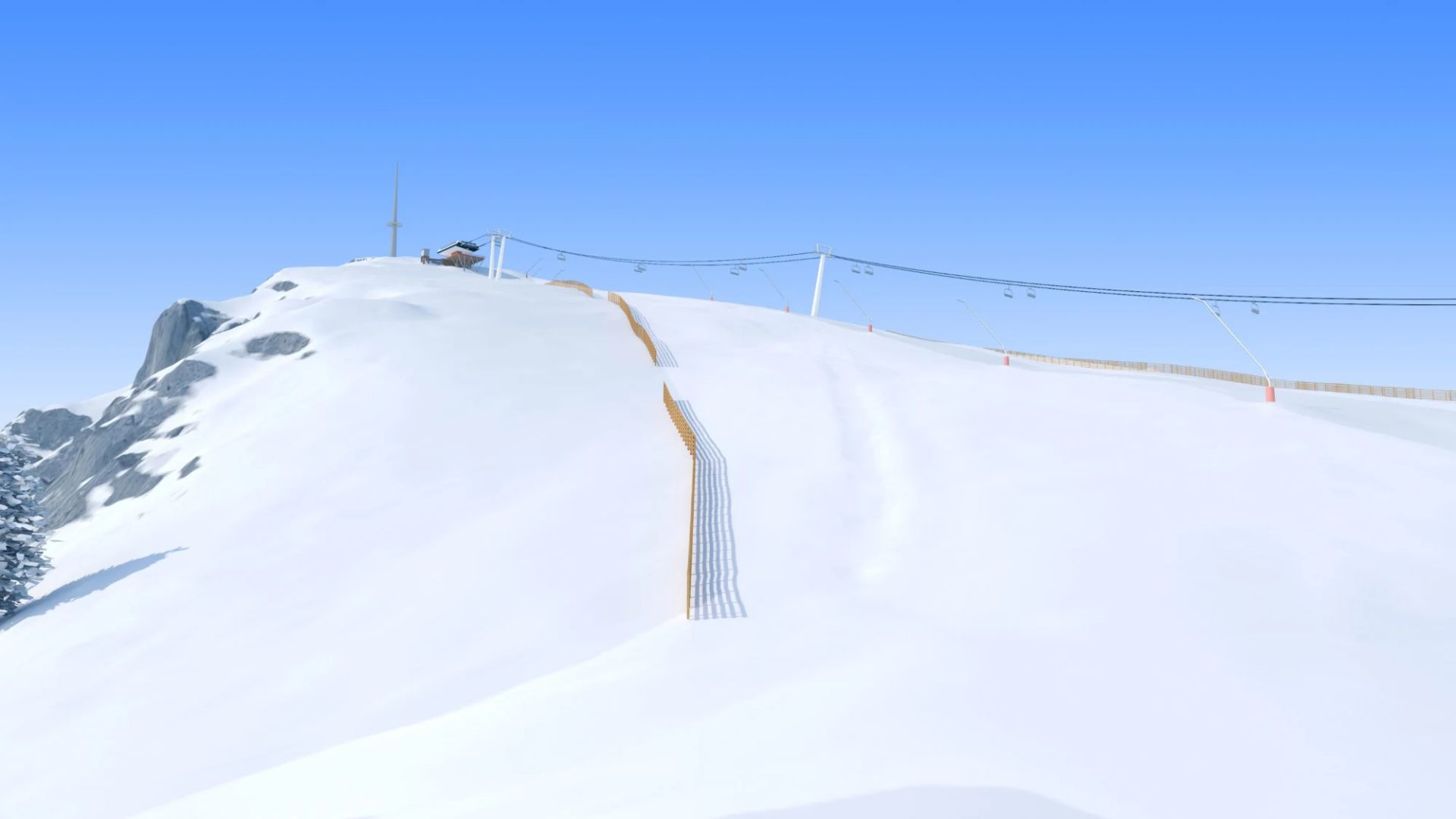
By installing fences alongside ski slopes, the Télé Villars-Gryon-Les Diablerets ski area in Switzerland uses the power of the wind to naturally move snow into the desired areas.
This can significantly reduce the need for artificial snowmaking and shorten slope grooming times. In addition, the company plans to equip the fences with solar panels that would cover 80 percent of the electricity consumption of the Roc d’Orsay cable car.
Snow on the slopes thanks to snow fences
Snow fences are obstacles installed next to ski slopes, mainly at higher elevations where vegetation is sparse. They disrupt airflow and create a Venturi effect.
As a result, snow accumulates at a distance of 20 to 50 meters from the fence, depending on its design. This keeps snow on the slopes instead of letting it settle in areas not used for winter sports.
Such barriers are already used by many ski resorts, often in the form of snow banks. What sets the project by Télé Villars-Gryon-Les Diablerets SA (TVGD) apart is the scale of the preliminary studies, the size of the new snow barriers, and the additional installation of solar panels, explains Martin Deburaux, the company’s director.
Function:
Snow fences bring snow to where it is needed.
Estimates of future savings
In 2021, TVGD carried out a study with CLIMSNOW to assess whether skiing in the resort would still be possible in 2050. The conclusion: it is feasible, but requires adaptations such as optimizing the snowmaking network and individual slopes.
The snow fences emerged from the recommendations of this study. The company created computer models of its terrain to optimize the placement of the fences. According to these models, TVGD can collect 37,000 cubic meters of snow – more than would be needed for artificial snowmaking on the slope.
Based on the study and thanks to the natural snow retained by the fences, Deburaux estimates that 70 percent less artificial snow will need to be produced and that slope grooming time on this run can be reduced by 60 percent. These benefits come at a cost of CHF 1,000 per meter of snow fence.
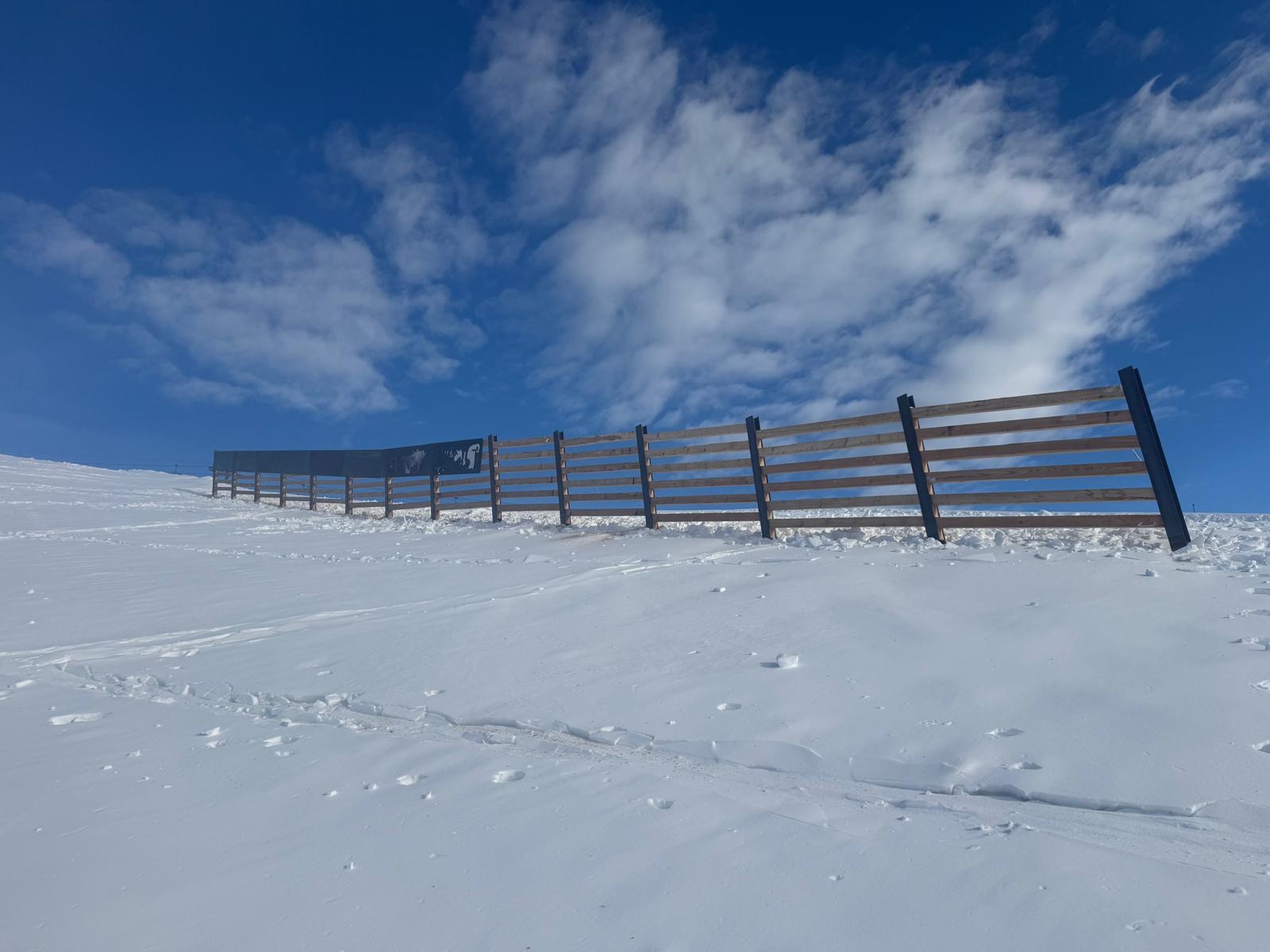
TVGD is currently building 500 meters of fences on the Grand Chamossaire, with heights ranging from 2 to 2.5 meters.
“We believe that snow fences are not just an accessory, but can actually cover an entire slope with snow,” says Martin Deburaux.
According to studies, snow fences help save resources:
The ski area will need 70 percent less artificial snow and 60 percent fewer slope grooming hours.
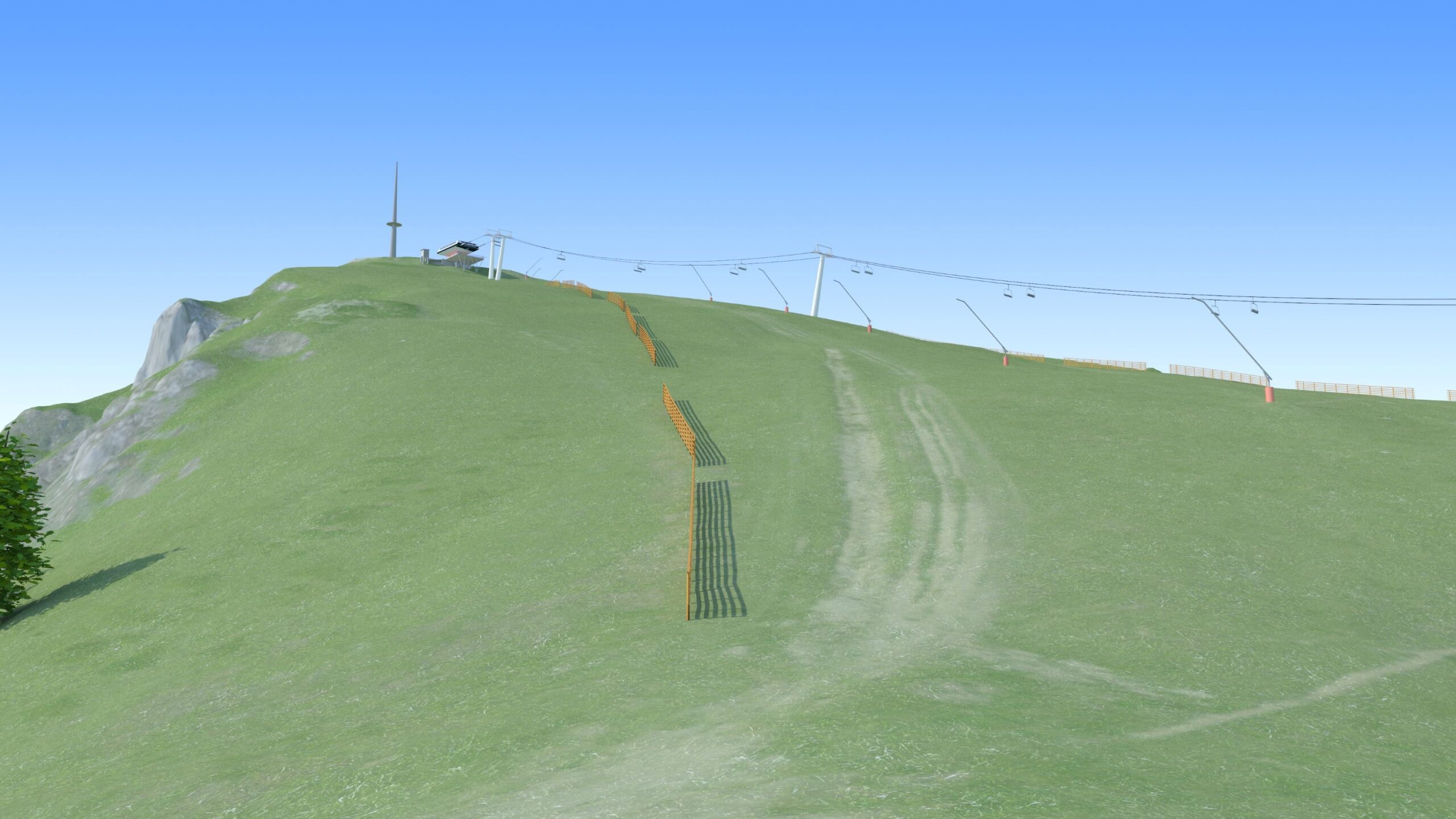
Simulation of solar modules
The project is still in its early stages. TVGD has obtained building permits for all the snow fences and already completed an initial section in 2024.
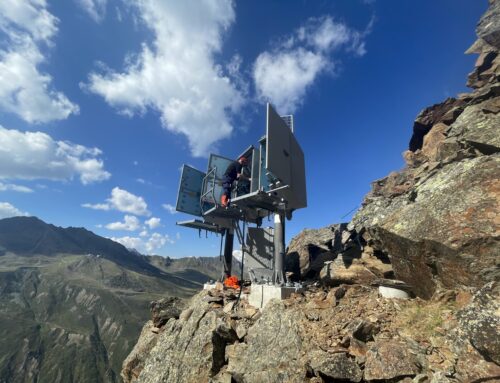
But the cable car company is going even further. After installing the first fences, tests were carried out using black-painted wooden panels to simulate solar modules. The idea is to equip the snow fences with photovoltaic panels.
These tests were necessary because the standard fences consist of vertical metal posts and horizontal larch wood slats, allowing air to circulate between them. It was therefore essential to check whether adding modules would alter airflow patterns.
The simulations showed that this is not the case. The company has therefore submitted a construction application to install solar panels in the future.
According to the technical and economic report by Lightning MultiCom SA prepared for the installation, the system will produce around 230,000 kWh per year, which corresponds to 80 percent of the annual electricity consumption of the Roc d’Orsay cable car.