
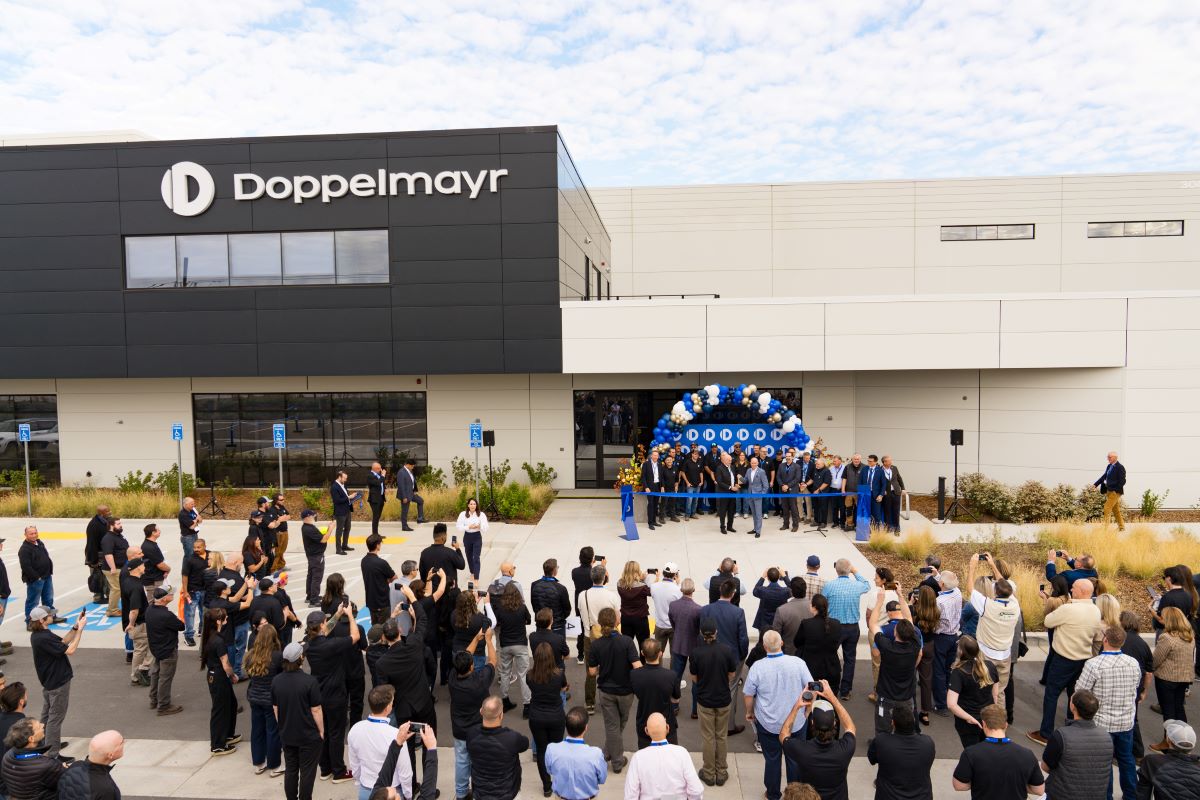
New Doppelmayr facilities in USA and Canada
With the opening of expanded facilities in Salt Lake City, Utah (USA), and Saint-Jérôme, Quebec (CAN), the Doppelmayr Group is strengthening its manufacturing, engineering, training, and service capabilities in North America. The two investments create additional capacity for continued growth and underscore the Group’s long-term commitment to its customers, employees, and partners across the region.

NSAA President Steps Down
"After two incredibly rewarding years, I have made the very difficult decision to step aside as President and CEO of the National Ski Areas Association (NSAA), effective November 10, 2026" This was announced by Mike Reitzell, President and CEO of the National Ski Areas Association (NSAA). Why does he no longer want to lead the association of North American ski areas?
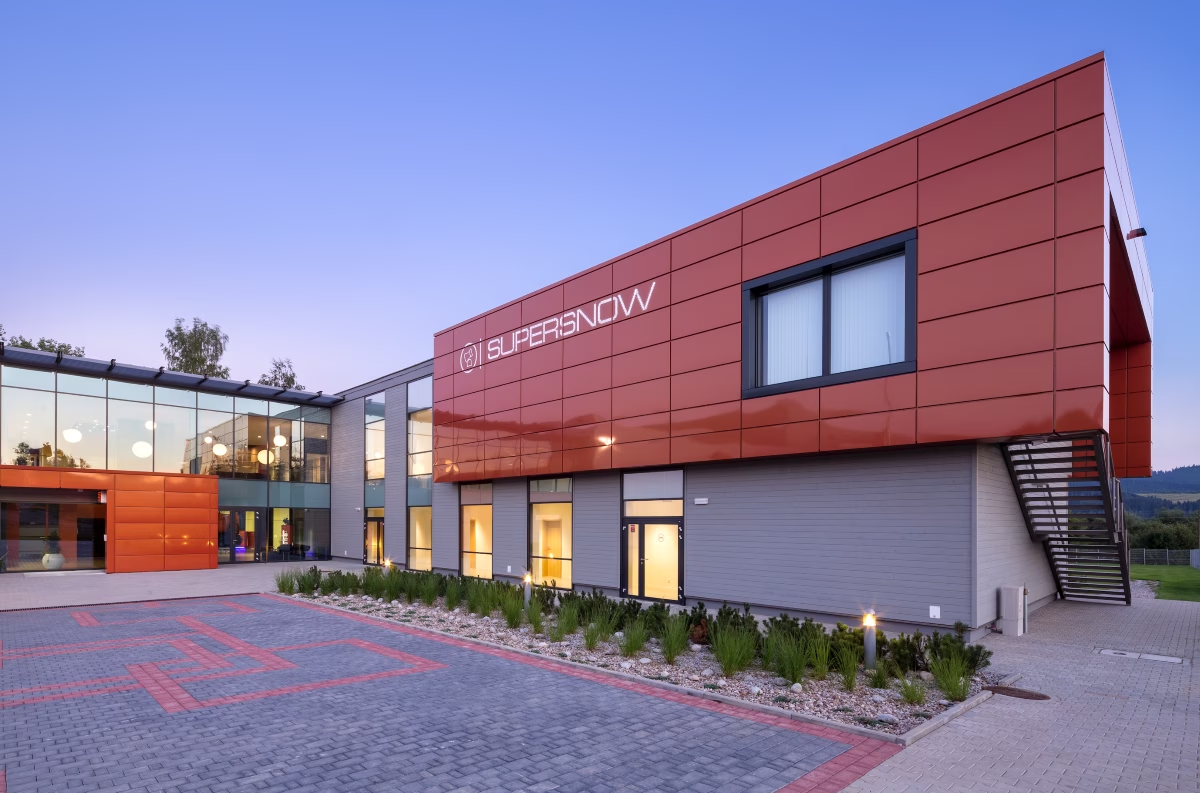
HTI Acquires Supersnow
The HTI Group is acquiring 100 percent of Polish snowmaking specialist Supersnow. With this strategic acquisition, the technology group is not only expanding its portfolio in technical snowmaking, but also securing an even stronger position in the emerging winter sports markets of Eastern Europe and Asia. The details:
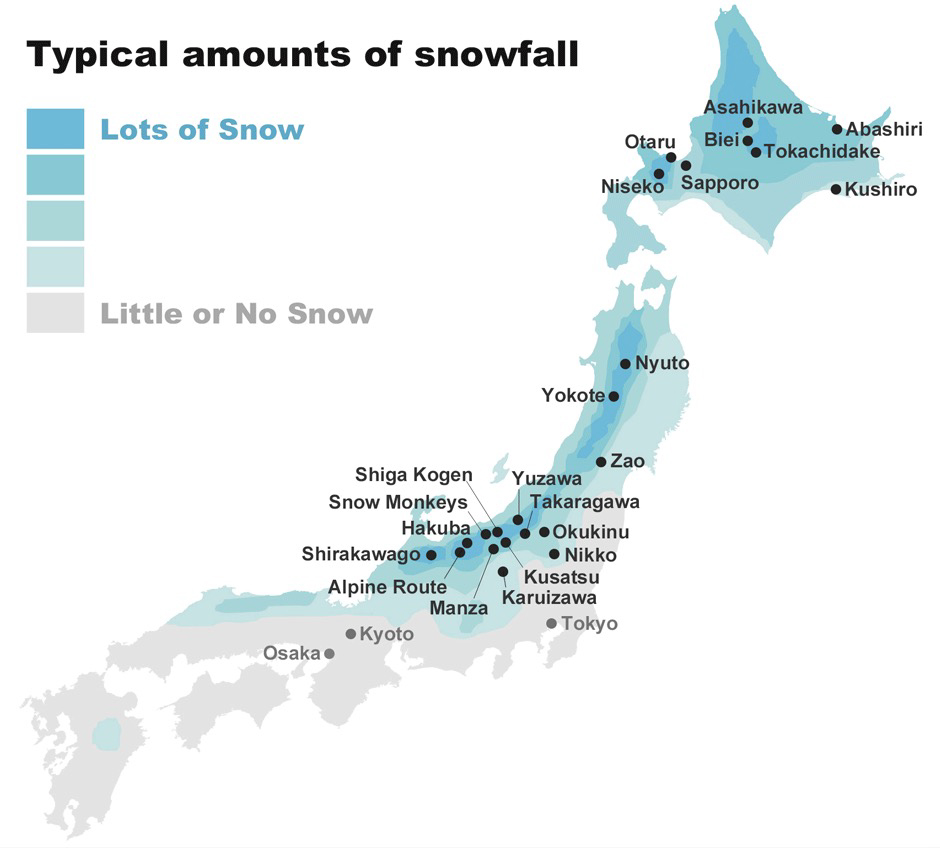
No Japow: Is Japan losing its powder snow?
A Japanese study dramatically highlights the impact of climate change on winter sports: If global average temperatures rise by four degrees Celsius above pre-industrial levels, only seven out of 349 ski resorts in Japan are expected to operate entirely on natural snow. According to researchers, merely 26 additional resorts would still be able to open at least parts of their slopes.
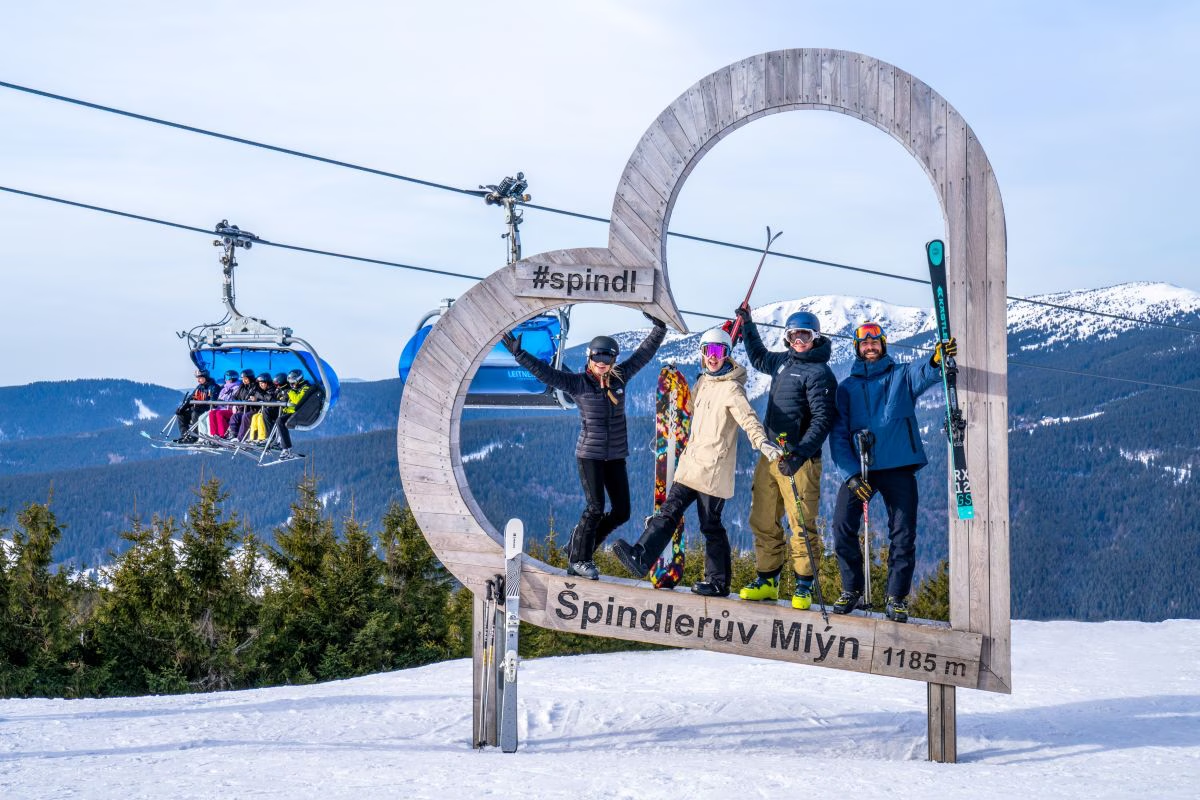
Czech Republic: Ski resort upgrades
New cable car, new slopes, new identity: The Czech ski resort of Špindlerův Mlýn is connecting its Medvědín and Svatý Petr areas directly for the first time. Initially, the new link will only be accessible in one direction – the full bidirectional connection will follow in 2027. Additional innovations are also being introduced.
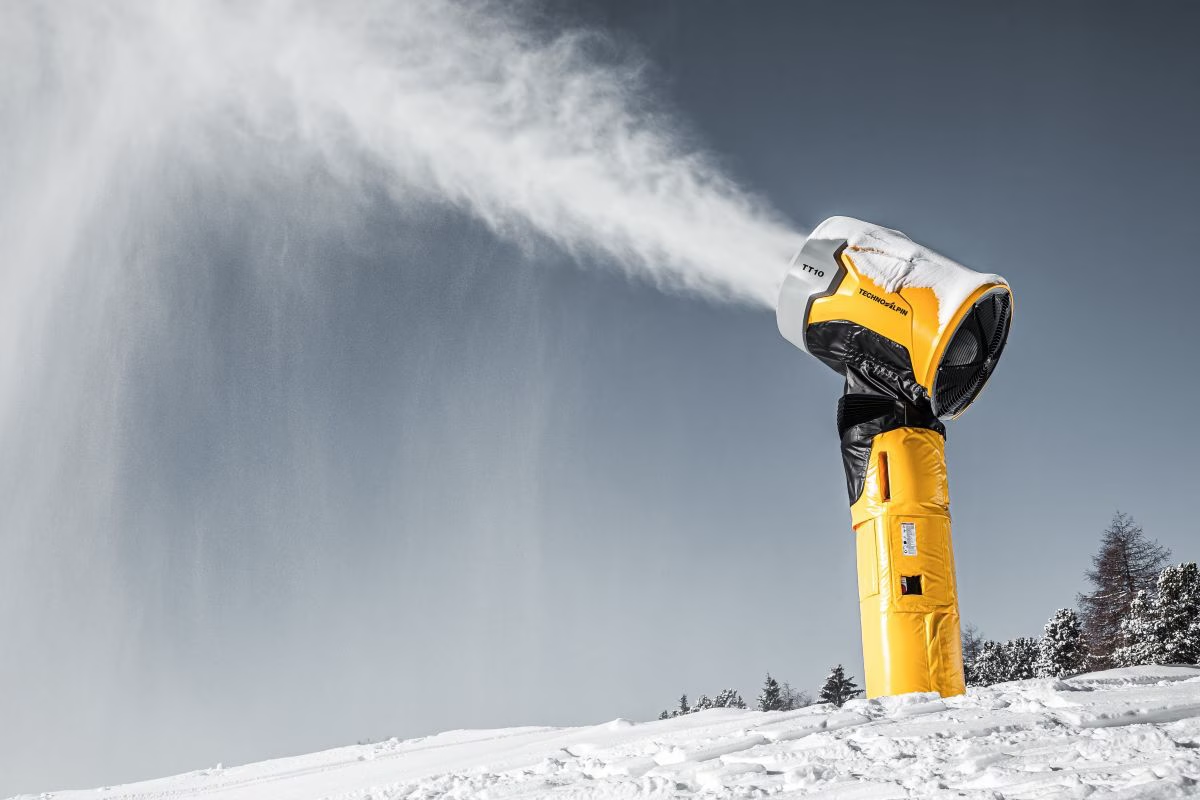
When do snowmakers actually run?
For the first time, TechnoAlpin evaluated anonymized operational data from 13,129 snowmakers across 112 Austrian ski resorts. The result: during the 2025/26 winter season, the systems were in operation for an average of 169 hours. Forty percent of the total snow produced was generated in just six days during November – the brief window in which the base snow layer for the season was established.