Digitalisation & Innovation, Management & Tourism
AI vs. Humans: How Autonomous Cable Cars Win Trust
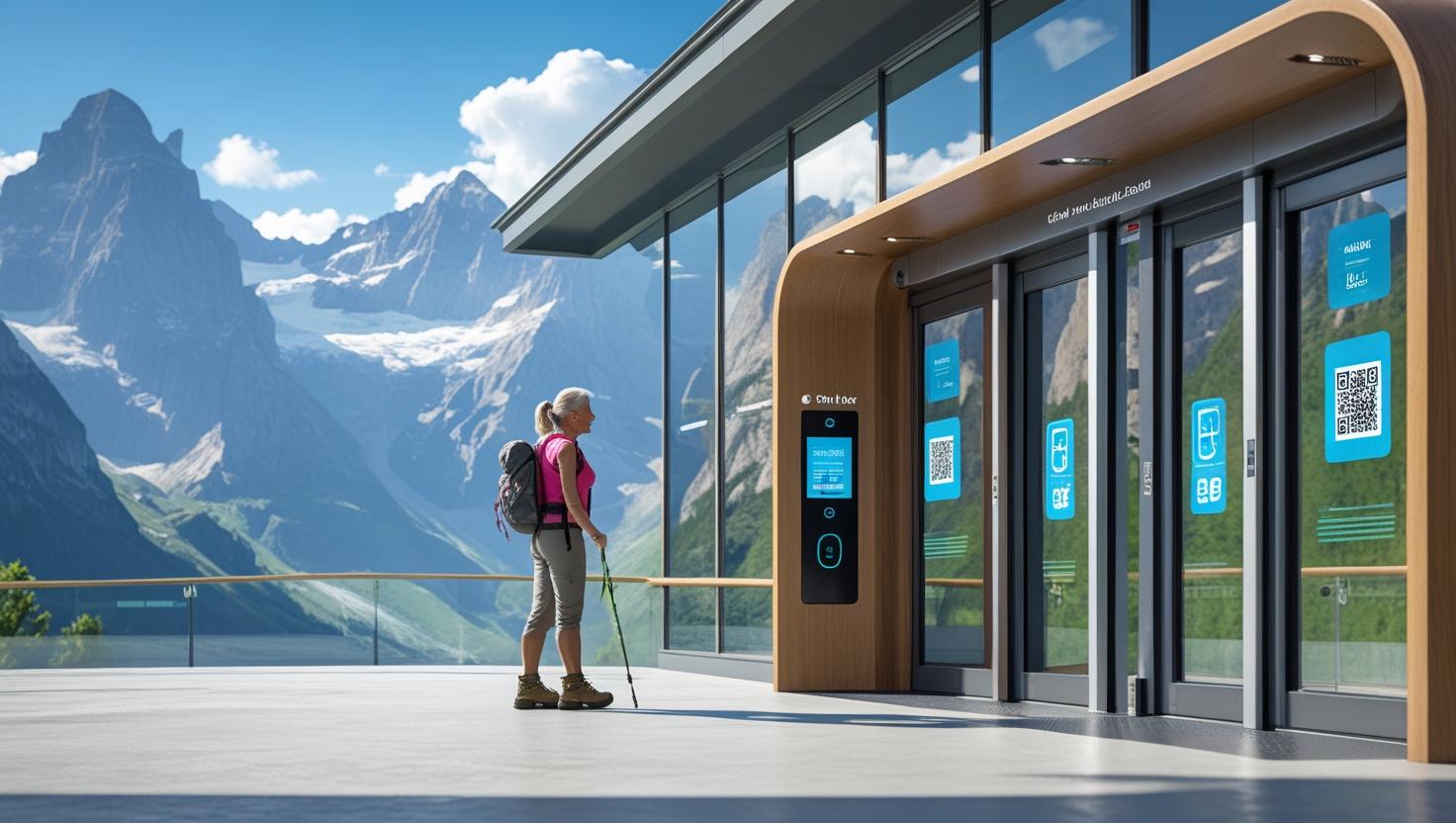
A sunny July day at the valley station of the new panoramic lift. A fit elderly hiker stands in front of the automatic doors. No staff in sight, just a soft beep, QR codes, and touchscreens. She hesitates. Who can she ask if she needs help?
A few hours later, a young man experiences the opposite: At an old funicular, he misses the technology – no displays, no sensors, just manual operation, making it prone to error. He, too, feels uneasy. Two generations, two perspectives – yet the same need: reliability and trust.
Authors:
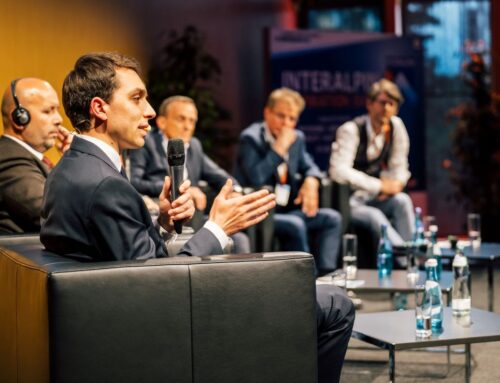
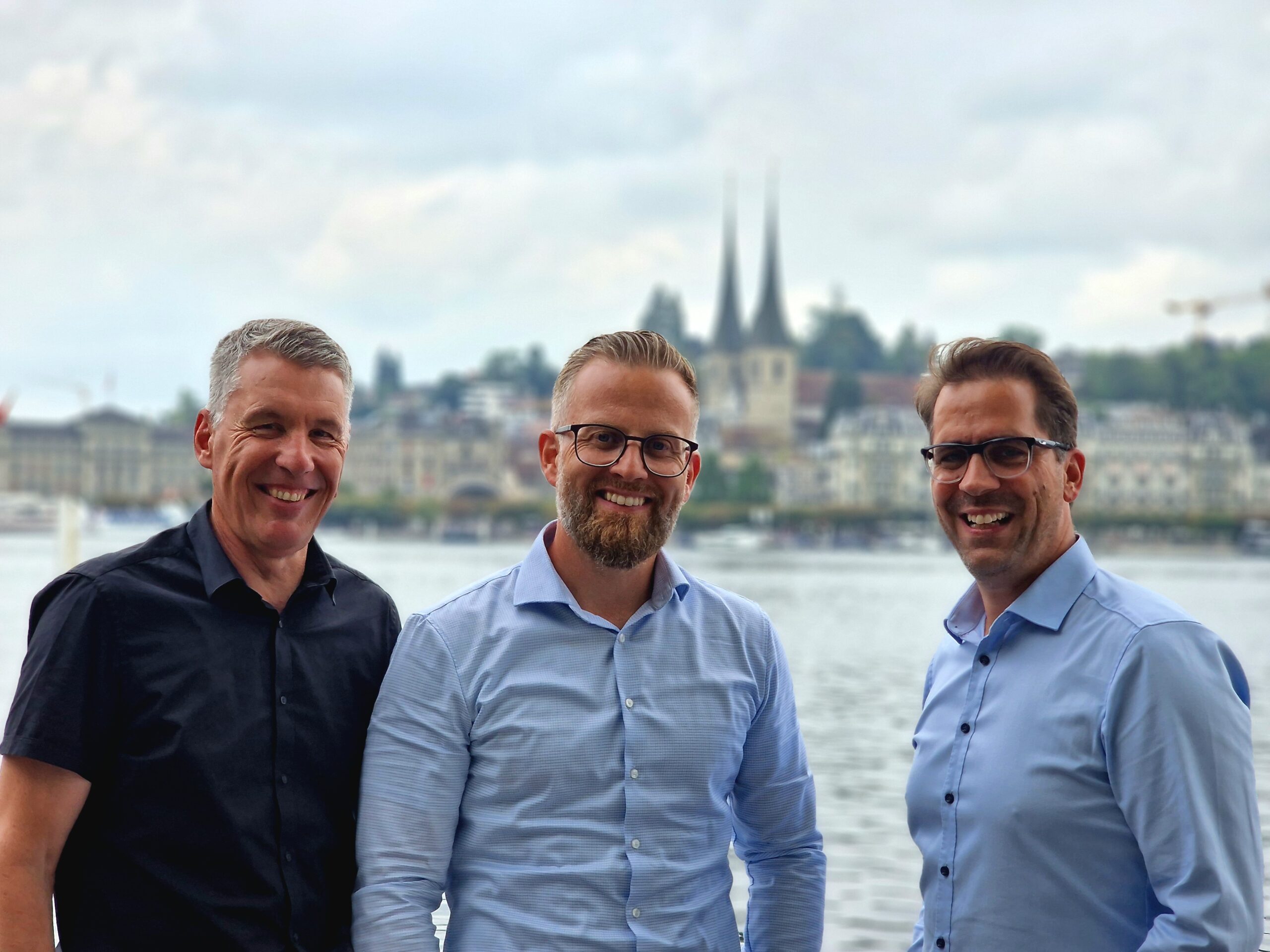
This specialist article was written by Adrian Bühlmann, Samuel Hecht, and Falko Küker (from left to right). They are participants in the Executive MBA program at the Lucerne School of Business (Switzerland).
Technology requires trust
New autonomous ropeways offer numerous advantages. Algorithms optimize schedules in real-time and reduce waiting times. Sensors monitor the technology around the clock. Potential faults are detected early, and emergency responses are triggered automatically.
The systems also score points ecologically: Energy is recuperated, empty runs are avoided – and the ride is quieter and more comfortable than ever. Yet, even the best technology is of little use if guests do not trust it and using it causes unease.
Older people fear operating errors or a lack of assistance in emergencies, while younger generations want visible control and interactivity. What helps? Transparent and modern communication — for example, through easy-to-understand explainer videos and visual signals.
Personal assistance by trained guest ambassadors at key locations is also vital, as is simple, intuitive operation with clear symbols and few buttons. Trust is built through positive experiences: technical tours, playful knowledge sharing, and personal tips all increase acceptance.
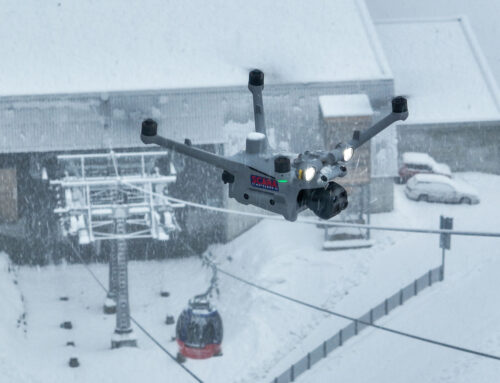
Autonomous ropeway systems
such as LeitPilot by LEITNER offer numerous advantages.
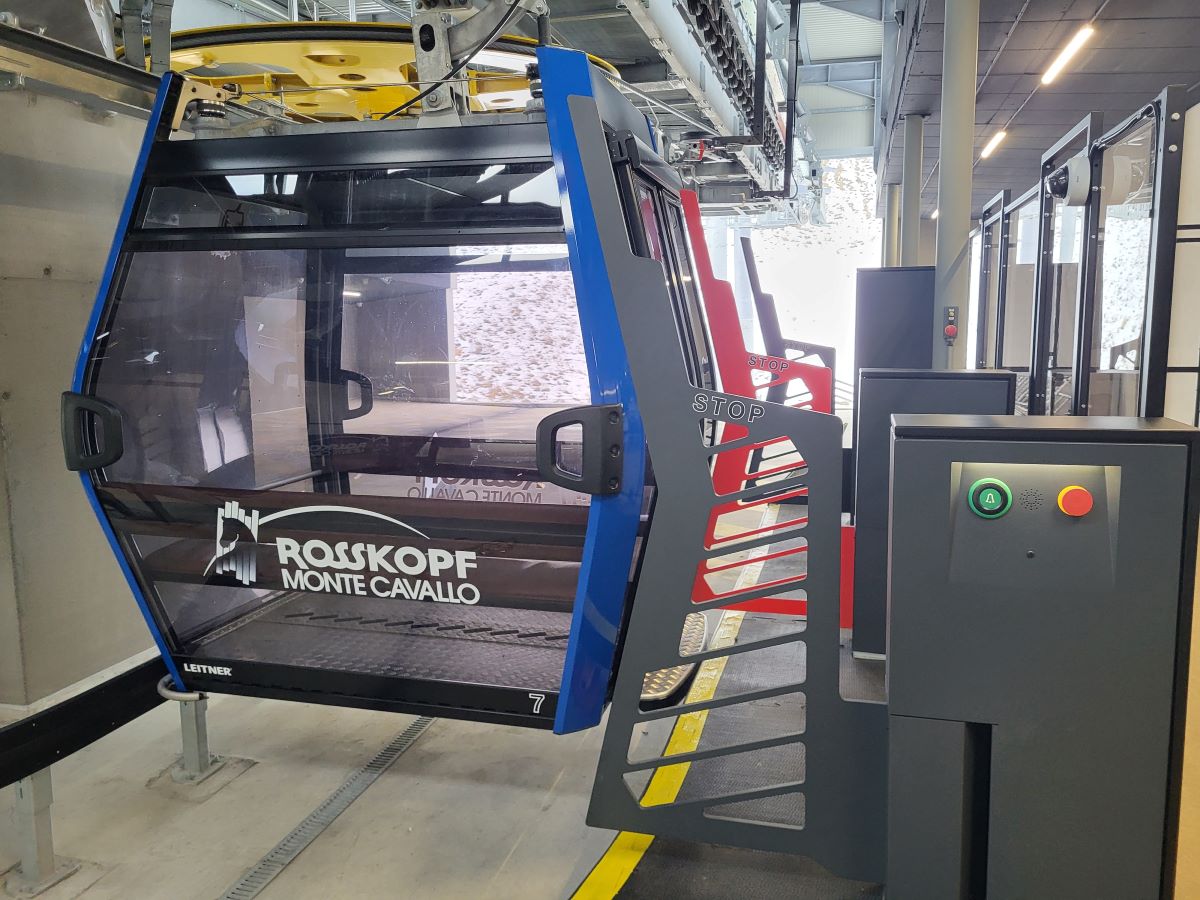
Don’t just plan technology — design the experience
Those who actively shape this transformation combine technology and guest orientation from the very beginning: When conceptualizing new facilities with autonomous operation, requirements from the guest’s perspective should be integrated alongside technical processes.
To date, customer touchpoints, guidance systems, and communication concepts have not been considered with the same level of attention during the planning and implementation of new installations.
The focus is often heavily placed on technical aspects such as transport capacity, wind stability, alignment, or environmental protection. In the future, the guest experience must be taken into account more strongly, and personal contact must be actively planned into the processes.
- Why not involve experts from the hospitality and tourism sectors early on — professionals who have experience with automated check-ins and guest needs?
- Or perhaps greet guests with a cool drink from a bar cart, so that the ride itself becomes an experience?
Even dealing with challenges like overtourism requires a nuanced approach when addressing locals versus tourists — a new way of interacting that can build trust. This new quality of contact can create further opportunities to address such issues effectively.
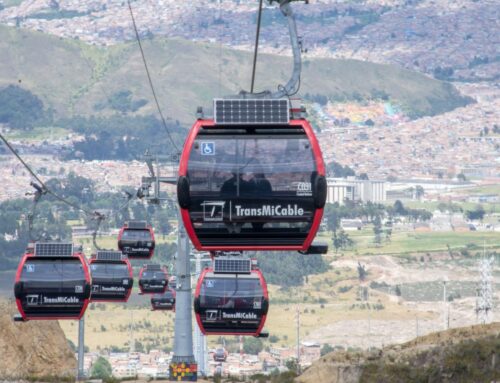
Autonomous ropeway systems
such as AURO by Mantis Ropeways Technologies appear to replace jobs at first glance. However, they simultaneously create new positions: shifting from a monitor to a host.
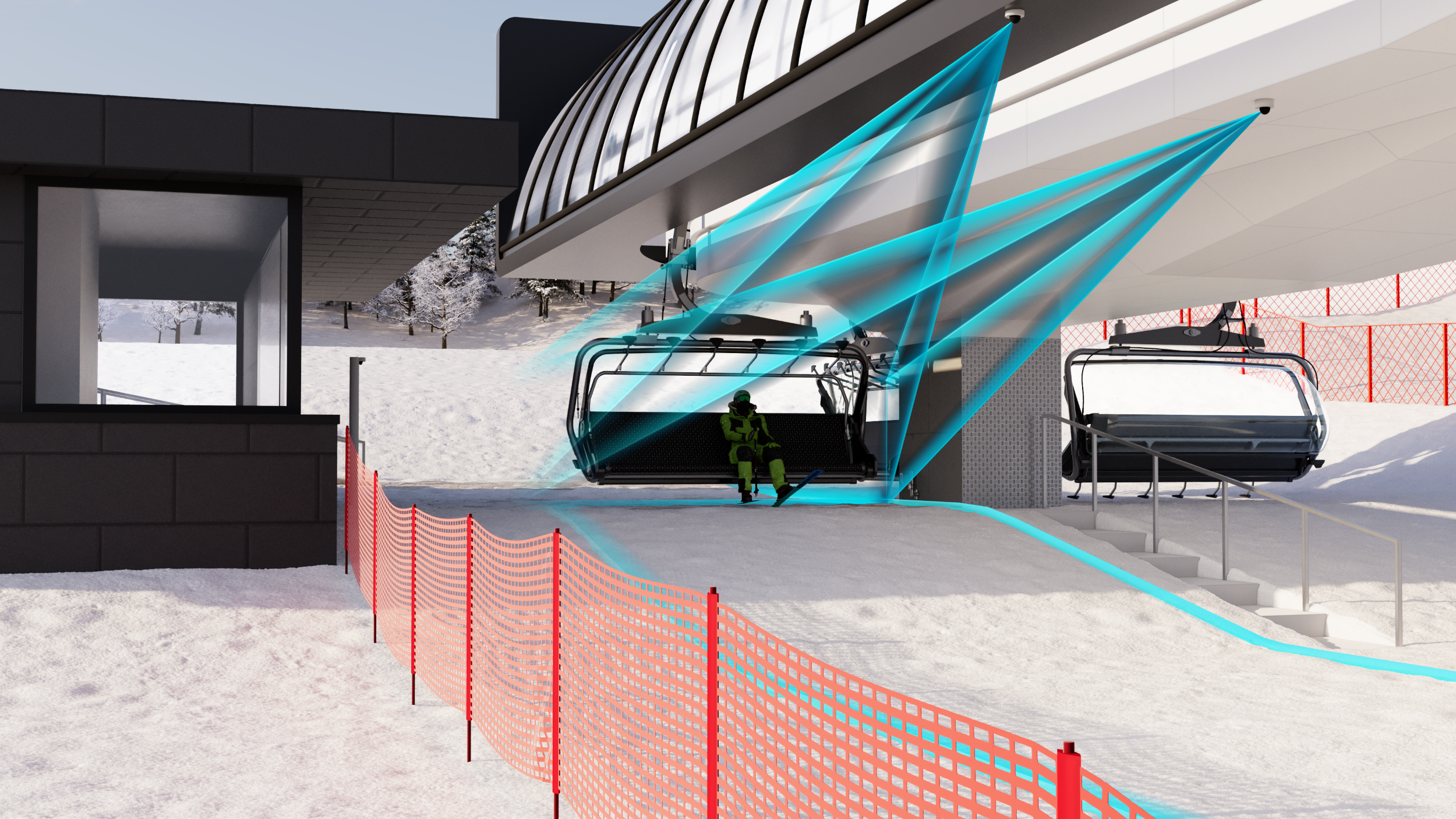
Deploying employees where they have the most impact
A central pool of trained ropeway mechatronics engineers, specialists, and technical managers ensures that the right personnel are always available at the right location — whether across different installations or across various operational sites.
In operations centers, the technical monitoring of all facilities is bundled and supplemented by rapid response teams that can react on short notice when needed. At the same time, this ensures that technical specialists can be deployed primarily for their core tasks rather than — or at least less often — for guest services.
Consequently, communication with guests can be reimagined and strengthened in the wake of increasing automation. By automating simple routine tasks and deploying technical specialists appropriately, employees gain more room for more diverse and interesting activities — particularly direct guest contact.
This allows for the targeted deployment of employees who enjoy interacting with people and possess strong communication skills. This requires a new employee profile: service- and experience-oriented, digitally savvy, and technically interested.
Scenario B:
The elderly woman enters the autonomous ropeway station, but is greeted and advised by a staff member.
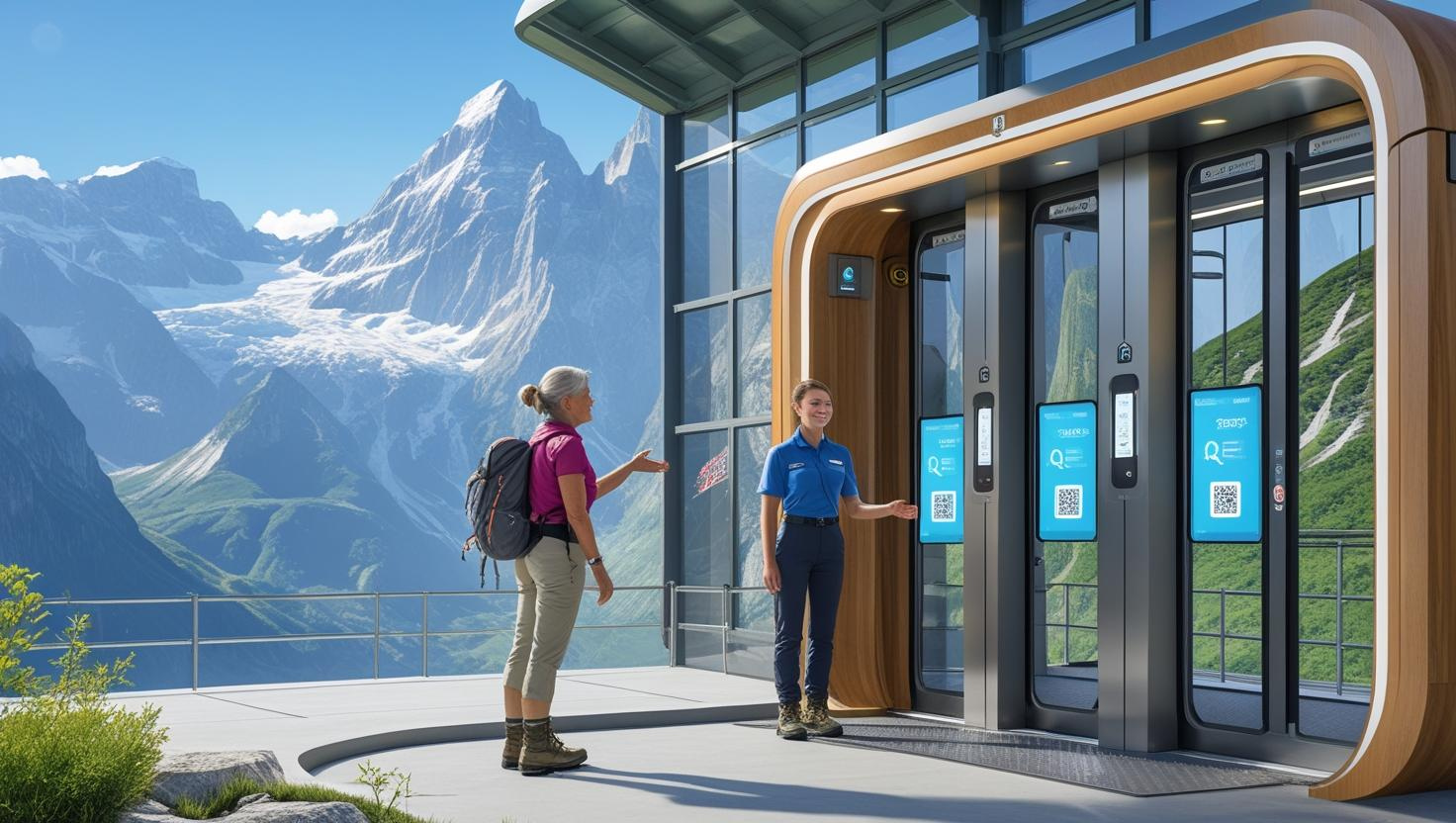
Welcomed, Guided, Inspired
A few weeks later, the fit elderly hiker enters the station again. This time, a friendly staff member greets her, explains the system, and offers tips for the day’s itinerary. The doors open — and she steps inside with a smile. Technology and humans work together, just as the young man expects in a modern world.
Not anonymous, but personal. Not complicated, but understandable. This is how trust is built — turning uncertainty into enthusiasm. Autonomous ropeways are more than just an efficiency project.
They offer the opportunity to reconnect technology and humanity. Those who build trust and consciously design the guest experience gain more than just efficiency and sustainability — they gain what truly counts in tourism: genuine enthusiasm.