Cities
Digital Nudging: How do you get people to be sustainably mobile?
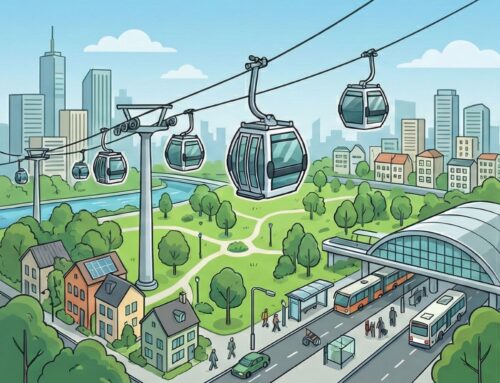
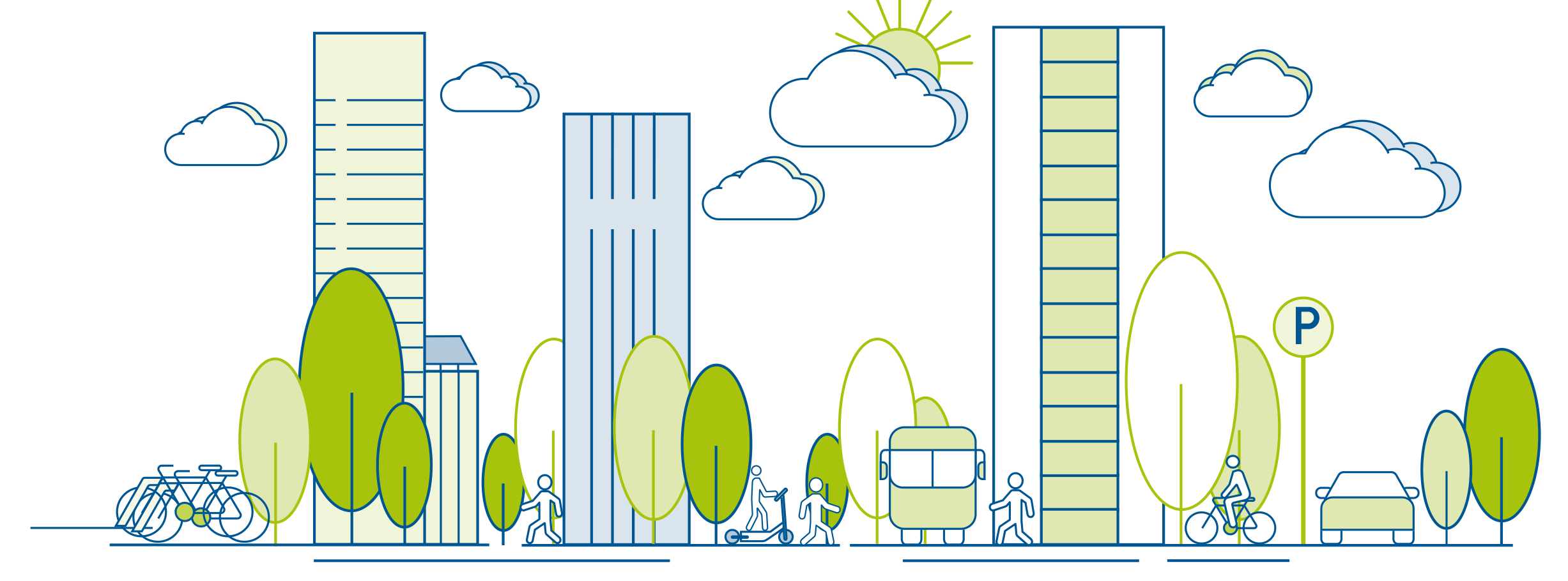
Local decision-makers in city administrations, transport planning, or public transport providers increasingly need and want to promote sustainable mobility – that is, walking, cycling, and using public transport (from buses to cable cars).
The aim is to reduce CO2 emissions, improve air quality, reduce noise, create an attractive environment for more physical activity, and thus make cities more livable.
Soft instead of hard interventions.
The usual approach taken by city administrations, namely the use of so-called “hard” interventions such as introducing new regulations, infrastructure, and bans, is not always possible, cannot be applied in every situation, and often requires additional support to ensure that citizens actually change their behavior.
So-called “soft measures”, meaning behavioral interventions that do not involve restrictions or bans, are therefore a useful complement to policy measures and to promoting the use of sustainable mobility infrastructure. Examples of such soft measures include gamification methods or social or monetary rewards as incentives

Michael Thelen,
Innovation & Value Creation bei Salzburg Research
Actively involving and motivating citizens to change their mobility habits fosters a sustainable mobility culture and ensures that new infrastructures are successfully adopted.
“A certain level of infrastructure must be in place so that people can use it. But it is also very important to understand and foster people’s personal abilities and motivations,” says innovation researcher Michael Thelen from Salzburg Research and co-author of the handbook “Digital Nudging for Sustainable Mobility”, a result of the research project Dynamic Mobility Nudge (DyMoN).
How do people behave?
Why do people routinely drive cars even though they could easily walk, cycle, or use public transport?
“Together with our environment and its contextual characteristics, our behavior is often shaped by habits and routines – even the most irrational ones!” says Thelen. He refers to the COM-B model. “C” stands for capability, “O” for opportunity, “M” for motivation, and finally “B” for behaviour.
In short, the model explains that a particular behavior occurs when a person has the capability and the opportunity to perform it and is more motivated to do so than to choose an alternative behavior.
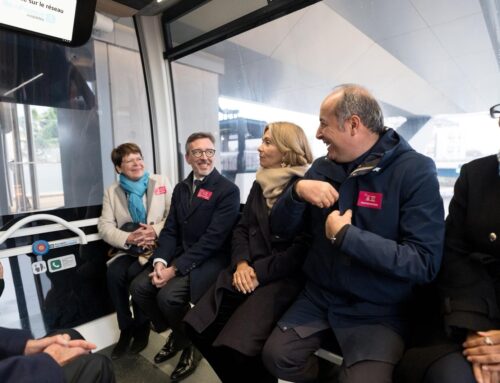
Passenger perspective:
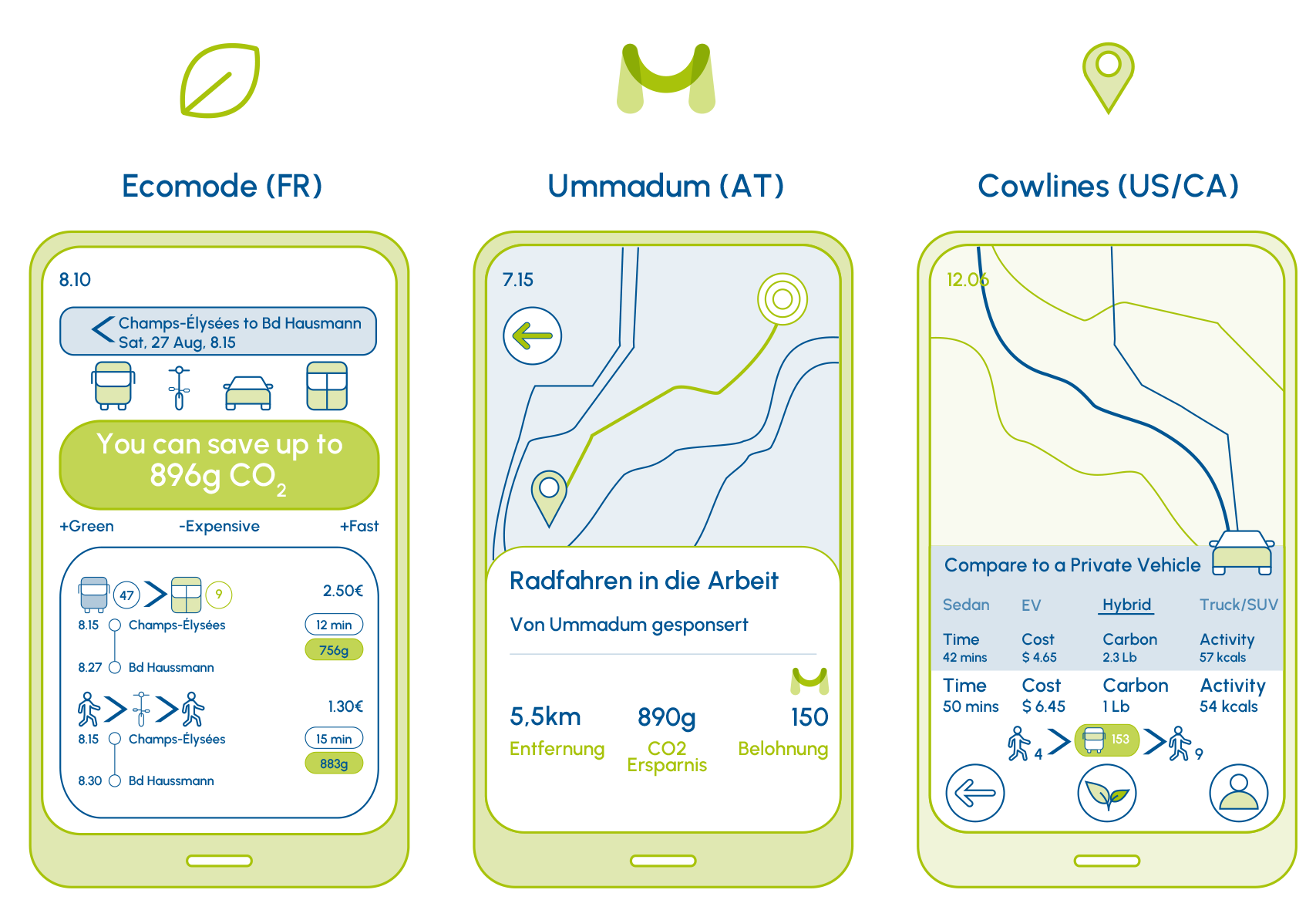
Information in mobility apps is intended to encourage people to leave the car behind.
How can behavior be changed?
Behavioral interventions are therefore used to steer behavior in a certain direction. Nudging does not restrict a person’s freedom of choice and does not rely on threats or severe economic consequences.
Instead, nudging aims to change the way decision options are presented in the environment in which we make decisions (the so-called choice architecture) – usually through rewording, providing new information, or social feedback.
- Example “Capability”: making bus timetables easier to understand
- Example “Opportunity”: free tickets or cycling infrastructure (parking facilities)
- Example “Motivation”: vouchers or cycling and walking campaigns
Operator perspective:
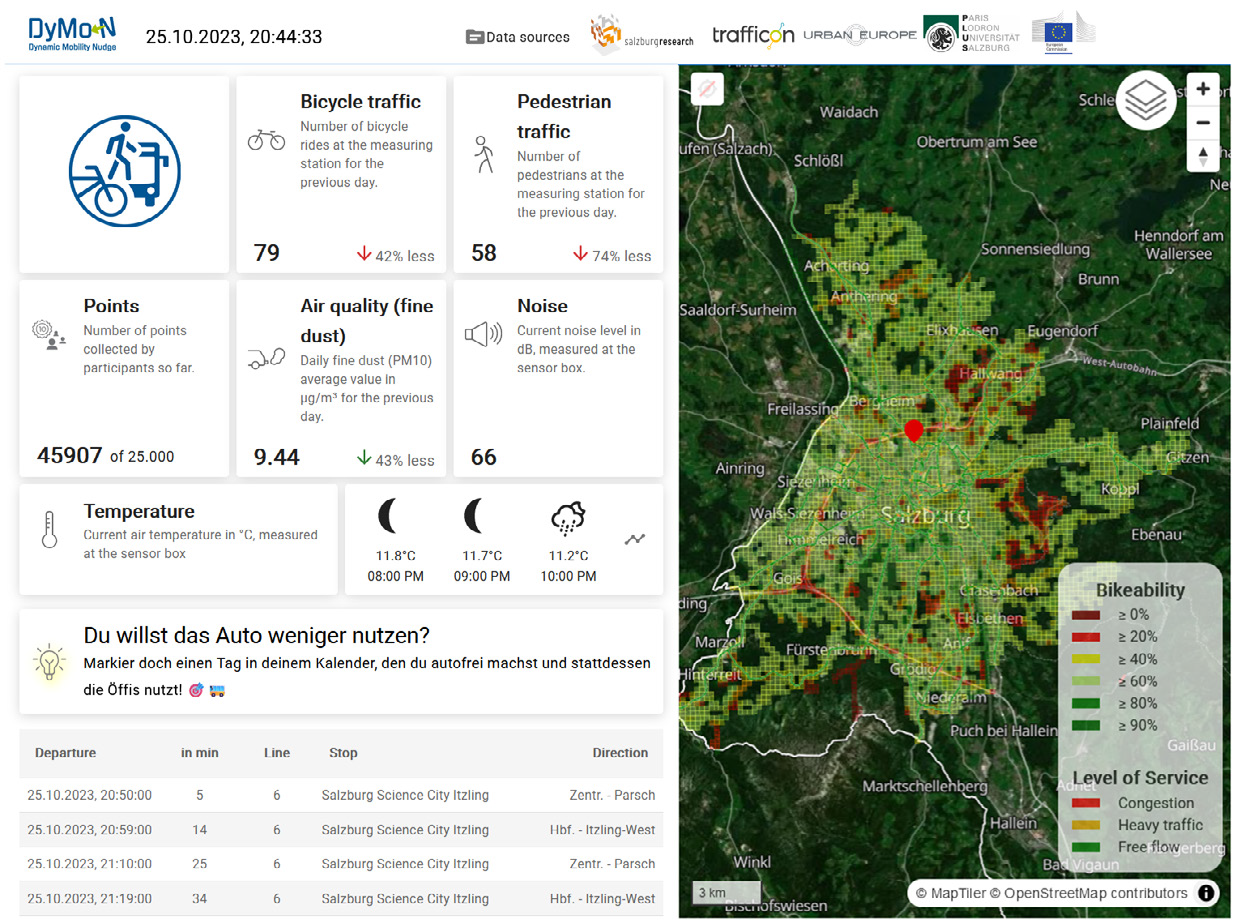
The dashboard can be used to analyze which nudges are working.
What does digital nudging look like?
The use of digital tools to influence behavior in the physical environment is particularly well known from the fitness and sports sector (e.g. smartwatches).
In mobility apps, such data can include information about the person (e.g. gender), the current situation (e.g. location), or past behavior (e.g. mobility preferences).
“This is also the interdisciplinary approach we pursue: bringing together psychology, mobility behavior, and geodata-based information to understand the situational factors needed to design context-aware digital nudges,” says Thelen.
Digital nudges also aim to remove barriers that prevent people from adopting certain behaviors – for example by providing reminders or new information.
Handbook
This handbook is primarily aimed at local decision-makers (e.g. city administrations, urban planning departments) and providers of transport infrastructure and services who are interested in increasing sustainable mobility in their community and who are conducting or planning motivational campaigns to this end. The free handbook “Digital Nudging for Sustainable Mobility” is available for download.