Cities, SI urban 2/2025, Tourism
Granada: Sulayr-Project – a cable car from the spanish city to the mountains
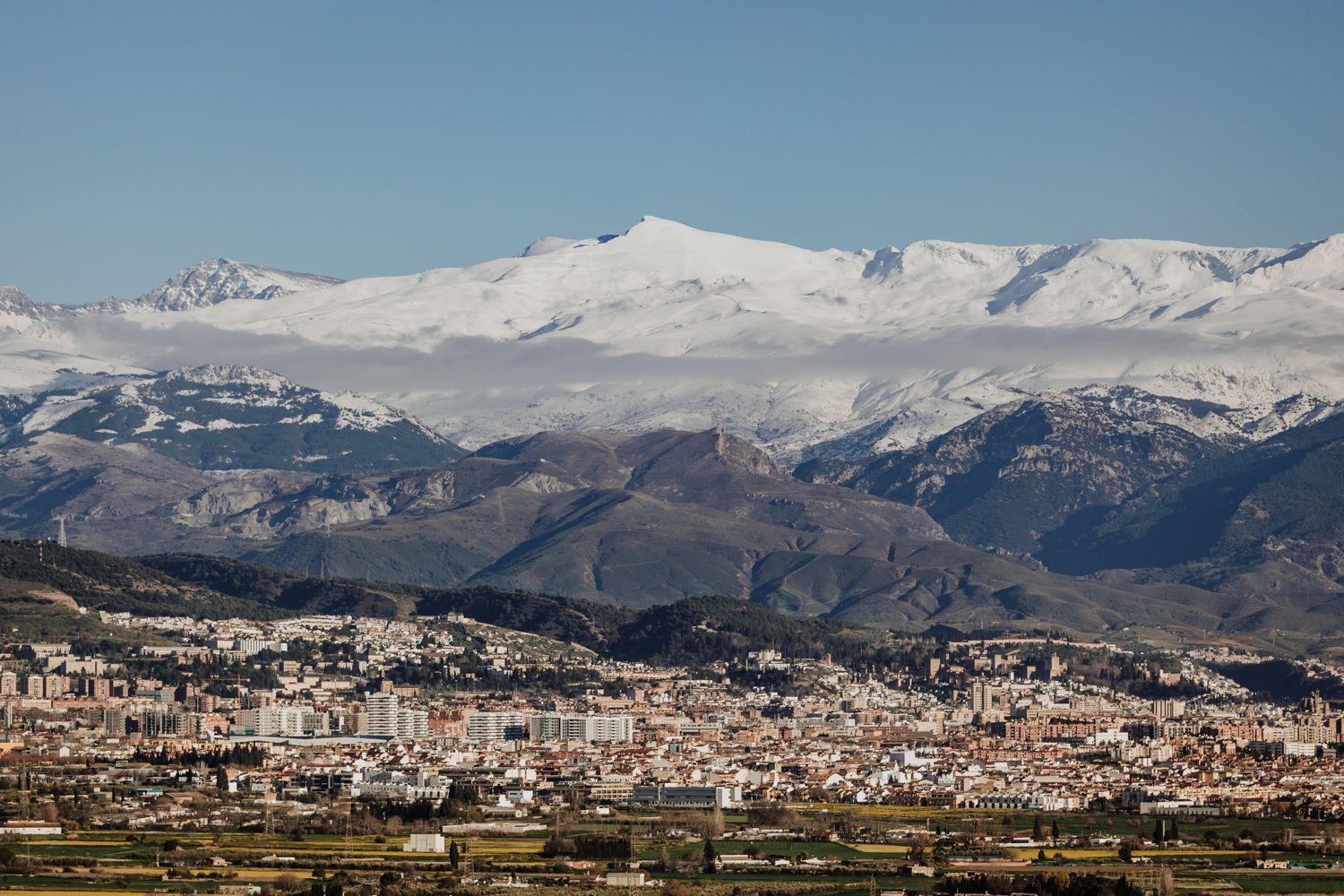
The Sierra Nevada mountains in Spain are a sought-after destination year-round for both tourists and local residents of Granada. Visitor numbers continue to rise: in 2024, there were 800,000 skiers and 330,000 other visitors.
The access roads are heavily used, with up to 221,400 vehicles per month, or 7,100 per day, on the A-395 road during peak periods. Traffic congestion, noise, and exhaust emissions are the result.
In the Sierra Nevada, littering along the road, parking shortages, and other negative experiences for visitors are common. At the same time, political and societal pressure is increasing for more sustainable mobility, driven in part by EU initiatives to reduce greenhouse gas emissions by at least 55 percent by 2030 and 100 percent by 2050.
The regional strategy plan of the CETURSA ski area also aims to make tourism in the Sierra Nevada more environmentally sustainable.

Integrated mobility plan
For these reasons, work is underway on the integrated, sustainable mobility plan Sulayr, which aims to intelligently connect Granada and Pradollano through trains, metro, bicycles, e-scooters, a cable car, and electric buses.
Sulayr seeks to improve mobility through new transport corridors while enhancing environmental and living quality by reducing noise and air pollution.
The project also pursues cultural and tourism goals, such as reducing seasonal dependency, promoting year-round tourism, parts of the Sierra Nevada, and better connecting the region to Spain’s high-speed rail network.
A chain of transportation options
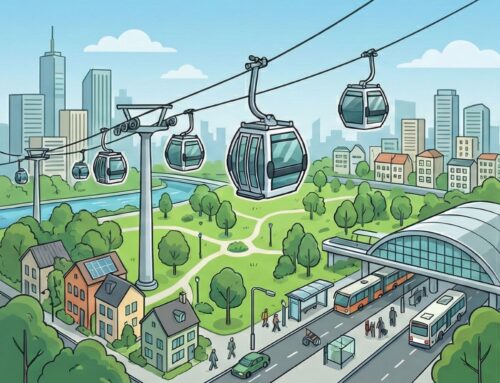
Including a cable car in the mobility plan reflects a multimodal concept for sustainable transport. Together with trains, metro, and e-buses, it creates an integrated public transport connection that makes access to the Sierra Nevada much more environmentally friendly.
The cable car in particular enables low-emission transport – quiet, efficient, and safe.
The plan envisions a TRI-Line – a combination of a three-cable system and the advantages of a monocable gondola.

Cable car extends metro service
Visitors arrive via the existing highspeed train to Granada and transfer to a 6.8-kilometer metro line. Its terminal station, “Cenes,” is designed as a multimodal hub, including a parking garage for 1,800 cars, bicycle and scooter parking, logistics for goods, and a shopping area.
Cenes is already where visitors form carpool groups to the Sierra Nevada, making it an ideal transfer station. From there, passengers switch to the cable car, which passes over three intermediate stations en route to Pradollano.
Three intermediate stops
The first stop, “Neveros,” will open a planned bike park and a paragliding launch area, attracting two key visitor groups. The station “Trevenque” facilitates access to the mid-mountain ranges of the Sierra Nevada, which, although scenic, are currently little visited.
The “Botanical Garden” station connects to the Hoya de Pedraza park, known for its diverse flora and fauna, offering spectacular panoramic views of the Sierra Nevada mountains.
The cable car is planned to extend the metro line by five stations.

Car-free Pradollano
Upon arrival in Pradollano, electric buses will cover the last mile, largely replacing private vehicles. The goal is a nearly car-free village with a large pedestrian zone. Road access will be limited to residents, hotel guests, and tourism staff.
Strong promotion of micro-mobility (e-bikes and e-scooters) will be a key element both in Pradollano and Granada. Similar projects already exist in Swiss towns such as Zermatt, Bettmeralp, and Stoos. Vehicle access would be controlled via automatic license plate scanning.
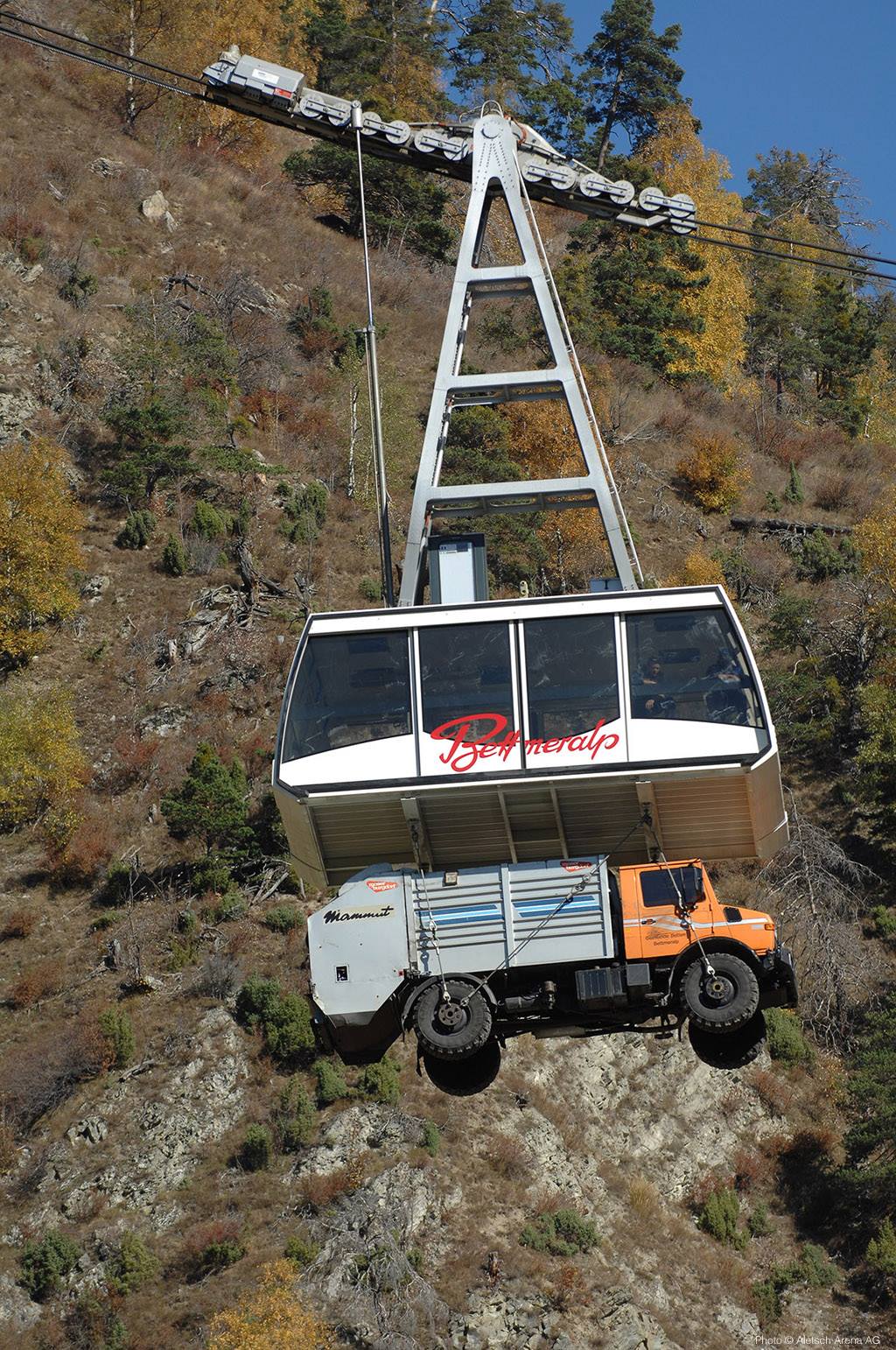
In the village of Bettmeralp (Switzerland), the cable car even transports the garbage collection.
Accessible and safe
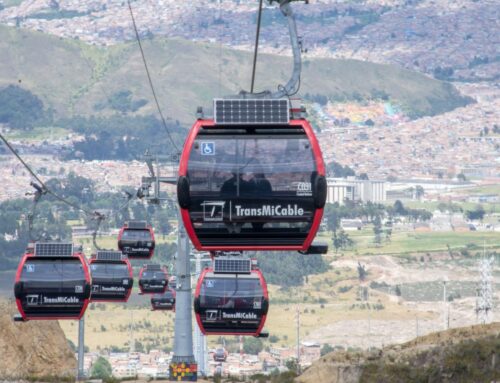
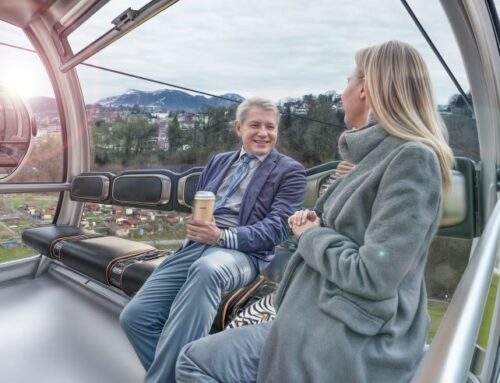
The cable car itself combines innovative technology with maximum operational safety – even in adverse weather. No traffic jams, waiting times, or exhaust emissions. Cable cars’ accessibility features make them ideal for families with young children, older people, and individuals with disabilities.
A capacity of 1,800 to 2,600 passengers per hour is realistic, depending on the number of cabins. A system for transporting goods is also planned. In other regions, such as Grindelwald in Switzerland, these have been successfully implemented.
A special feature allows efficient, automated transport of goods and equipment without affecting regular passenger service.
Funding
With an appropriate assessment and socio-economic benefit, the cable car could receive support from European funds. Additionally, the cable car would serve as a tourist attraction and could sustainably develop and energize the entire region.