

Cities
CITIES
Cable cars and cableways function as an efficient means of transport in an urban setting. Find out more on our blog!
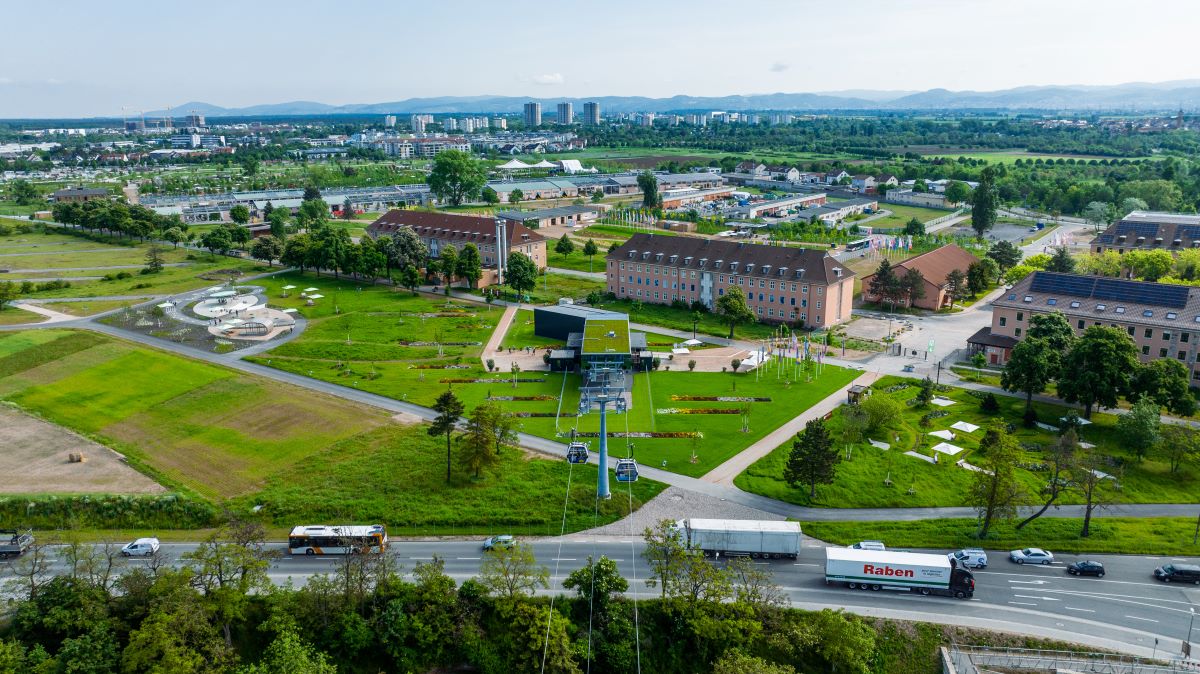
Urban Cable Cars on demand
Construction times under a year, low investment costs, and quick permit approvals along public land – urban ropeways can be rapidly erected, dismantled, and reinstalled up to three times. Ropeway planner Stephan Salzmann explains in an interview with SI Urban how temporary cable cars help develop cities cost-effectively.
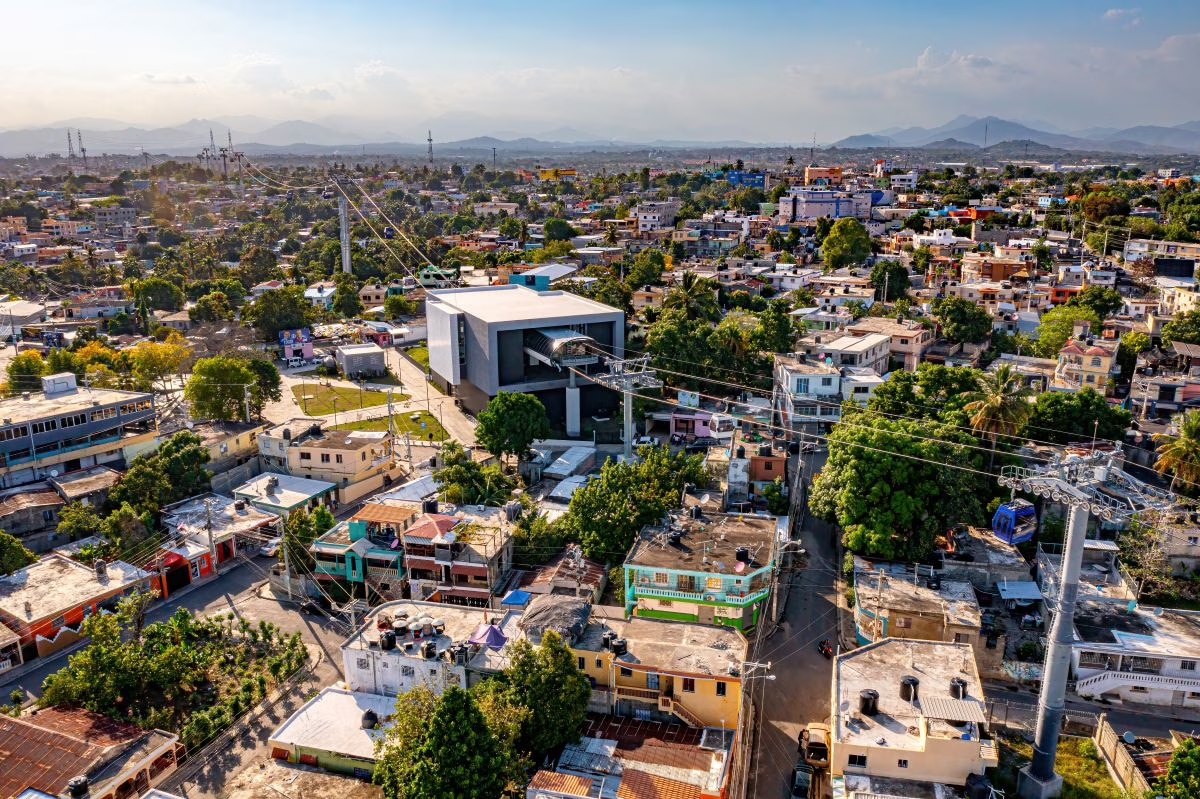
“Integration does not end with construction.“
David Albornoz, Director of POMA Dominican Republic, shares insights into the operation and urban integration of Santo Domingo’s ropeway systems – and how technology and maintenance ensure reliable and comfortable journeys, especially the solutions from the rope manufacturer FATZER.
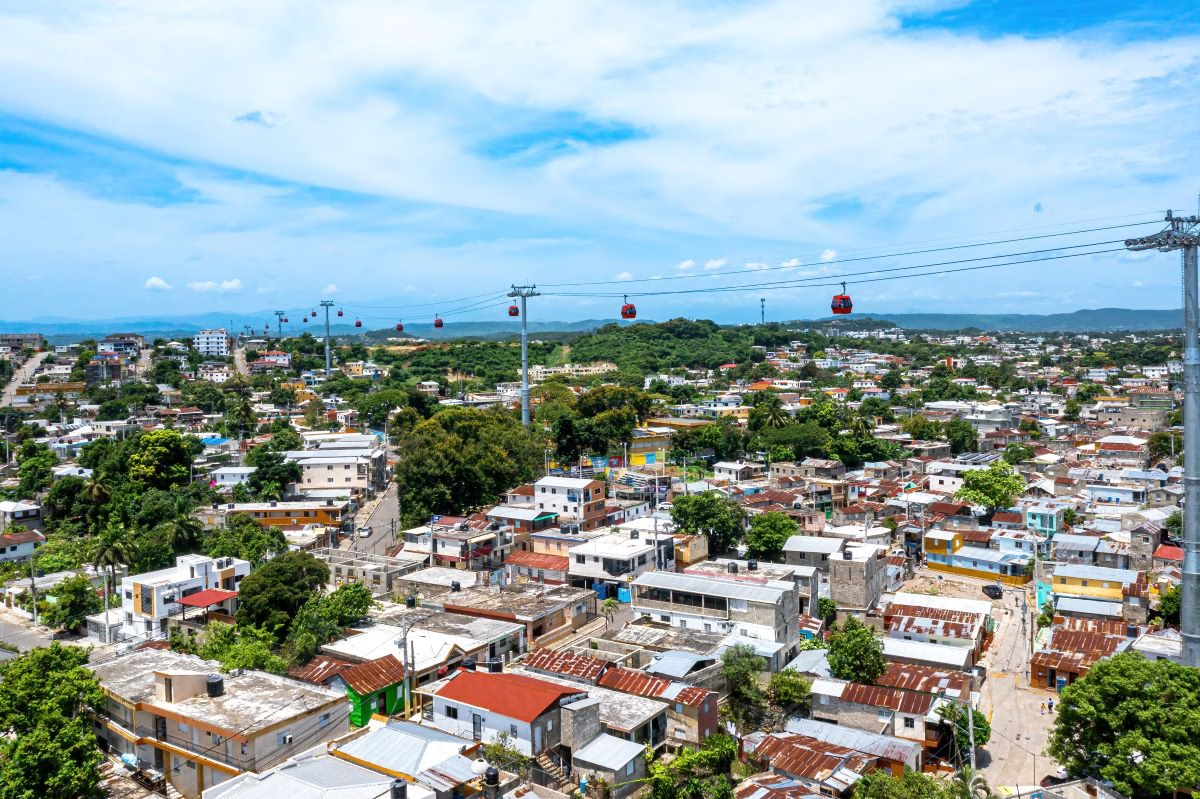
190 Years of Rope-Making Experience for Urban Cable Cars
Urban ropeways are among the most demanding applications in the industry. High availability and near-continuous operation place the highest demands on ropes and technical expertise. With 190 years of experience, FATZER provides rope solutions for installations that transport thousands of people every day.

No Japow: Is Japan losing its powder snow?
A Japanese study dramatically highlights the impact of climate change on winter sports: If global average temperatures rise by four degrees Celsius above pre-industrial levels, only seven out of 349 ski resorts in Japan are expected to operate entirely on natural snow. According to researchers, merely 26 additional resorts would still be able to open at least parts of their slopes.
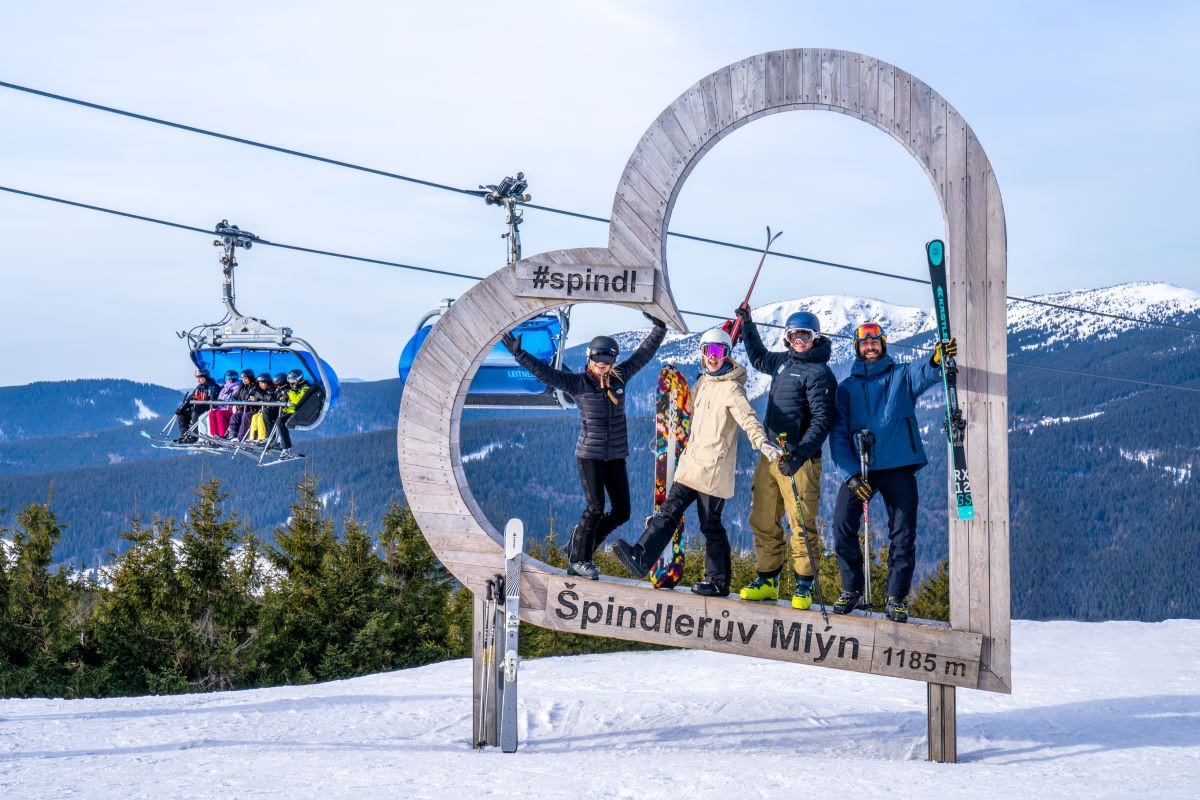
Czech Republic: Ski resort upgrades
New cable car, new slopes, new identity: The Czech ski resort of Špindlerův Mlýn is connecting its Medvědín and Svatý Petr areas directly for the first time. Initially, the new link will only be accessible in one direction – the full bidirectional connection will follow in 2027. Additional innovations are also being introduced.
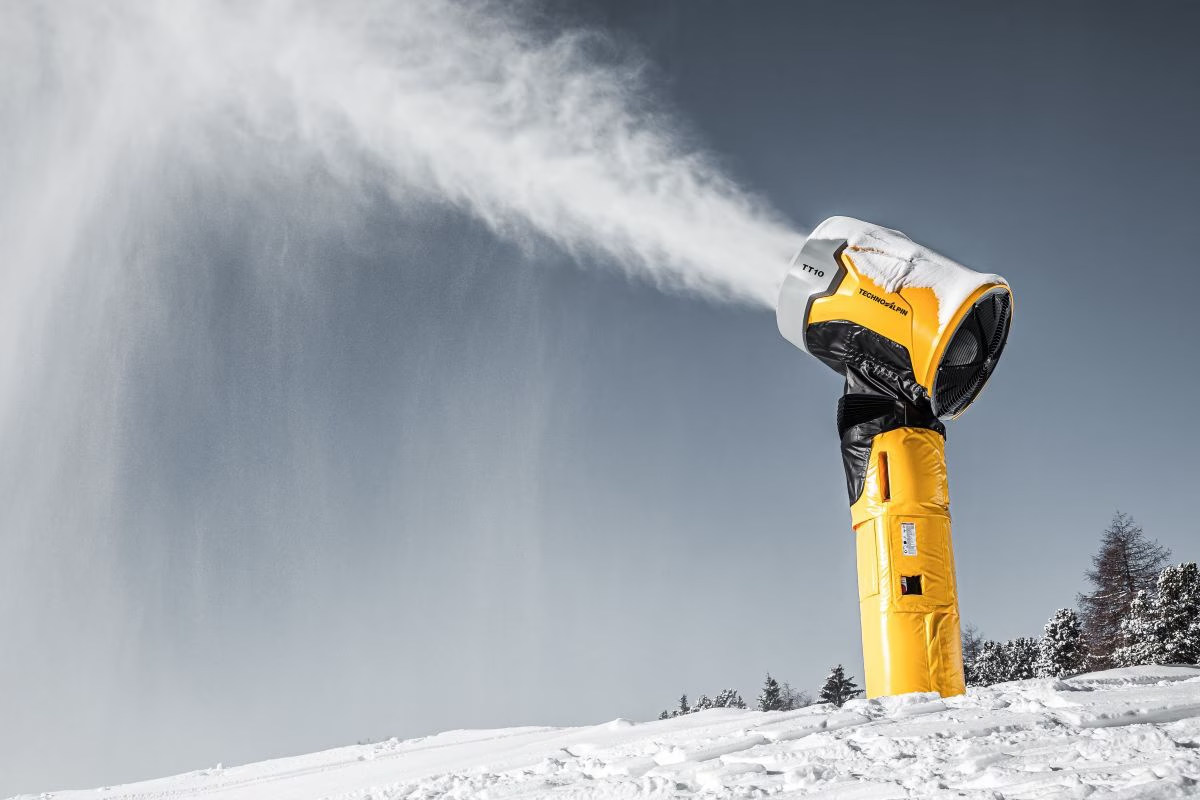
When do snowmakers actually run?
For the first time, TechnoAlpin evaluated anonymized operational data from 13,129 snowmakers across 112 Austrian ski resorts. The result: during the 2025/26 winter season, the systems were in operation for an average of 169 hours. Forty percent of the total snow produced was generated in just six days during November – the brief window in which the base snow layer for the season was established.
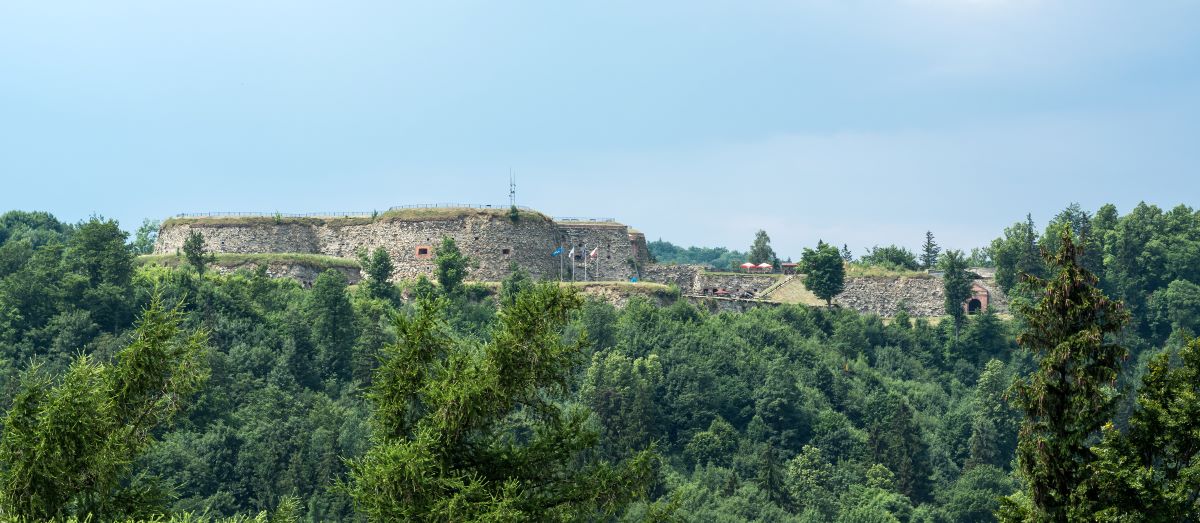
Poland: Funding sought for gondola lift to the fortress
In the Polish municipality of Stoszowice, a gondola lift more than 1.2 kilometres long is planned to make the challenging ascent to one of Europe’s largest mountain fortresses easier. While the concept is in place and fully supported by the municipality, an investor is now being sought to bring the project to fruition.
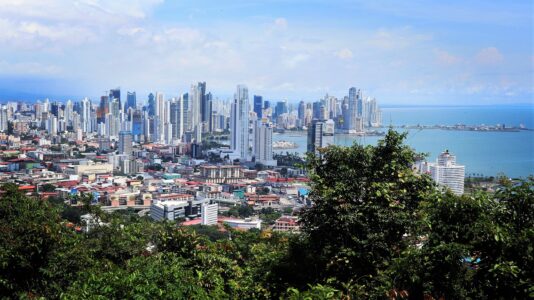
Panama: Cable Car Manufacturer for San Miguelito Project Selected
The cable car is to be connected to the existing public transport network, including a direct connection to Line 2 of the Panama Metro. The contract was awarded for US$255 million. What is known about the project?
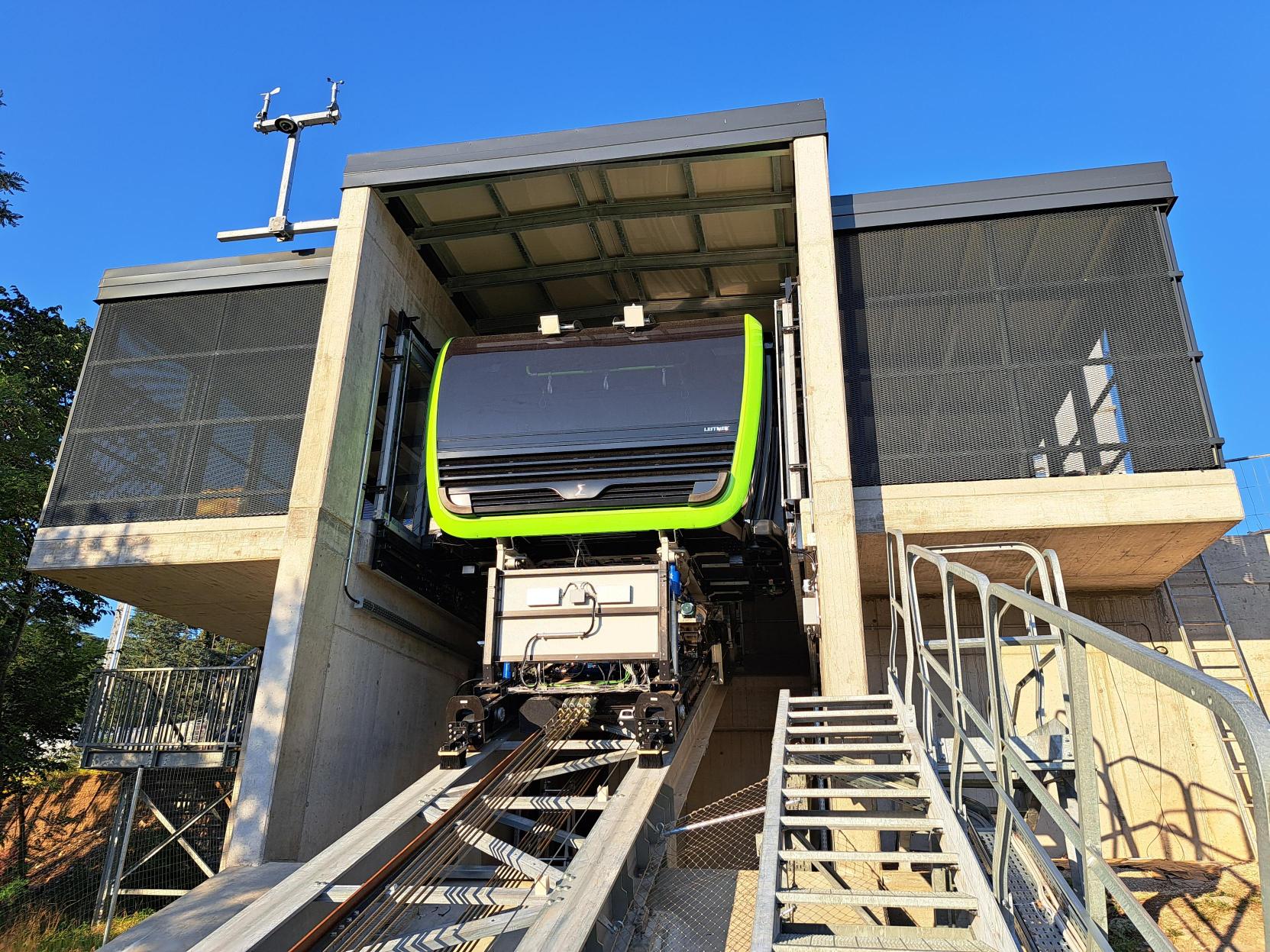
Italy: New inclined elevator to the university
The new inclined elevator between Trento and the Mesiano university campus in Italy is entering the final stage of the project. The glazed panoramic cabin is already positioned alongside the line, and the initial performance tests have been successfully carried out. When will the system go into operation, and what are its key technical features?
Experience the Urban Cable Car Virtually
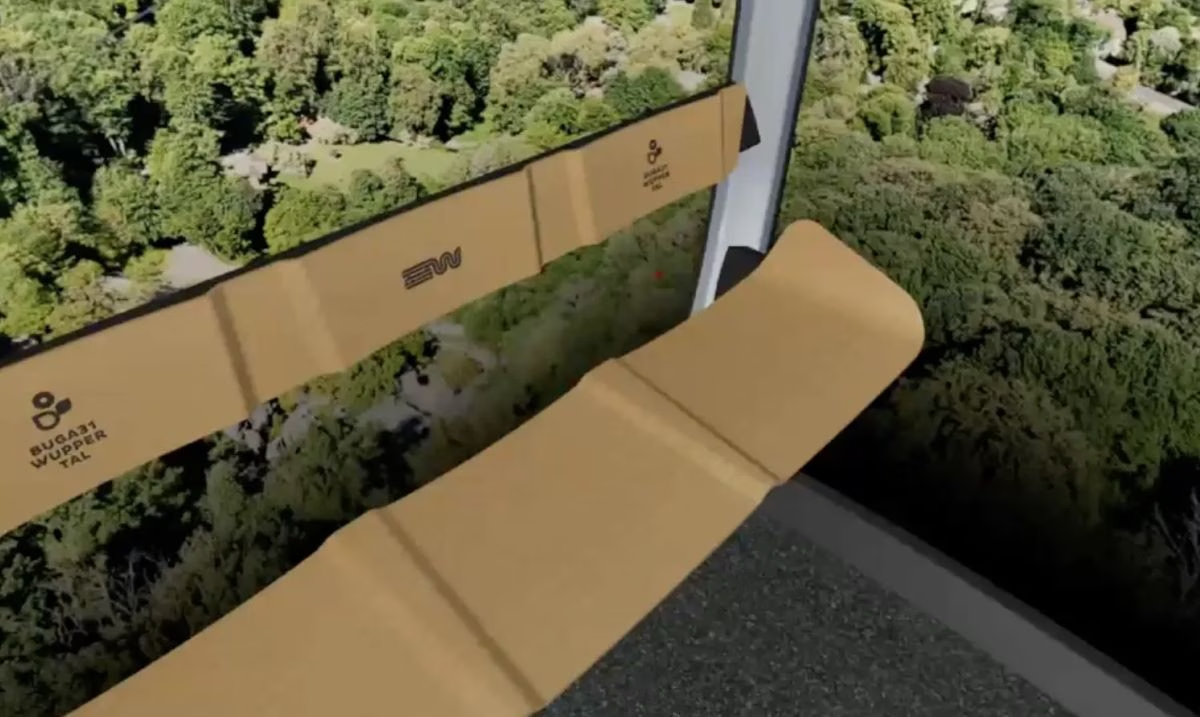
The planned cable car for the Federal Horticultural Show in Wuppertal (Germany) can now be experienced by the public through a VR headset simulation. At the same time, expert assessments and planning for the urban cable car system are continuing. Initial details about the system are now available to the public.
Petřín funicular in Prague modernized
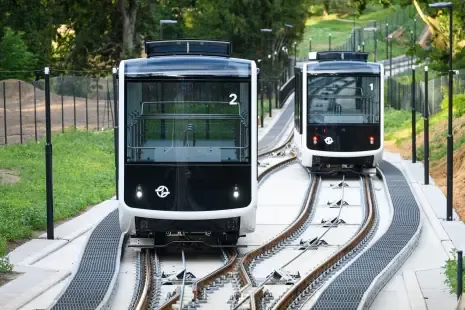
Since its opening in 1891, the Petřín funicular in the Czech capital of Prague has been modernized several times, and now the latest overhaul is complete as well. The main focus was on two new carriages from CWA – designed by designer Anna Marešová.
Lisbon wants a new funicular
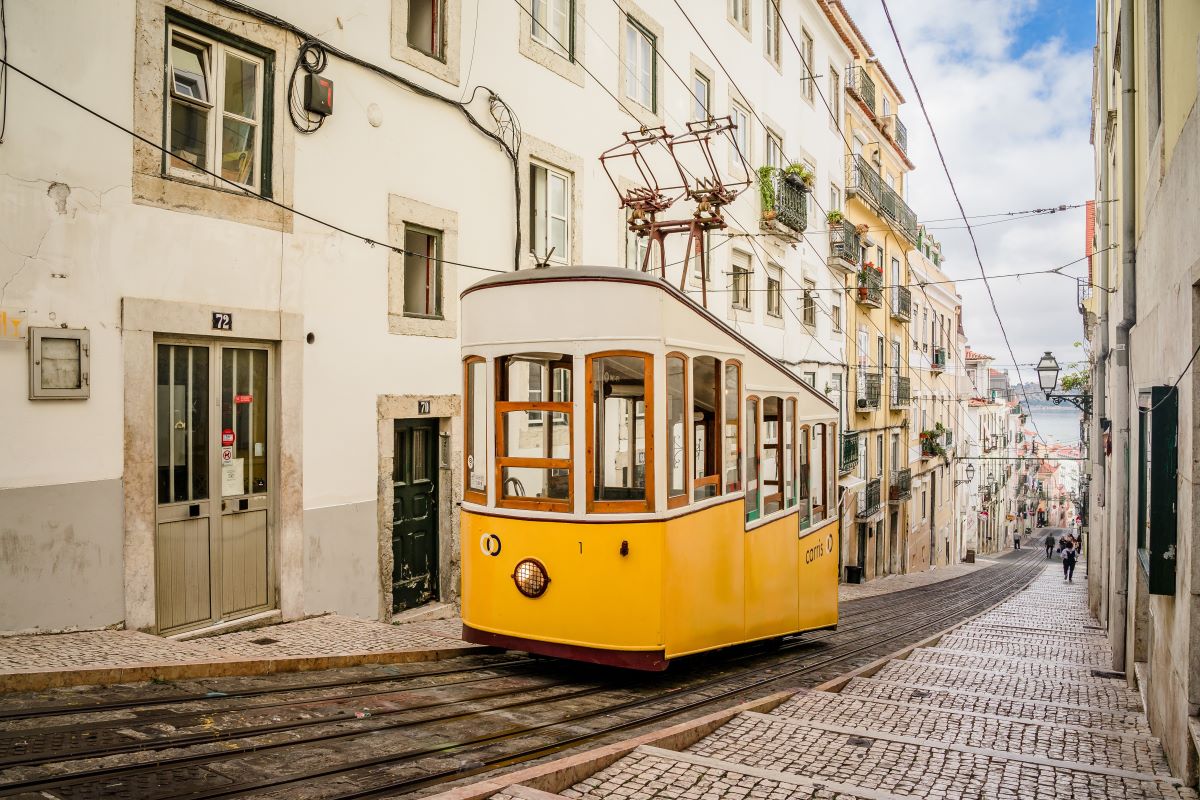
Following the fatal accident with 16 casualties, the Glória funicular in Portugal's capital, Lisbon, came to a standstill. Now a complete rebuild is planned - and according to media reports, the reopening date has already been set.