

SI-Urban
URBAN CABLEWAYS
Cableways and mountain railways are not only used in the winter sports industry. They’ve also become a practical means of transportation in cities, which is why we decided to launch SI Urban Magazine. Here we focus on the various topics that are relevant to the urban sector, which are sorted into the categories city, tourism and airport. Each of them will provide you with exciting news about technology, maintenance & service, security, surveillance, city and landscape planning and much more. Innovations, new types of projects and optimal solutions from all over the world should encourage reflection, help in finding ideas and reveal new opportunities.
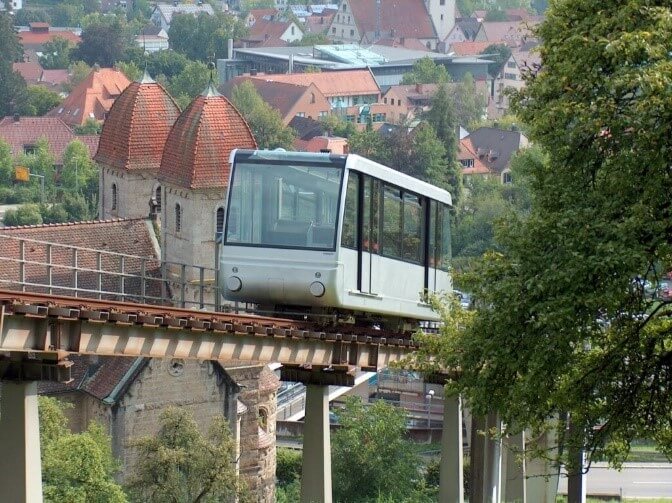
What the public transport is missing
Urban funicular railways as an addition to the public transportation network
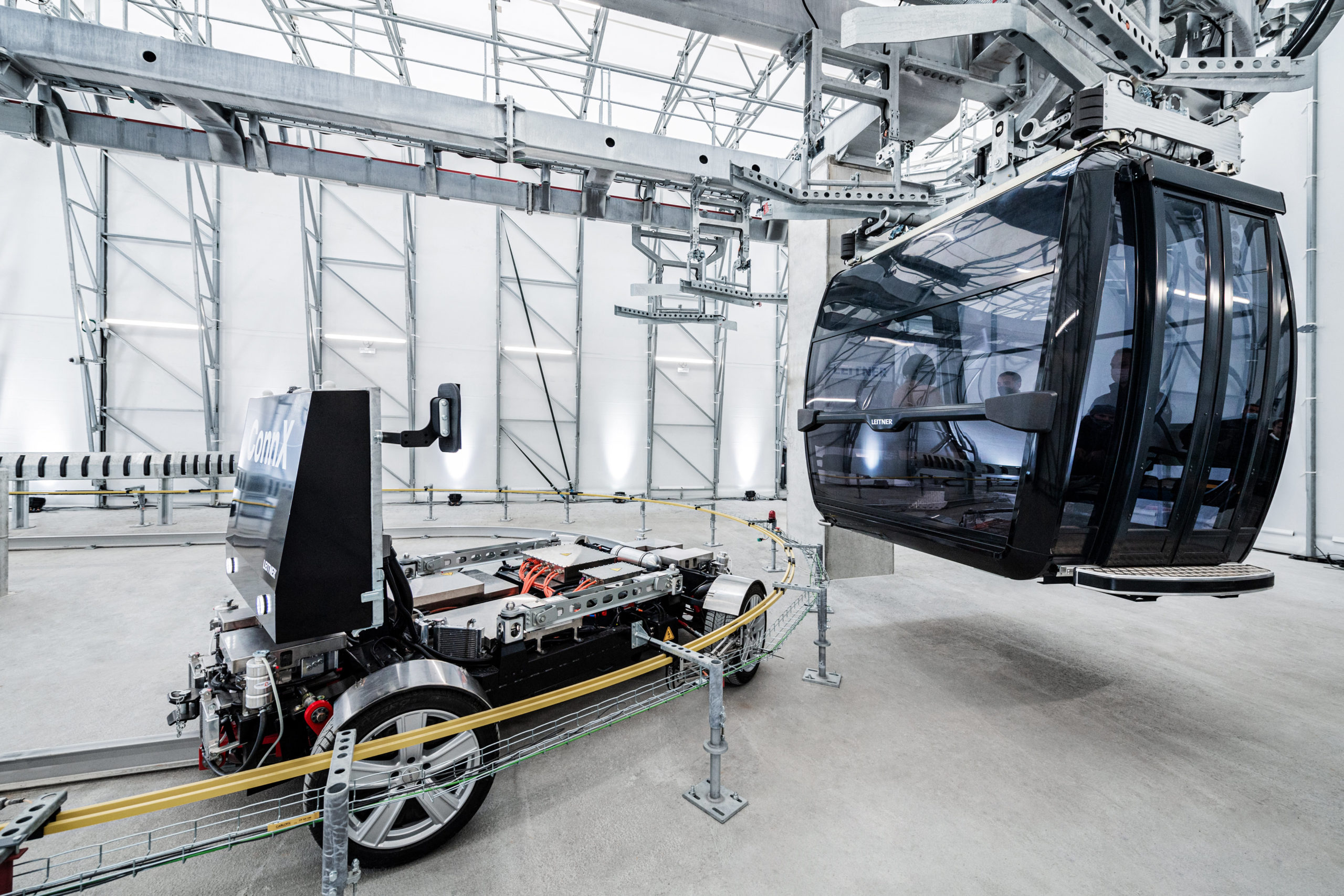
Hybrid of ropeways & autonomous driverless transport
Ropeways have already developed into a major solution of modern urban transport in the past years. With the ConnX prototype, LEITNER is now taking a significant step forward and creating unprecedented flexibility in the development of public transport with a unique “hybrid solution”.
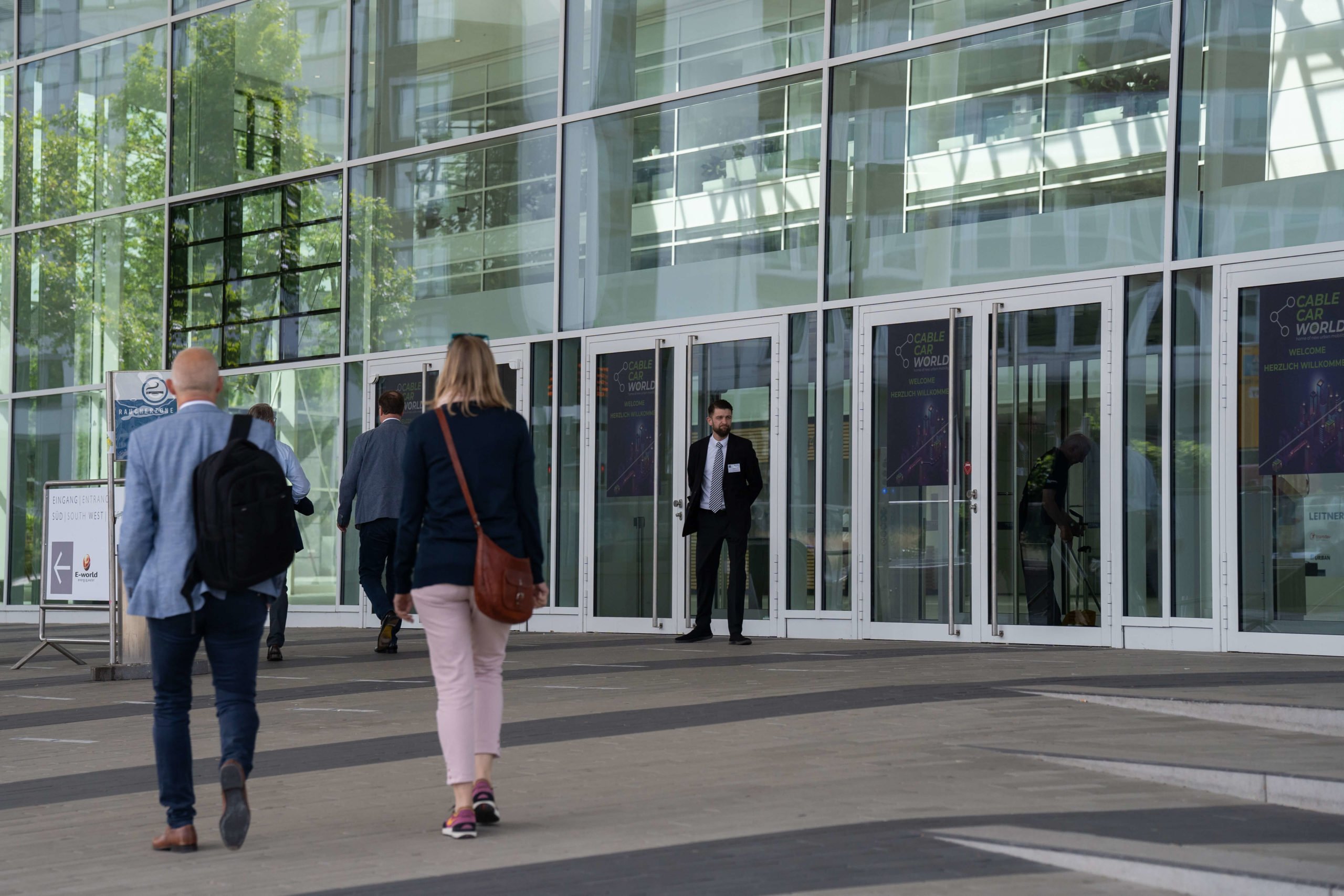
Cable Car World celebrates successful premiere
Around 500 participants from 14 nations came to Essen for the first edition of Cable Car World. Over two days, exhibitors and experts addressed the possibilities and requirements for the use of urban cable cars.
Ministry guide on urban cableways provides clarity
In order to further promote sustainable mobility in cities, specialists from Drees & Sommer have been working since 2021 on a guide to urban cable cars commissioned by the BMDV. An interim version of the almost completed guide will be presented at Cable Car World in Essen in June 2022. Interested parties can also talk to all those involved about the contents and results to date at the joint stand of the Ministry and Drees & Sommer.

Western Canada to consider urban cable cars
Many cities in western Canada are now considering cable cars as part of their tourism and transportation plans. Will this mean a boost for urban cable cars in the areas?

India’s new cable car vision
India is planning four to six new cable car projects in the next five years. These cable cars are supposed to boost the economy, strengthen tourism and ease traffic and congestion.
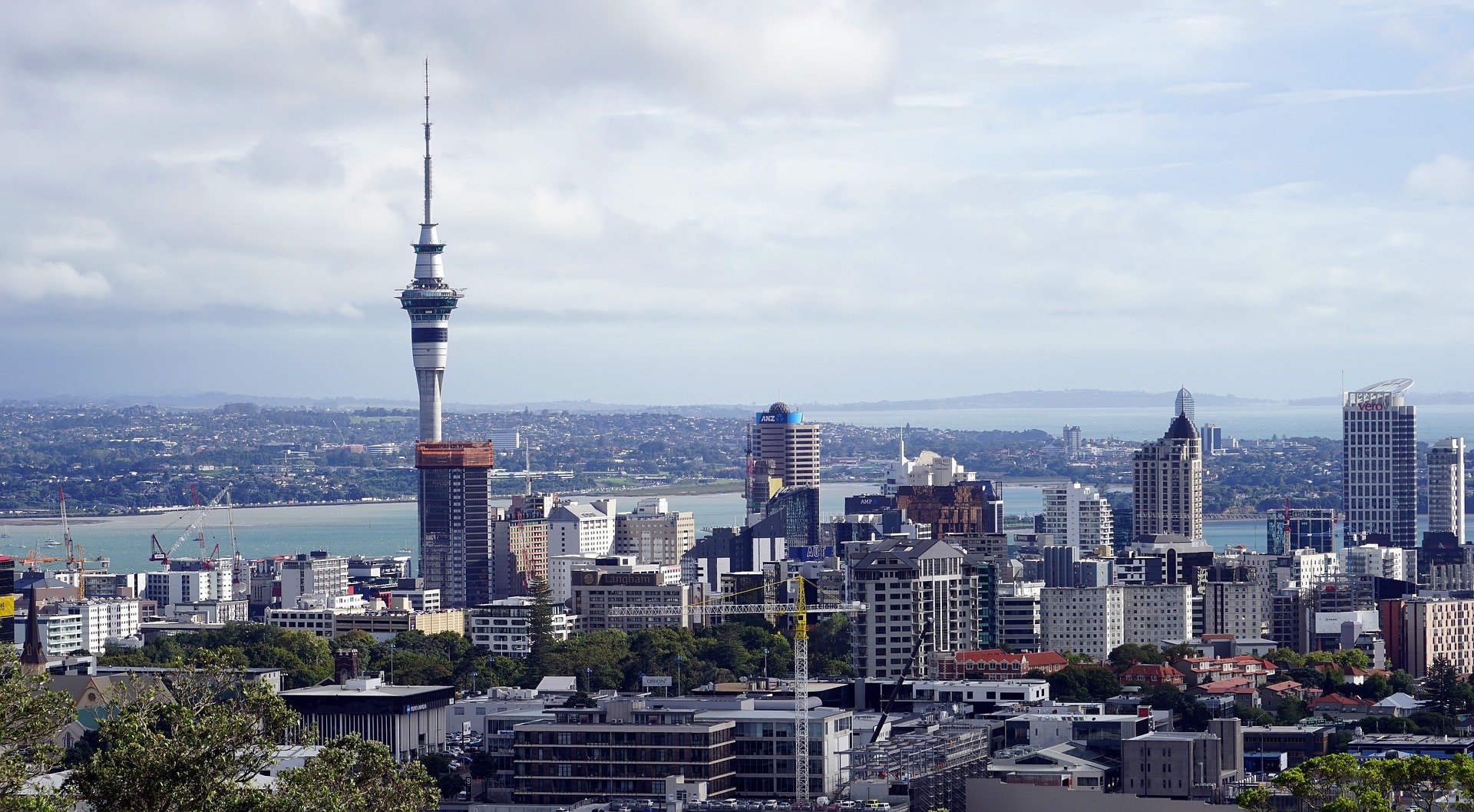
Urban gondola for New Zealand
DOPPELMAYR is planning a 4.2 km line in Auckland, New Zealand; linking Wynyard Quarter, Bayswater and the Akoranga bus station. It could be built within two to three years, costing around 200 million US-Dollar.
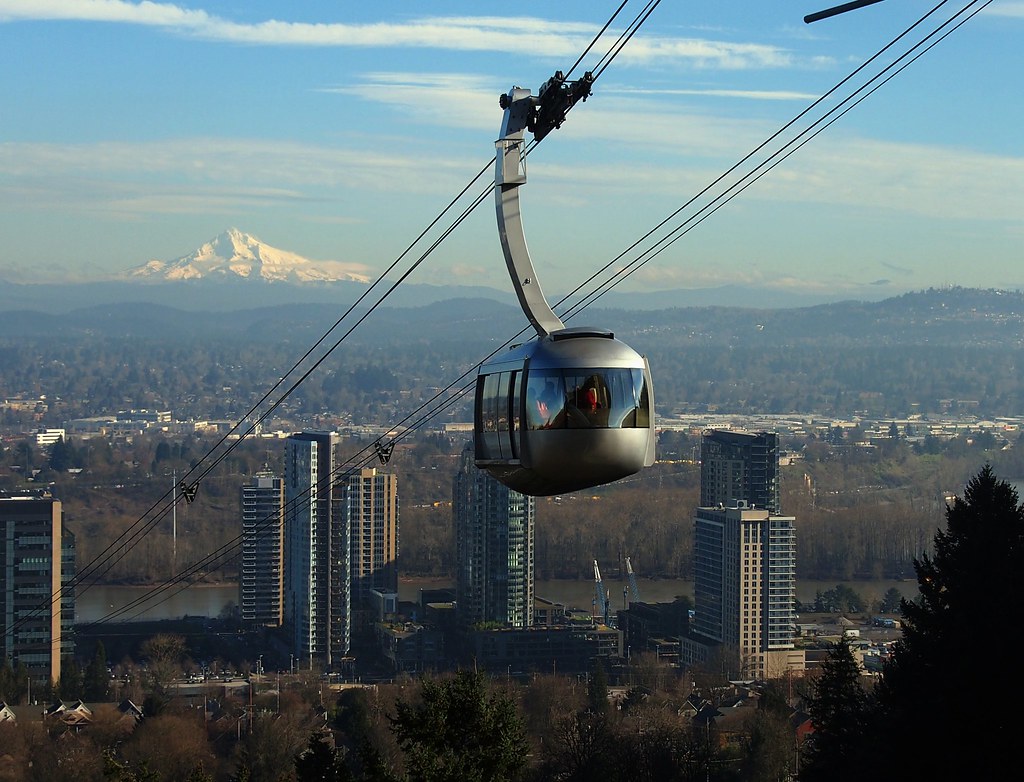
An urban cable car for West Seattle
Activists in Seattle propose a cable car to bypass the ever-increasing traffic problems.
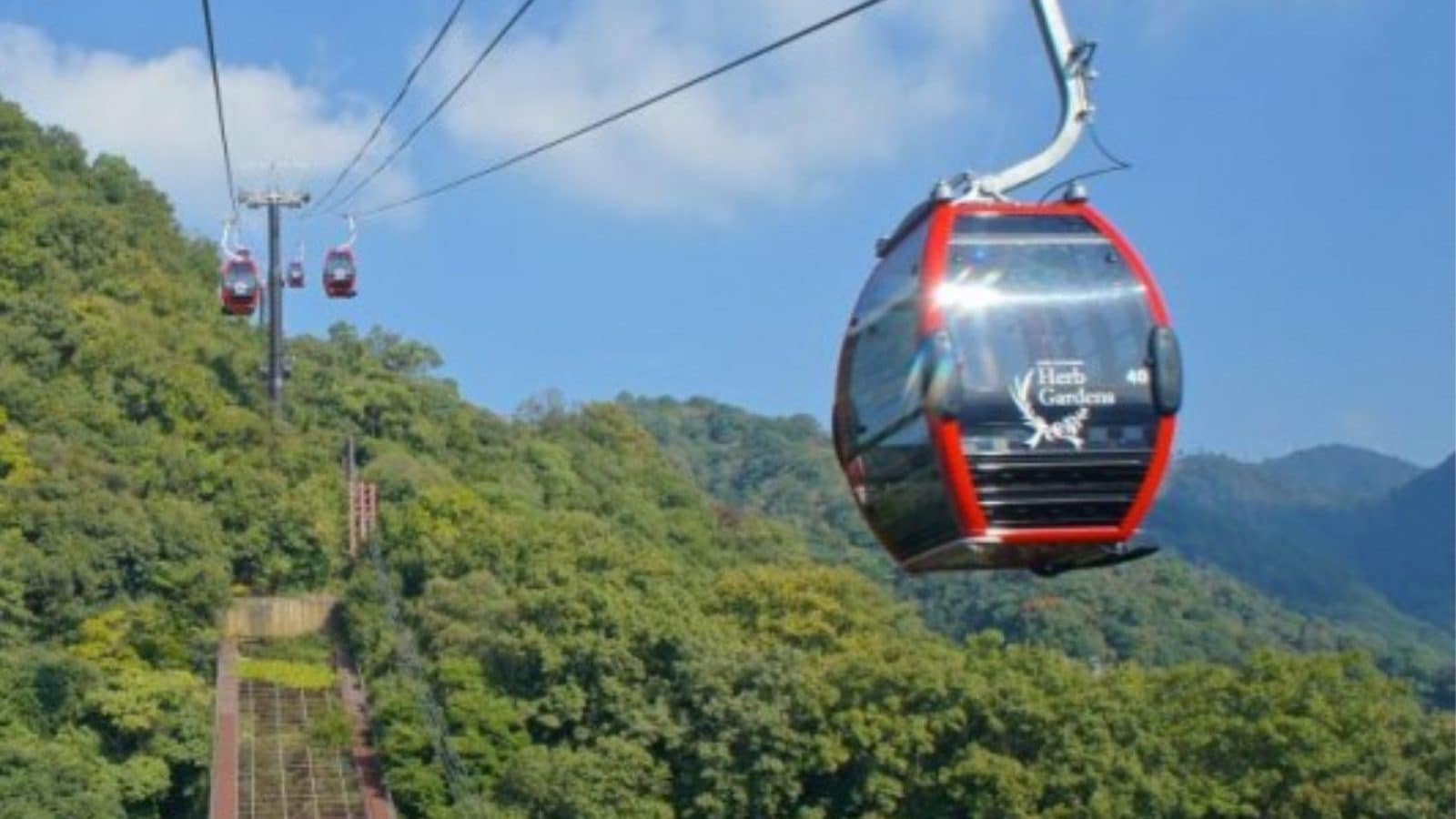
The Hemkund cable car project
The Indian project is taking on shape. Easing traffic and making the journey easier for locals and tourists is a must.
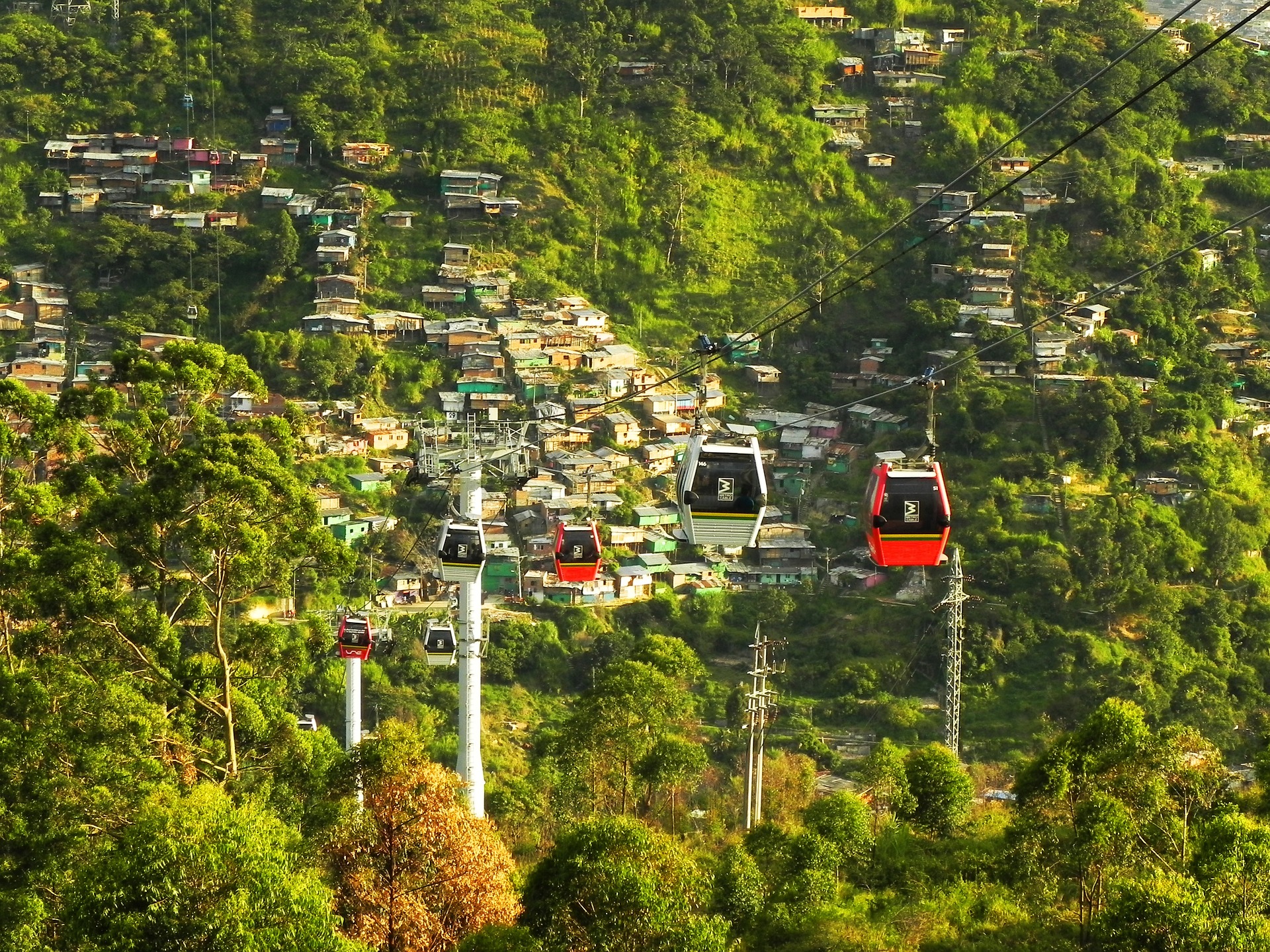
Madagascar: Cable car project for Antananarivo
Madagascar's capital Antananarivo is planning for a new cable car that should decrease traffic and help the city's infrastructure.
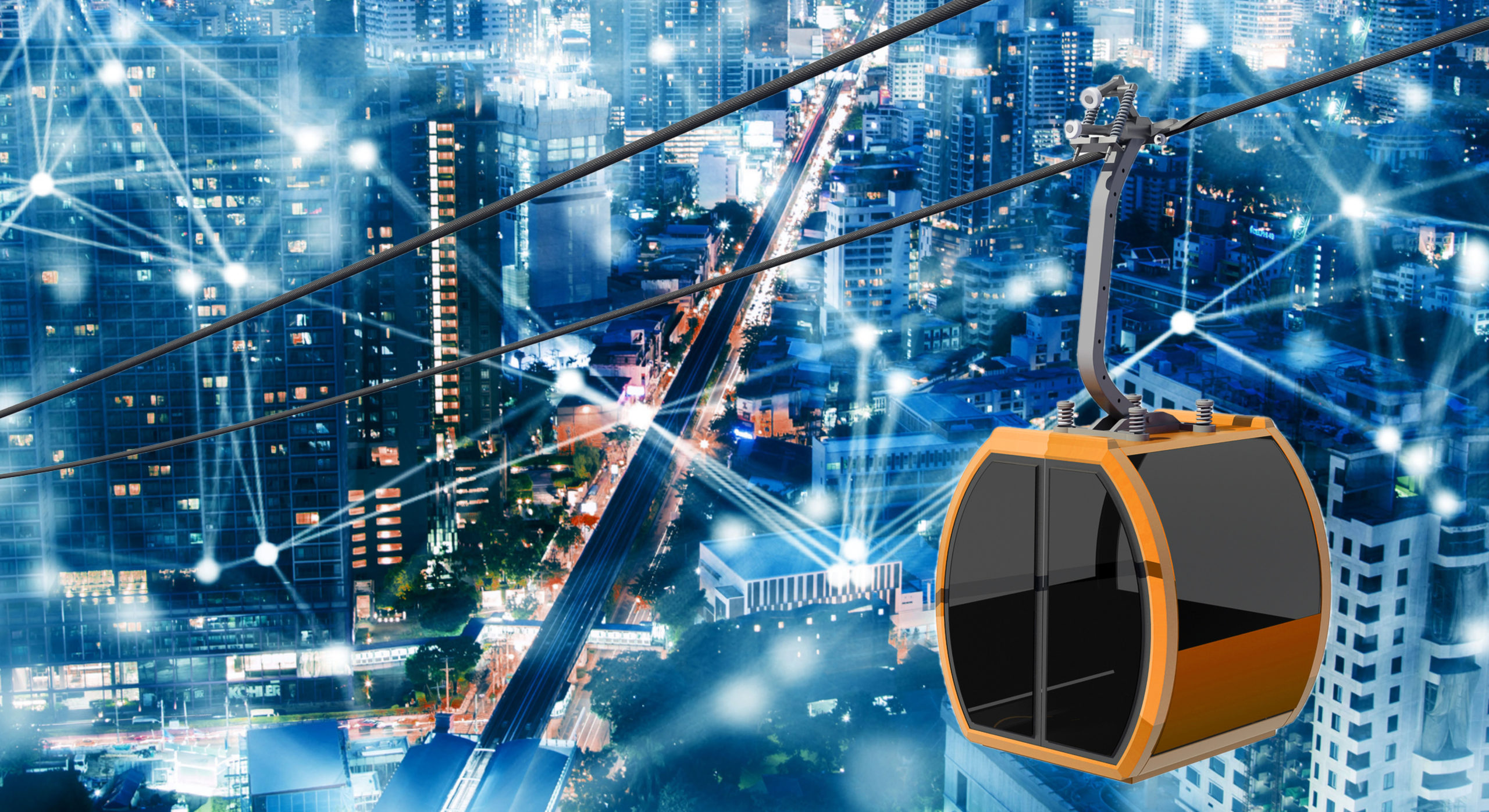
How cable cars benefit over the entire life cycle
It is hard to imagine building construction today without the digital planning method Building Information Modelling (BIM). What is less known is that BIM also offers advantages for transport infrastructure projects. In particular, future-oriented systems such as cable cars in urban areas benefit from the digital collaboration method.
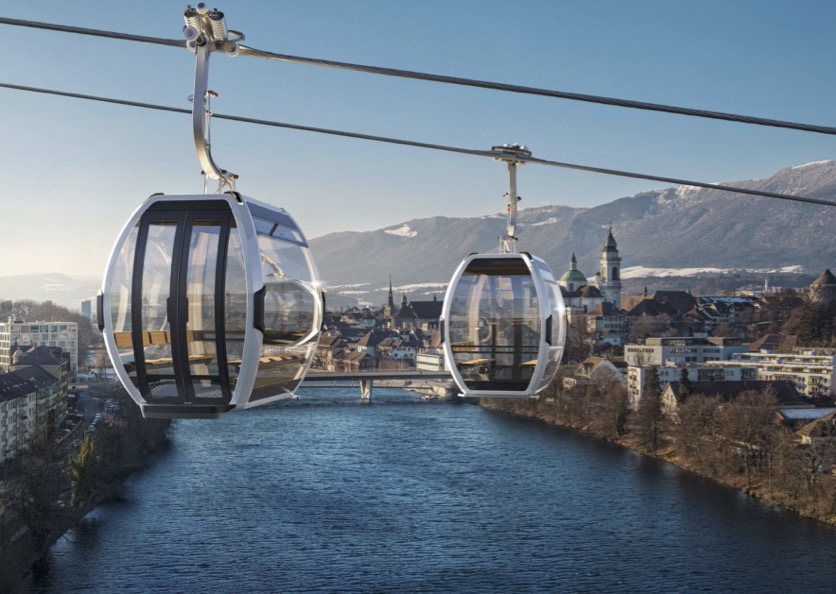
Aaregondel project now under review
At 193 percent, the crowdfunding for the feasibility study was more than satisfied and the Aaregondel interest group is accordingly optimistic. The private initiative hopes to gain a public cable car in the Swiss town of Solothurn.