
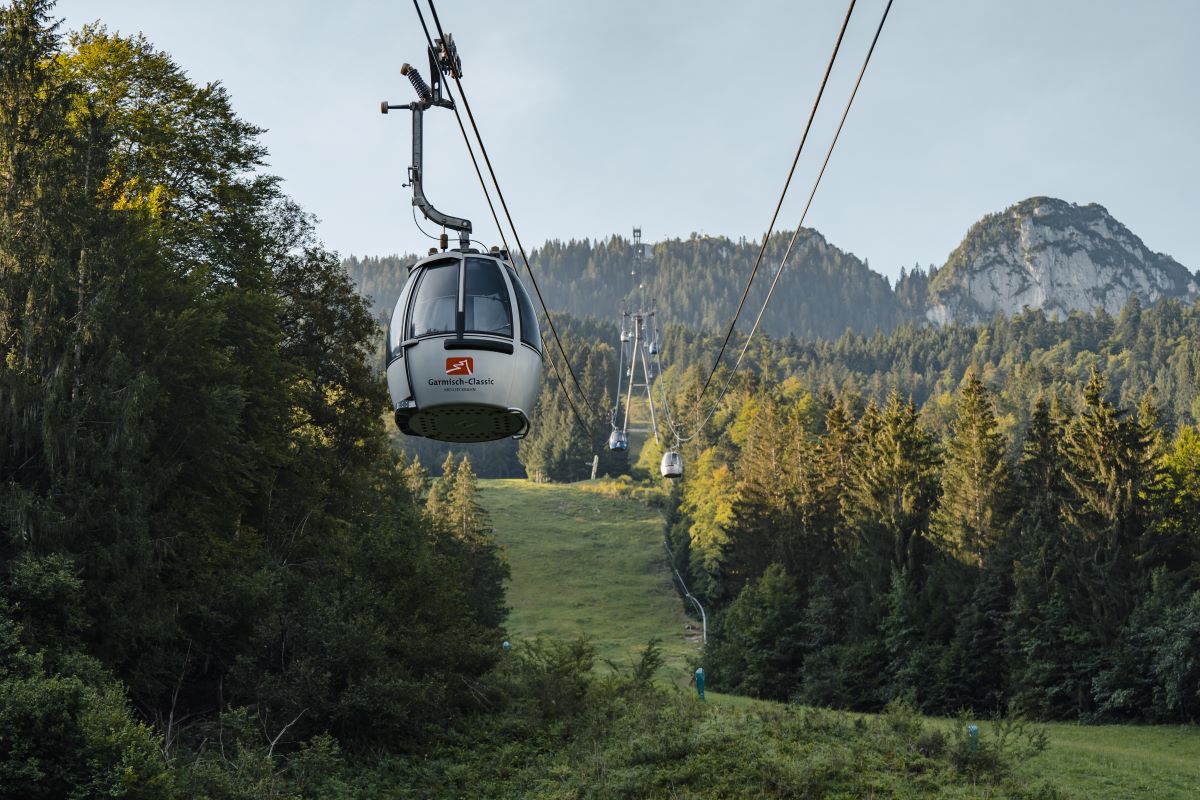
Energy in Ski Resorts: Clever Use of Hydropower
Storing energy, generating electricity, powering cable cars – ski resorts can use hydropower to their advantage. Three destinations demonstrate as examples what is already possible today.
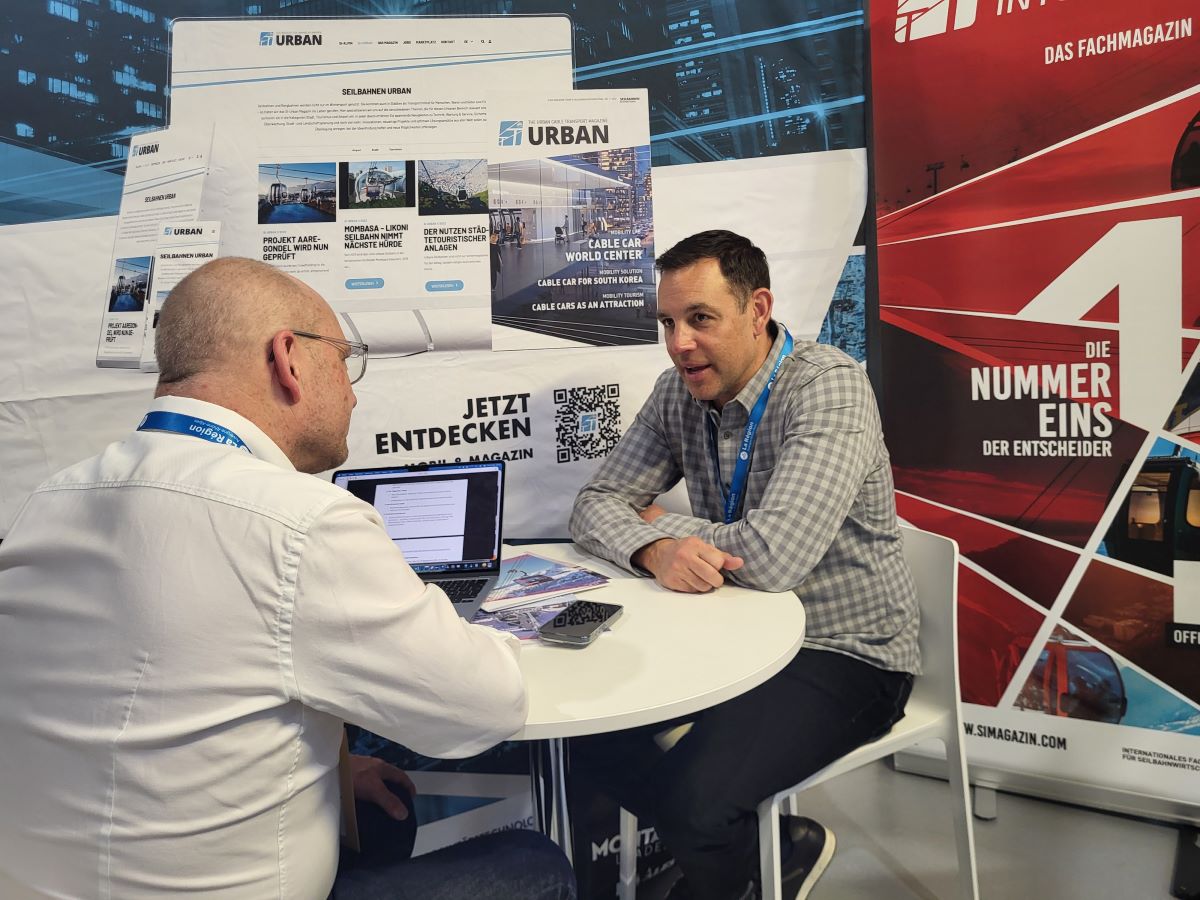
Mike Reitzell (NSAA) on the current state and trends in the USA.
Mike Reitzell, President of the National Ski Area Association (NSAA), speaks in an SI interview about the dynamics in the US ski market, ski subscription models, youth development, and how mountain resorts are becoming fit for the future.
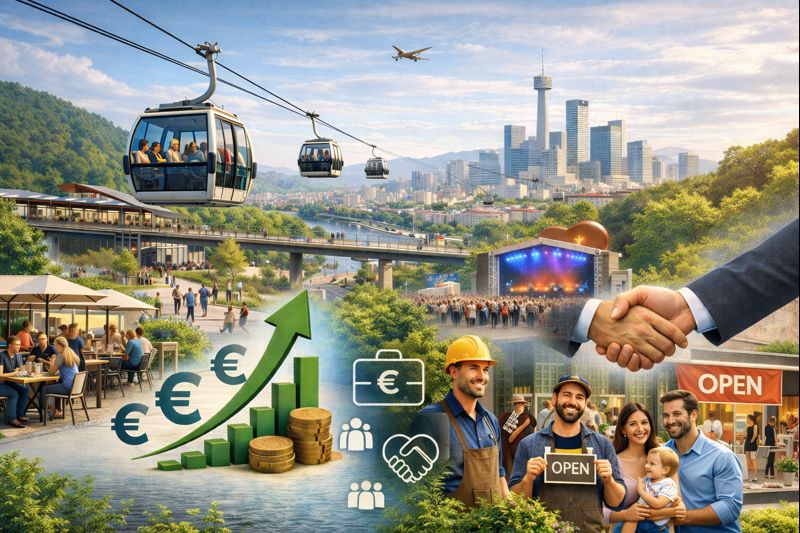
Cable Car as a Booster
How do urban cable cars empower economies and communities? Urban cable cars are more than just a means of transport; they trigger positive social and economic effects. Clemens Schneider has researched exactly which effects these are for the Friedrich-Alexander University Erlangen–Nürnberg (Germany).
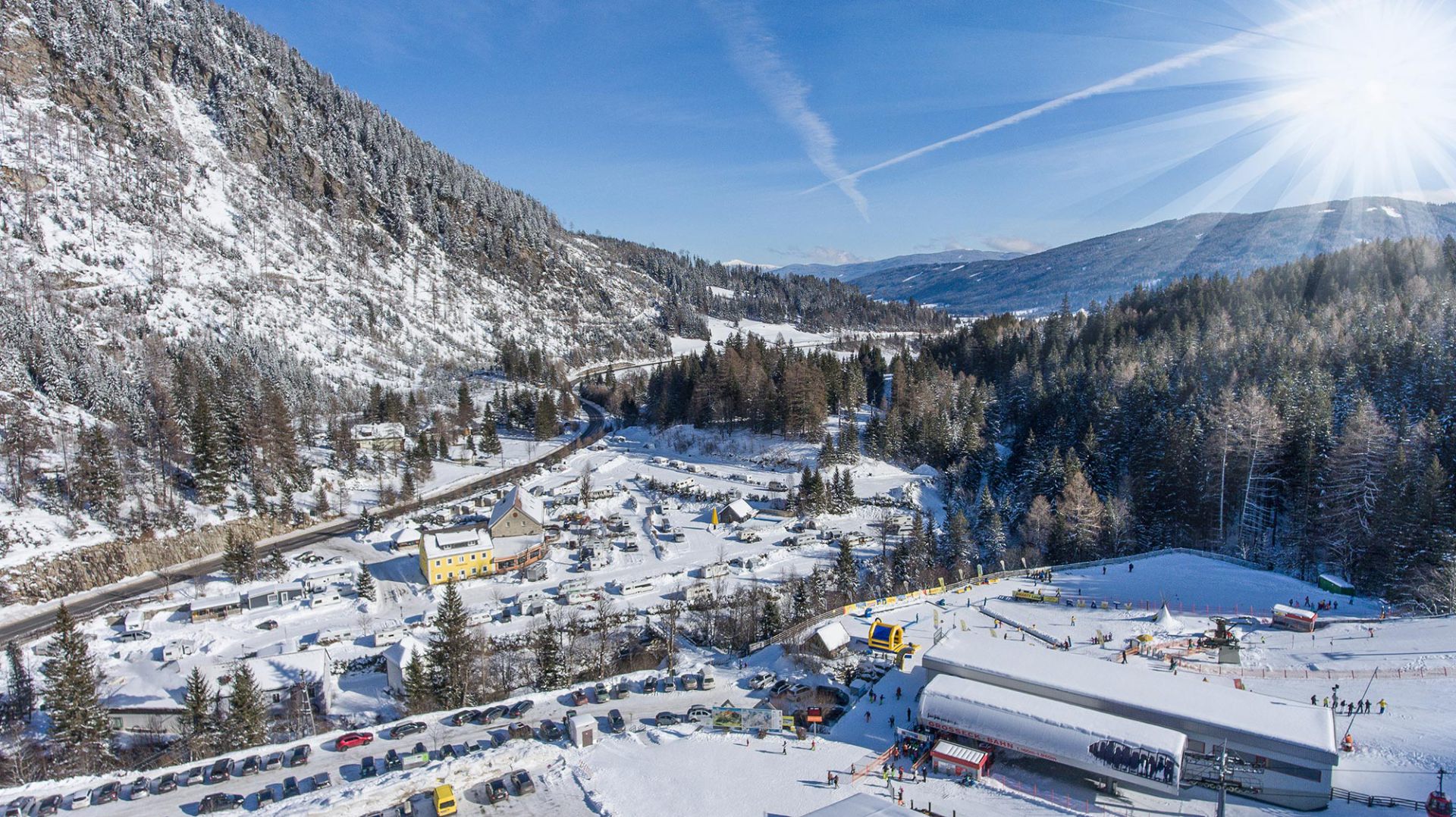
Cable Car Camping: A new era for Mountain Resorts
At the latest since COVID-19, the camping boom has been omnipresent across Europe – in spring, summer, and autumn. But guests are also arriving with motorhomes and campers during the winter. Is this a global opportunity for the ski resort industry?
Cable Car & Health: Fewer emissions in Medellín
The Colombian metropolis of Medellín has one of the largest urban cable car networks in the world, with 14.7 kilometers of route and 20 stations. This system leads to lower CO2 emissions, with positive financial and social effects. The Vienna University of Technology has compiled relevant figures.
How ropeways can harness solar power
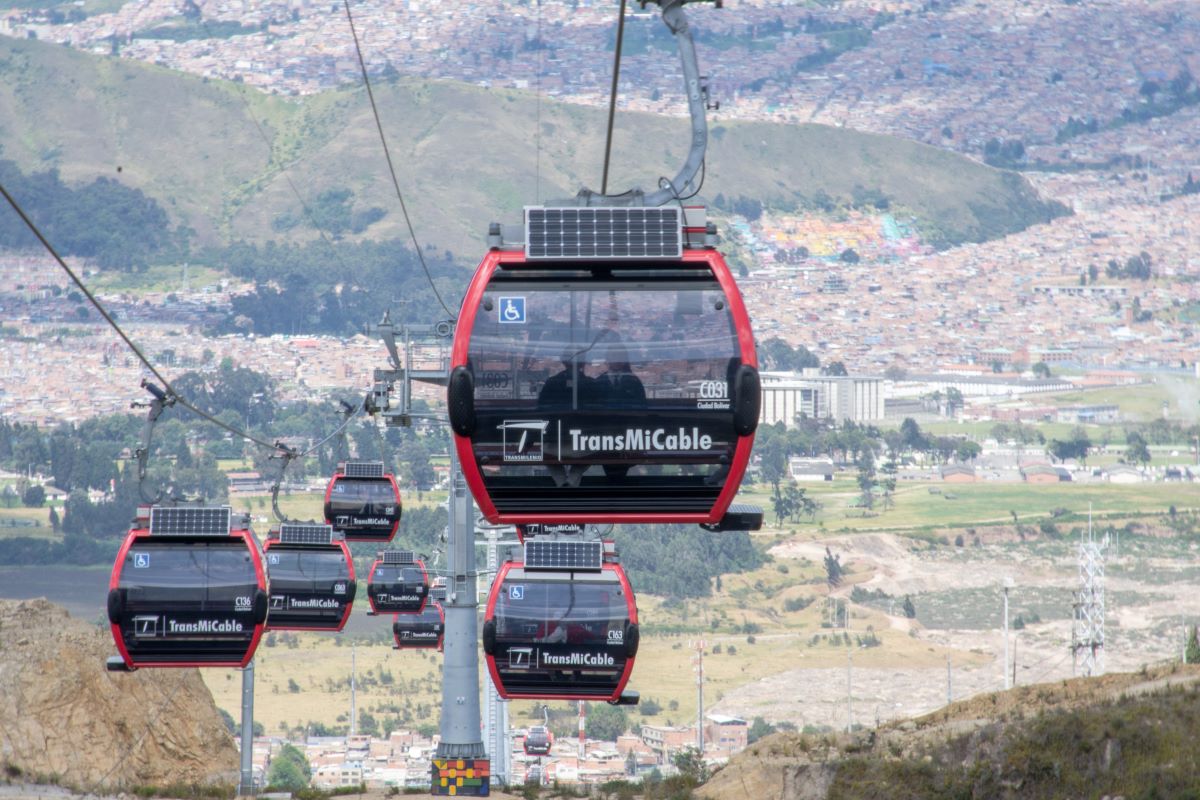
In Bolivia’s administrative center, La Paz, the “Mi Teleférico” сable car network is taking another step toward sustainability: while the cabins are already equipped with solar panels, the operator is now working on a model for generating its own renewable energy. The challenges and opportunities involved affect not only “Mi Teleférico” but many other cable car operators as well. Which aspects are particularly important, and what solutions are being implemented?