
Planning & Construction, SI World 2/2026, Snowmaking & Slope Maintenance
Inauen-Schätti: Avalanche protection is revenue protection
Bergbahnen Sölden operates its ski resort in Austria between altitudes of 1,300 and 3,300 meters above sea level – in a high-alpine, partly glacial area.
Avalanche protection is correspondingly critical; otherwise, safe, comprehensive, and near-continuous operations would be impossible, likely resulting in severe economic consequences. After all, guests expect a perfect skiing experience every single day.
How does Sölden manage blasting?
The local avalanche commission is out every day, keeping a close eye on the three areas of Gaislachkogel, Giggijoch, and the glacier.

Manfred Fiegl
Head of Slope Operations, BB Sölden
“To ensure that slopes, lifts, and sectors rarely have to be closed, we have defined around 400 avalanche trigger points across the entire ski resort,“ reports Manfred Fiegl, Head of Operations at Bergbahnen Sölden.
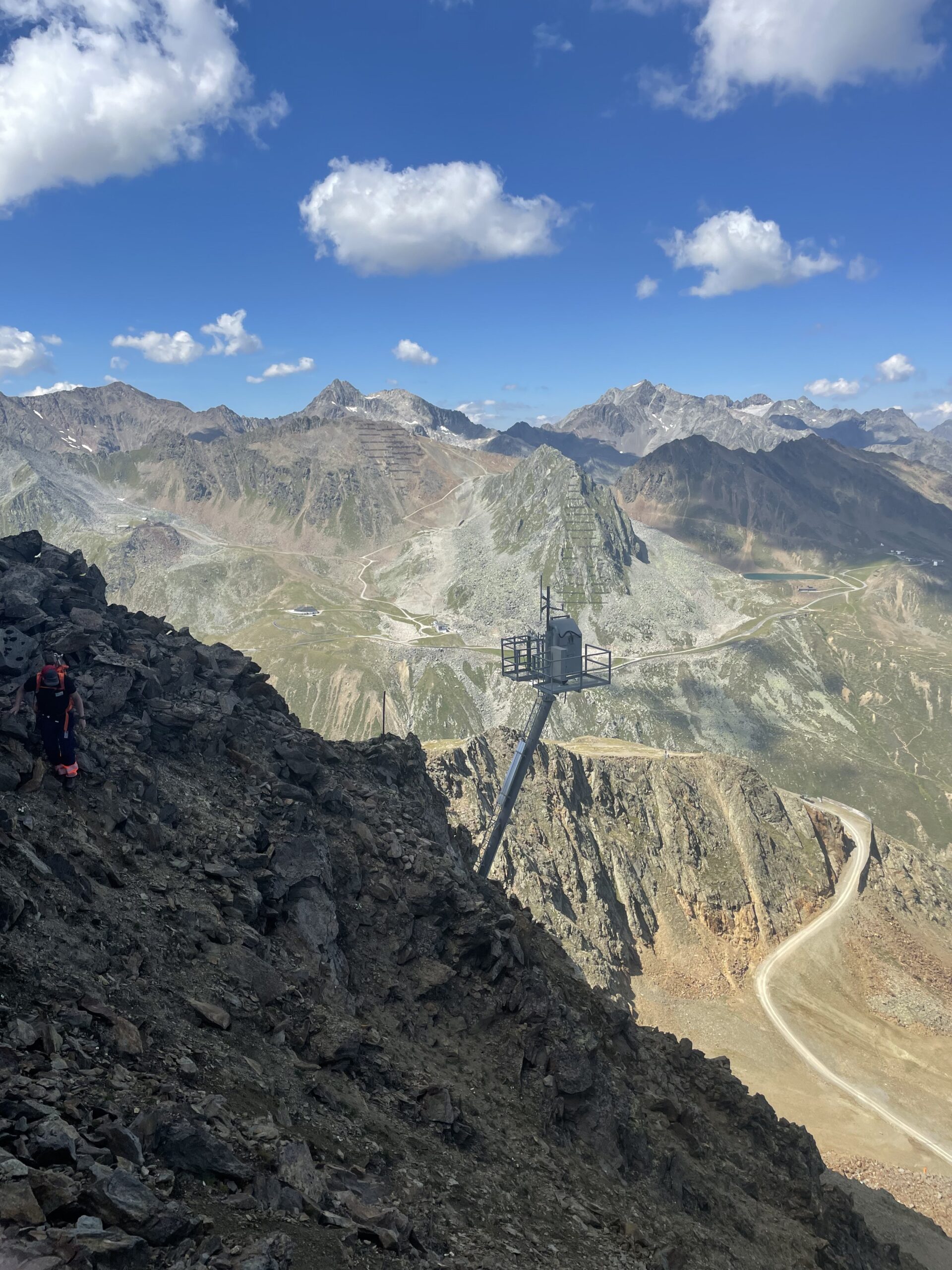
In doing so, the commission also relies on 26 avalanche masts and 20 avalanche guards from Inauen-Schätti. Some of the latter have been reliably in service since 1998 and are locally dubbed “avalanche organs.“
Two of them are mounted on sleds and can be deployed fully mobile – particularly on the glacier. These stationary trigger systems offer massive support during adverse weather conditions, securing the main ski area so it can be operated safely for winter sports enthusiasts.
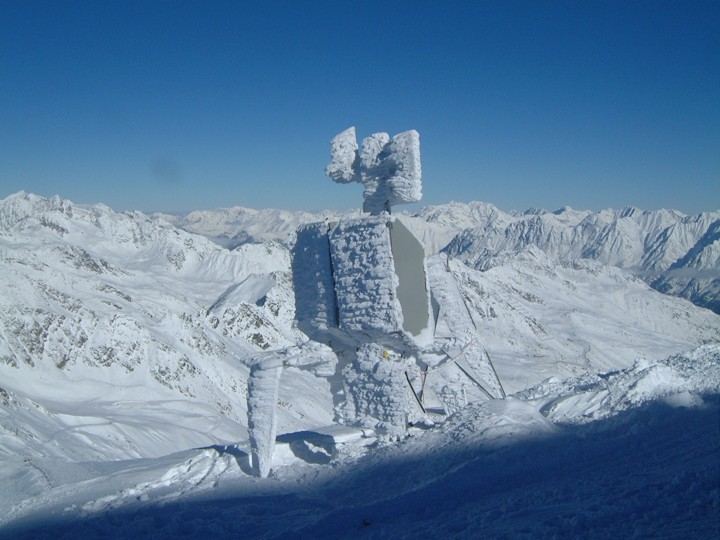
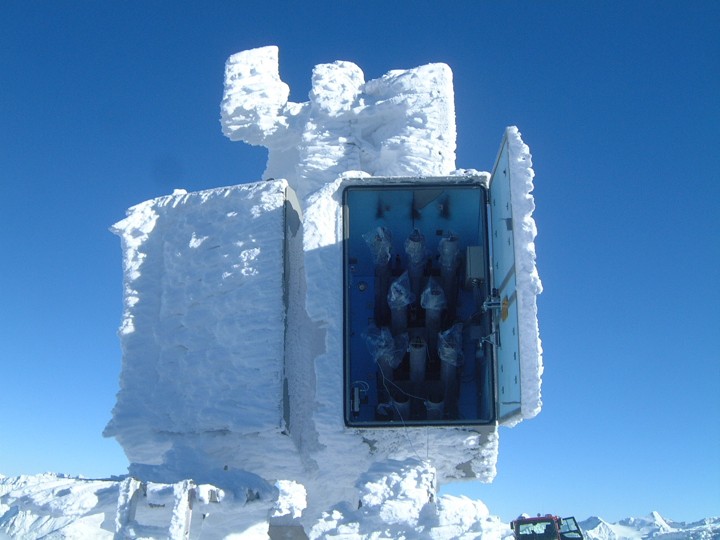
Avalanche masts delivering maximum impact
Whether blasting mast or guard, the systems from the Swiss manufacturer rank among the most effective and reliable methods for triggering avalanches, confirms Jakob Fiegl, Deputy Operations and Slope Manager at Bergbahnen Sölden:
“Manual blasting is significantly more time-consuming, and helicopter blasting is only possible under the right weather conditions. With the avalanche masts and guards, however, we can trigger conveniently via software – quickly and independently.“
The systems primarily protect vital cable cars, critical slopes, and the main ski resort – areas where an avalancherelated closure would cause severe disruptions to ski operations.
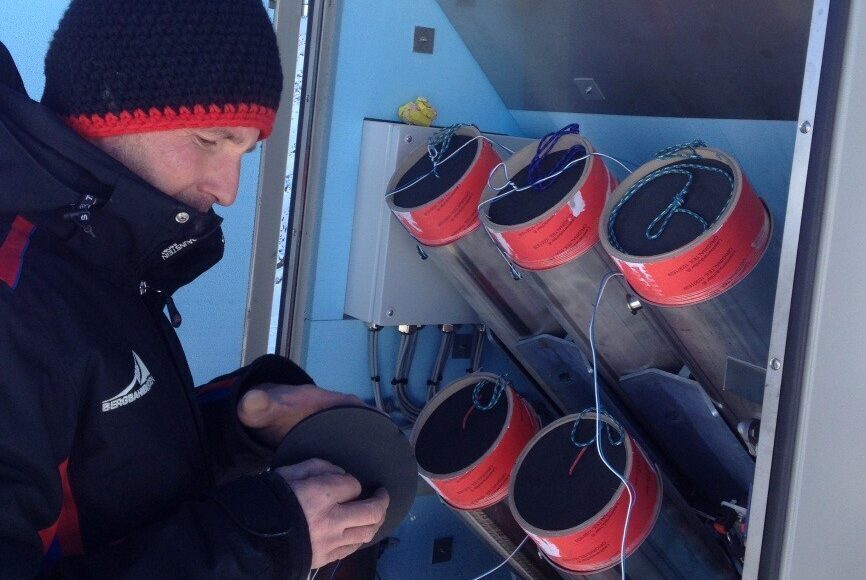
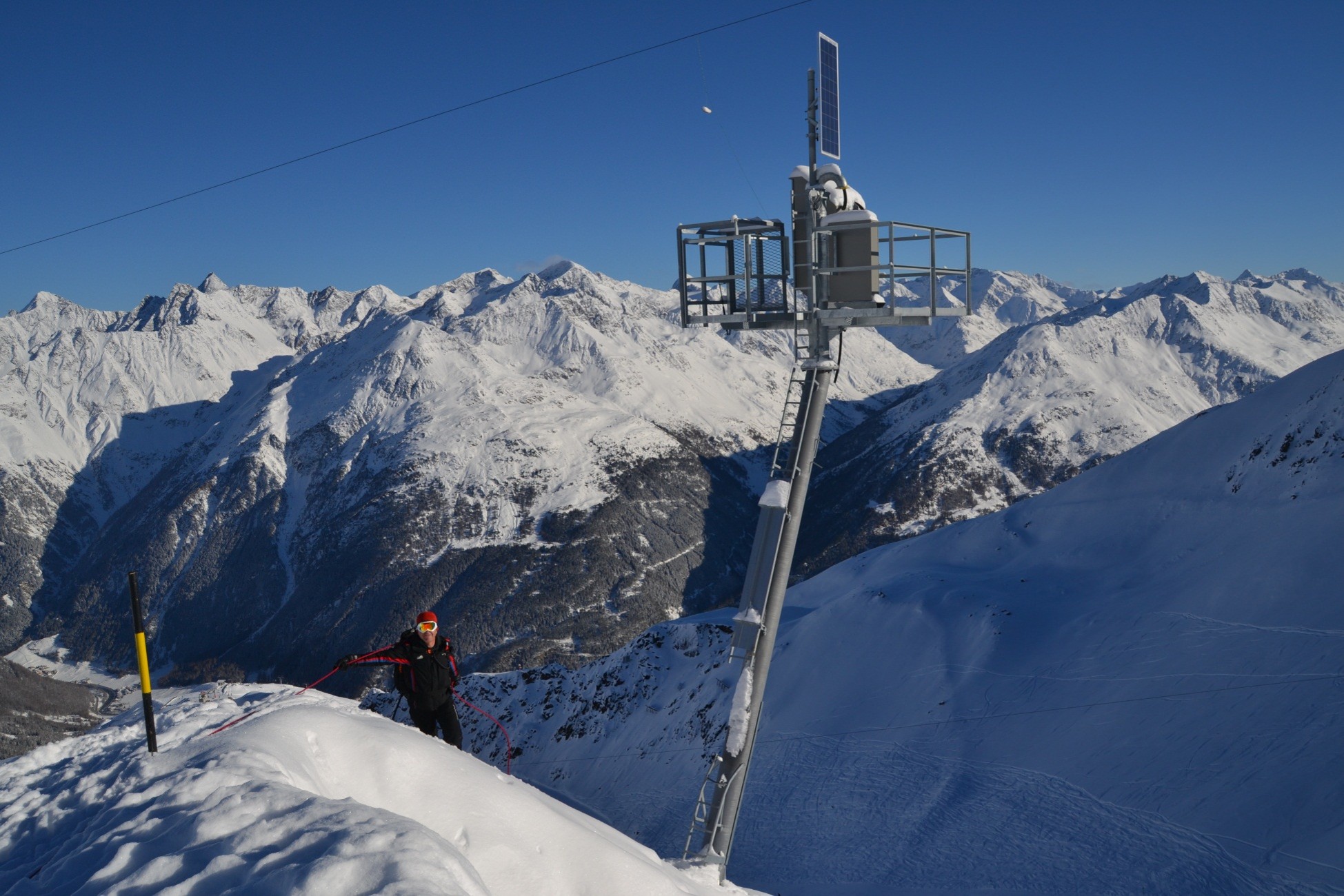
Hardware & software: Sölden gears up
This is why the number of systems is increased every year, mostly alongside the construction of new cable cars.
“For instance, this year we are installing two more LM5400 avalanche masts on the Gaislachkogel. There, we are replacing the old 1985 double chairlift with a highcapacity 6-person chairlift and reshaping the slope to create a family-friendly blue run. This new slope will be secured by the two new blasting masts,“ Manfred Fiegl reports.
At the same time, the upgrade of existing trigger systems from radio control to cellular network control is moving forward, adds his colleague Jakob Fiegl:
“19 trigger systems are already integrated into Inauen-Schätti‘s ATMS software, and seven more will follow this year. This makes our work easier on many levels – from explosives management to documenting the completed blasts.“
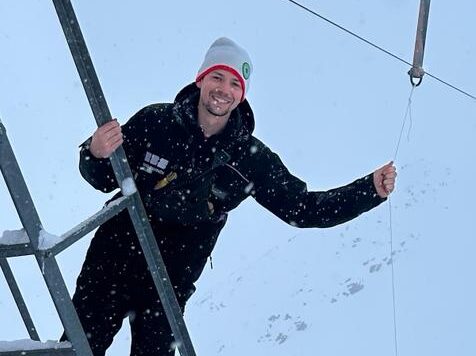
Jakob Fiegl
Deputy Slope Manager, BB Sölden
Major service
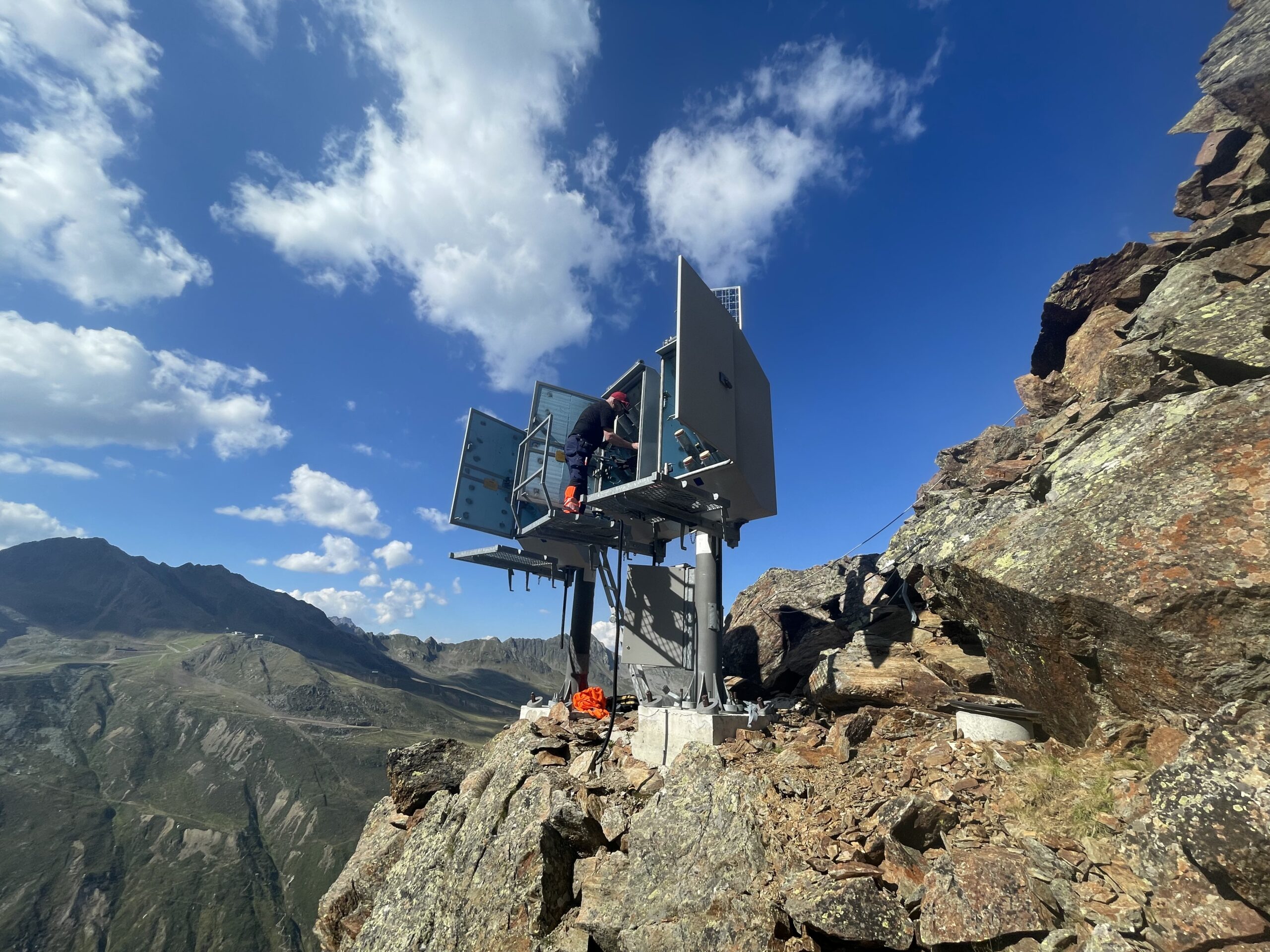
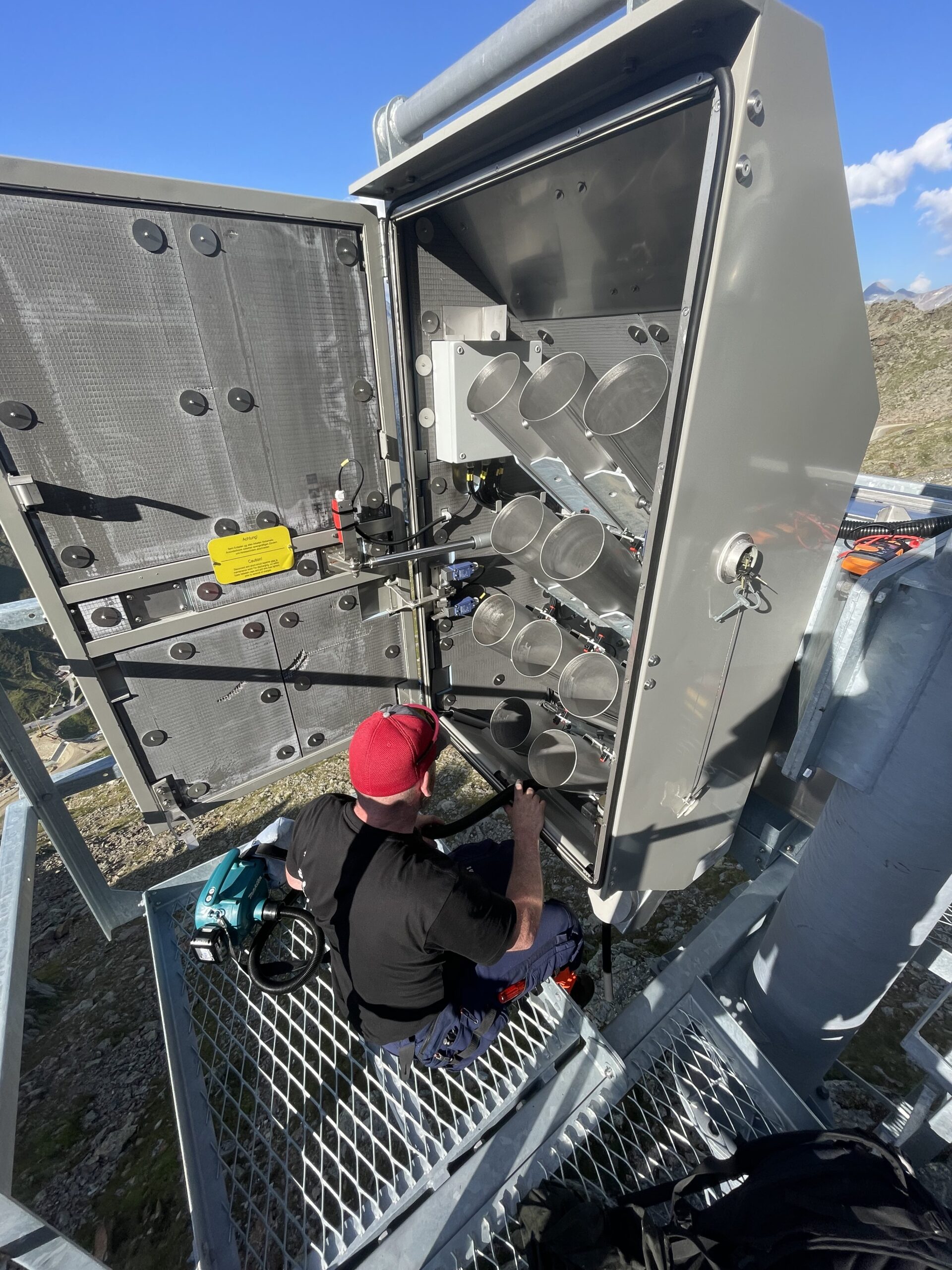
To ensure the avalanche guards and masts function flawlessly throughout the winter, they undergo a major service every three years.
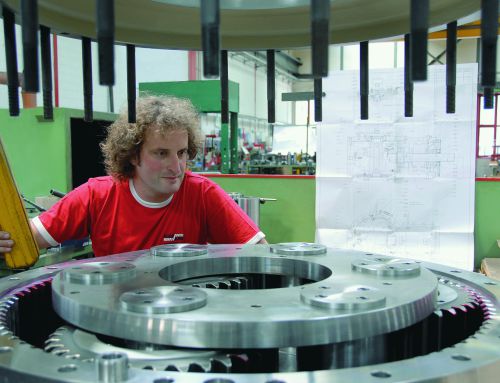
This year, it’s that time again: over the course of two to three weeks, two technicians from Inauen-Schätti, working alongside two resort employees, inspect the mechanical and electronic components of the systems and replace any defective parts.
“The time and money are well invested here. Otherwise, we would face problems in the winter that would cost us significantly more,“ says Manfred Fiegl, advocating for proactive maintenance. The software upgrades and the installation of the new systems are also carried out during this major service.
Minor service and emergency support
Resort technician Thomas Nösig plays a key role here, coordinating schedules and tasks between the ski resort and Inauen-Schätti. He also leads the “minor service“ during the years between major overhauls.
This includes basic checks, loading the explosives boxes, and resolving minor issues. Major malfunctions are resolved via remote maintenance or by Inauen-Schätti technicians on-site:
“The emergency hotline is available 24/7 in winter, but we‘ve barely had to use it so far,“ says Jakob Fiegl.
The quality of the equipment and its maintenance clearly pays off – ensuring reliable avalanche protection and operational safety with minimal downtime.