LATEST
SI-ALPINE
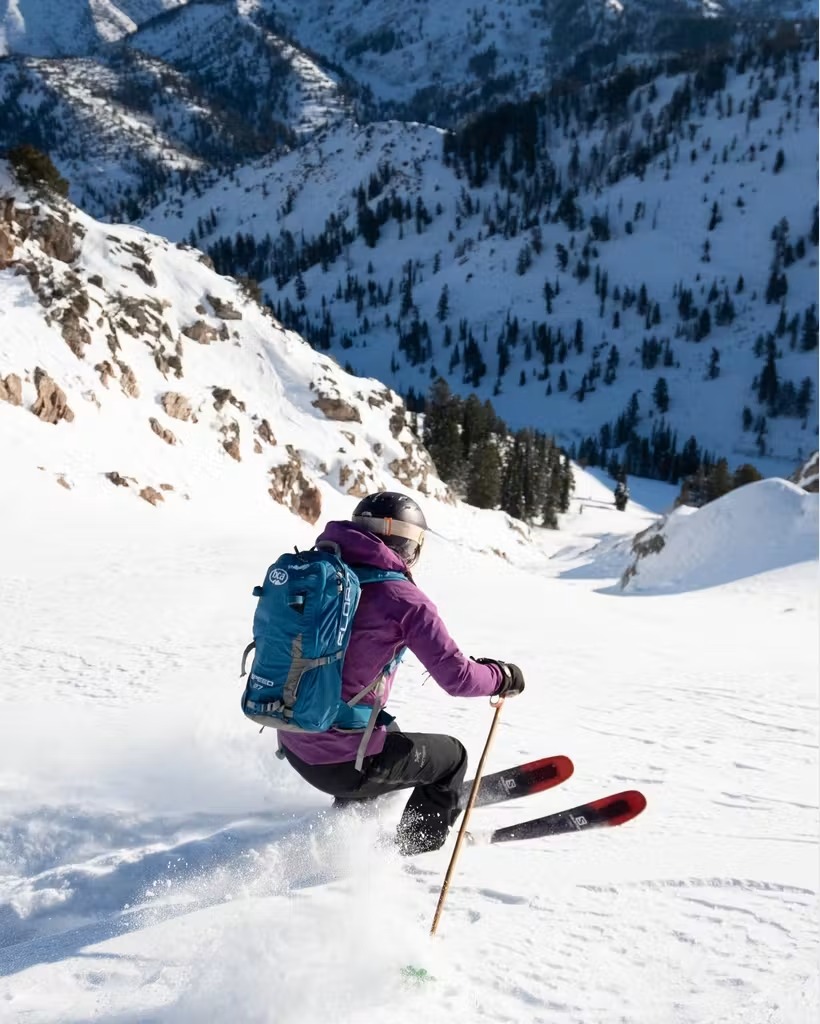
Powder Mountain is expanding for the 2026/2027 winter season.
"New lifts, more terrain, unbelievably uncrowded skiing:" This is how the Powder Mountain ski resort in Utah is promoting its investments for the upcoming winter season. Specifically, plans include a new construction project, a chairlift upgrade, and the brand-new Sundown Lodge.

Review of the global winter season
The 2026 International Report on Snow & Mountain Tourism provides a global overview of the 2024/25 ski season and analyses the evolution of the ski industry worldwide. What is in the 18th edition of the industry study?
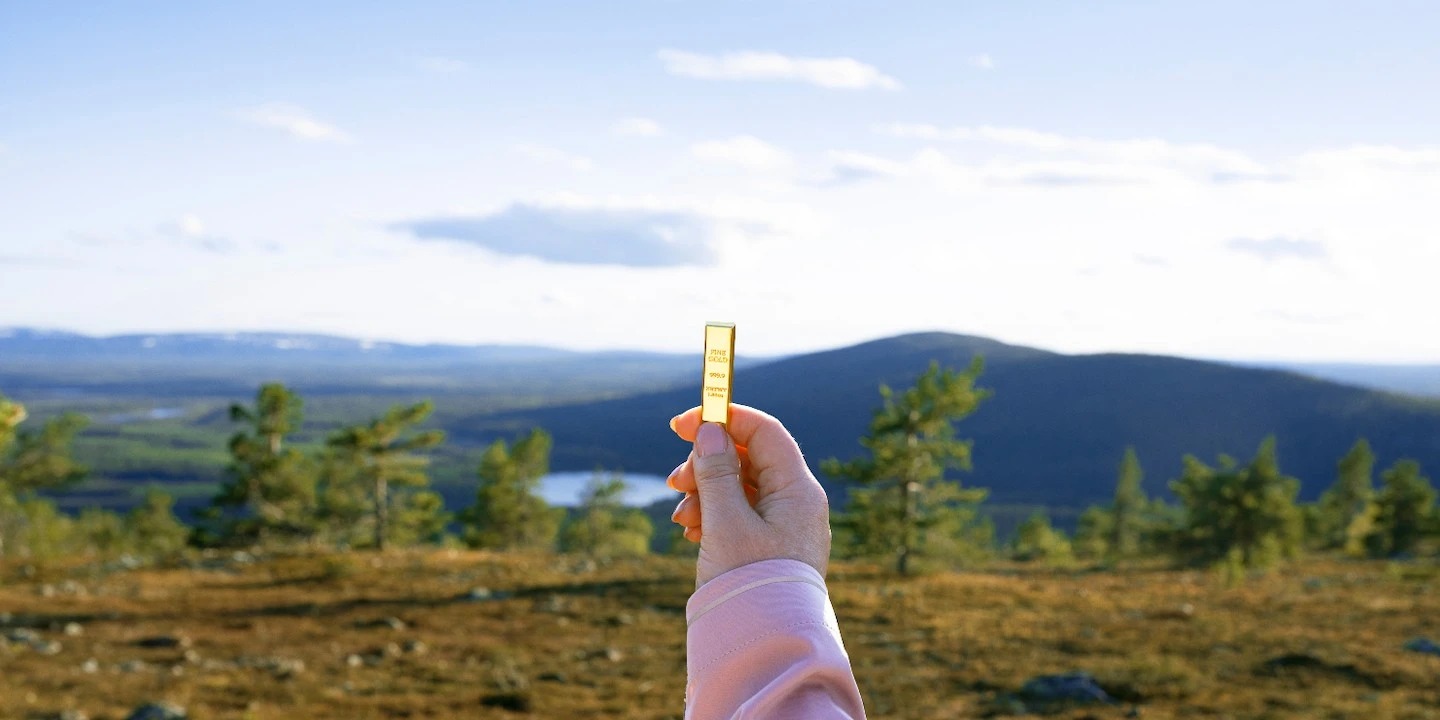
Gold Rush in Finland: Ski Resort Hides €20,000 Treasure
The Finnish ski resort Levi is attracting tourists with a spectacular PR stunt: a gold nugget worth €20,000 is hidden somewhere in the landscape. Throughout the summer, the resort will release clues designed to lead vacationers straight to the treasure.
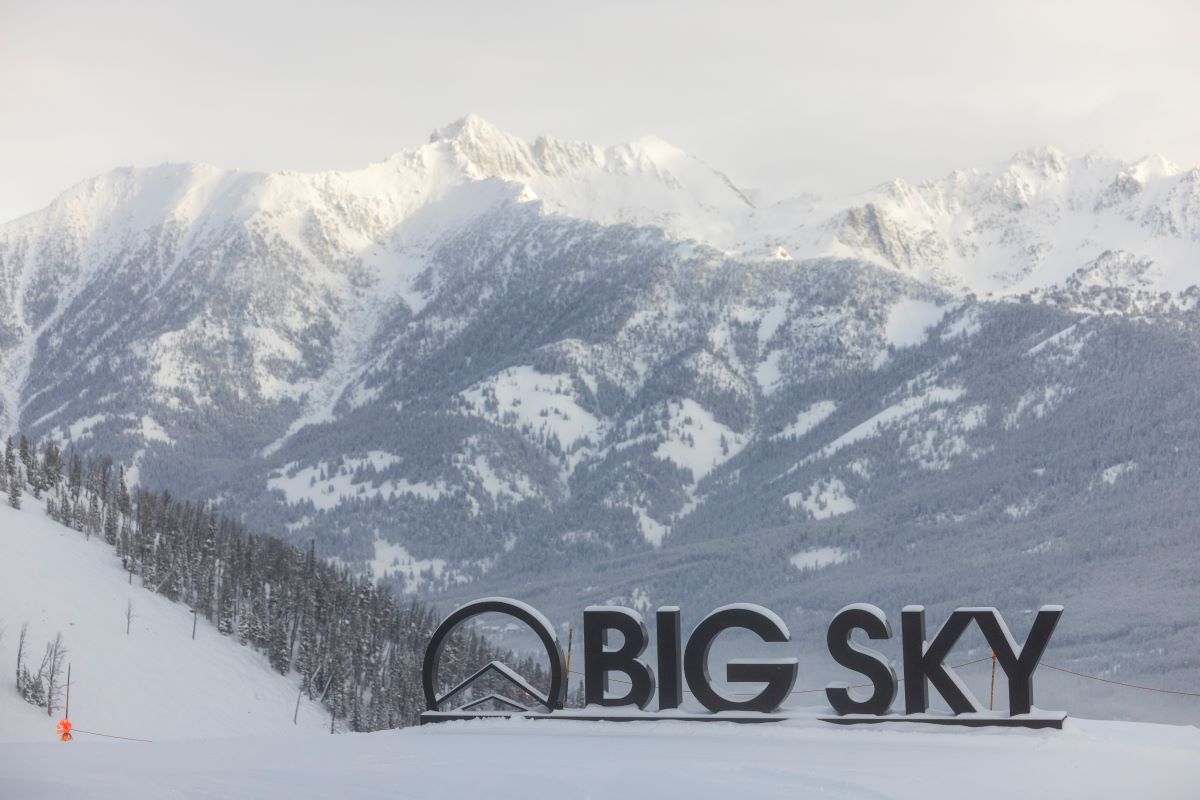
European innovations on American mountains: The Big Sky experience
Over the past decade, Big Sky Resort has invested twice its original projection into modernization, adding 20 cutting-edge lifts. In an SI interview, President and COO Troy Nedved explains why the American market had to adapt to European technologies, which innovations are capturing the interest of the US market, and the current trends driving the development of American ski resorts.
RELEVANT
TOPICS
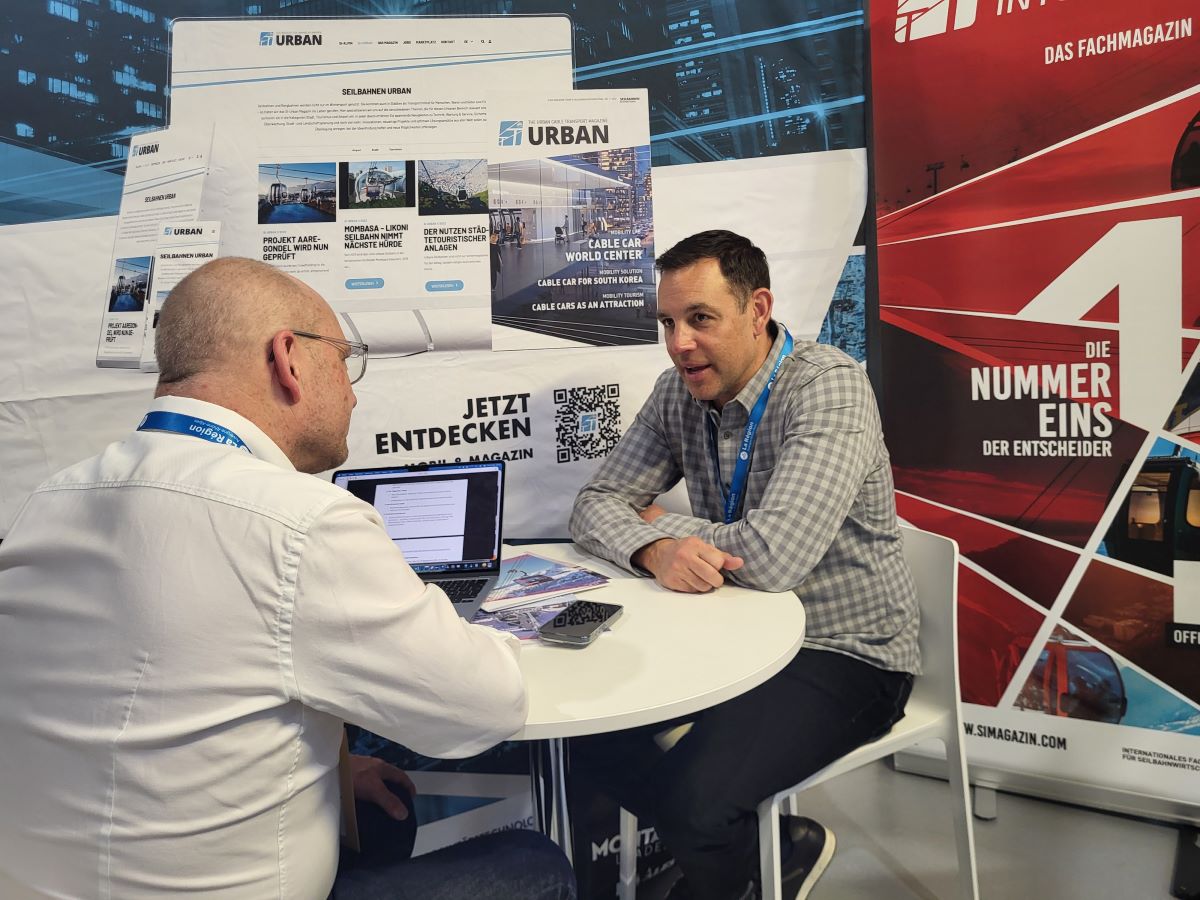
Mike Reitzell (NSAA) on the current state and trends in the USA.
Mike Reitzell, President of the National Ski Area Association (NSAA), speaks in an SI interview about the dynamics in the US ski market, ski subscription models, youth development, and how mountain resorts are becoming fit for the future.

Deer Valley Resort to Welcome New Luxury Addition
With the announcement of the Waldorf Astoria Deer Valley Resort and Residences, one of North America’s most renowned ski destinations is set to gain a new luxury landmark. Located in the heart of the Park City mountains, this ski-in, ski-out resort is scheduled for completion by 2028, promising a world-class experience.
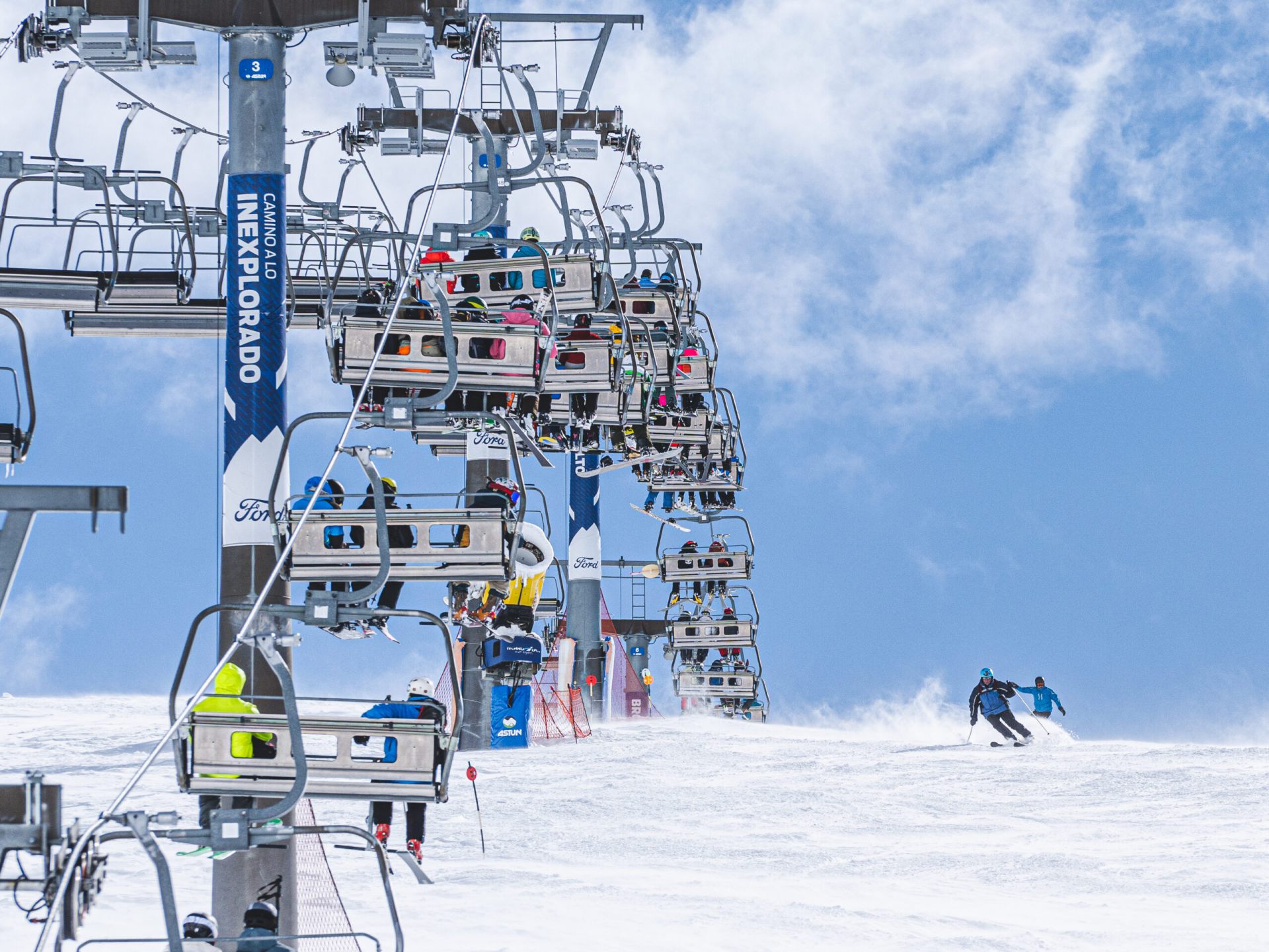
Spanish ski resorts are investing heavily
With Astún and Alto Campoo, two Spanish ski resorts are investing heavily in their infrastructure: new cable cars, slopes, snow groomers, and beginner areas are to be acquired or implemented. The details.
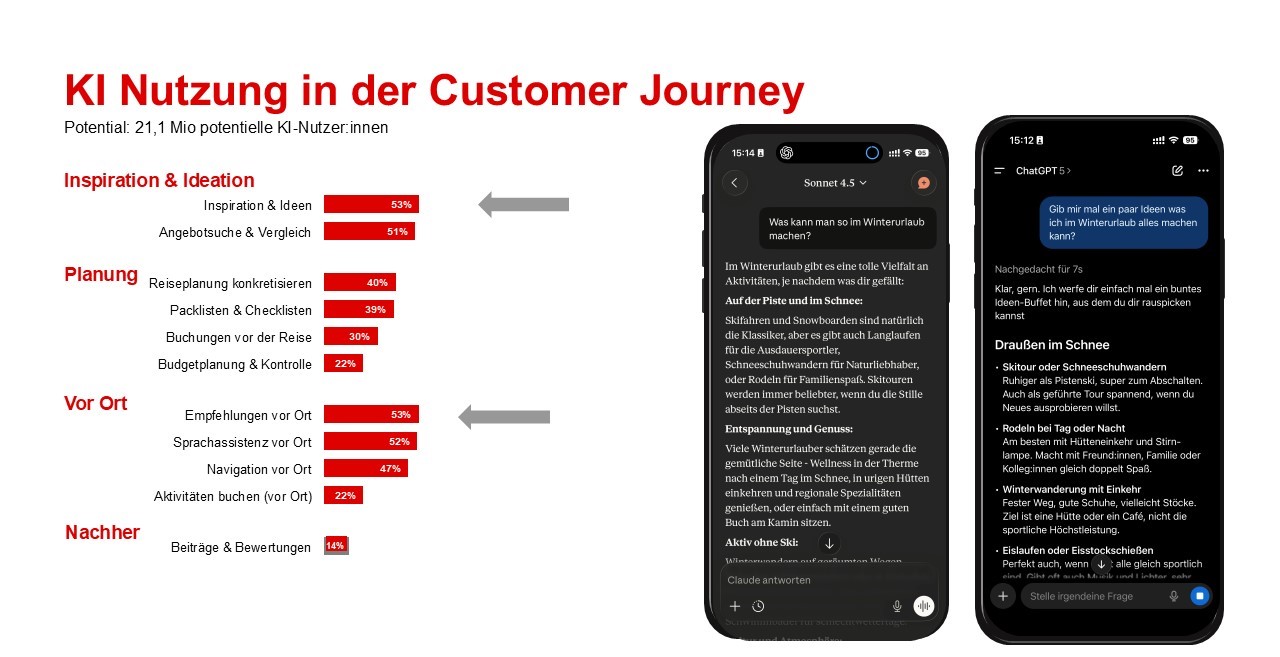
AI in Guest Communication: Three Examples from Tourism
Guest communication is an area where AI is increasingly being utilized. It answers questions, processes emails, guides guests on-site - and provides businesses with valuable information about visitors in the process. Three examples of how AI helps organizations and travelers.
LATEST
SI-URBAN
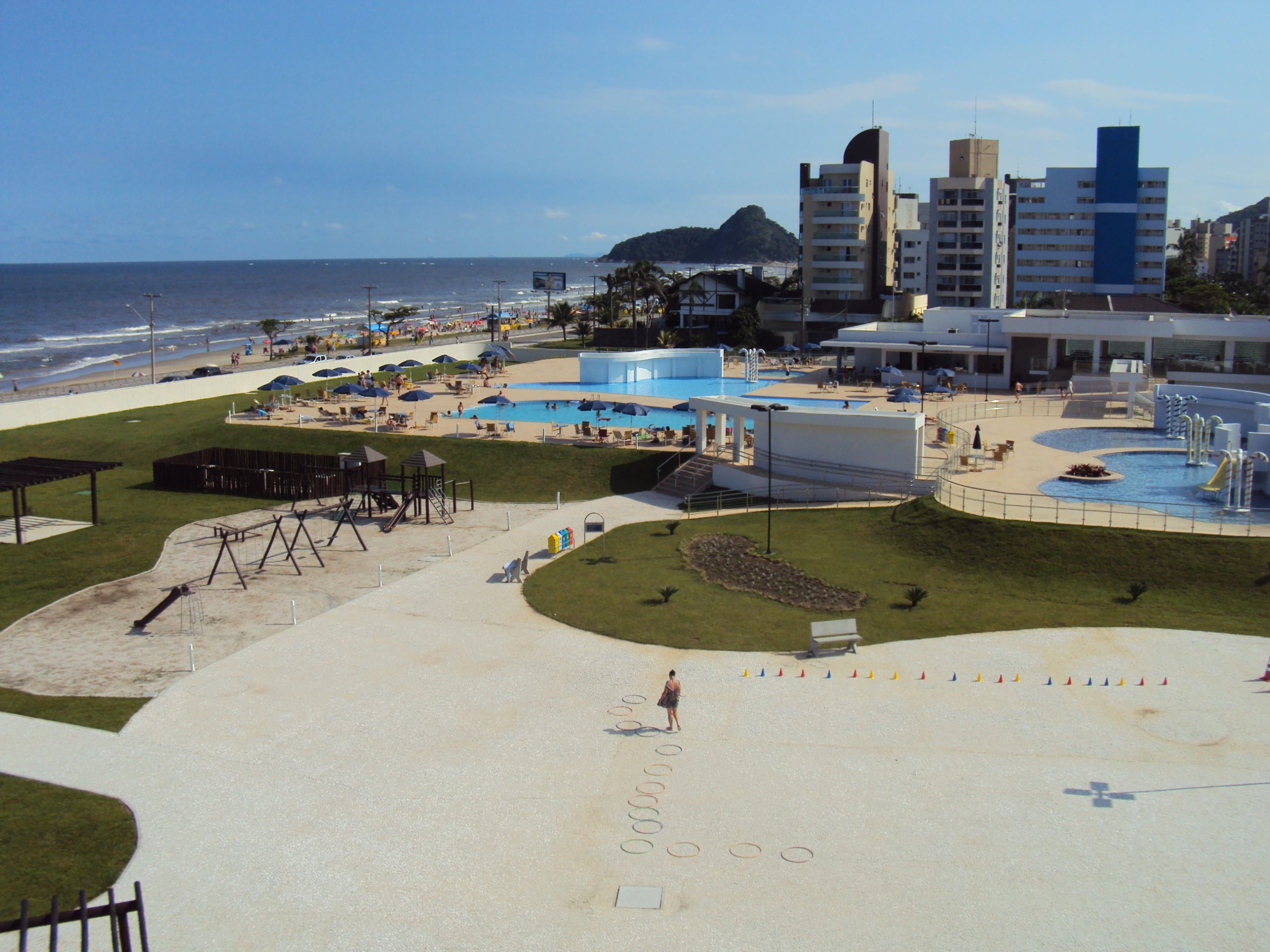
Brazil: New Coastal Cable Car Being Considered
Until the early 1990s, the Brazilian coastal city of Matinhos already had a cable car. At the time, it was one of the city’s most important tourist attractions and a major highlight of the entire coastal region. Now, the municipal administration is seeking to bring the system back.
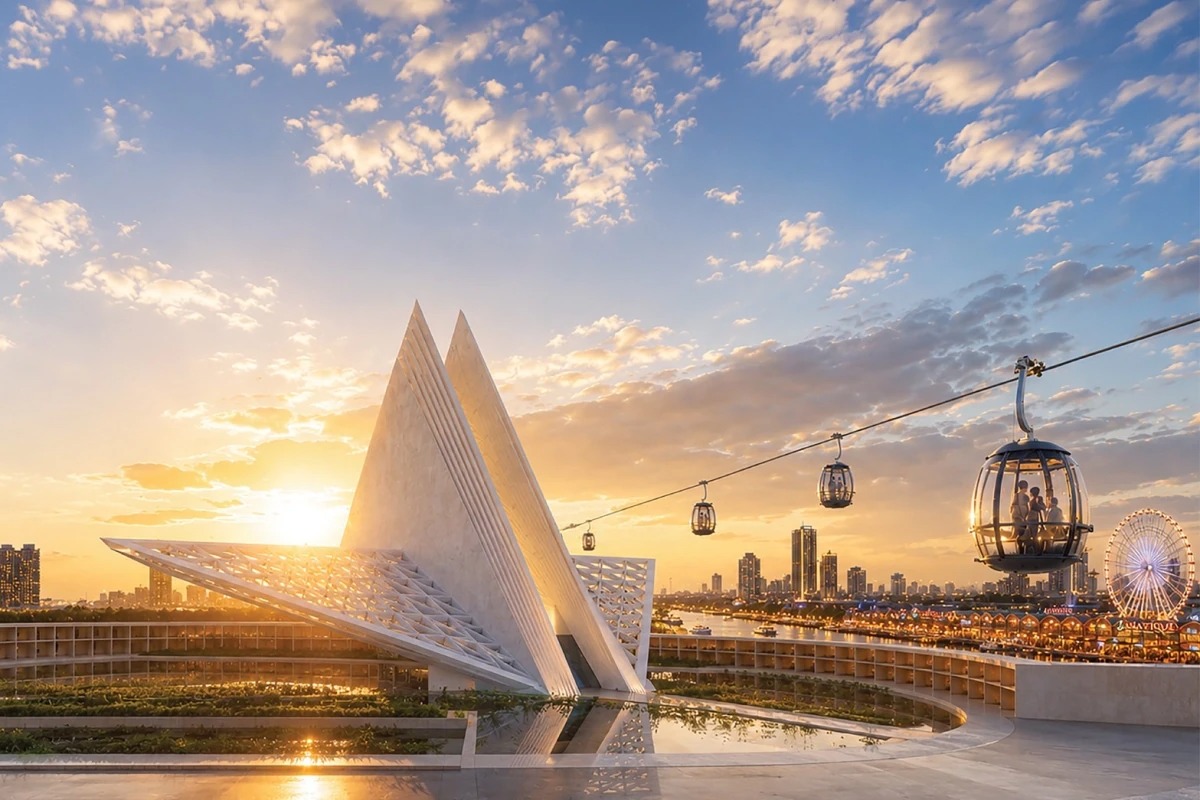
Bangkok: Cable Car for Exclusive Cultural Experiences
Several new tourist attractions are set to be developed in the Thai capital, Bangkok. Plans include a cable car, a museum of contemporary art, and an immersive experience world.
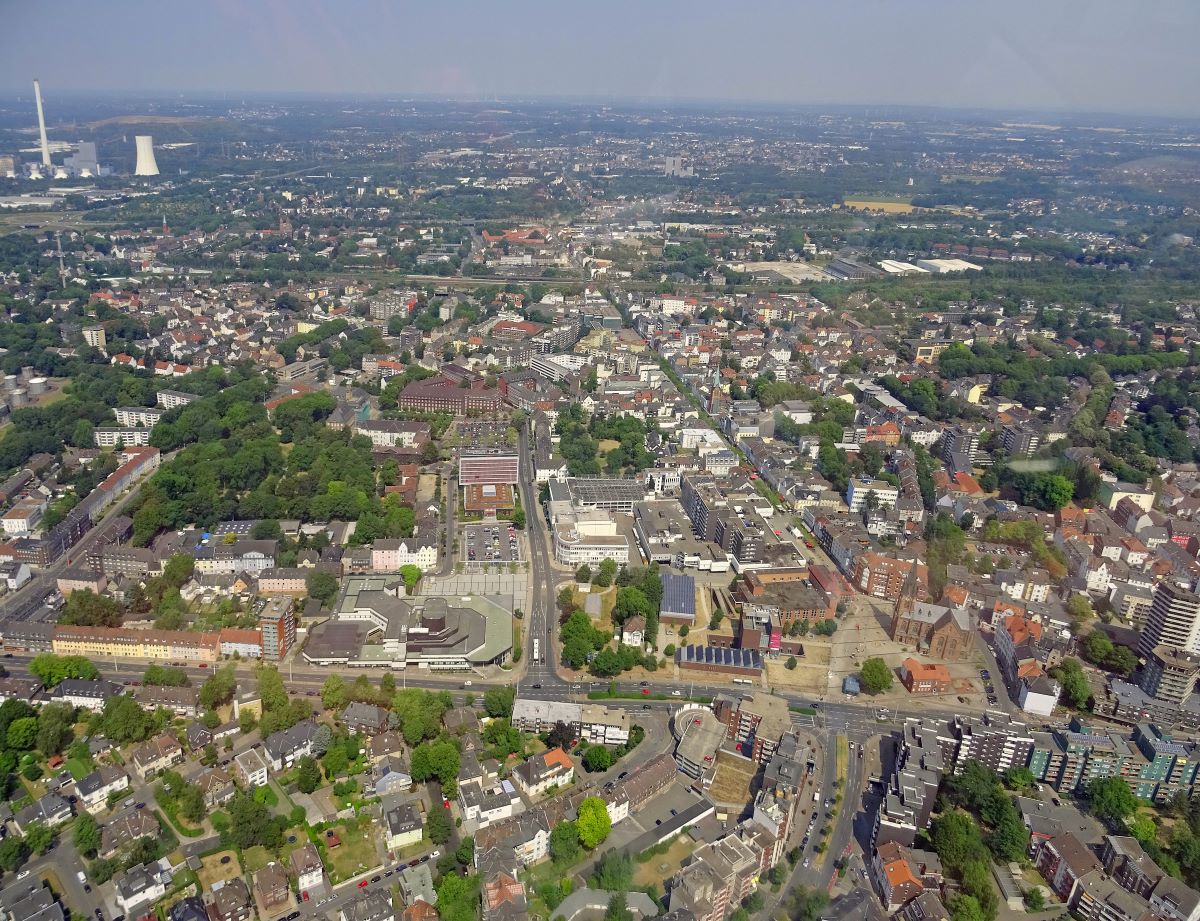
Herne: Green Light for the Cable Car
The Herne City Council has approved the construction of Germany’s first urban cable car for public transportation. The project aims to transform the former Blumenthal coal mine site into a modern high-tech district with up to 4,000 jobs.
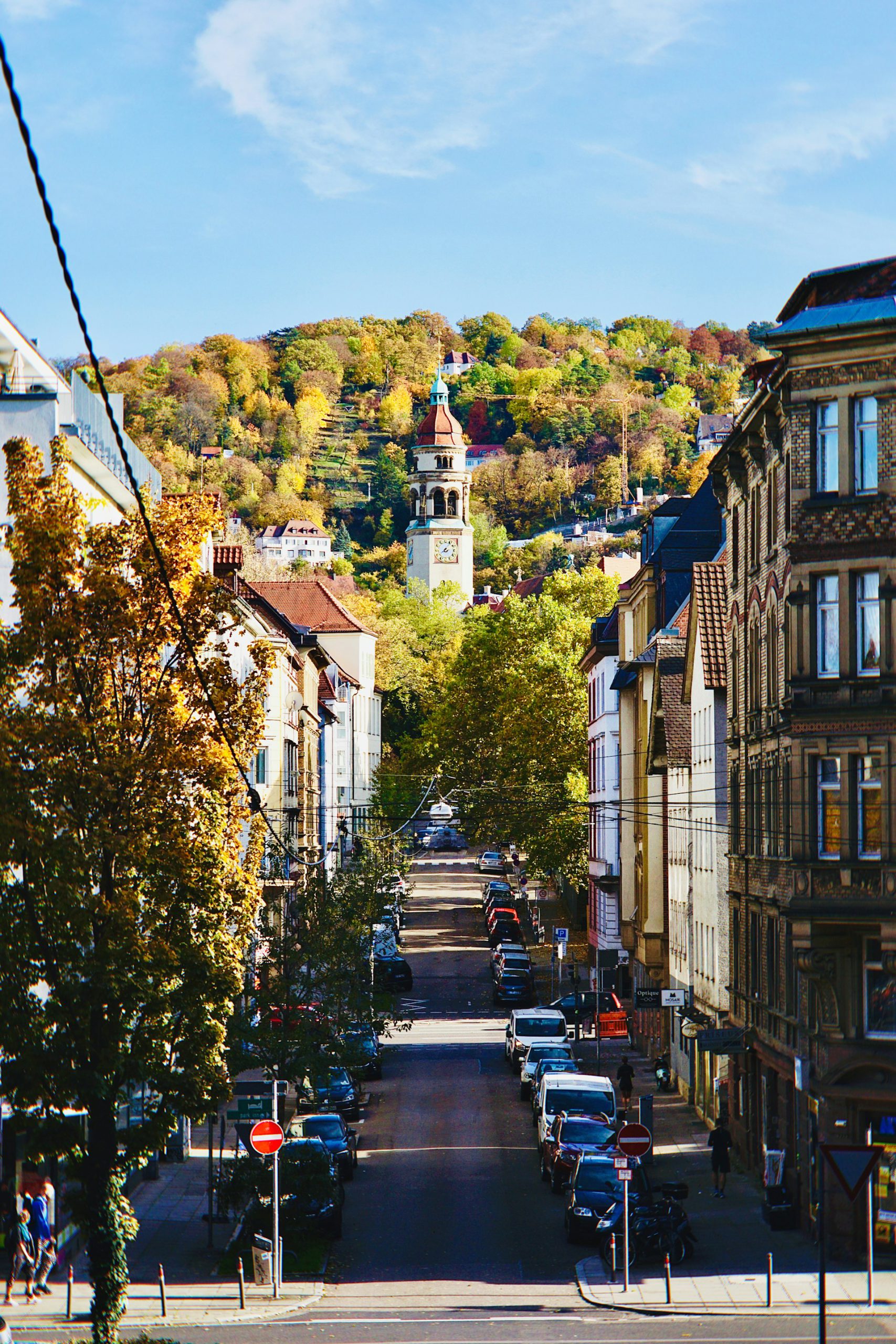
Stuttgart: New Cable Car Route in Focus
The German city of Stuttgart is examining a possible cable car route to the Robert Bosch Hospital. Although an assessment of a pilot route showed a negative cost-benefit ratio, city officials remain convinced that Stuttgart still has significant potential for cable car transport.
RELEVANT
TOPICS
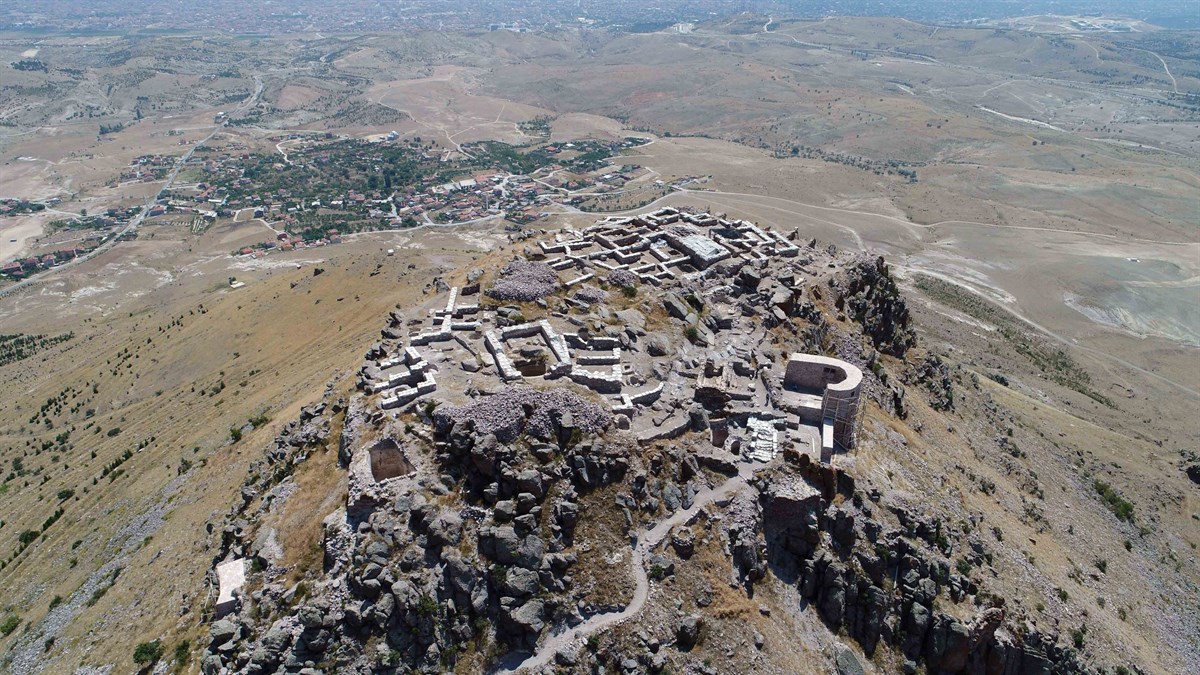
Turkey: cable car as an alternative connection to the fortress
In the Turkish city of Konya, restoration work on the historic Gevale Castle (Gevale Kalesi) is nearing completion. Local authorities aim to develop the site into an attractive destination for both domestic and international visitors – including a cable car. Here are the details of the project.

Netherlands: cable car to the outlet center?
The city of Roermond is facing problems with traffic congestion: due to its location directly on the border with Germany, it attracts many visitors, especially because of the outlet center, where designer goods can be bought at low prices. A politician has suggested building a cable car as a possible solution.
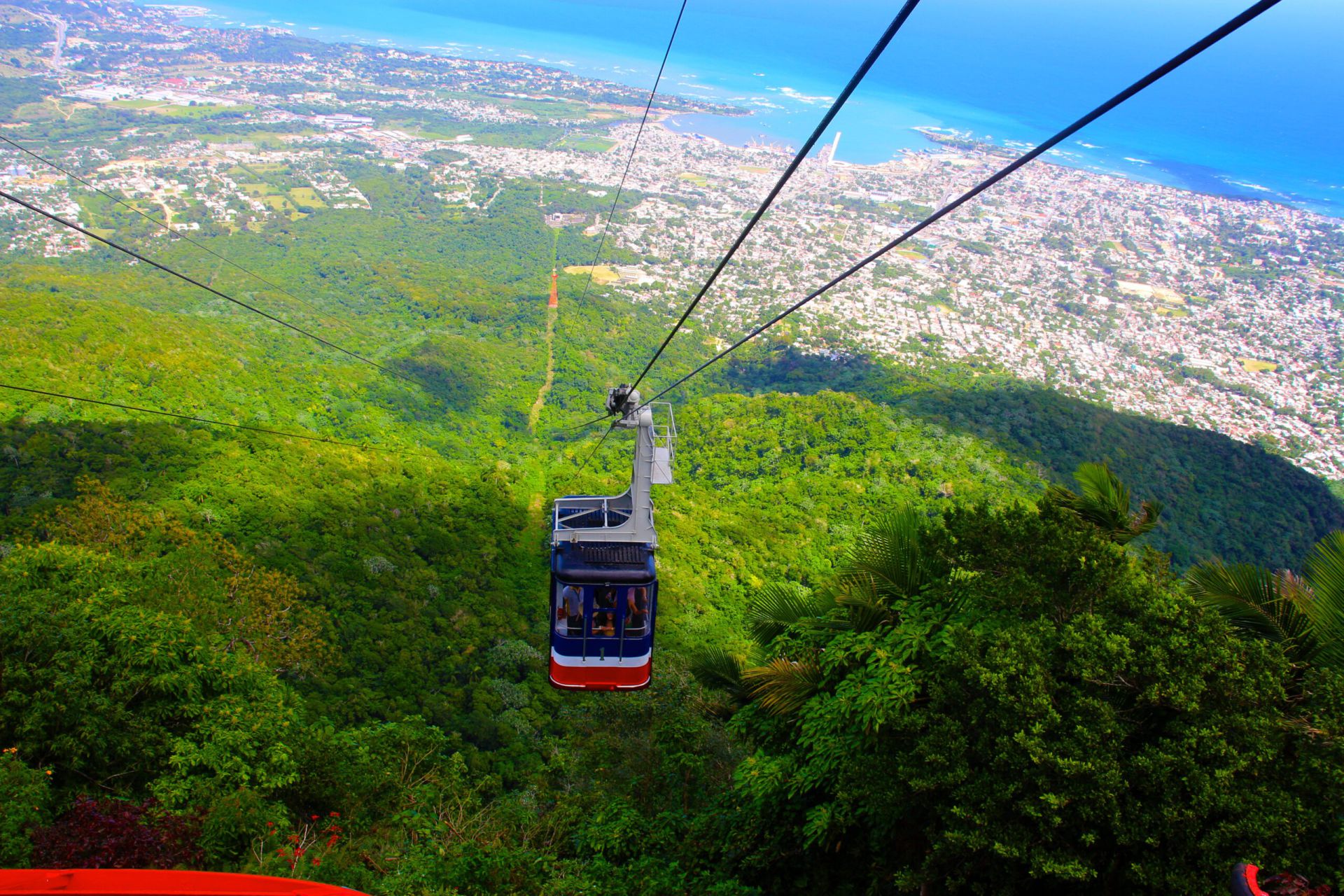
Dominican Republic: Cable Car Renovation for 20 Million US Dollars
A popular tourist destination in Puerto Plata is set to receive a modernized facility. Extensive infrastructure improvements are planned, including technical upgrades and barrier-free access. How is the project being financed?
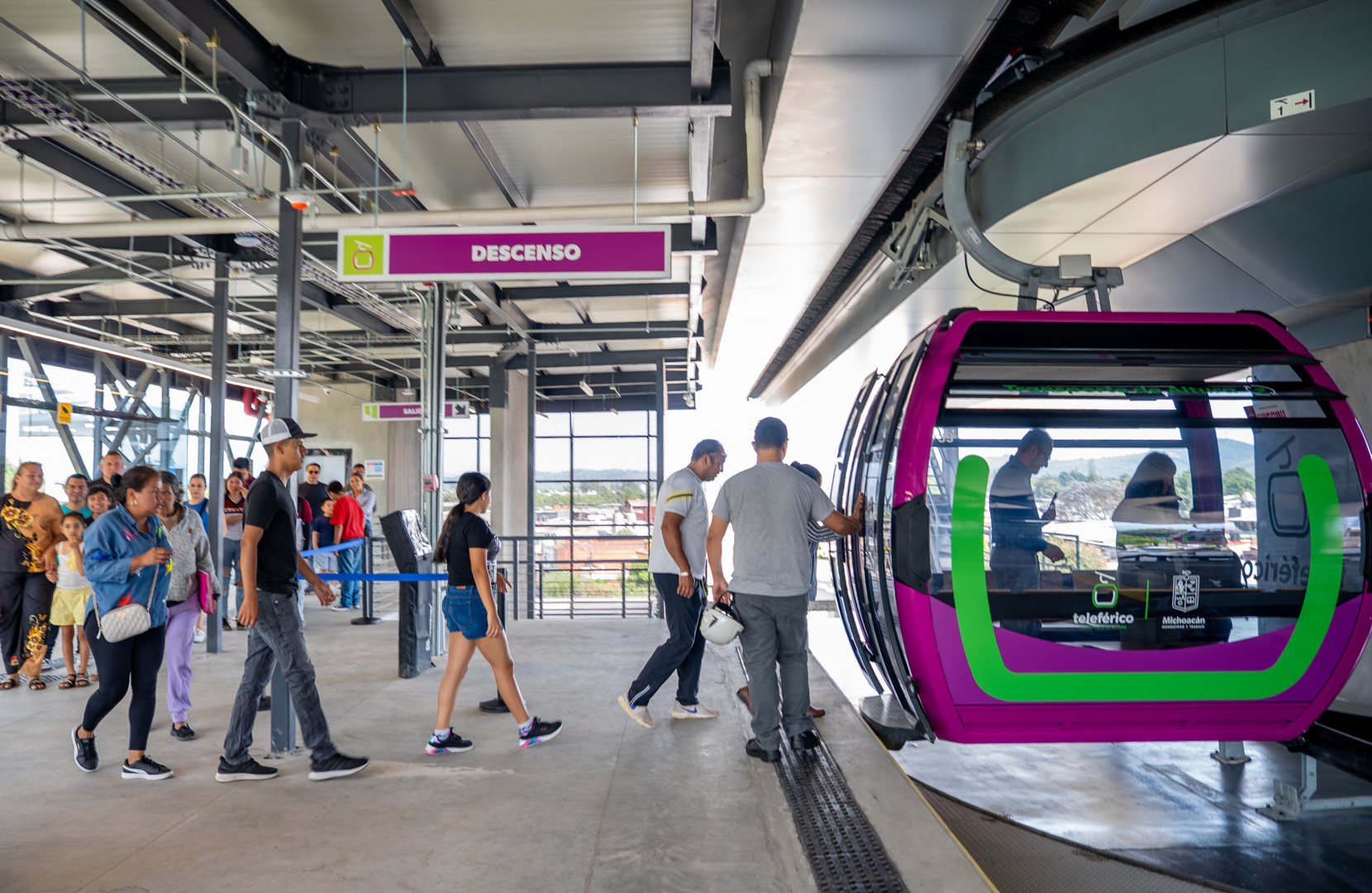
Urban ropeway opened in Uruapan
Ropeway manufacturer Doppelmayr has successfully launched the Uruapan ropeway, a milestone in public infrastructure developed in close collaboration with the Government of the State of Michoacán. The project improves access, connectivity and quality of life for thousands of residents across Uruapan.