
Management & Tourism
The corporate antidote: How Indy Pass Rethinks “Bigger Is Better” in Skiing
SI: The Indy Pass positions itself as the “antidote” to mega-passes like Epic and Ikon. Could you explain the philosophy behind the Indy Pass?
Doug Fish: The Indy Pass was designed to serve two distinct markets. First, consumers who are either casual skiers – hitting the slopes four to six times a year – or people who want to travel and experience new resorts. The second market is independent ski areas that are not corporately owned. That’s exactly where the name comes from: “Indy”.
In the United States, there are about 450 lift-served ski areas, and around 150 of those are owned by large corporations. That leaves a huge number of independent ski areas. Having done marketing for ski areas for nearly 40 years, we clearly saw an opportunity to connect these independent resorts with the massive demographic of casual skiers.

Doug Fish
Indy Pass founder
The biggest difference with the Indy Pass is that you only get two days at each resort, with a third day available at a discount. Mega-passes like Ikon or Epic give you five, seven, or unlimited days. We restrict our days specifically so we don’t cannibalize local season pass sales. The average season pass holder in the US skis eight to ten days a year. With only two days at your home mountain, the Indy Pass won’t replace your season pass – otherwise, you’d have to drive everywhere to get your ten days. That was the premise behind the pass from the beginning, and it remains our core philosophy today: we are here to support independent ski areas.
What does the typical Indy Pass holder look like?
The typical Indy Pass holder is a 36-year-old male. In general, our demographics mirror the wider ski industry: mostly between the ages of 25 and 44, skewing male.
However, we also attract a lot of families. We offer a very inexpensive pass for kids aged 12 and under, priced at around $150 to $180. Because of this, we see a lot of families purchasing our product.
How much does the Indy Pass currently cost, and how many destinations does it include globally and in Europe?
The pass starts at $350 US and goes up to about $499 if you buy it right before the season begins. This year, we are guaranteeing 300 resorts globally.
Out of those, we will have 50 destinations in Europe. To give you a breakdown for the DACH region, that currently includes seven resorts in Austria and one in Germany.
What plans do you have for further development in Europe?
We have a team based in the UK, both industry veterans who are working with us to develop partnerships in Europe. And our goal is to have over a hundred resorts in Europe by 2027-2028.
Big plans for Europe:
For the 2026/27 season, Indy Pass announced 16 new ski areas – six of them in Europe.
Do you see a trend of corporatization and consolidation in the European ski industry, or is the dynamic there different?
I do see that trend. it’s slowed down, but over the last decade, there’s been tremendous consolidation of ski resorts in the United States and Canada, and, from what I understand, in Europe.
And I think that will continue. And that’s why we are here to support the independents. We give them a voice, and we give them a community to be a part of without giving up their independence.
How do you define an independent resort? To what extent is it important for ski resorts to remain independent?
We allow some consolidation. We have one group that owns five ski resorts in the US, but each of their resorts is independently managed and operated. We have another group that just purchased their fourth resort. So consolidation is happening within our community, which is inevitable – it’s just the way of capitalism.
But how we define “independent” is that a resort cannot be a member of Epic, Ikon, or some of these other big corporate passes. And if they’re willing to commit to the Indy Pass on an exclusive basis, then we gladly accept them into our coalition.
What, in your view, is an authentic ski resort?
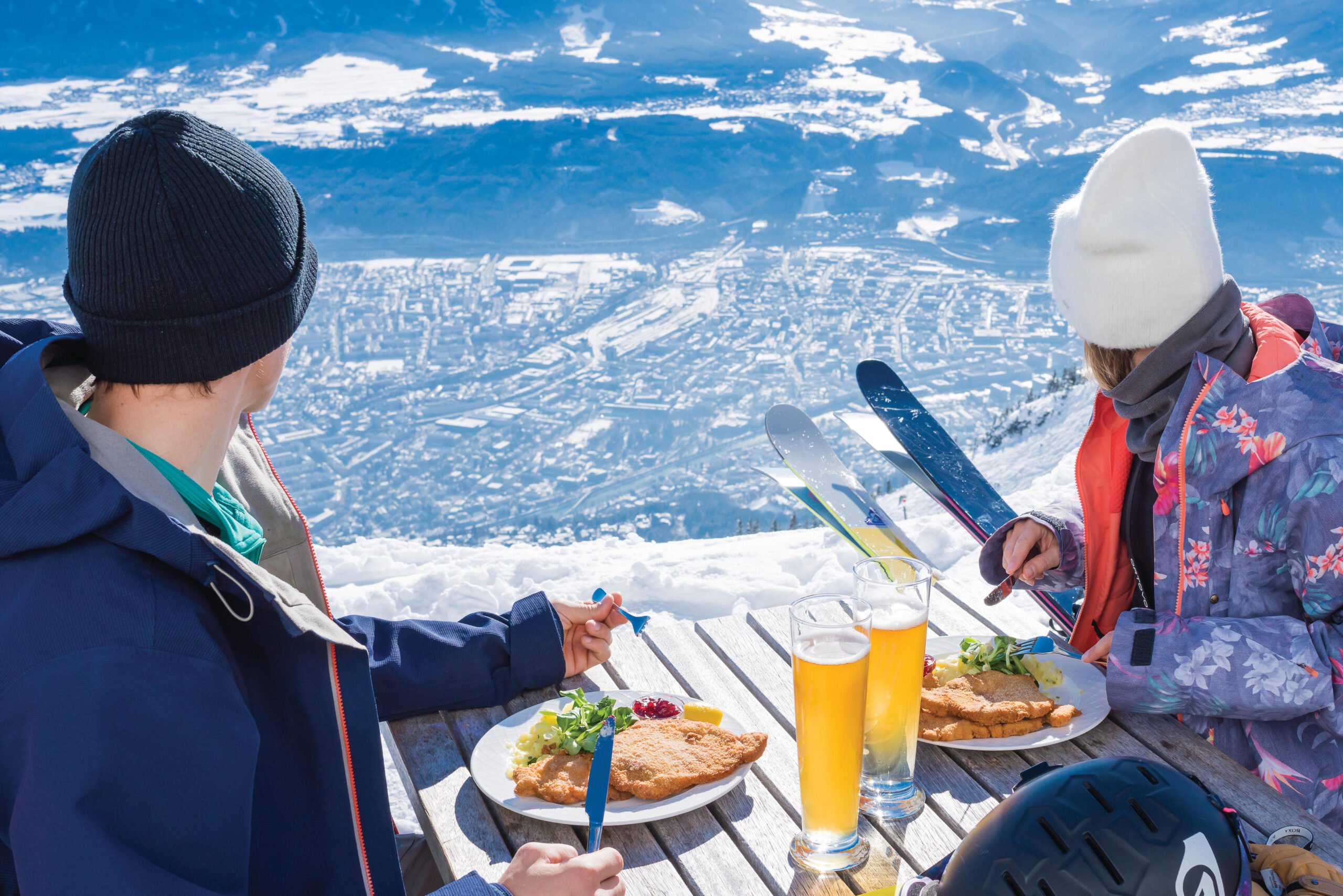
It’s old-school. A lot of big resorts like Whistler, Tremblant, and Vail were built in the ’90s and 2000s to look like European villages. They are wonderful, beautiful resorts – I’ve skied them all – but it’s just not the same as going to a real, 400-year-old village attached to a ski area in France or Austria.
The resorts on our pass have been around for generations. The lodges are rustic, and these places aren’t fancy. If you want a spa, a disco, and ten restaurants, the Indy Pass is not for you.
But if you want to ski the way the sport was designed to be enjoyed, rather than as a getaway for rich people, then you should consider the Indy Pass. We represent what is authentic, independent, and uncrowded.
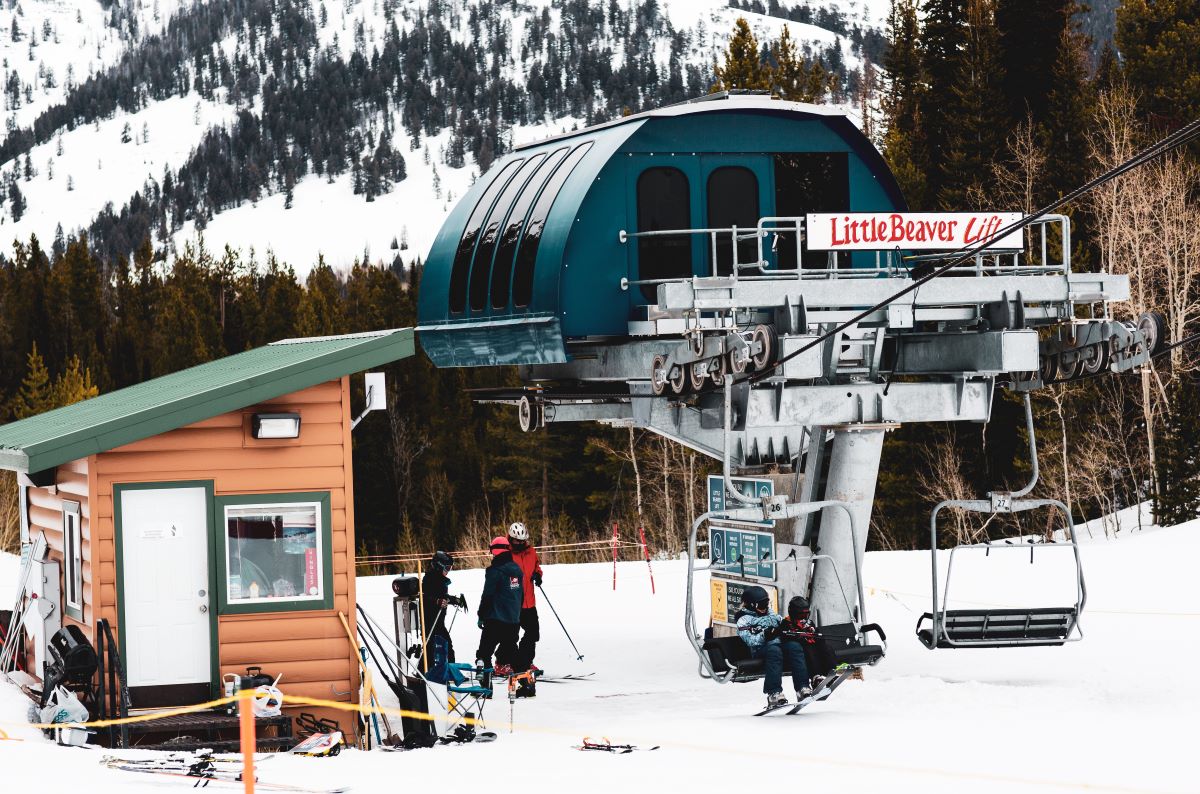
The two-day limit at each resort is a key part of the Indy Pass model:
It helps ski areas maintain strong sales of their own season passes.
From the perspective of an Austrian ski area operator, what is the primary benefit of joining?
It is primarily a vehicle to market in the US and generate traffic from American skiers.
We do not sell many passes in Europe currently, but there are plans afoot to more aggressively market the pass there, particularly in the UK. At that point, I think we can also generate domestic visits for our Austrian partners.
Right now, the Indy Pass is not as attractive for local European skiers to buy. In Europe, lift tickets are relatively inexpensive – around 40, 50, or 60 dollars or Euros – and our pass is $350 US. Plus, with our two-day limit, if a local Austrian wants to ski ten days, they’d have to drive to five different resorts.
But for international visitors from Scandinavia, the UK, or North America, it’s a great way to plan a trip: they buy the pass, book a couple of hotels, and experience what the country has to offer.
We bring in these international travelers. The numbers won’t be huge, but if a ski resort in Austria tries to market in the US on its own, it is very, very expensive. By joining the Indy Pass, they have zero marketing costs.
Furthermore, for all the guests who arrive, the resorts get their data – names, addresses, emails, and phone numbers – and they become part of their database. Those people then go back to the United States and advocate for those resorts. So it’s a marketing program that generates guaranteed revenue.

How many American tourists have come to Europe via the Indy Pass in recent seasons?
You know, we don’t publish our numbers, but I can tell you that our visits to Europe doubled last year. This year, we added a lot of resorts in Europe – I think we went from about 15 to 30, 35, or maybe 40 – and our visits are up 300 percent.
Now, the numbers are still modest, but the trend is definitely there and moving upward.
Our pass sales have increased by 30 percent every year for the last four years, with next year looking to be no different. So we are continuing to be the fastest-growing pass in the world, and our European visits will continue to grow exponentially.
The 2026/27 Indy Pass is now off sale. How quickly did you sell out the passes, and how many people are you limiting it to? How does your system work?
While we don’t disclose the raw numbers, the entire release sold out in about a week.
Our system follows a strict priority order. Existing pass holders get the first opportunity to renew. Next, we open access to the waitlist: if you’re signed up, you get an email notification and a three- to four-day window to purchase. Finally, whatever is left goes to the general public.
This year, that public sale lasted less than an hour before everything was gone.
We do this because many of our partners are smaller ski resorts. For some of them, Indy Pass traffic accounts for 25 to 30 percent of their total winter visits, and we refuse to overwhelm them.
Our core promise is an independent, authentic, and uncrowded experience. To protect that, we put a hard cap on our growth every single year.
The 2026/27 Indy Pass is now sold out:
All passes were snapped up in less than a week.
How do you plan to further develop the Indy Pass, and which recent innovations are you particularly proud of?
We will continue to do what we do: add resorts worldwide and maintain the affordability of our pass. Our pass starts at $350, while the Ikon Pass is $1,350 – so it’s very affordable.
I’m incredibly proud of our employee pass program. If you’re a partner resort, your employees can buy the pass for just $25, giving them two days at all participating mountains. It’s also an excellent hiring tool for seasonal staff.
Last year, we also launched the “Learn to Turn” pass for the beginner market, which was highly innovative. For $179, beginners got three days of lift tickets and three rental packages – including skis, boots, and poles, or snowboard gear – at about 40 participating resorts.
On top of that, we sent a $40 discount coupon to all of our existing pass holders to share with friends. For $139, those beginners got three lessons, three rentals, and three lift tickets, allowing them to hit the slopes with a friend.
Intimidation is a huge barrier to entry; nobody wants to go to a ski resort alone if they’ve never skied before. But it changes completely if they can go with a friend who helps them save $40 and guides them through those first three days.

Indy Pass
connects ski resorts with international travelers.
What trends do you see in the development of ski tourism in North America?
First, weather and climate have become such massive factors now.
People are booking their trips at the very last minute because you just don’t know where the snow is going to be.
Once you get burned once – where you book a trip to a fancy resort, put down $10,000, and arrive only to find no snow or rain – you don’t do that again. Since most of these big resorts have plenty of capacity, people are simply waiting until the last minute to book, which makes complete sense.
The second trend we’re seeing, especially with the Indy Pass, is that people are buying it specifically to travel.
For example, we have 28 resorts in Japan, which gives you 56 days of skiing if you want to hit them all. Skiers are realizing that the experience at a small resort is often superior to a big one for many reasons.
Big resorts are incredibly expensive; not only do you spend big money on the pass, but hotel rooms are $350 a night, the food is pricey, and everything adds up. If you go to a smaller place, it’s half the price.
As a result, we’re seeing a major shift from big resorts to smaller ones.
Let’s face it: most skiers are intermediates, and only about 10 percent are legitimate experts. For the average skier, having fun on the mountain doesn’t require 900 metres of vertical and 1,200 hectares of skiable terrain.
I think we have done a pretty good job of convincing people that bigger is not better, and we are clearly seeing that trend take hold in the US.
Interview: Gerald Pichlmair