
Management & Tourism
The A-Basin Formula: The Move from Vail to Alterra and Solving the Crowding Crisis
SI: In Europe, mega-passes are a hot topic right now. In 2019, you decided to end your partnership with Vail Resorts after about 20 years. Why did you make the decision to leave?
Alan Henceroth: The reasons we left are complicated. We were partners with Vail for a long time, and it worked great, but we didn’t have much control over how many people came. As we got busier, it started crushing the experience.
Due to our location along a prominent high-elevation highway, more cars showed up than we could park. Guests were frustrated by traffic and lack of parking, while the highway department and state patrol were upset. We just couldn’t deliver the ski experience we wanted.
So we decided to look for new partners. We contemplated going solely on our own, but in Colorado, most skiers want a choice – a pass that’s good at multiple areas. We felt really well-aligned with Alterra and the Ikon Pass, so we partnered with them.
A few years later, we ended up getting purchased by Alterra. Ultimately, what we were really looking to do was have much better control of visitation. We didn’t want those days where the highway was a mess and guests were upset.
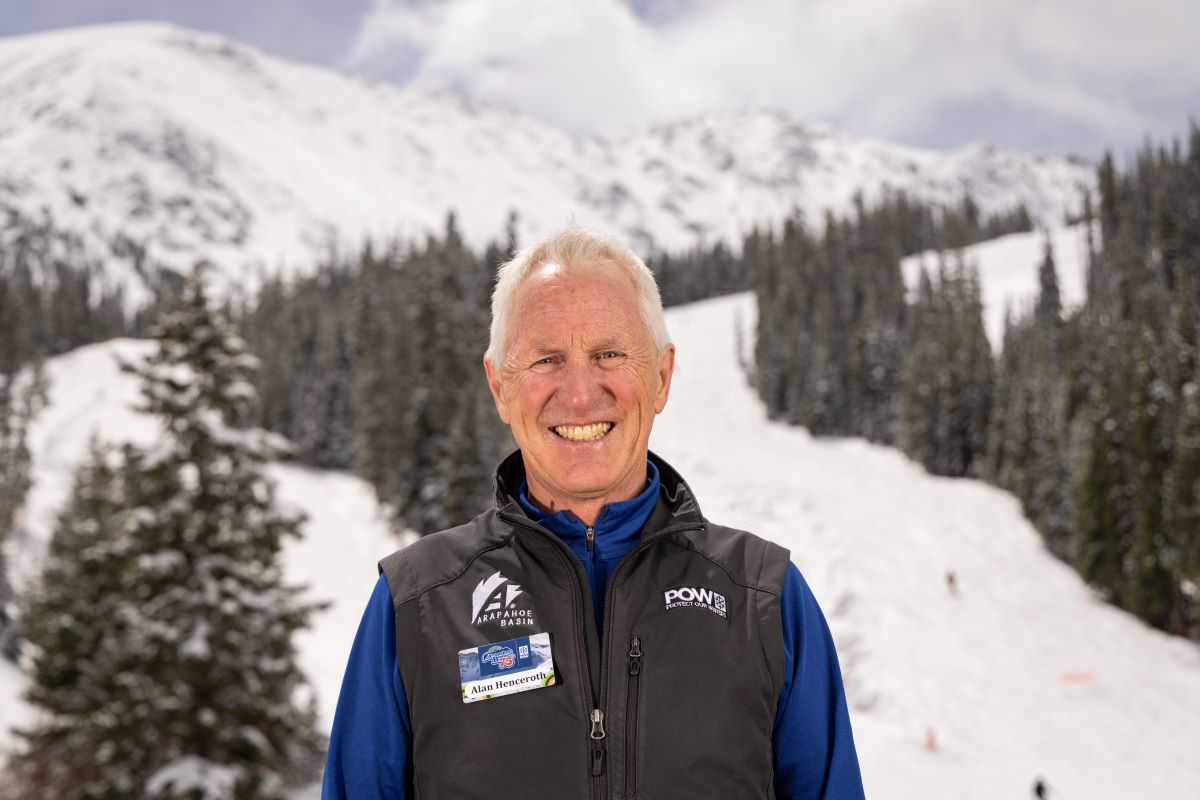
Alan Henceroth
A-Basin’s President and COO
How did you manage to gain more control over the crowds?
We’ve tried a lot of different things to control visitation. We managed the amount of daily lift tickets we sold. That worked well for a few years, but it wasn’t perfect. Whenever the skiing was really great, we still had problems with too many people showing up.
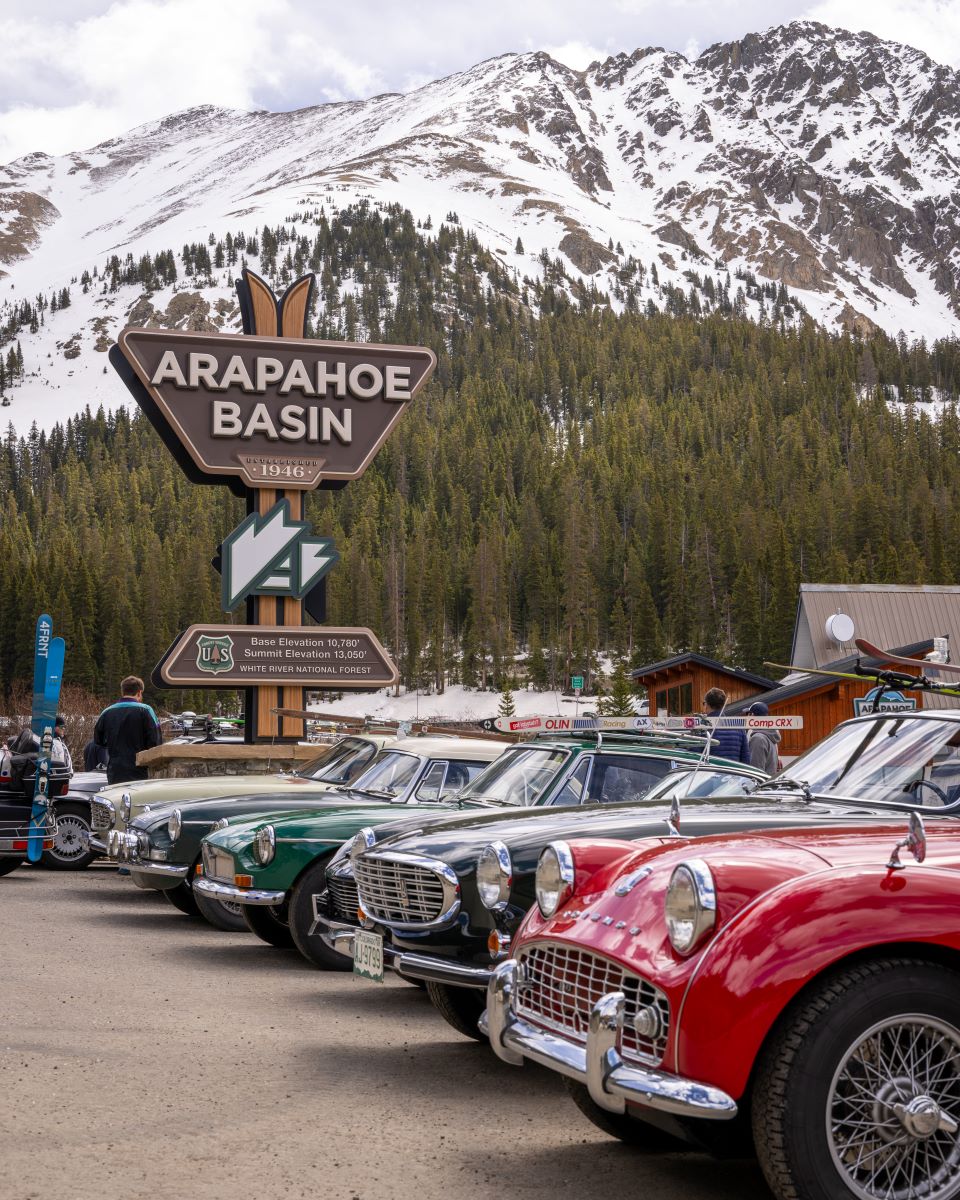
The next move we made was to implement a parking reservation system for our busy weekends. We charge $20 for the day, but if you carpool with four or more people, it’s completely free.
Initially, there was quite a bit of pushback. Whenever you charge for something that used to be free, people might think you’re just gouging them for 20 bucks.
But the reality is, I’d much rather have everybody carpool. Prior to reservations, we averaged less than two people per vehicle; now we have about three. It’s better for us to have four people in a car and not get the $20 than to have one person and get the $20.
It ensures nice, orderly parking where everybody gets a spot and gets to go skiing. Since starting this, our average ridership went from less than two people per vehicle to about three.
We’ve done this for two seasons now, and the guests really appreciate it. Previously, there was this crazy morning rush because everybody wanted to secure a spot, which created a frantic arrival experience. Now that people know they have a guaranteed space, they take their time getting here.
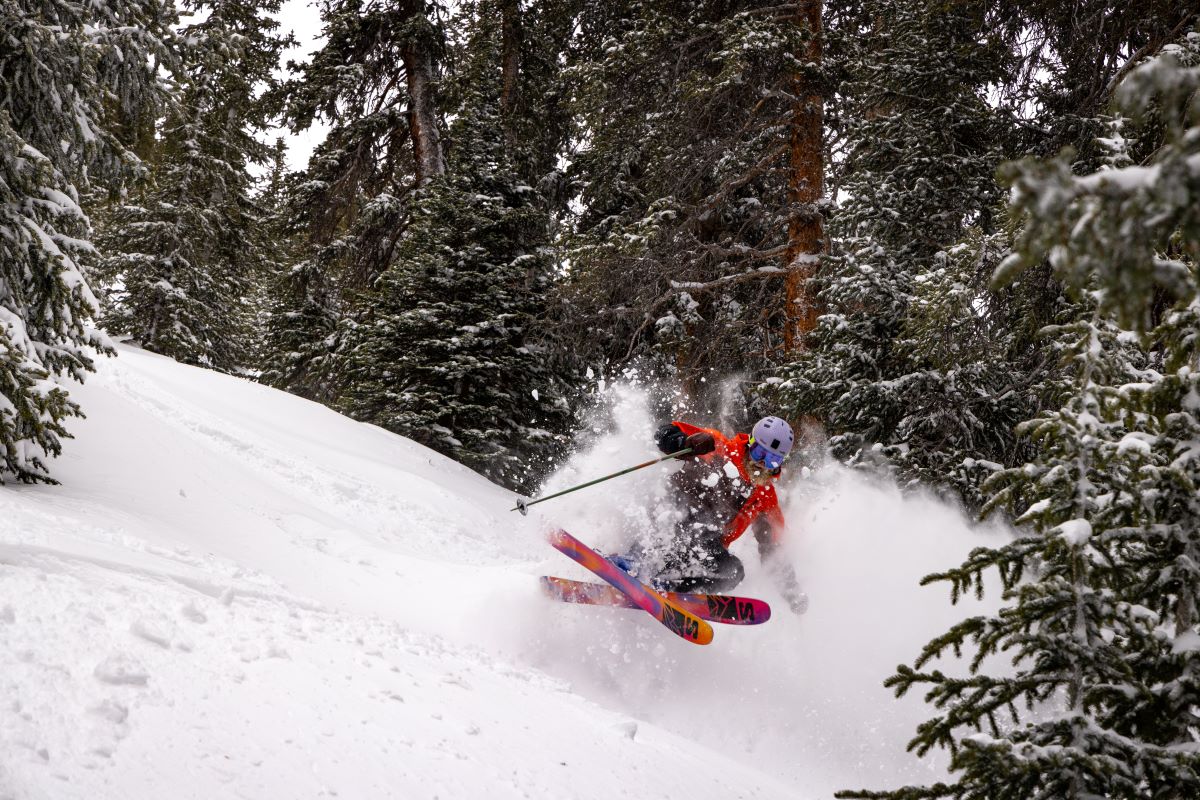
Managing skier numbers was key to preserving A-Basin’s unique atmosphere.
One solution was the introduction of paid parking.
Arapahoe Basin was recently acquired by Alterra. Were you hesitant about it after your previous experience with Vail Resorts?
I wasn’t hesitant about Alterra at all. I think they’re a great partner, and their resorts, along with the other Ikon partners, are an outstanding mix for us. When I think of all the places I like to ski – Palisades, Crystal Mountain, Revelstoke, Alta, Snowbird, Jackson, Big Sky—they’re all on the Ikon Pass.
Does this decision mean that it is almost impossible for a ski resort in the US to survive today without being part of a mega pass?
I don’t think it’s impossible. There are plenty of areas doing great on their own. It really depends on where the resort is located, what they want to do, and who their client base is. If a mountain is really isolated, maybe their guests only ski that one mountain.
But in our situation, we’re surrounded by a bunch of really great ski resorts. For a skier, Colorado is just an incredible place to be because people have so many choices, and they want variety.
We seriously considered going on our own when we left Vail, but we realized that even most resorts not on mega passes still have smaller partnerships to give their guests choices. In our case, it just made sense to partner with others.
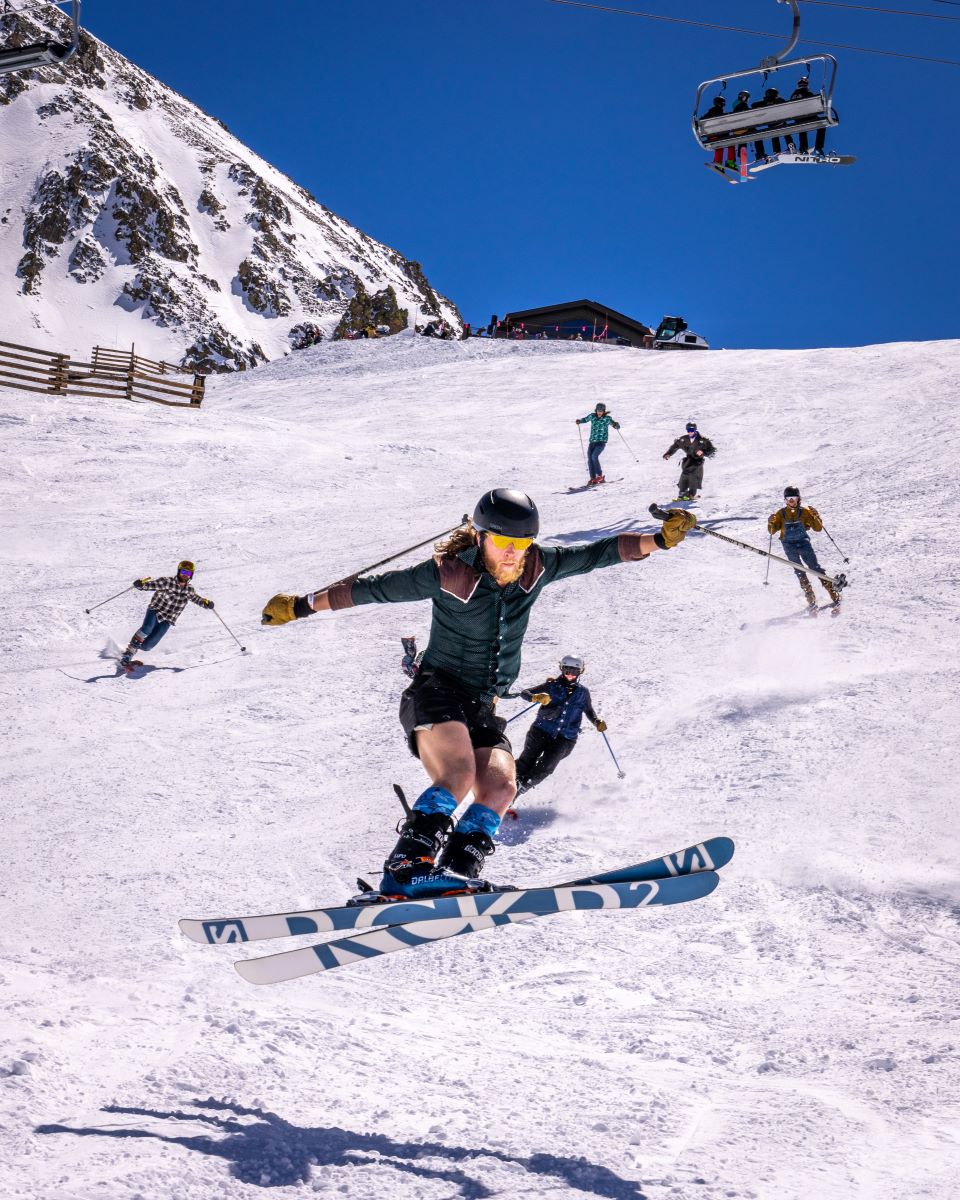
A-Basin’s partnership with Alterra
helps attract skiers who looking for greater choice and flexibility.
How has your operational freedom changed after joining Alterra?
There have been changes, but most of them are back-of-house. There’s a new IT system, a new accounting system, and new HR systems.
However, my personal freedom as to how we run the mountain hasn’t changed at all. When and how we open and close, our policies and procedures, what we offer our guests –none of that has changed. Those are still our decisions to make on the mountain.
How do you define the uniqueness of A-Basin compared to your competitors?
Well, I’m a little biased because I’ve worked there for 38 years, and it’s also where I ski for fun the most.
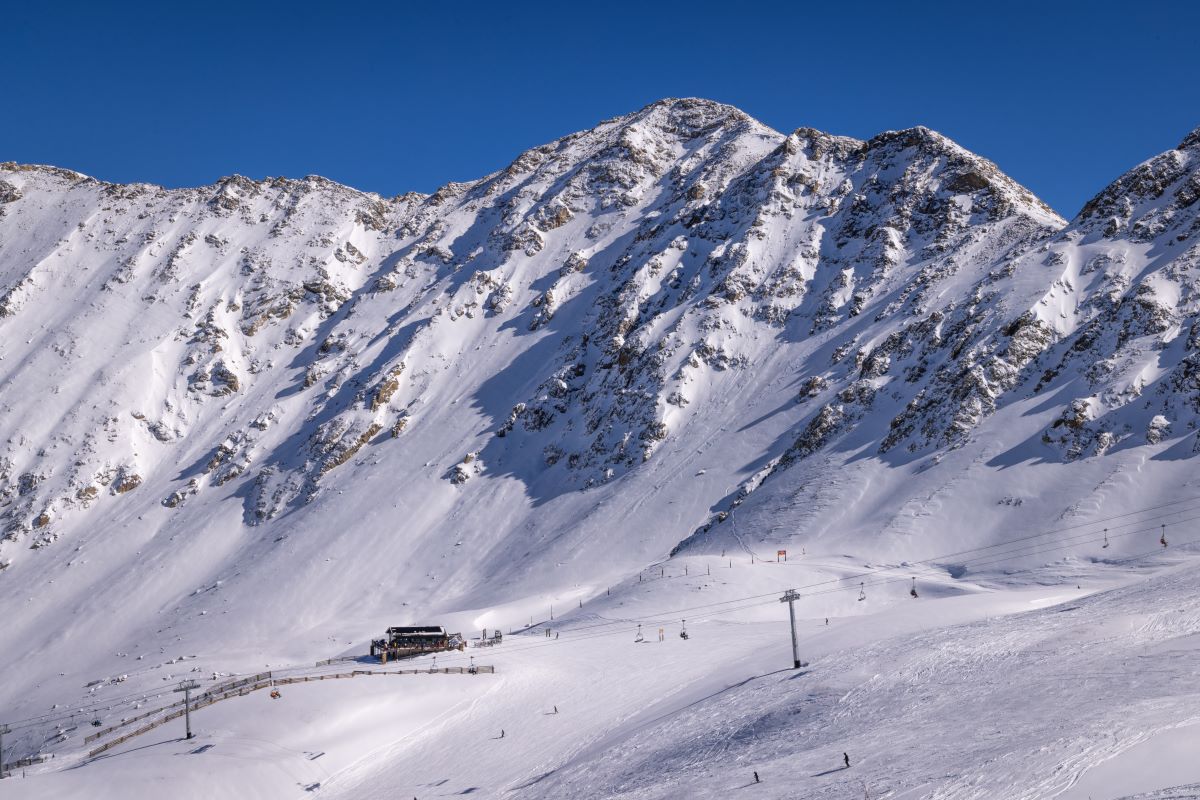
© Lucas Herbert, Arapahoe Basin
But what’s different about us is our size. We’re not a huge resort, but we’re not a little dinky one without any resources either. We’re a really nice size where most people can be happy for a really long time. We have very good facilities, great lodges on the hill, and a great lift system.
We have a great set of people who work there and a great set of people who hang out and ski there. To me, two things really stand out: the mountains – which are as good as it gets – and the culture, the vibe. There’s nothing like it. You have to be there to feel and understand it, but it is truly one-of-a-kind.
What specific technology at the resort are you most proud of?
I’d say our lift system. It’s very up-to-date – our oldest lift is 18 years old, and the newest is just three. We also have a solid, simple snowmaking system, which we plan to expand as part of our upcoming master plan.
In 2025, you announced a 10-year master development plan together with Alterra. What will be the main focus of the investments?
There are a lot of different projects in that master plan.
The very first things we’re going to work on are expanding the snowmaking system and adding a little more parking.
That includes a pedestrian bridge over the highway to make the flow of skiers arriving and leaving the mountain much smoother and easier at the end of the day. And the third thing we’re working on is installing remote avalanche control systems.
One of the biggest challenges in the Alps right now is retaining qualified staff. What is your approach there?
That’s a challenge here too. For the last several years, we’ve been doing a very good job. Generally, the labor market has made it easier to find, hire, and keep people, though there have been times in the past when it was really difficult. I imagine that trend is going to be cyclical.
What we try to do is make the compensation package competitive. But more than anything, we try to create an environment where people want to be, where they want to work, and where they can be proud of the place. Ultimately, you have to do both of those things.
How do you make people proud to work there?
Oh, it’s hard. But I think you have to be honest and transparent with people. Your actions have to match your words. You also have to create a fun environment. You have to listen to your team and find out what is really important to them.
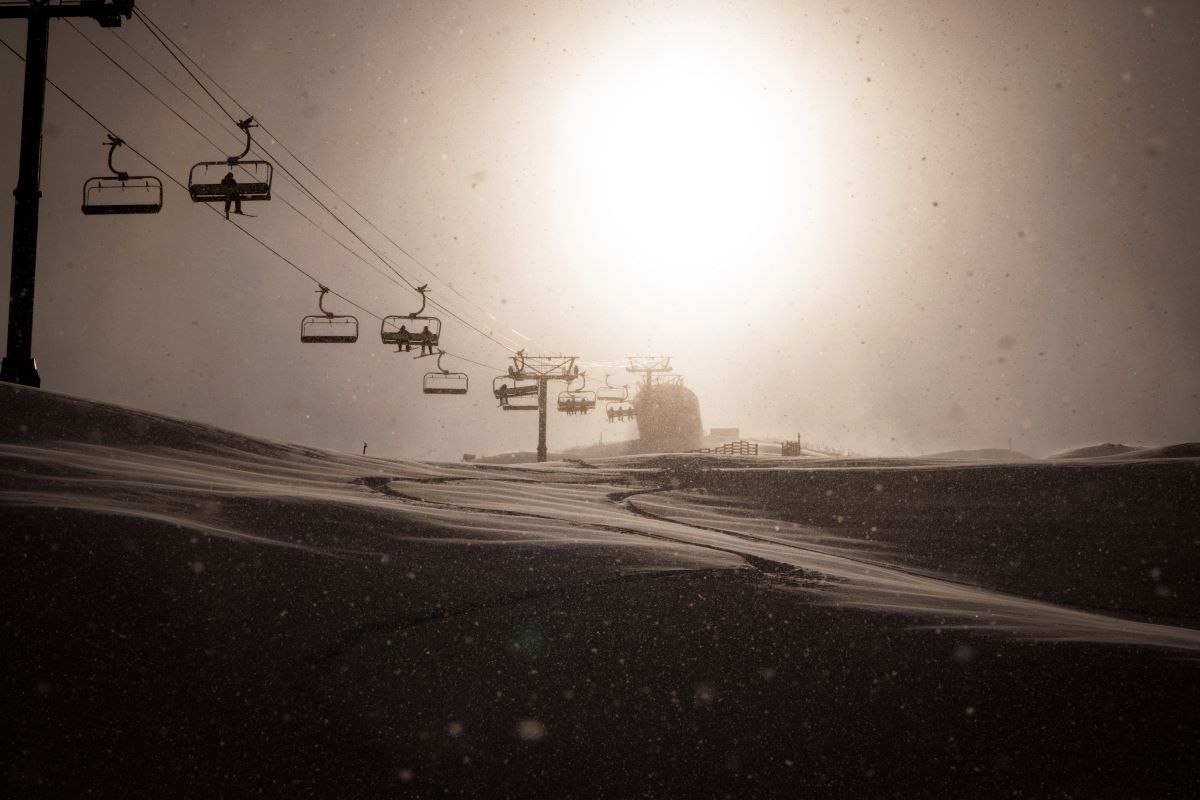
Modern lifts
are among the achievements that make Alan Henceroth proud.
Is there any specific European ski industry practice or concept you would like to implement at your resort?
I think we’re actually working on one right now: remote avalanche control systems. I know there are a lot more of those systems in Europe than in the US.
A few US resorts and highway departments are using them, and it’s something we plan to implement over the next few years. We’re currently working through the regulatory process to get that approved.
What do you think European ski resorts can learn from the US, and vice versa?
I love skiing in Europe. I’ve skied in France at Trois Vallées, Flaine, and Portes du Soleil; in Switzerland at Crans-Montana, Zermatt, Zinal, and Verbier; and at several places in Austria.
If there’s one thing Europe could learn from us, it’s organization in the lift lines. The mazes and queues could definitely be a little more organized over there.
On the flip side, we have a lot to learn from Europe.
From my observation, European resorts seem to operate with fewer employees. We can learn a lot about their technologies and ticket-scanning systems.
We use some of the same systems here, but they seem to work a bit more easily and cleanly in Europe than they do here sometimes.
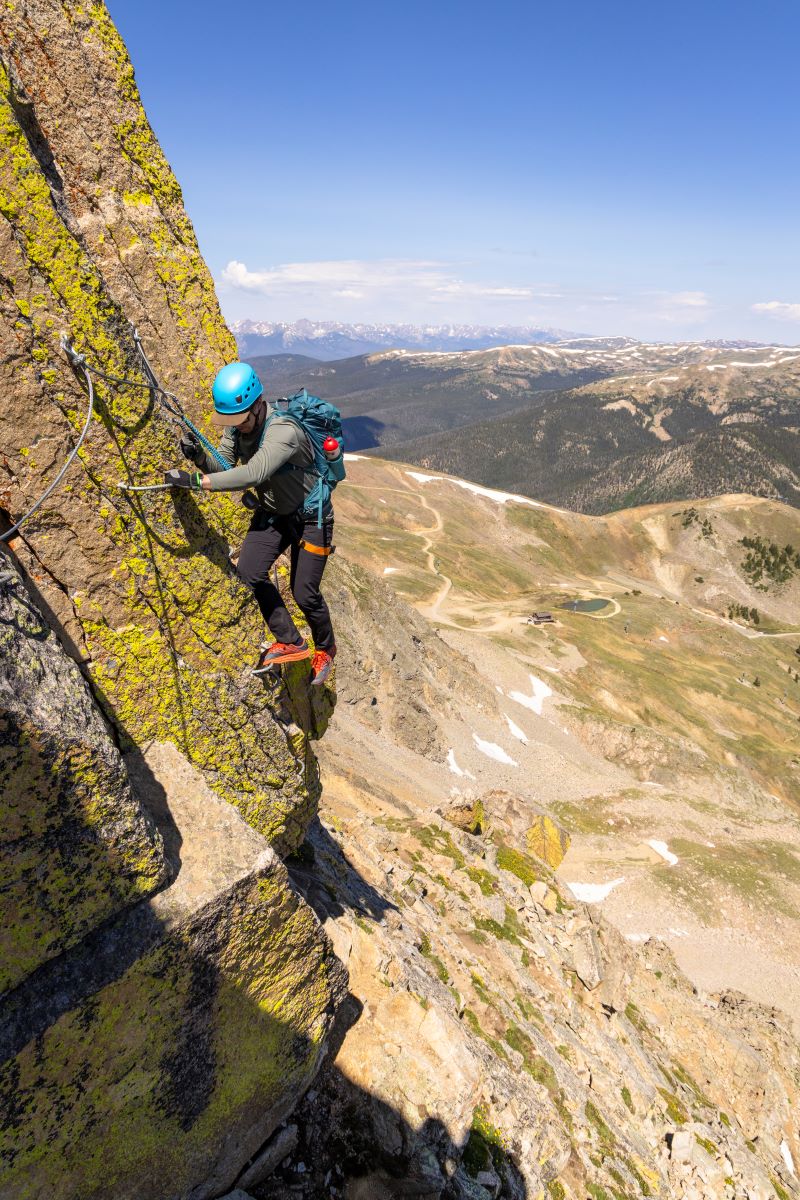
Hiking, biking, climbing, and much more
In summer, A-Basin offers a wide range of outdoor activities.
You have been in this industry for many years. What are the most important changes and future trends you see right now?
There are certainly going to be technology changes. For example, lift technologies are advancing – an American resort company called Boyne is on the leading edge of high-tech lifts at places like Big Sky in Montana.
The technology stuff will all happen, and every resort is going to have to get better at snowmaking.
But I think the future is really about taking care of the people – both the employees and the guests. Most importantly, we have to take care of the human beings.
This industry wouldn’t be here if it wasn’t for them, so that has to be our main focus.
You write almost a daily blog on the resort’s website. Why is it important to you?
I’ve been doing the blog for a while now, and it’s been a really great way to connect with our guests. There are a few comments and likes online, but the real difference is that every single day I get to meet several new people who read it and introduce themselves to me.
They tell me why they like the basin, or they tell me what they want us to do better. I think it’s really done a lot to create strong connections between our guests and the resort.
Interview: Gerald Pichlmair