
Cities
Mexico: Cable Car Network Grows by Another 40 Kilometers
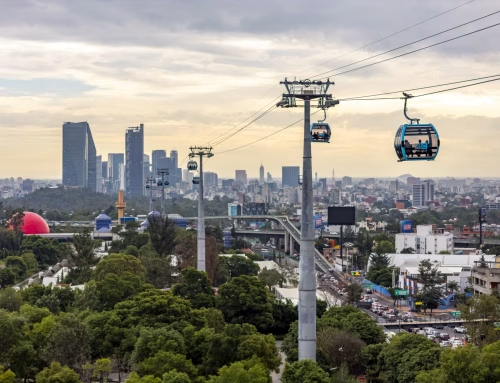
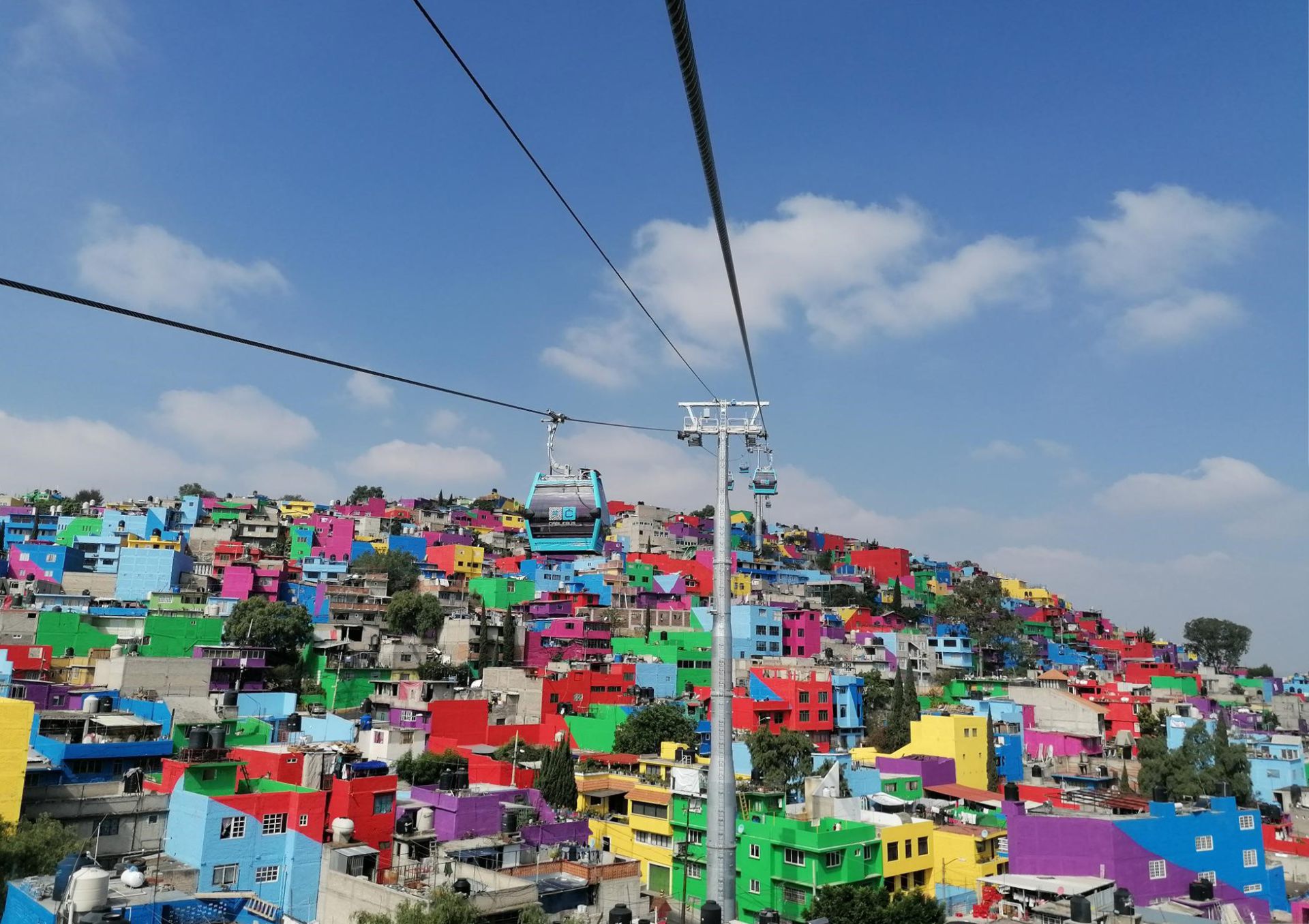
Since entering the Mexican market in 2016, Leitner has developed an extensive network of urban cable car systems in the Mexico City metropolitan area and beyond.
The Ecatepec I+II 10-passenger gondola lift was the country’s first urban ropeway. By the end of 2023, three ropeway systems with a total of seven installations were in operation in the Greater Mexico City area (Mexicable 2, Cablebus 2, Ecatepec I+II), with a total length of around 24 kilometers – a foundation that is now being consistently expanded.
Several additional projects are currently under construction in Mexico.
Morelia
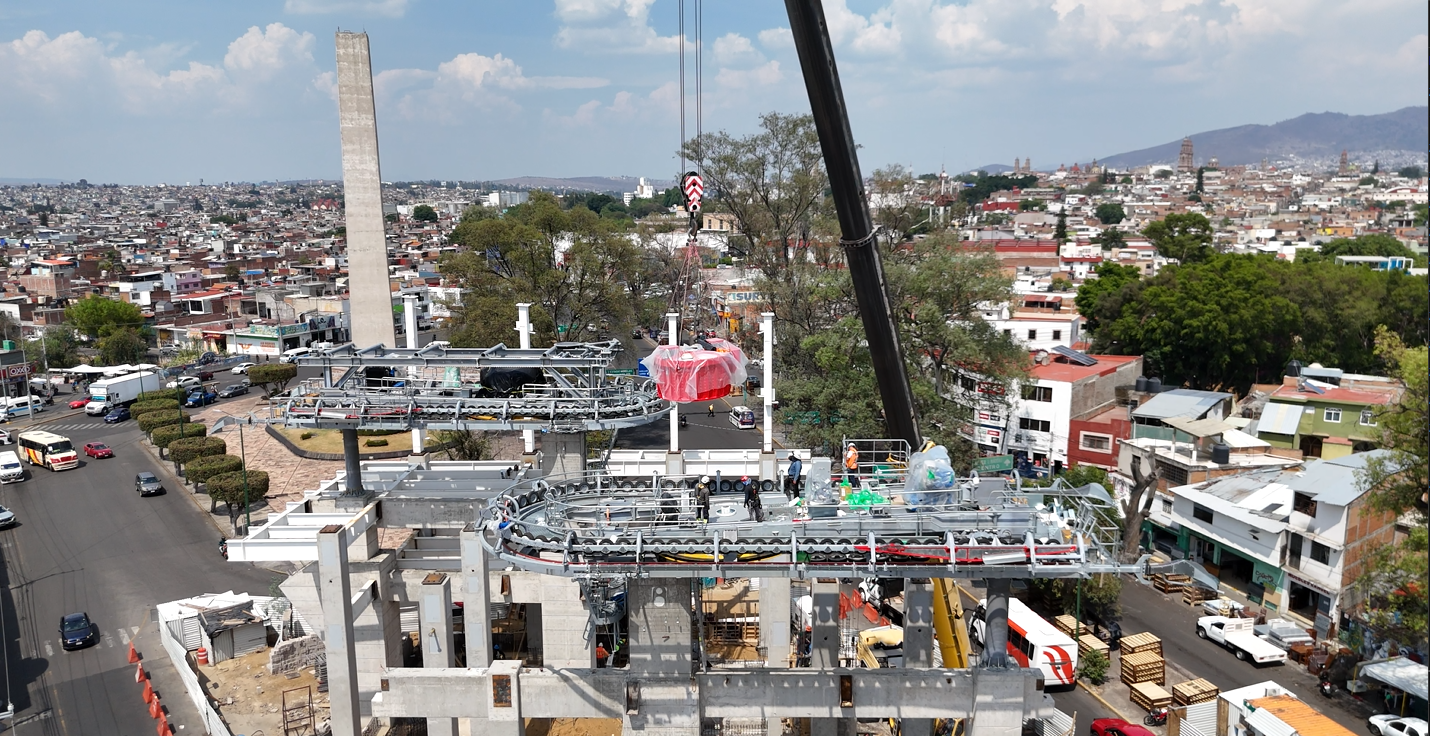
In Morelia, a system approximately 7.3 kilometers long with two lines is being constructed.
Starting from a central hub, both the northwest up to the bus station and the southern city areas will be served.
Commissioning is planned in stages from winter 2026/27 onwards.
The Morelia cable car
is expected to carry around 20,000 passengers per day between its six stations.
Naucalpan
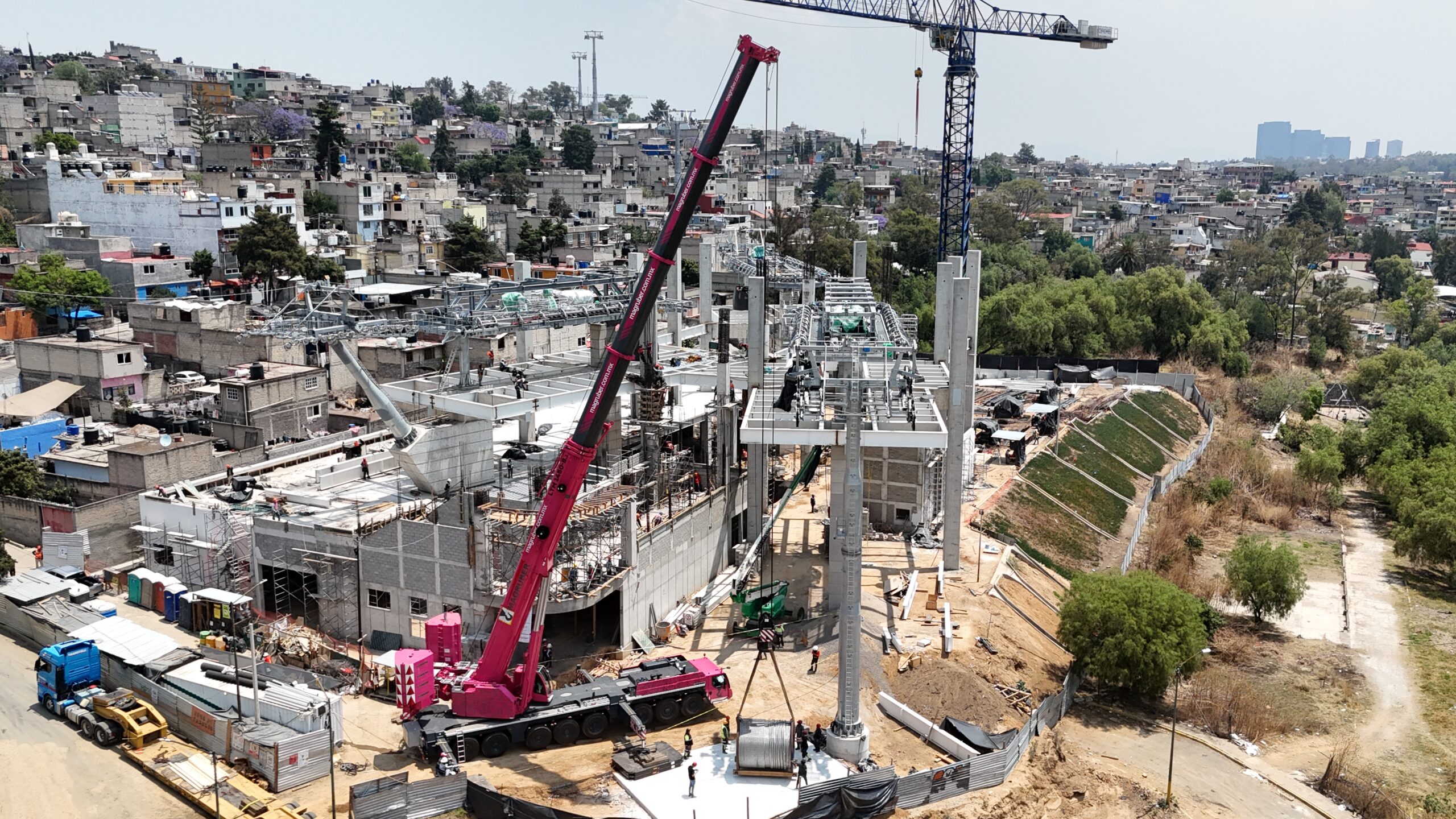
In the Greater Mexico City area, another significant connection is being created with the “Mexicable Línea 3” in Naucalpan.
The system comprises three lines with a total of ten stations, a length of 9.8 kilometers and around 390 cabins. The aim is to efficiently connect previously hard-to-reach, hilly areas in the west to the Cuatro Caminos metro station.
Travel time is thus significantly reduced from one hour to half an hour, with up to 40,000 passengers expected daily.
In total, around 700,000 people in the catchment area benefit from improved mobility and connectivity.
“Mexicable Línea 3” in Naucalpan
will provide daily public transport access for a catchment area of approximately 700,000 residents, reducing travel times from more than one hour to just 27 minutes.
Two new Cablebus lines
In parallel, construction is underway on two other large-scale projects: “Cablebus Línea 4” and “Cablebus Línea 6”. Both systems have been under construction since autumn 2025 and are among the most powerful and longest urban ropeways worldwide.
The “Cablebus Línea 4”, with a length of about 11.3 kilometers and eight stations, connects topographically challenging hillside areas in the south with central city districts and integrates directly into existing transport networks.
This includes links to bus and metro lines as well as a direct connection to the Universidad Nacional Autónoma de México – one of Latin America’s most significant educational institutions.
With a journey time of around 40 to 45 minutes and an anticipated demand of about 65,000 passengers daily, the system makes a substantial contribution to easing congestion.
The “Cablebus Línea 6” will, at around 12.7 kilometers, serve the districts of Milpa Alta, Xochimilco and Tláhuac, connecting previously difficult-to-access, partly rural regions to the urban transport network.
Across seven stations, a direct link to Metro Line 12 will be provided. Here too, the planned journey time is about 40 to 45 minutes.
“The example of Mexico impressively demonstrates the potential urban ropeways have for modern metropolitan regions. What began in 2016 with the country’s first urban ropeway is today a central component of public transport for millions of people. We are particularly proud that our installations not only create mobility, but also improve quality of life, massively reduce journey times and better connect previously hard-to-reach city districts,” says Martin Leitner, CEO of Leitner.