Cities, SI-Urban
Mobility starts with the Passenger
Anyone aiming to build sustainable urban mobility must start with people‘s daily lives.
What matters is not just the type of infrastructure built, but the tangible benefits it delivers: shorter travel times, improved accessibility, reliable connections, barrier-free mo bility, and new opportunities for neighborhoods that have historically been underserved by public transit.
Opportunities: Urban Development
For political leaders, this offers a powerful strategic leverage point. High-quality mobility not only boosts transit system efficiency, but also expands social and economic opportunities.
Urban ropeways provide compelling value in this regard: they effortlessly traverse physical obstacles such as busy highways, railway lines, rivers, or steep terrain, while effectively complementing existing transit net works.
Where traditional trans portation infrastructure can only be built at great expense or through disruptive urban interventions, rope ways open up fresh possibilities for policy and city planning.
Advantage for politicians & urban planners:
Urban ropeways are visible infrastructure projects with clear, tangible benefits.
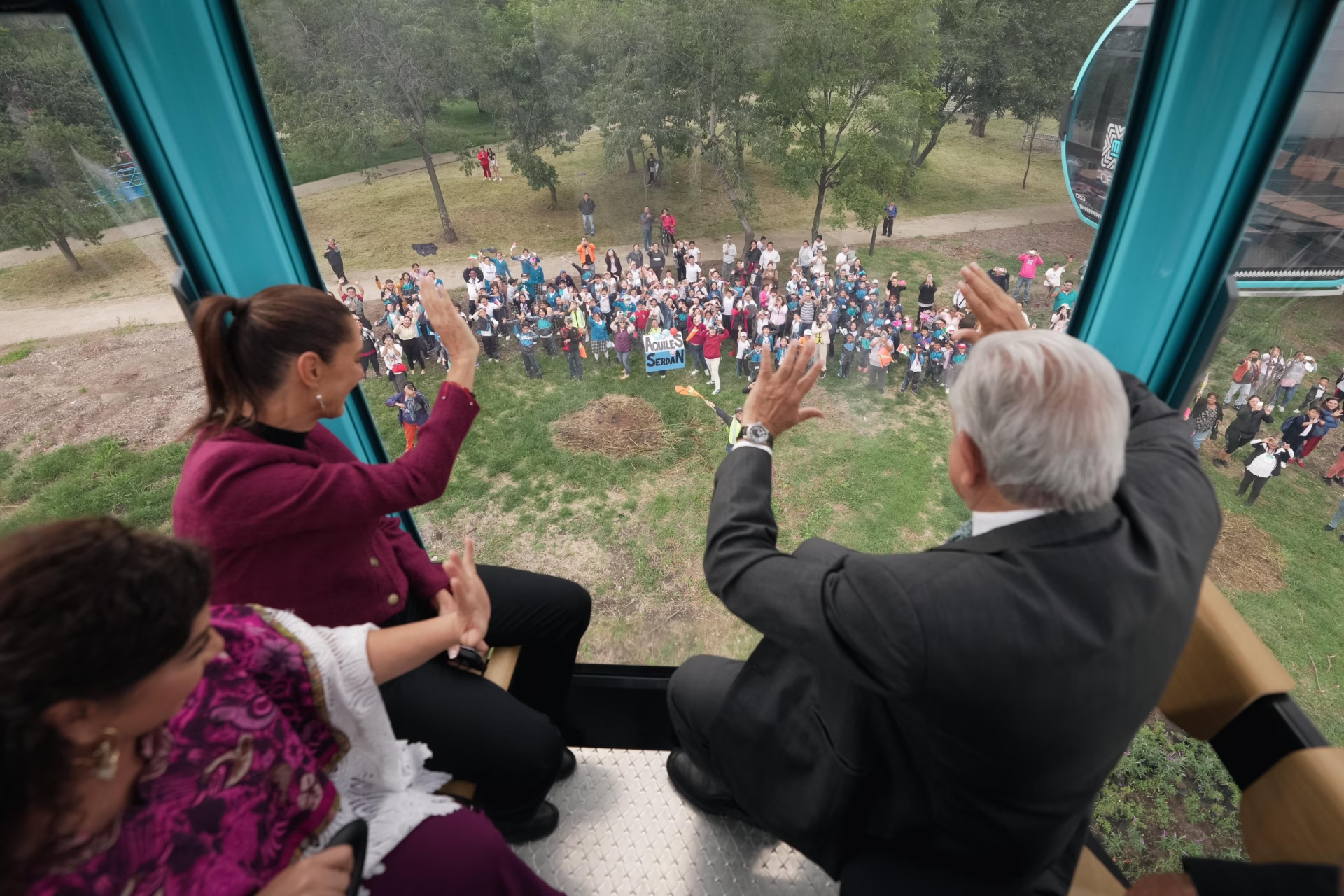
Best Practice: Mexico City
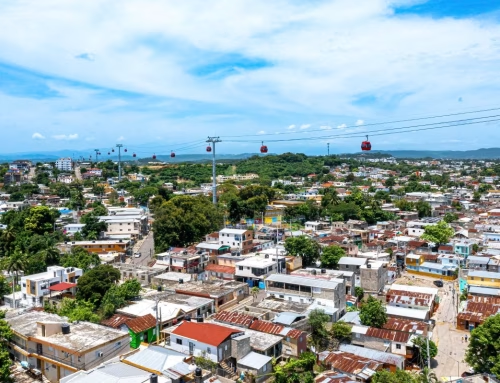
Here, the focus remains firmly on the passenger rather than the technology. With the Cablebús lines in Mexico City, several districts were better connected to the public transport network through mobility solutions developed by Doppelmayr.
These seamlessly urban ropeways are integrated into the broader transit ecosystem, linking residential areas to jobs, schools, healthcare centers, recreational venues, and major transfer hubs like metro and bus lines.
In this way, the ropeway serves as a building block for socially equitable, climate-friendly, and practical everyday mobility.
Best Practice: Paris
The Câble C1 project in Greater Paris exemplifies how urban ropeways can effectively bridge urban development and public transportation.
Constructed by Doppelmayr in 2025, the line extends Metro Line 8 into the southeastern suburbs, connecting five stations across roughly 4.5 kilometers and creating an additional transit corridor that operates completely independent of road traffic.
For passengers, this means predictable travel times and convenient transfers to the existing network, while making public transit a far more attractive alternative.
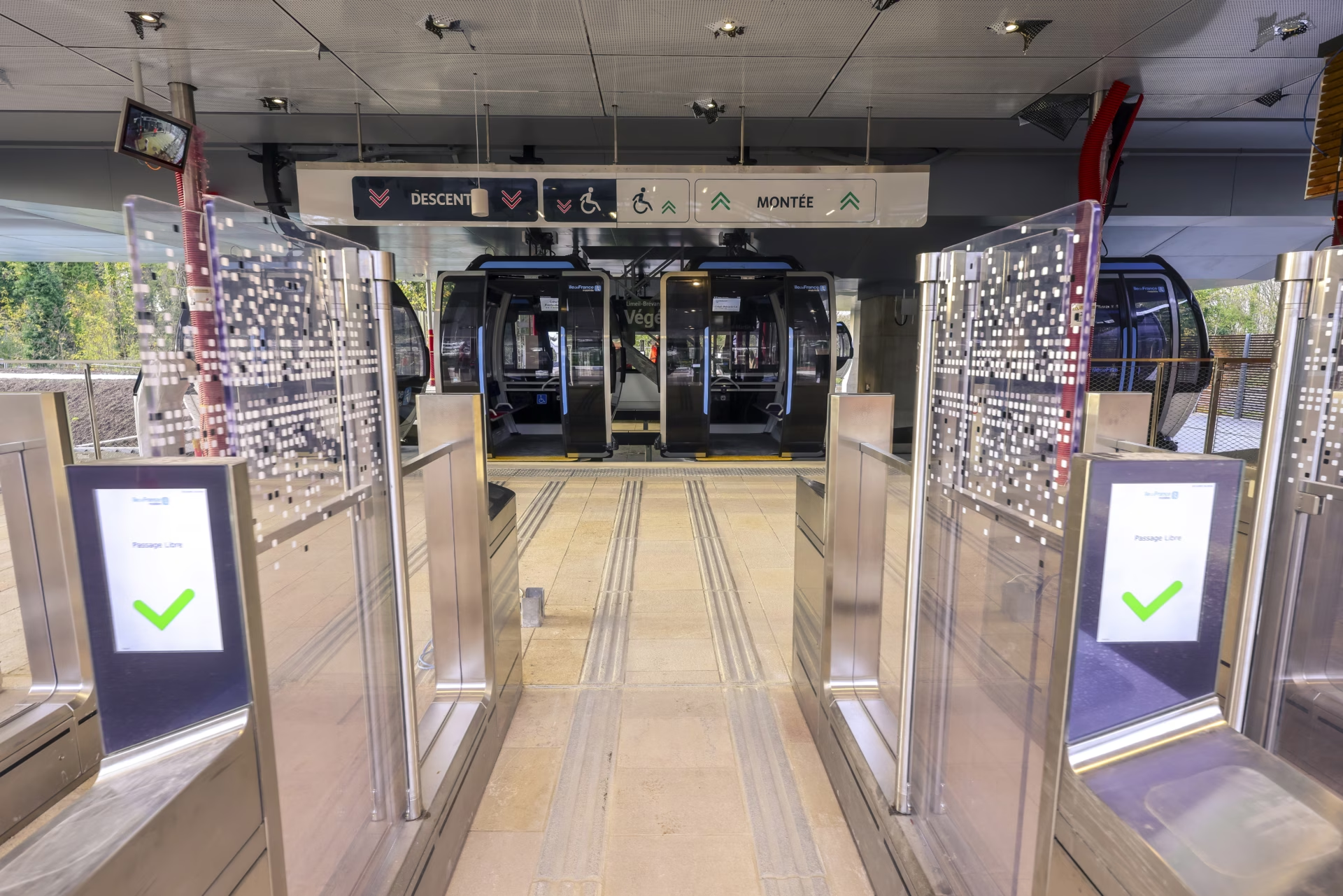
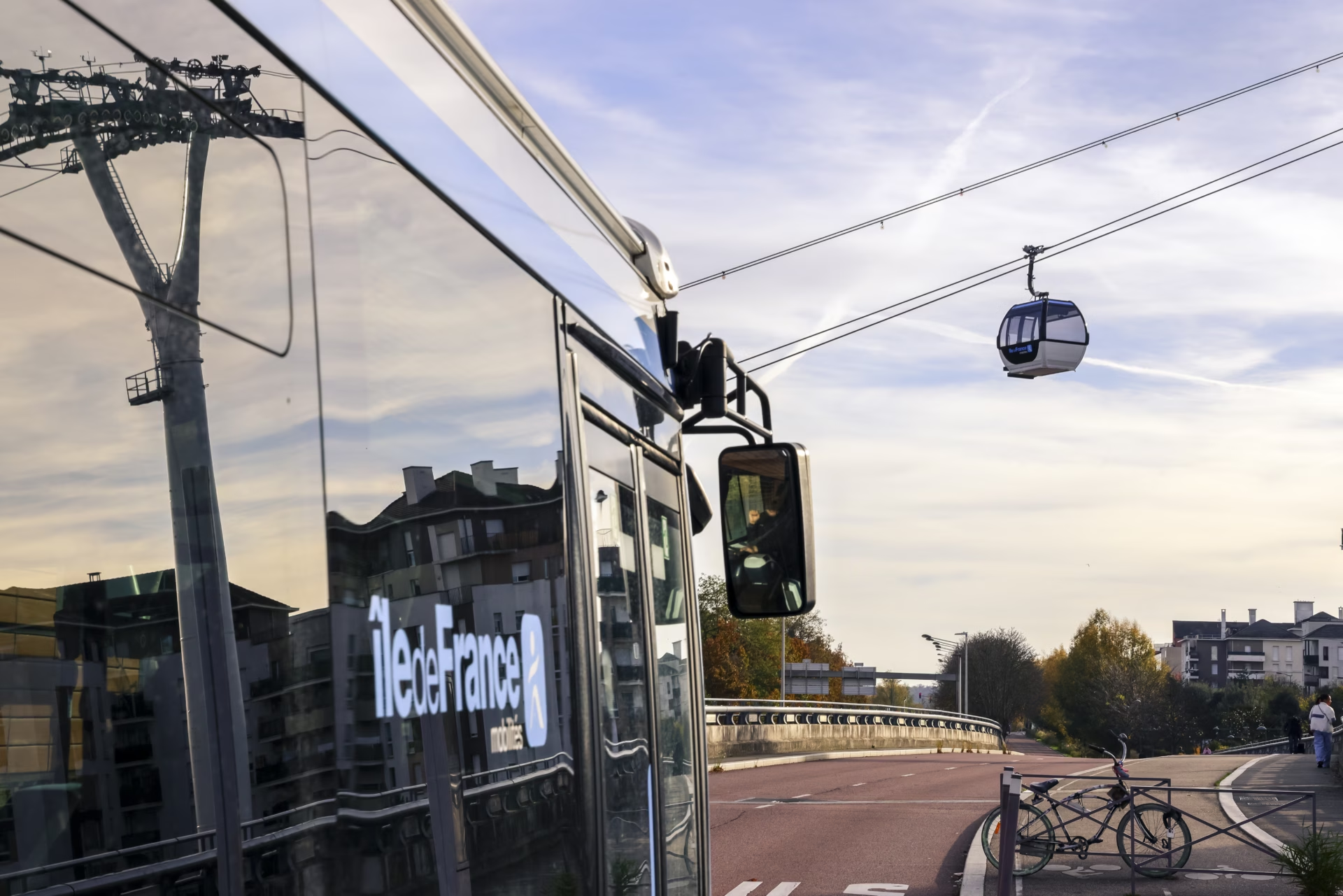
Accessibility and integration into public transit are critical success factors for urban ropeways, as demonstrated by the Câble C1 project near Paris.
© Laurent Grandguilliot / IDFM
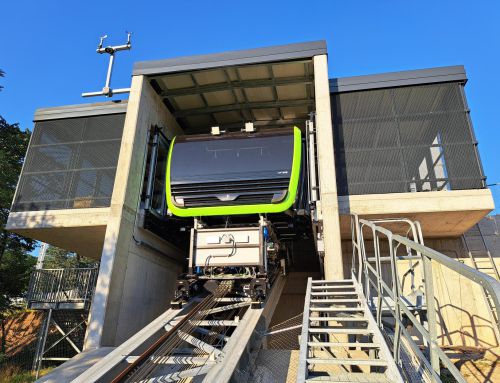
Accessibility is a key priority. Modern urban ropeways feature stepfree boarding and offer ample space for wheelchairs, strollers, bicycles, and luggage. They are designed around short walking distances, clear orientation, and visual, acoustic, and tactile guidance systems.
Accessibility is treated not as an afterthought, but as a core principle of mobility designed to empower as many people as possible to travel independently.
Best Practice: Santiago de Chile
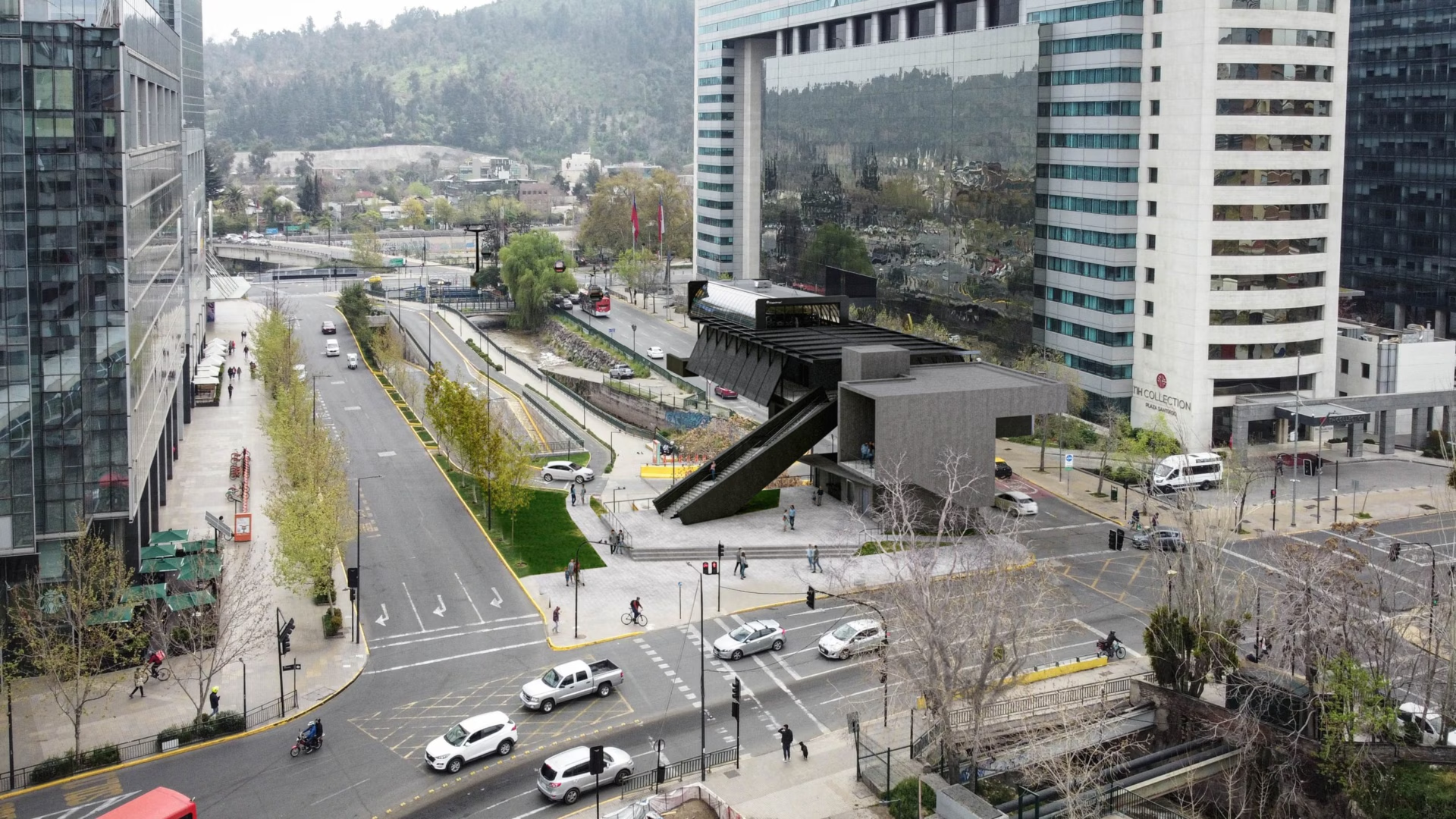
This momentum continues in Chile with the Teleférico Bicentenario in Santiago. In just a few months, this urban ropeway will better connect residential areas with major transit hubs, employment centers, and public facilities.
For many residents, this promises not only faster travel times, but a direct boost in quality of life: more time for family, education, work, or leisure, along with greater reliability on their daily commute.
Compared to current transit options, passengers are expected to save approximately 30 minutes per trip.
In Santiago de Chile
Doppelmayr is constructing a ropeway that will better connect various districts with major transit hubs.
A Tangible Win for Policymakers
For elected officials and city planners, the chief advantage is clear: urban ropeways are highly visible infrastructure projects with immediate, easily understandable benefits.
They strengthen public transit, bridge mobility gaps, enhance accessibility, and make a meaningful contribution toward livable, inclusive, and interconnected cities.
Ultimately, success lies in enabling people to reach their destinations faster, more predictably, and with greater independence. infrastructure delivers.
When on that promise, transport policy yields real, everyday benefits. Urban ropeways show how a transit project can evolve into a powerful engine for modern city development.