Cities, SI Urban 2/2026
POMA: 90 Years on the Rope
Pomagalski: A Ski Lift With Patent
In 1934, Jean Pomagalski put his first “ski lift“ into operation in L’Alpe d’Huez, France. Two years later, he filed a patent for a device enabling the smooth starting of a load pulled by a rope at constant speed.
This innovation laid the foundation for the corporate culture of Pomagalski (Polish for “the one who helps“), which later became POMA. At that time, the company worked with multi-skilled teams where anyone could be involved in design, mechanical adjustments, manufacturing, and on-site installation.
Engineers, technicians, and installers worked in direct contact with operators – a proximity that created a relationship of trust that became one of POMA‘s hallmarks.
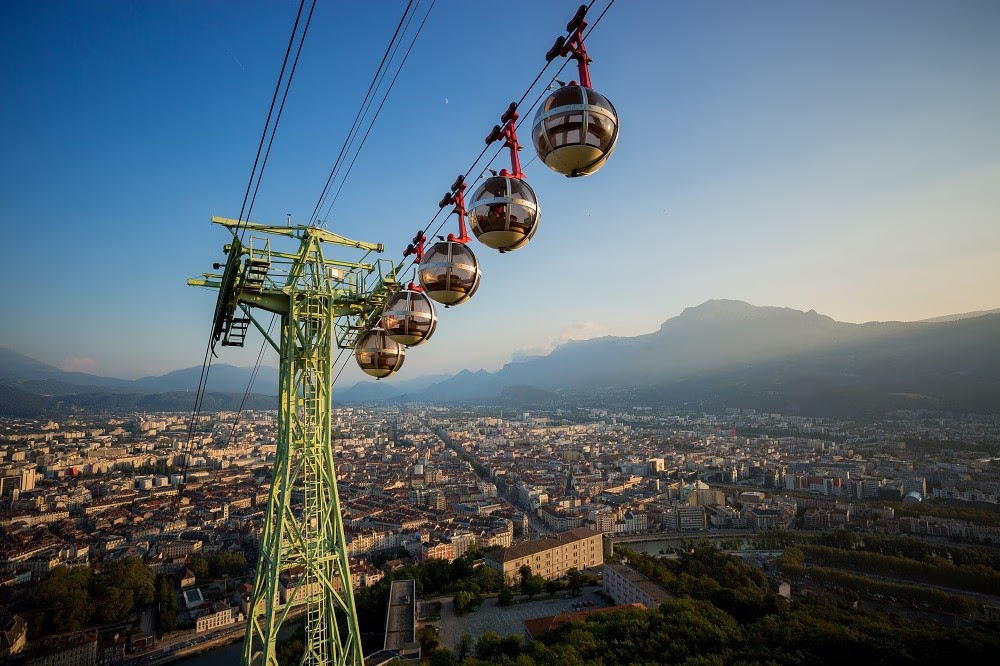
© Grenoble Tourisme
Major Projects (70s & 80s)
Grenoble (1976): One of the first urban ropeways worldwide
New Orleans (1984): 109-meter-tall towers for the World‘s Fair
Great Wall of China (1984): Strict requirements in protected terrain
Courchevel (1984): Aerial tramway with retractable boarding platform
Dôme Express (1989): 1,700 m tunnel, glacier at an altitude of 3,200 m
From Craftsmanship to Industry
The facility in Fontaine in 1953 illustrated the gradual transition from a craft workshop to an initial industrial organization. Around 15 people produced about 120 ski lifts per year there.
To achieve this cadence, robust, reproducible, easy-to-manufacture, and simple-to-maintain systems had to be developed.
The first exports exposed POMA to unfamiliar environments: whether in the US (from California to Vermont to Alaska) or the West Indies, cold, wind, distances, material availability, and installation conditions forced the teams to adapt. In return, the technology evolved thanks to this diversity of situations.
New Professions Emerge
From 1970 onwards, under the impetus of Gaston and later Jean-Pierre Cathiard, POMA turned a new page. The company was no longer content with merely developing products; it built a true industrial model. Components were standardized, methods formalized, and quality became a central focus.
The introduction of a structured quality system linked to ISO 9000 standards strengthened traceability, control, and reliability of the equipment. This evolution also changed job profiles, bringing automation technicians, quality engineers, logistics specialists, project managers, and safety experts into the fold.
The major projects completed during this period played an essential role in building these core competencies.
POMA Tools
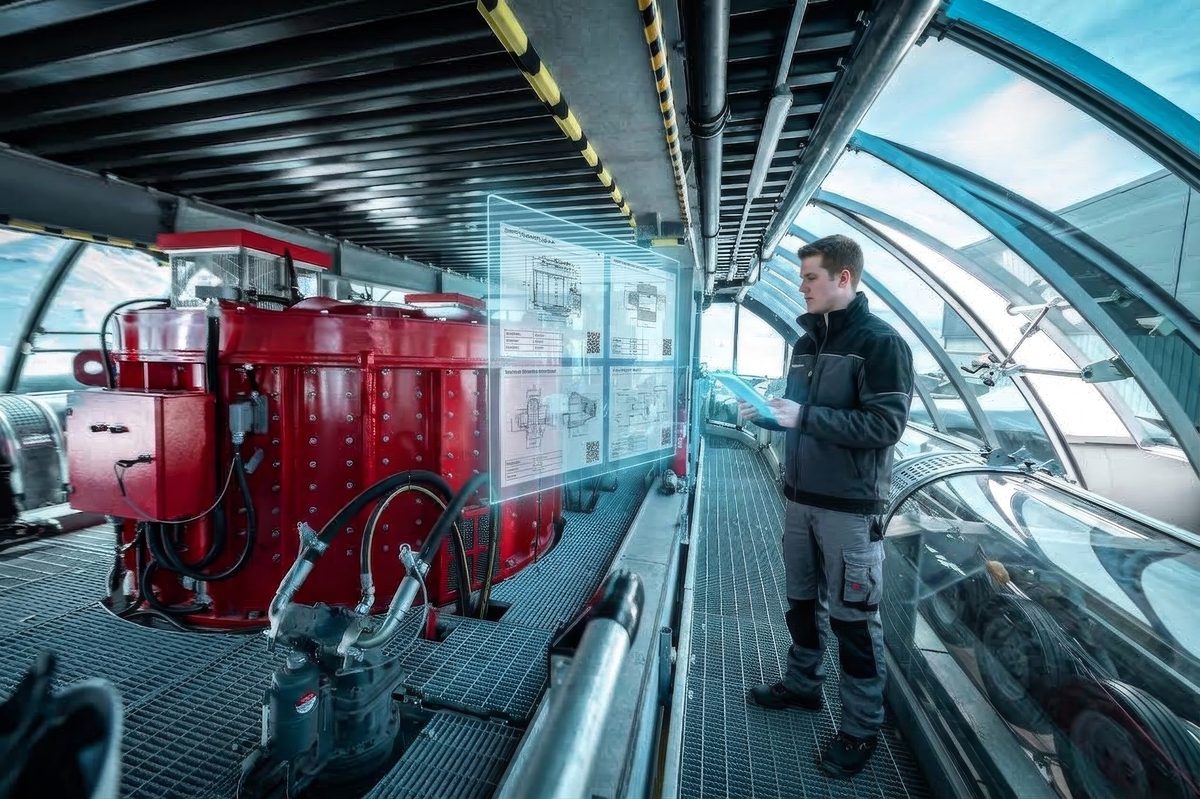
UPILOT: E-learning platform featuring an immersive 3D simulator.
POMA Academy: Supports operation and maintenance teams worldwide.
ECODRIVE: Artificial intelligence adjusts system speed to passenger demand (energy consumption, wear and tear, quality of service).
© POMA
Structuring Expertise
The market downturn in the early 1990s subsequently forced POMA to reinvent itself. The creation of specialized units such as SEMER, Comag, Sigma, and SACMI made it possible to distribute capabilities more effectively, gain agility, and ensure quality.
Industrial licenses in Japan and Eastern Europe also facilitated local production of components according to POMA standards.
Globalization and Diversification
Starting in 2000, integration into the HTI corporate group reinforced POMA’s potential. R&D investments were pooled, and industrial capacity was strengthened.
POMA now tackled projects far beyond the traditional scope of ski lifts and winter sports ropeways, such as the capsules for the London Eye, the High Roller in Las Vegas, and Ain Dubai.
The development of urban ropeway transport marked another major shift. In 2003, POMA installed the first system integrated into an urban mobility network in Medellín.
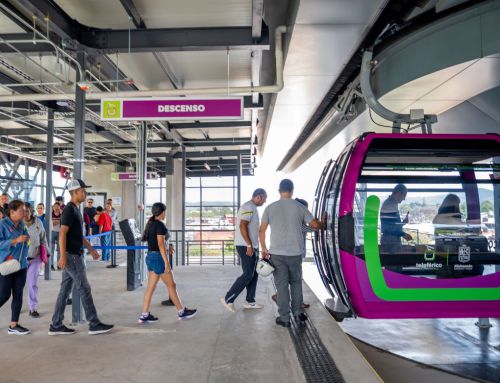
The requirements were no longer the same as in a ski resort: the systems run up to 19 hours a day, carry thousands of passengers daily, and play a key role in neighborhood life. System availability, redundancy, operator training & service quality became just as important as mechanical performance
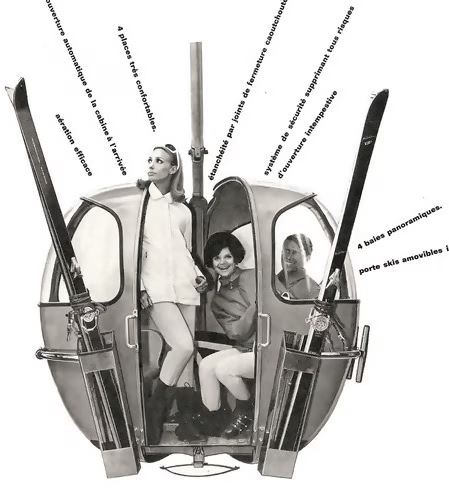

POMA‘s new PURE cabin is directly inspired by the legendary SP4 cabin – the very first “egg gondola“ from 60 years ago. © POMA, SI Urban/Surrer
Urban Ropeway Specialists
This transformation gave rise to a new profession: the urban ropeway operator. Teams must understand the expectations of municipalities, operators, and passengers, while taking into account the realities of daily operation: schedules, passenger flows, accessibility, maintenance without long interruptions, and managing exceptional situations.
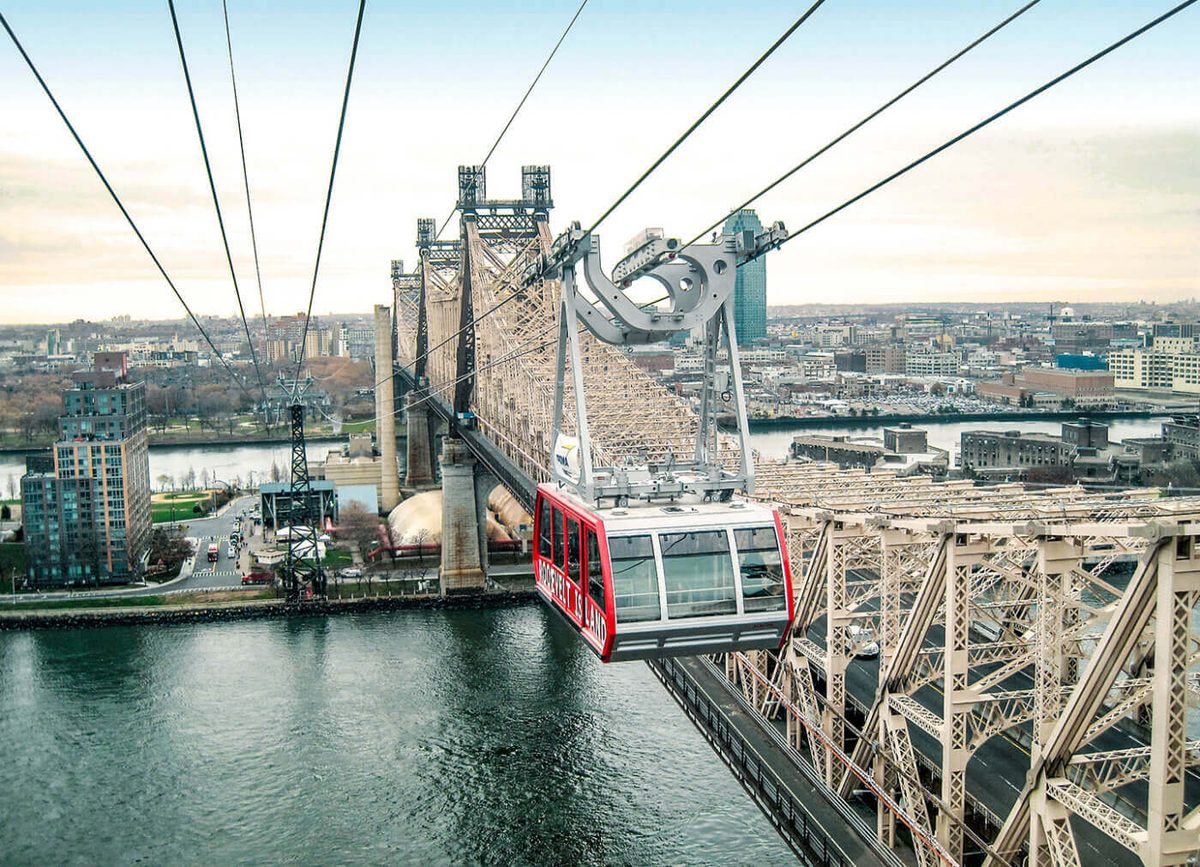
By operating the Roosevelt Island Tramway in New York starting in 2010, POMA even became an operator itself, gaining a direct understanding of an installation‘s lifecycle and predictive maintenance.
Service Becomes Core Business
Since 2016, activities in maintenance, renovation, and training have accounted for up to 90 percent of business in some regions. Service has thus become a distinct discipline based on availability, responsiveness, and long-term trust.
Digitalization accompanies this development with monitoring, training, and assistance tools that facilitate better data utilization and knowledge transfer.
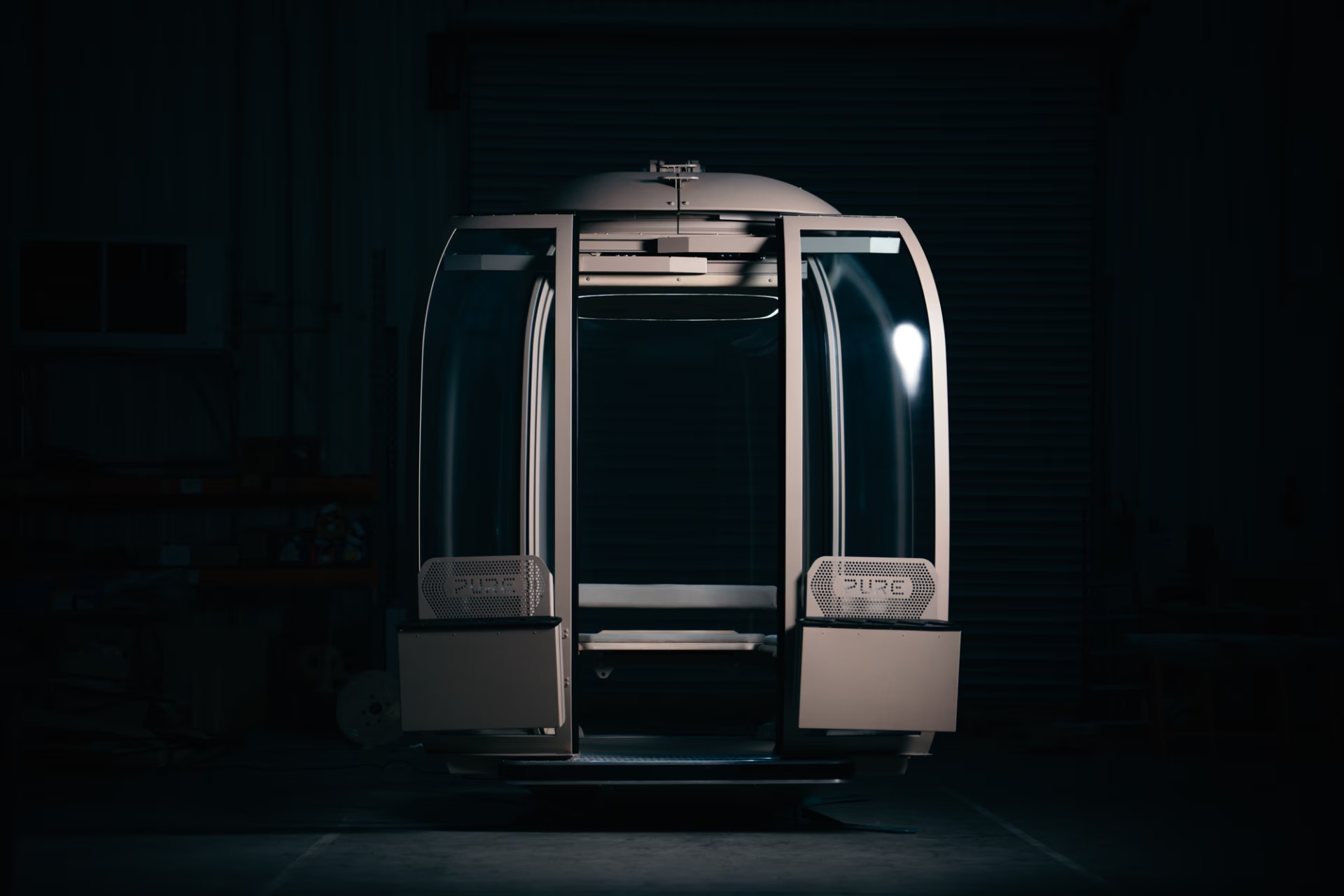
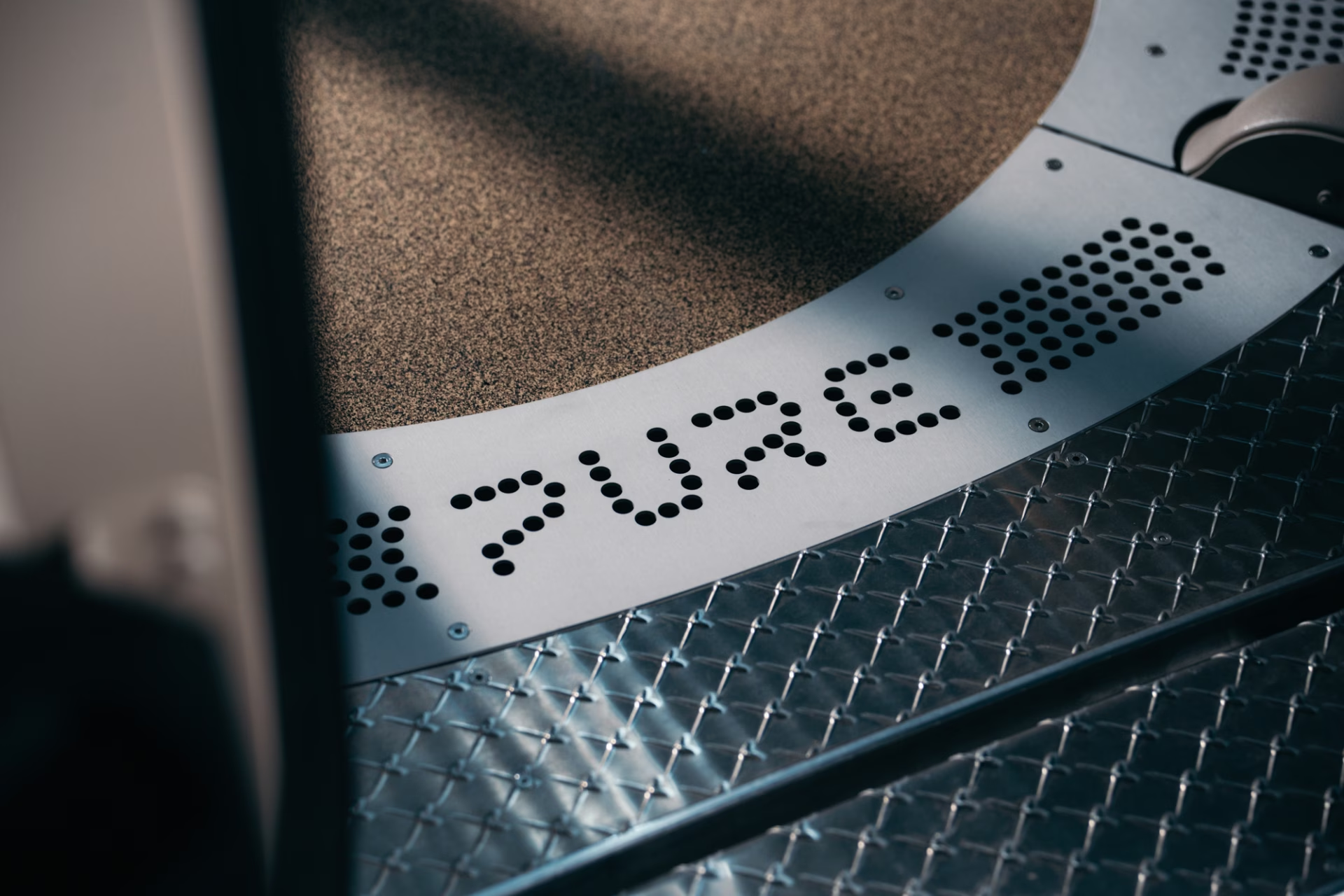
Impressions of the new PURE cabin. © POMA
A Look to The Future
Another major transformation is sustainability, leading POMA to structure its actions around Life Cycle Assessment (LCA), ISO 14001 certification, carbon footprinting, and the LIFE R’Way initiative.
The LIFE product range – a new generation of ropeway transport launched in 2025 – focuses specifically on high material recyclability, noise reduction, and energy optimization.
In 2026, the latest innovation – the PURE cabin – serves as a link throughout company history: while connecting to the pioneering heritage of the SP4 from 1966, the PURE cabin completely reinvents travel, opening a new chapter for POMA.
From the Alps through Egypt and the Andes to New Delhi, the group today counts nearly 2,000 employees worldwide. In this spirit, the POMA Foundation, established in 2019, aims to promote and advance mobility in the areas of sports, inclusion/disability, solidarity, and the environment.
The slogan CREER LE LIEN (“Creating Connections“) defines the purpose of a company that, at 90 years old, looks optimistically into the future.