Cities, SI Urban 2/2026
GART as a role model? French authorities join forces for cable cars
“Urban cable cars have evolved from a tourist attraction into a fullyfledged public transport mode that proves sensible despite physical and regulatory constraints,” according to GART’s assessment.
However, the French Association of Transport Authorities sees a need for collective guidance, reported Director General Alexandre Magny at the “City Cable Car Solutions 3CS” event held at the Mountain Planet trade fair in Grenoble.
Responsibilities of GART
GART has brought together authorities and industrial companies to structure the urban cable car ecosystem in France. In addition, GART facilitates dialogue between project sponsors and public authorities, resolves tensions, and provides clarity regarding expectations.
Last but not least, GART highlights French projects and positions urban cable cars as a modern, recognized mobility solution.
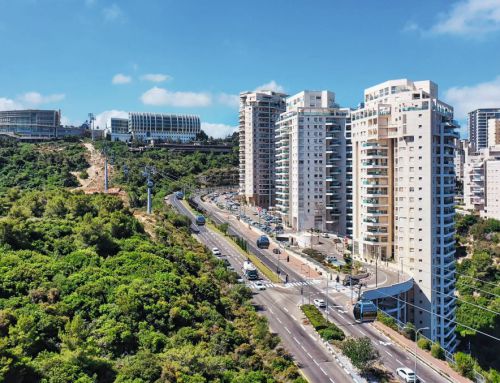
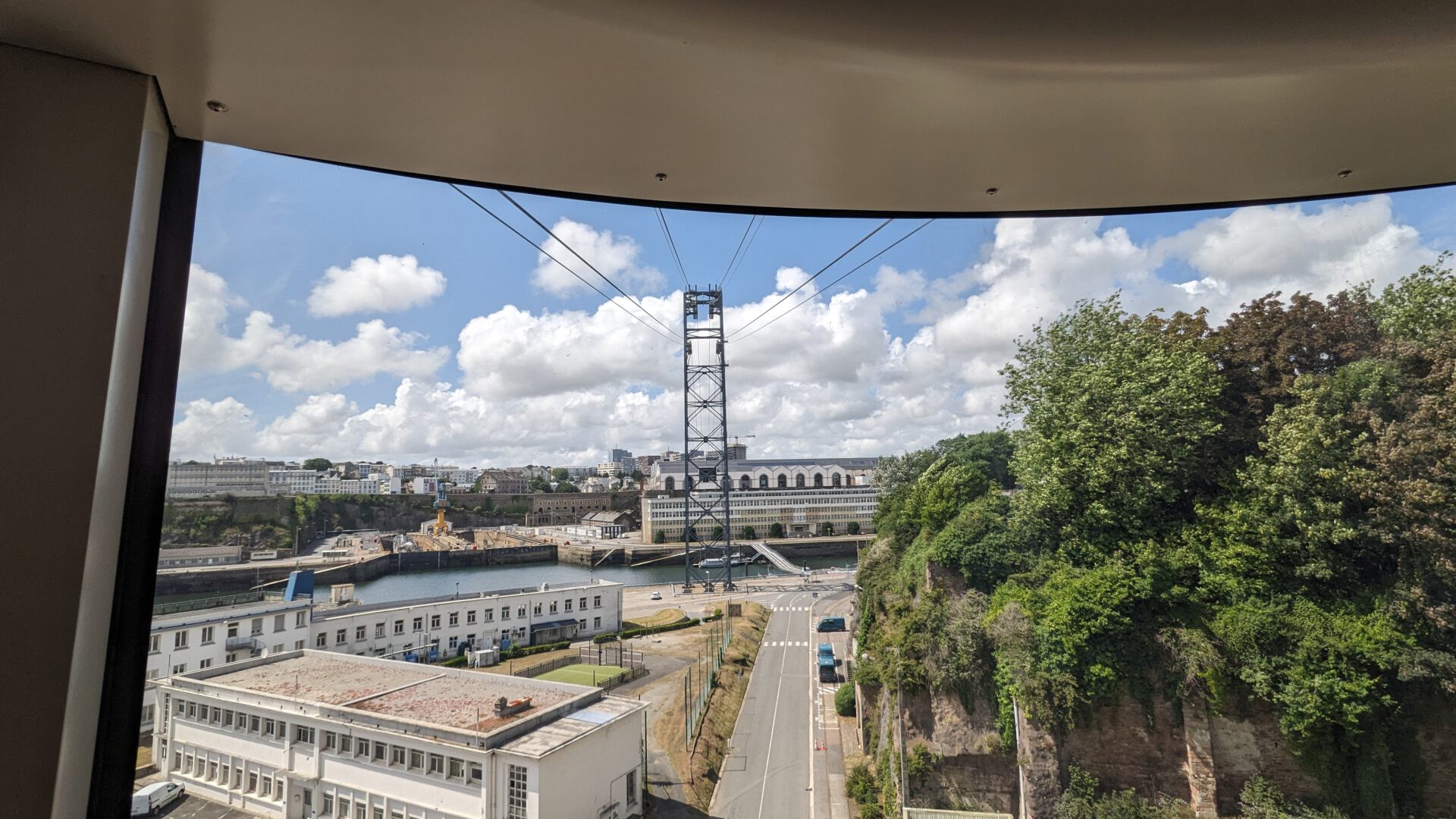
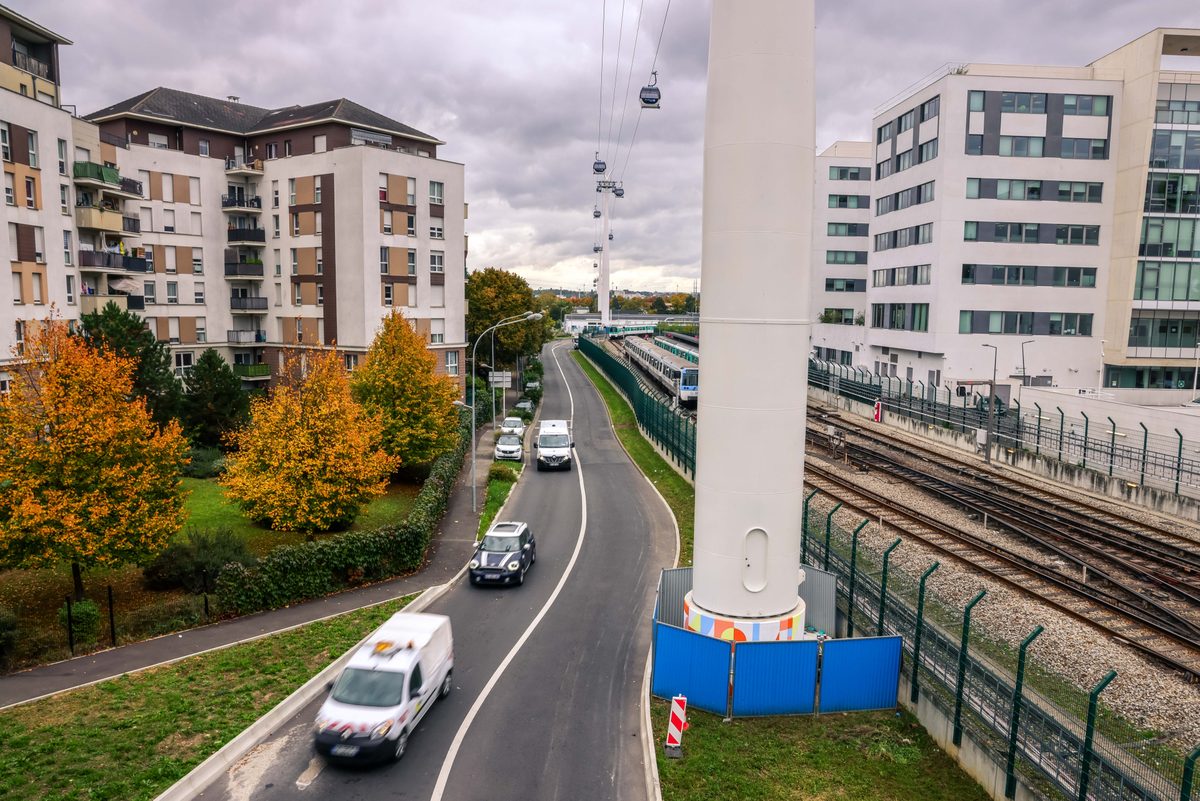
The “Câble C1” project near Paris
was characterized by intensive public participation and careful urban integration that takes limited space into account.
Moderator of the Ecosystem
Specifically, GART established a national working group in 2012 comprising all relevant stakeholders from authorities and industry to address technical and institutional matters.
Furthermore, GART initiated the removal of historical barriers, Magny noted: “As a result, we succeeded in repealing an outdated 1941 law concerning overflying private property. This enabled us to establish a modern, democratic legal framework for the construction of cable cars.”
GART also achieved regulatory certainty for cable cars: they were categorized under guided transport systems and are now subject to safety requirements equivalent to trams and metros.
Beyond this, GART contributed to the further evolution of the law by passing along the needs of the regions and drafting tailored guidelines.
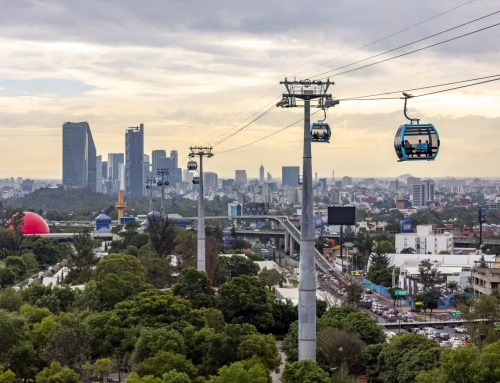
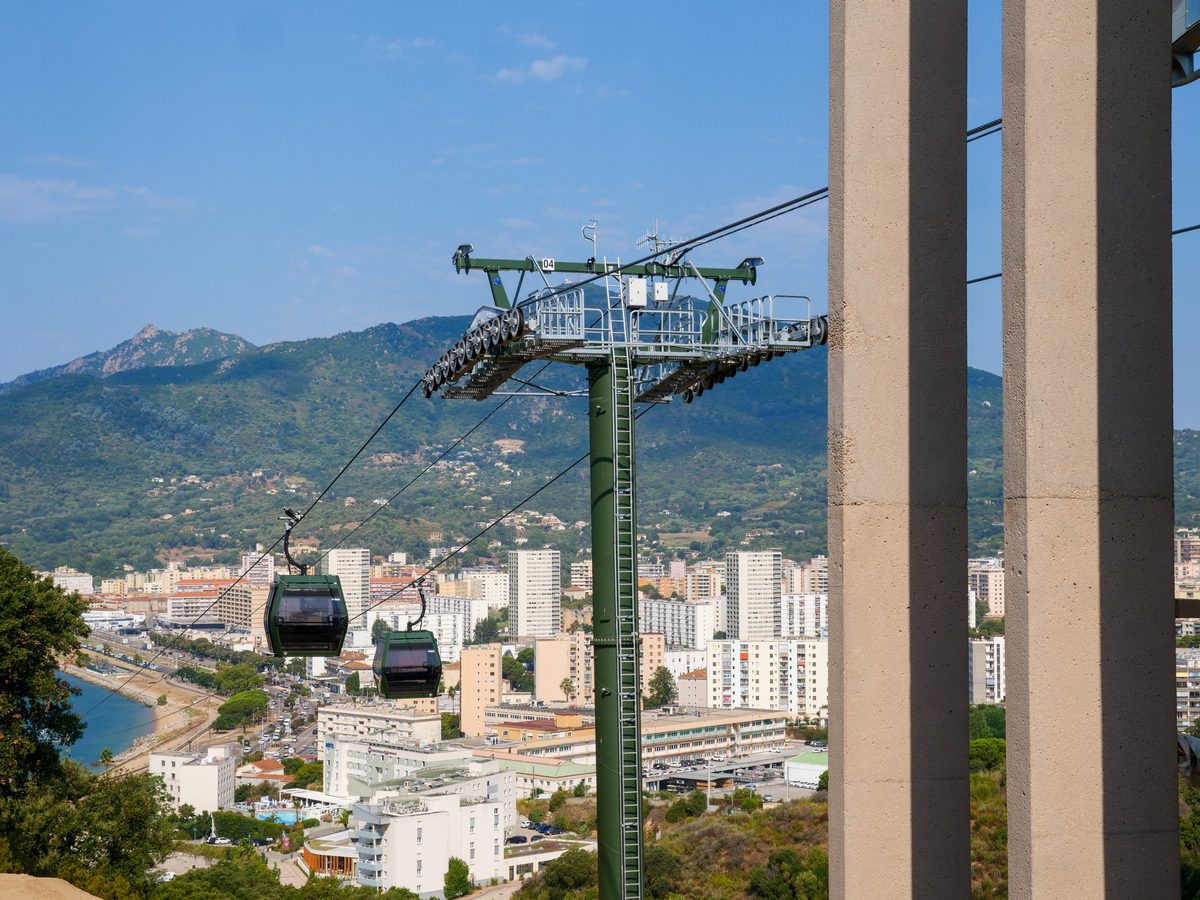
“Angelo” in Ajaccio (Corsica)
responds to topographic challenges and traffic congestion, demonstrating the efficiency of an urban cable car for a medium-sized city.
Objectives of GART
In terms of content, GART is pursuing several priorities, as Magny reported: “Universal accessibility is particularly close to our hearts: cable car cabins must offer stepless, level boarding at platform height and be suitable for passengers with reduced mobility, strollers, and bicycles.”
Another requirement is reliable and safe operation: urban cable car systems must run frequently and maintain high availability – supported by strict safety measures for passengers.
“Cable cars should also be fully integrated into urban networks – featuring a unified ticketing system as well as clear and consistent passenger information,” Magny demanded.
To this end, GART facilitates dialogue and disseminates best practices for successful urban cable car integration.
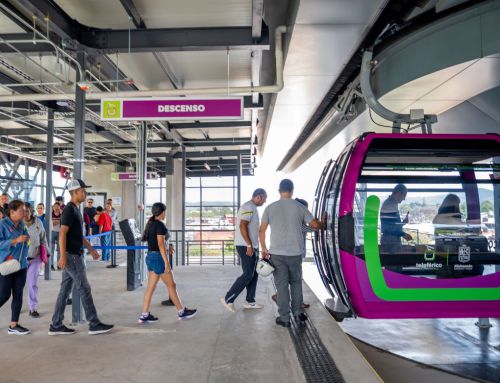
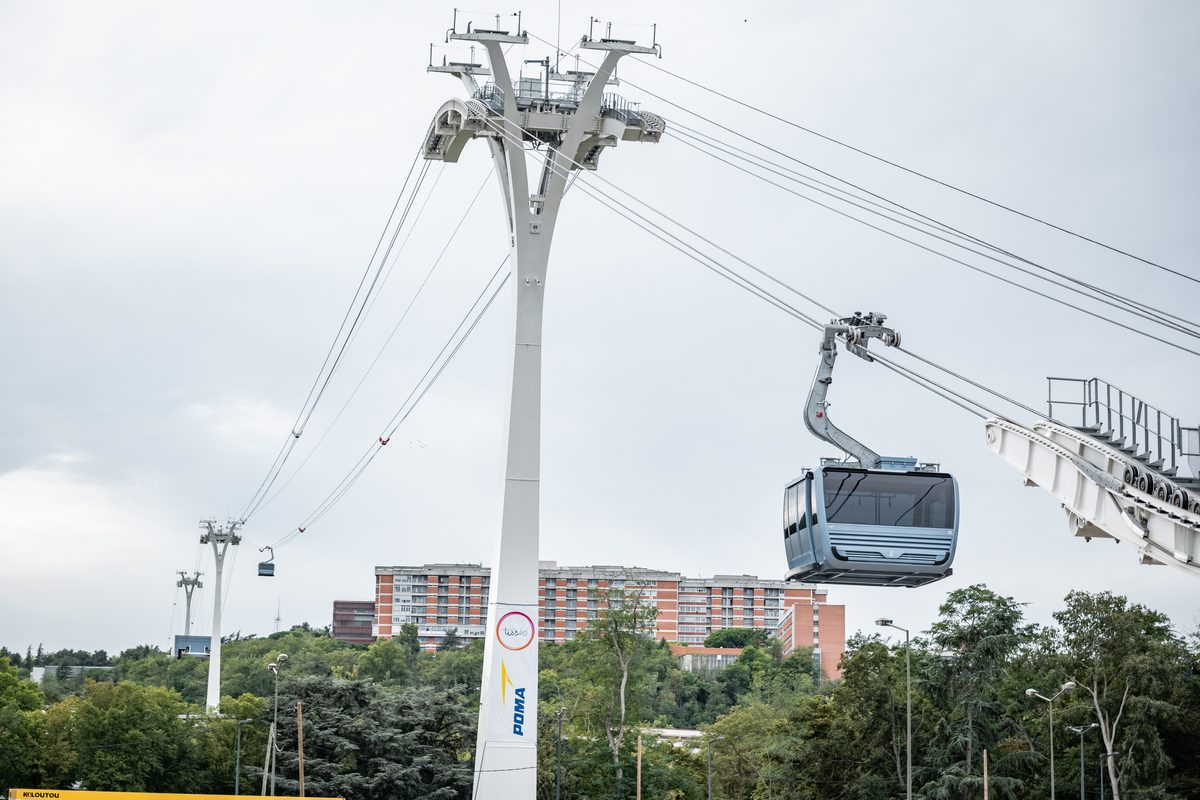
Téléo – Toulouse‘s cable car –
is designed to cross the Garonne River and the Pech David hill, connecting the southern part of Toulouse with Paul Sabatier University.
Recommendations for Transport Authorities
GART has formulated several proposals and demands for public transport authorities, Magny stated:
- “First, the recognition of cable cars as a public transport system operating on its own dedicated right-of-way in mobility plans, regional spatial development plans, and national funding programs.”
- Second, opening state and regional co-financing on an equal (fifty-fifty) basis – just as with other modes of transport.
- Third, the establishment of a national observatory for cable car projects.
- Fourth, training and further education in public engineering at research institutes and for staff at transport authorities.
Magny concluded: “The question is no longer: ‚Do urban cable cars work?‘ But rather: ‚Do we have the collective capacity to deploy them where they make sense?‘”
Andreas Brandner
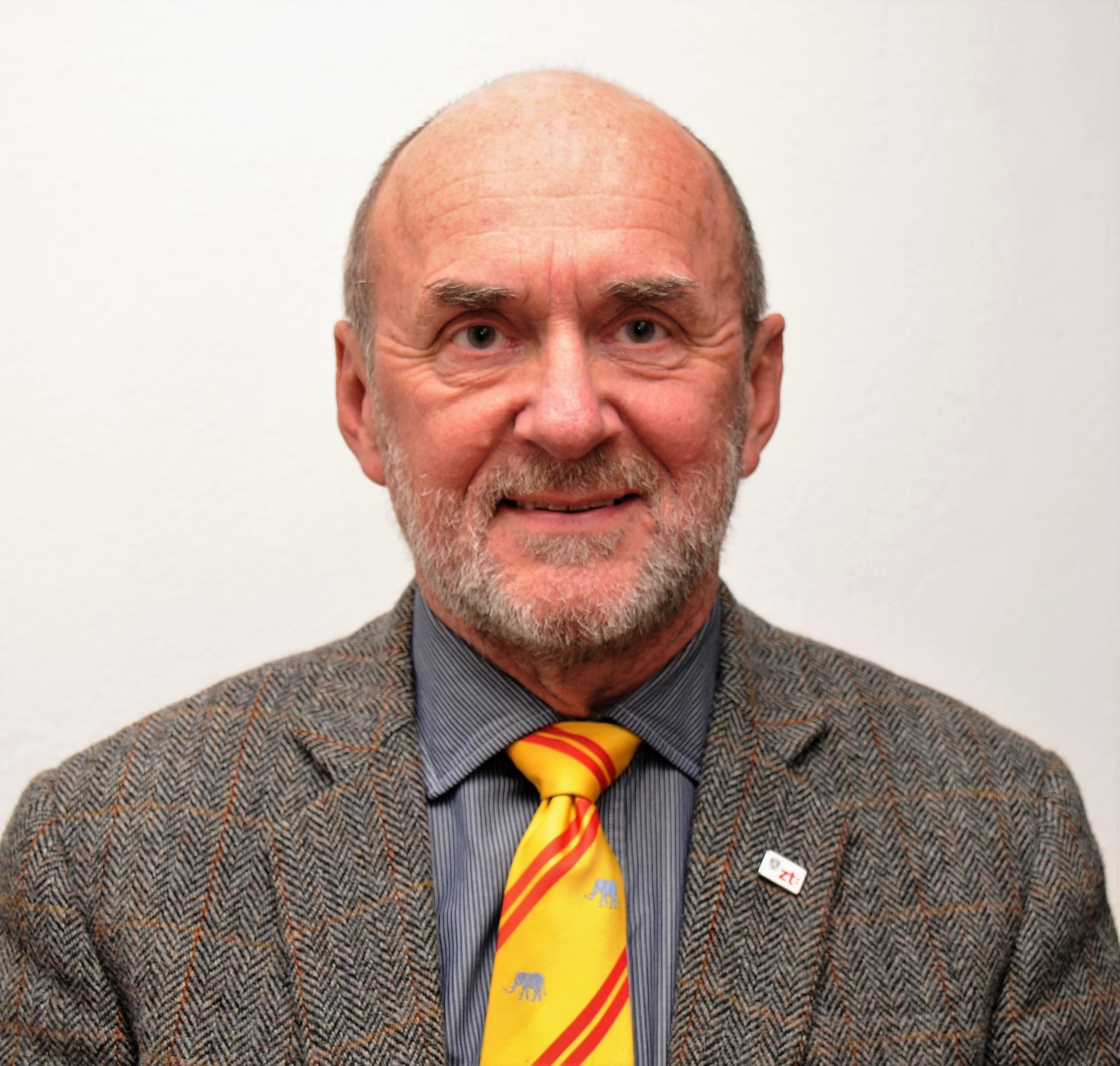
“I am critical of the GART initiative: We already have ropeway standards for passenger transport – these are explicitly not limited to tourist installations, but apply to all ropeways.
Requirements regarding fire safety along the route, accessibility for persons with reduced mobility, transport of bicycles and scooters, etc., are easy to define and can be accommodated through proper planning. Availability and continuous operation are issues that primarily concern manufacturers – designing systems to tourist specifications will not work here, as operating hours are significantly lower.
Level boarding is not mandatory, provided that transport to the boarding level is appropriately accessible.
The relationship between operator and concession holder is not an issue in Austria, for example, as operational compliance must always be maintained by the operator. Upon a change of operator, documents must be handed over to the successor.
Legal questions regarding oversailing (overflying private property) generally need to be resolved at the national level – however, this is not a problem in Austria, for instance, where public interest outweighs private property rights for public transport, allowing expropriation or mandatory easements if necessary.
It is therefore unnecessary to launch yet another organization to address these points. That is also why the European Technical Committee CEN/TC 242 decided against drafting a separate standard for urban ropeways. GART is clearly intent on developing its own regulations here, which I consider redundant.”