Cities, SI Urban 2/2026
UITP: Networking for urban cable cars
SI Urban: What is UITP doing to promote cable cars as public transport and support the cable transport sector?
Salah Regan: From the beginning of the Cable Car Working Group, there has been great support from across UITP. This has been important in ensuring that a mode which can still be somewhat niche in certain parts of the world receives the recognition and attention it deserves within the wider public transport community.
There is growing interest in urban cable transport internationally, and UITP’s role is to provide a platform where the different stakeholders can come together, exchange experience and share specialist expertise.
The aim is not to promote cable cars as a solution in every situation, but to ensure that cities and decision makers have the knowledge they need to properly consider them as part of a multimodal public transport network.
The Cable Car Working Group brings together operators, public authorities, suppliers and other experts to explore the opportunities and challenges associated with urban cable transport. This includes both aerial systems and ground-based systems such as funiculars.
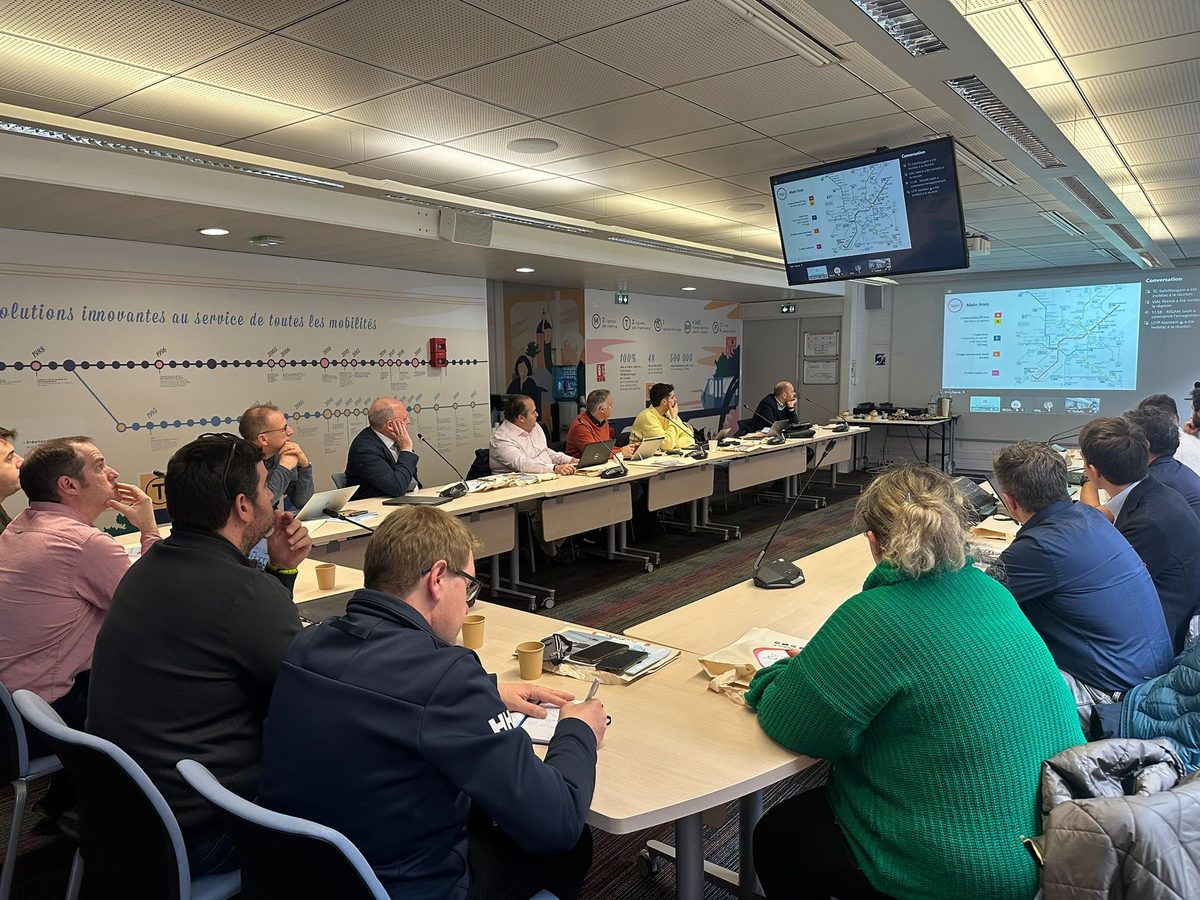
The Cable Car Working Group
analyzing and discussing urban mobility solutions in Toulouse. © UITP
What events and activities do you organise?
The Working Group is still growing, so at the moment there is a strong focus on meeting, building relationships and creating a common understanding of the issues facing the sector. This provides the foundations for more activities in the future.
We have already seen the value of bringing people together around practical experiences. For example, UITP platforms have visited and learned from urban cable-car systems in Paris and Toulouse, where the operators and authorities shared their experiences of developing and integrating their systems into the wider transport network.
These kinds of exchanges are particularly valuable because they allow cities to learn not only from successful projects, but also from the practical challenges encountered along the way.
UITP has also organised dedicated knowledge-sharing activities, including a 2026 webinar looking at the transition from construction into operations, covering issues such as starting operations, the role of suppliers, early maintenance and the challenges associated with launching a new line.
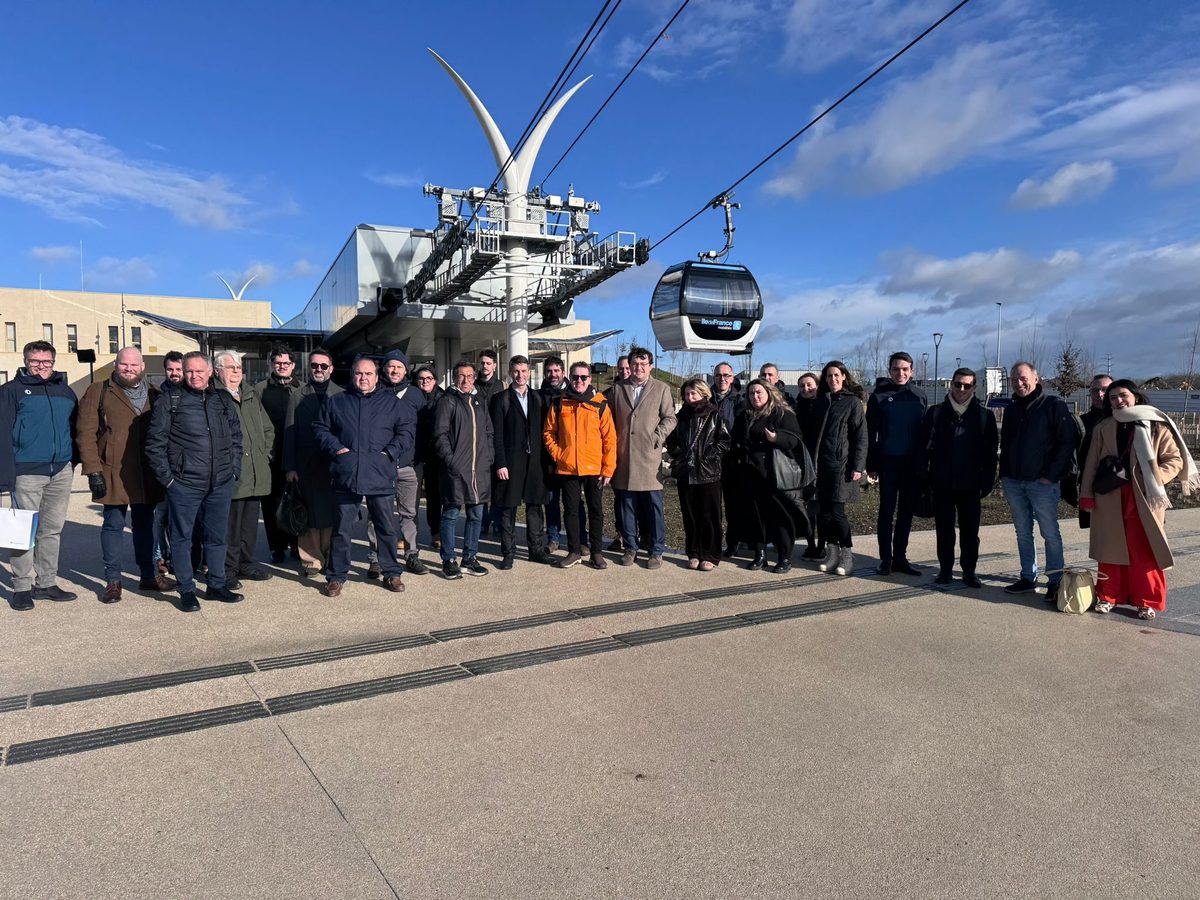
Joint meeting in Paris
with the Authorities Committee as part of a knowledge exchange. © UITP
How do you collaborate with public authorities?
One important area is working closely with the authorities within UITP to identify how best to support cities and other stakeholders in implementing cable cars in urban environments.
A good example of this collaborative approach was the work between the Cable Car Working Group and UITP‘s Francophone Authorities Platform. The groups looked at the different stages of a cable-car project, from the initial concept through to upgrades, and considered which actors need to be involved and what actions are required at each stage.
This work is particularly relevant because successful urban cable-car projects require cooperation across a number of areas – planning, transport authorities, infrastructure, operations, procurement and integration with existing networks. Bringing those perspectives together early in the process can help cities better understand what is involved.
How are the key topics and challenges right now?
One of the main pieces of work is developing material to support decision makers and planners in better understanding cable cars and how they can be implemented in an urban environment.
The intention is to give cities a clearer picture of the issues they need to consider when assessing whether a cable-car system could form part of their transport network.
This is being developed through the Cable Car in the Planner‘s Toolbox, which is intended to support decision makers and planners in understanding cable cars as a potential mode for their cities.
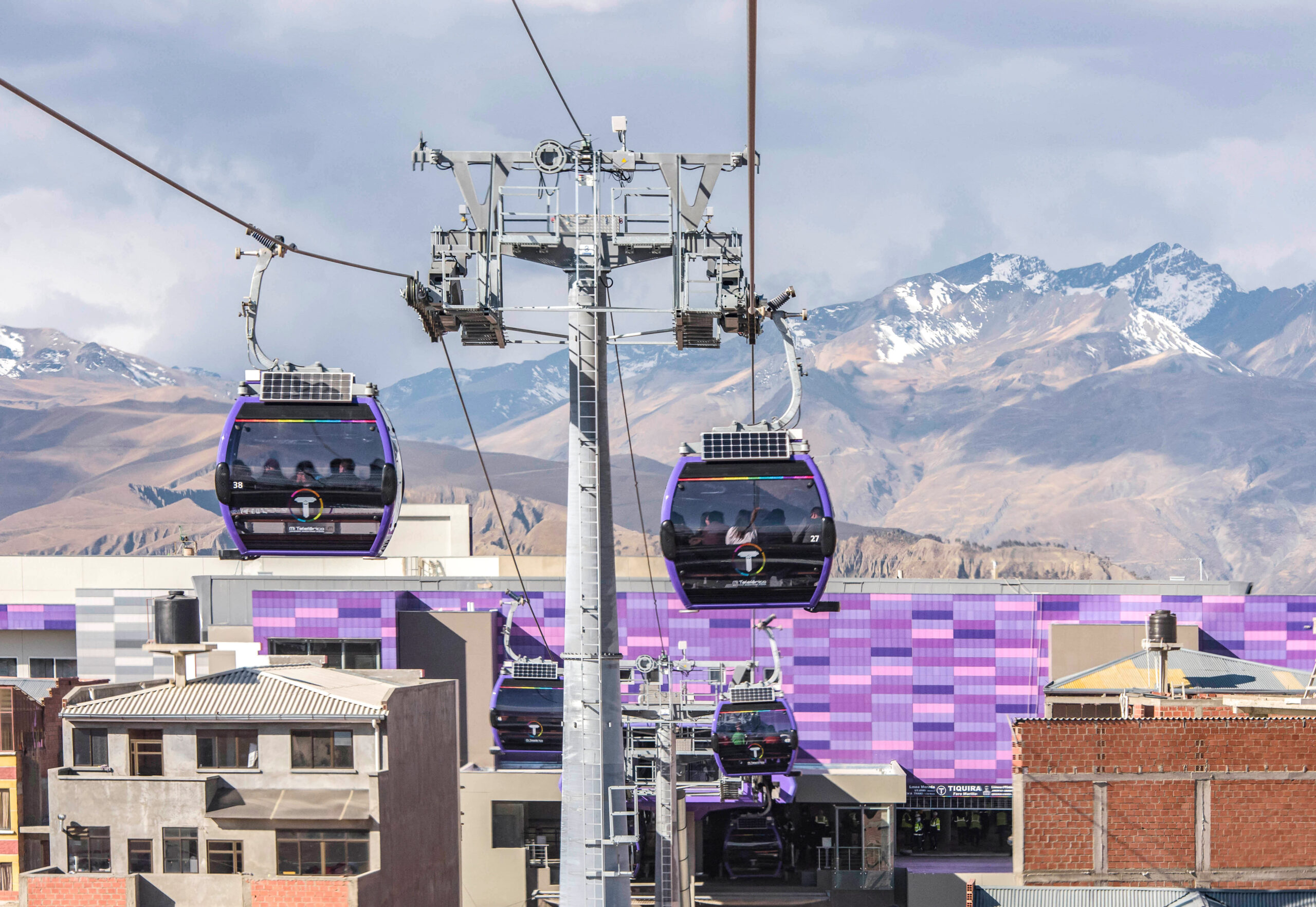
How do topics differ between Europe, Latin America and other regions?
There are certainly differences between regions, reflecting the maturity of cable-car systems and the role they already play in public transport.
In Europe, many cities are still relatively new to urban cable cars, so there is considerable interest in understanding how the technology can be integrated into existing networks and urban environments.
The examples in Paris and Toulouse demonstrate two different approaches and show how cable cars can connect with metro and bus services and become part of the wider public transport system.
In Latin America, the situation is different. Cities such as Medellín and Bogotá have much more established experience with aerial cable systems, and the discussion can therefore move towards questions around mature systems, network development, integration with urban planning and how cable transport can continue to contribute to wider mobility objectives.
UITP‘s work in the region has provided an opportunity to share lessons from Medellín and Bogotá with other cities.

What are the Working Group’s plans going forward?
The priority is to continue the work with authorities and to expand collaboration across the many UITP committees and platforms. Cable cars are inherently multidisciplinary, so there is a lot to gain from cross-fertilisation between different areas of UITP.
As the Working Group grows, we also want to continue developing practical knowledge and guidance that can help cities move from the initial consideration of cable cars through to implementation and operation.
The overall objective is to strengthen the position of cable-propelled transport within the wider public transport discussion and to make sure that cities have access to international experience.

Can you already share what visitors interested in cable cars can expect at UITP in 2027?
The UITP Summit will return to Hamburg in 2027, providing another major opportunity for the global public transport community to come together. The detailed programme is still being developed, so I would not want to pre-empt the final content.
What I can say is that cable transport is now firmly part of UITP‘s wider knowledge and activities. For anyone interested in the development of urban cable transport, the opportunity to meet people working on projects in different parts of the world is particularly valuable.
The sector is developing rapidly, and international knowledge exchange is an important part of that process.

Finally, what advice would you give cities considering urban cable cars?
The key is to start with the transport problem rather than with the technology. Cities should look at their geography, passenger demand, existing public transport network and the particular connectivity challenge they are trying to solve, and then assess which mode is most appropriate.
Cable cars can offer some particular advantages in the right circumstances. They can cross difficult geography, avoid road congestion, connect areas that may be challenging to serve with conventional infrastructure, and can require relatively little ground space.
They can also provide an effective connection between different parts of a multimodal network. But the technology itself is only one part of the equation. Cities also need to consider integration with other modes, passenger experience, operations and maintenance, accessibility, funding, regulation and long-term network planning.
The most important message is therefore to keep an open mind. Don‘t assume that a cable car is the answer – but equally, don‘t rule it out simply because it is different from more conventional public transport. It should be considered alongside the other available solutions, based on the needs of the city and its passengers.
Interview: Ekaterina Zakharova