

SI-Urban
URBAN CABLEWAYS
Cableways and mountain railways are not only used in the winter sports industry. They’ve also become a practical means of transportation in cities, which is why we decided to launch SI Urban Magazine. Here we focus on the various topics that are relevant to the urban sector, which are sorted into the categories city, tourism and airport. Each of them will provide you with exciting news about technology, maintenance & service, security, surveillance, city and landscape planning and much more. Innovations, new types of projects and optimal solutions from all over the world should encourage reflection, help in finding ideas and reveal new opportunities.

Stuttgart: New Cable Car Route in Focus
The German city of Stuttgart is examining a possible cable car route to the Robert Bosch Hospital. Although an assessment of a pilot route showed a negative cost-benefit ratio, city officials remain convinced that Stuttgart still has significant potential for cable car transport.

Following Paris: Portugal Plans Europe’s Second Urban Cable Car
The Portuguese city of Vila Nova de Gaia is set to launch a tender for an urban cable car project by the end of the summer. The cable car will be directly integrated into the city's metro network, following the example of Paris. The details.

Lucerne: City Rejects “CityLink” Cable Car Project
The cable car initiative has been rejected by Lucerne’s city council in Switzerland. According to the government, the project carries significant financial risks and does not offer a sustainable solution for urban transport. The project's initiators, however, strongly disagree. Here are the key arguments.

Madrid unveils new cabins
The new cabins were presented at the Global Mobility Call in Madrid, where visitors could take a virtual reality ride offering a high-altitude view over the city.
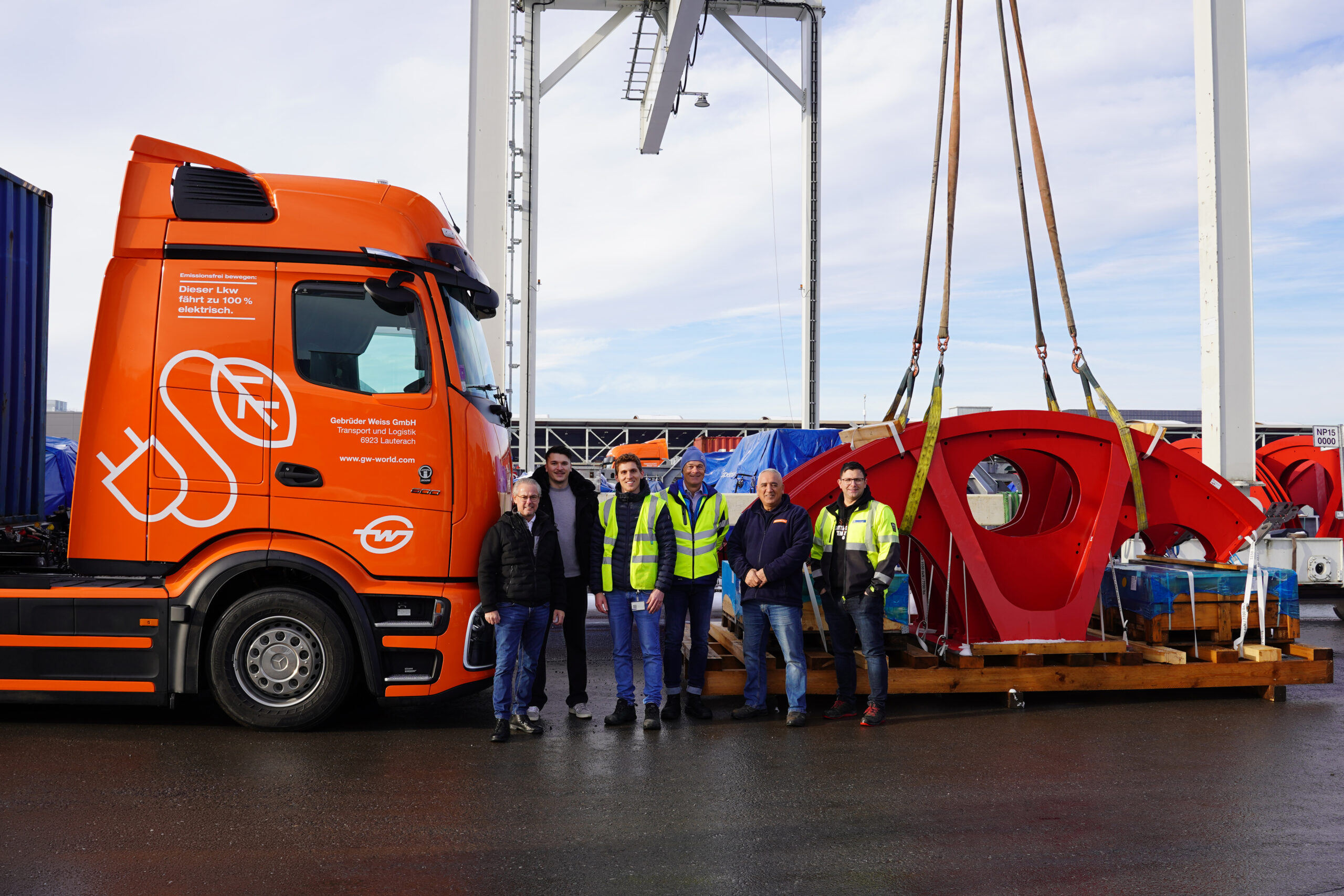
Cable car for Malaysia: More than 60 containers arrived from Austria
On Penang Hill in Malaysia, a new eight-seater gondola lift is being built. The cable car components required for the project have arrived on the island after a journey of several weeks by land and sea. The system is expected to begin operations later this year, improving access to one of the country’s most popular tourist destinations.
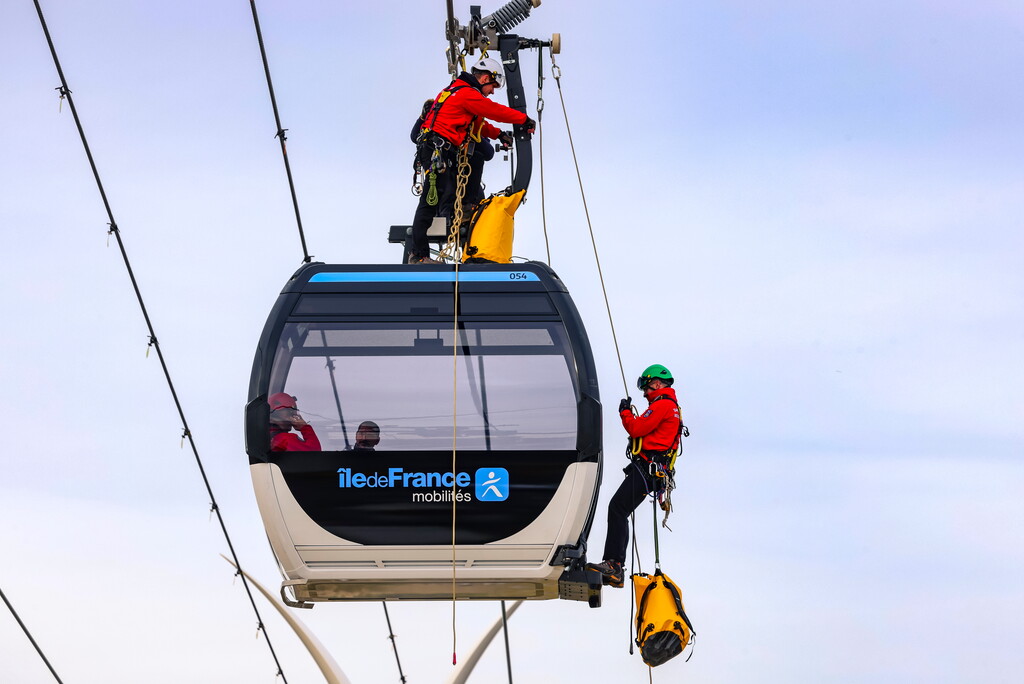
C1 Cable Car Evacuation Drill: How the Emergency System Works
On June 9, service on Paris’s C1 cable car was temporarily halted for a large-scale safety exercise. One of the scenarios simulated a total system failure, leaving a cabin suspended high above the ground near a support tower. SI spoke with Île-de-France Mobilités to learn how firefighters would respond in such an emergency.

Paris: Double Award for the Câble 1
The first cable car system in the Greater Paris region has received two major distinctions: it was awarded the Special Jury Prize by the Regional Association of Public Works Contractors and has also officially obtained environmental certification.
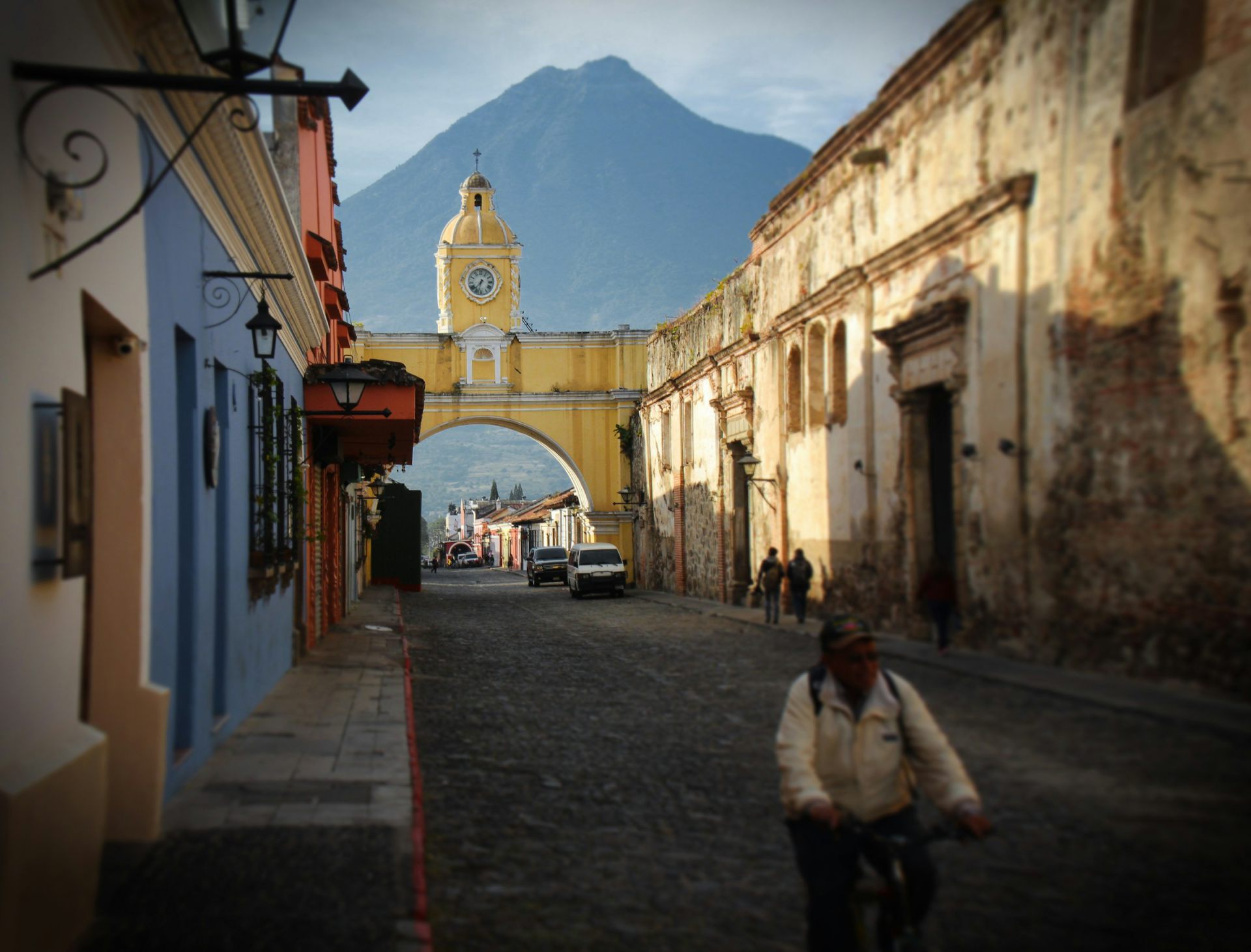
Guatemala: Cable Car from the Airport Under Discussion
The city of Antigua Guatemala is planning initial feasibility studies for a cable car system. The project aims to provide a modern, congestion-free transport alternative linking the country’s main airport with its most popular tourist destination.
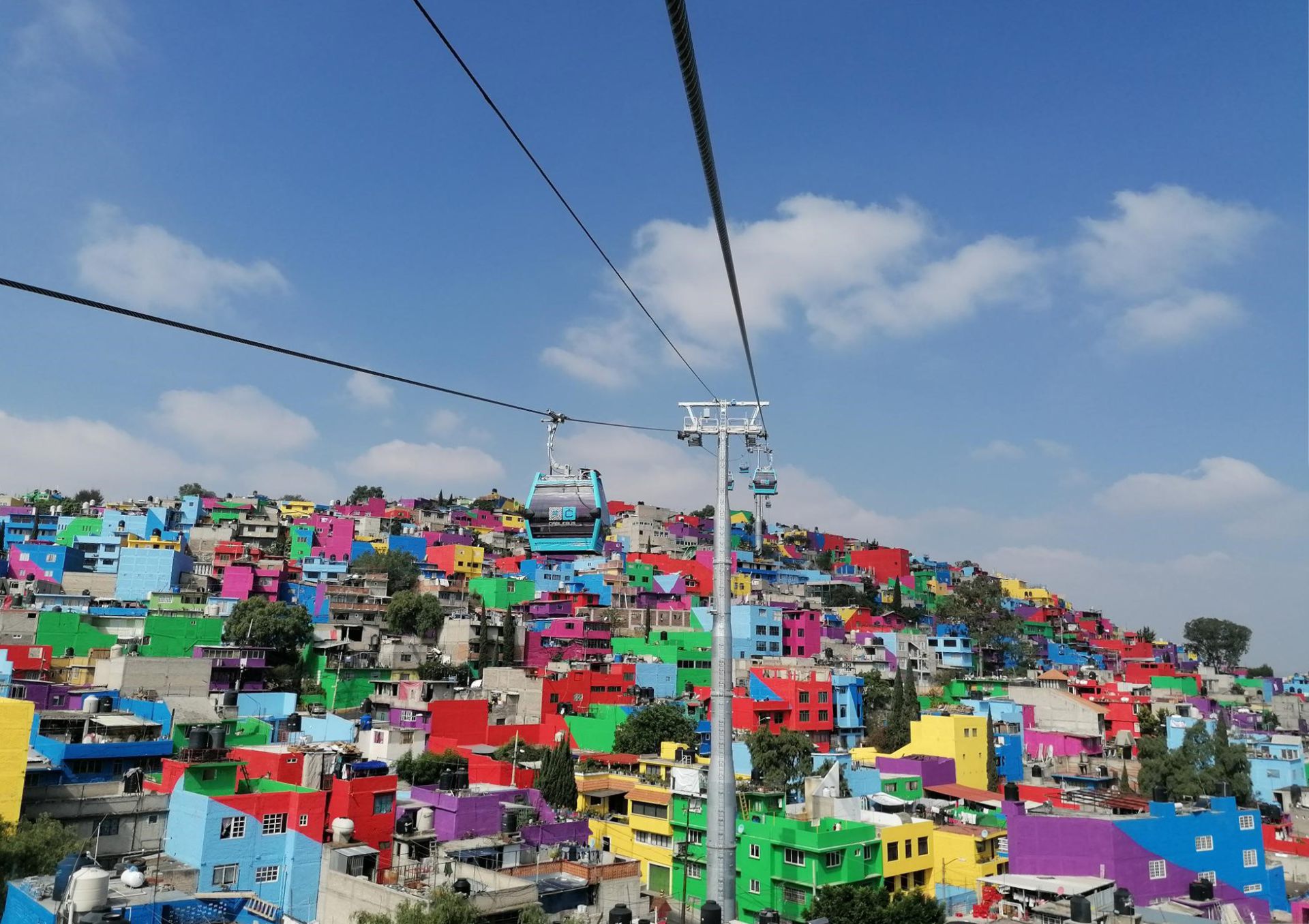
Mexico: Cable Car Network Grows by Another 40 Kilometers
Approximately 40 kilometers of additional cable car lines are set to be added to Mexico’s existing network, which already comprises around 25 kilometers in operation. Several projects are currently under development across the country. Here is an overview.
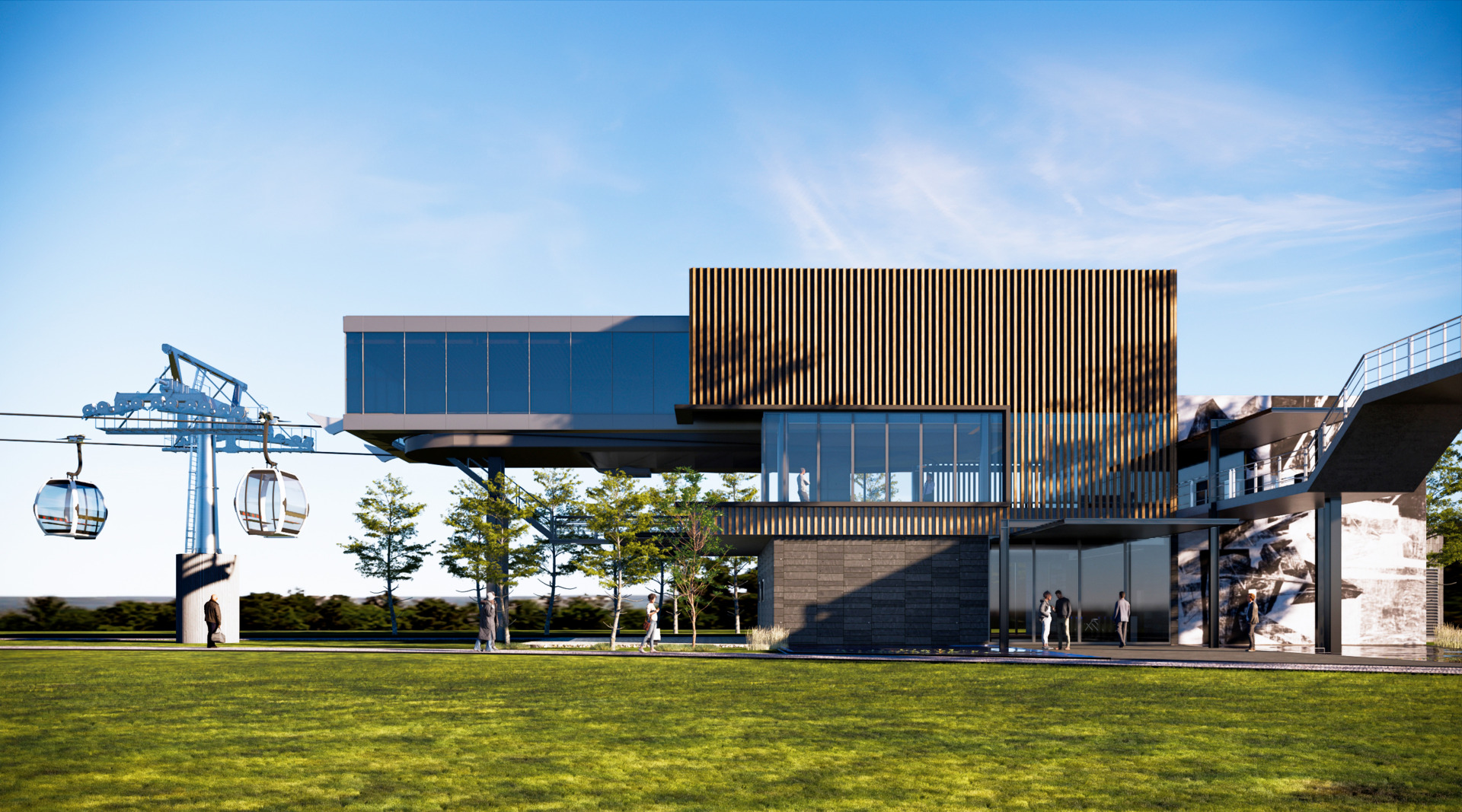
Cable car in Puebla: Social impact in focus
The planned cable car system in the Mexican metropolis of Puebla is intended to reduce travel times for more than 43,000 workers and to be closely integrated with cycling infrastructure. What other social needs are at the center of the project?
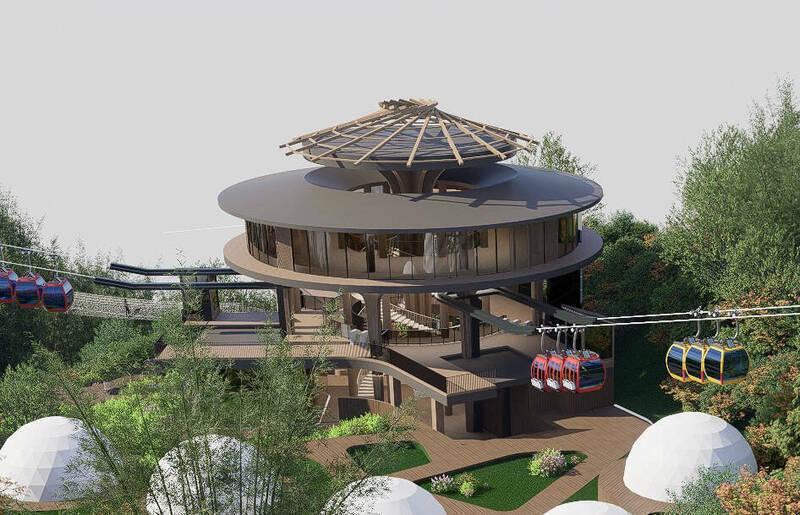
Taiwan: New cable car to suspension bridge
To further boost tourism in Nantou, Taiwan plans to build a cable car. It is intended to make visits to the already well-known suspension bridge hotspot more comfortable and offer a more engaging experience for visitors in the future.
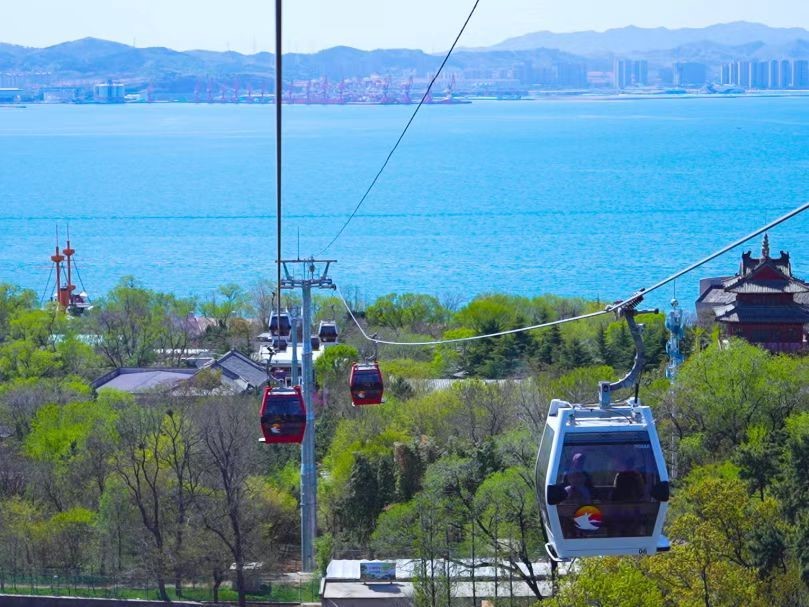
China: Cable car for a coastal site
A new cable car on Liugong Island in China is expected not only to further boost local visitor numbers, but also to inspire other regions across the country to invest in similar tourism infrastructure.