
Management & Tourism, Planning & Construction, Specials
European innovations on American mountains: The Big Sky experience
SI: How was the season this year in Montana? Did you have a good winter?
Troy Nedved: Throughout North America – specifically across the West and the Rocky Mountains – it was a record-low snow year. But when that happens, Big Sky benefits from what we call the lowest deviation of snowfall.
That simply means we don’t really have bad years; our snowfall is extremely consistent. So, while other resorts suffered and had a really tough time this winter, we actually had a great season. It was a huge success.
Over the past 10 years, Big Sky has added 20 new lifts. Why was a transformation of this scale necessary?
The word “necessary” can be interpreted in a lot of ways, but this was a core part of our long-term vision. Our CEO, Stephen Kircher, and the Kircher family spend a lot of time in Europe.
They see the incredible technology and investment in lift infrastructure over there, which is a very different model than what we typically see in the US. Stephen saw an opportunity to completely transform the mountain experience in North America.
While the lift infrastructure in the European mountains is unbelievable, what we have here that elevates the experience even further is our snow – the consistency, the quality, and the unique feel of our terrain.
By applying a robust lift network to our mountains, our goal was to keep lift lines to an absolute minimum and provide an exceptional guest experience. We wanted to do it differently than anyone else in North America.
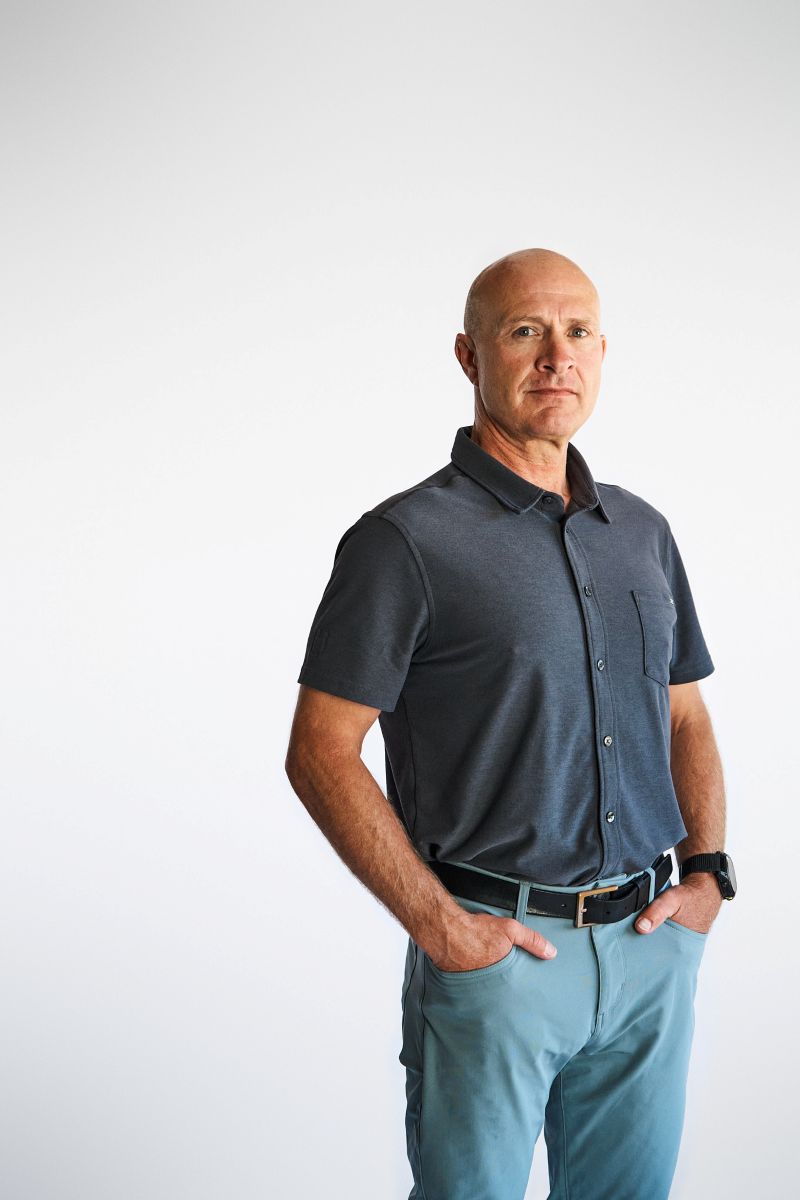
Troy Nedved
President and COO, Big Sky Resort
I’ve been at Big Sky for 29 years. Like many in this industry, my background started in ski instruction, and I’ve seen this mountain come a incredibly long way. The 1995–96 season marked the debut of our original tram, which was a really bold and exciting move for the US. While lifts that go high up into the alpine peaks are common in Europe, going above the tree line was a rarity here in the States. When the Kircher family put that tram at the top of Lone Peak back in ’95, it changed everything. In fact, that ambitious project is exactly what brought me to Big Sky.
What were the key aspects of the guest experience you aimed to improve?
There were a couple of key things. First, we have always been known for not having lift lines. We actually average about an acre of terrain per skier even on a busy day, which is highly uncommon for destination ski areas both here and in Europe.
You have so much space and elbow room that you can be on a lift at Big Sky on a busy day and still be the only person on it. That amazing feel comes from having 2,367 hectares of terrain, with potential to grow in the future.
The second aspect is specific to the type of lifts we chose. Montana can be cold – on average, it’s colder and at a higher elevation than its European counterparts. We wanted to completely insulate our guests from those elements.
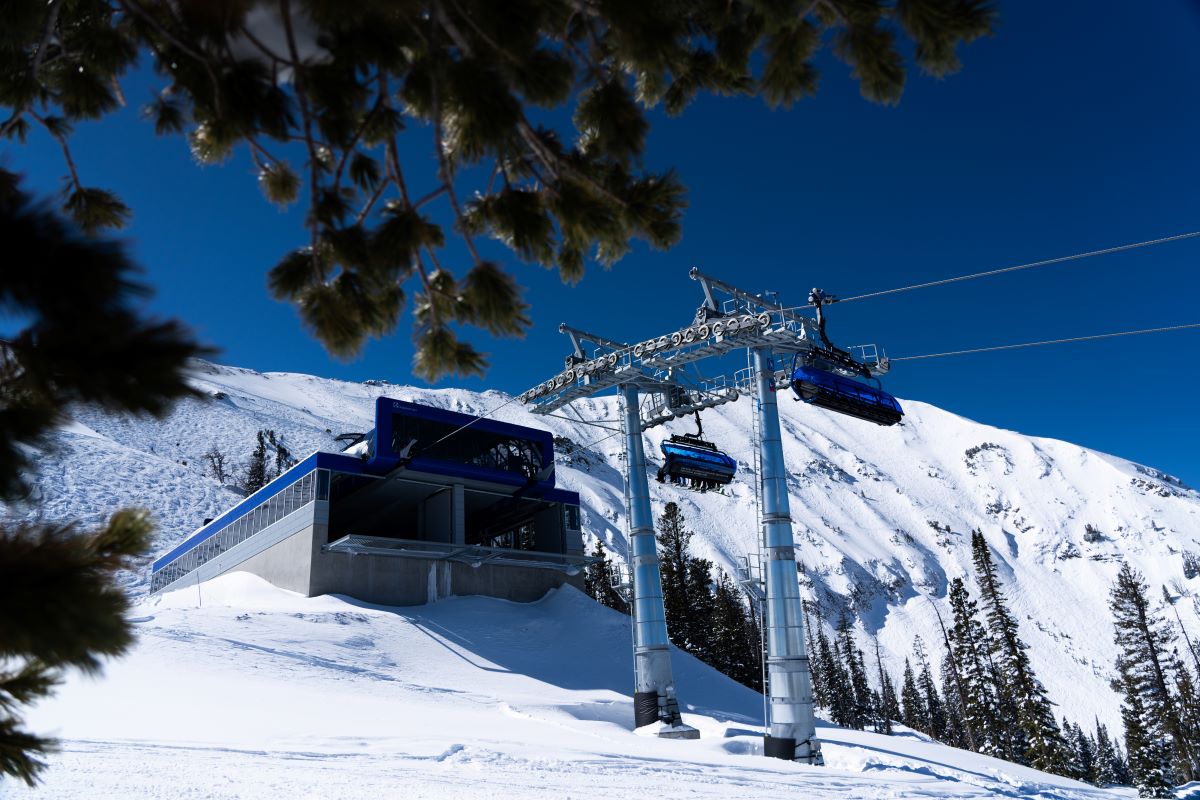
By adding blue bubbles, heated seats, and focusing on fast, quiet lifts, our goal was to buffer the cold temperatures and mitigate the less desirable aspects of the weather.
You have invested in top-tier European lift technology, such as Doppelmayr’s D-Line. Which specific technical features of these new lifts are particularly important to you and why?
We’ve absolutely embraced Doppelmayr’s D-Line technology, primarily for its reliability and longevity – these are 50-year lifts. As a company, we think long-term and focus on the long game. Investing in older technology just puts us in a position where we’d have to replace things sooner, so we are always looking to the future. That makes the D-Line very important to us.
Regarding heated seats and bubbles, because we have colder temperatures, we also get the best snow on earth. Allowing people to warm up with comfortable, heated seats and weather bubbles perfectly fits and completely transforms the Montana ski experience.
We’ve even embraced the new Fatzer rope systems, which are extremely quiet. All the fine details around these new machines are a surprise to our guests because they simply aren’t used to seeing them anywhere else in North America. It makes the Big Sky experience truly unique.
Modern lifts equipped with heated seats and protective bubbles
are the important part of Big Sky Resort’s investment strategy.
Is Doppelmayr’s new TRI-Line system – designed specifically for high-wind conditions – also a topic for Big Sky?
We do not have that set up as of yet. Because we’ve replaced a lot of our lifts with heavier D-Line carriers, they are already much more wind-resistant.
We don’t really have any zones exposed enough to justify the TRI-Line right now. Thanks to this new D-Line technology and the weight of the carriers, our lift downtime has been cut by over 50% – they handle crosswinds incredibly well.
Even our tram, which is a bit more exposed, is heavy enough to handle the wind beautifully. So while we haven’t needed to utilize TRI-Line yet, it’s certainly something that may fit into future applications.
Are autonomous technologies like AURO system relevant to you?
They are. We’ve actually been in conversations with Doppelmayr about potentially testing some of that technology. In the US, finding employees in mountain towns and high-alpine environments is often challenging, so we are always looking for opportunities to operate more efficiently.
We are highly interested in technology that allows us to run these lifts with less staff, while also making the experience better and safer. We are currently waiting to see how the technology evolves. We haven’t tested it yet, but we are definitely interested.
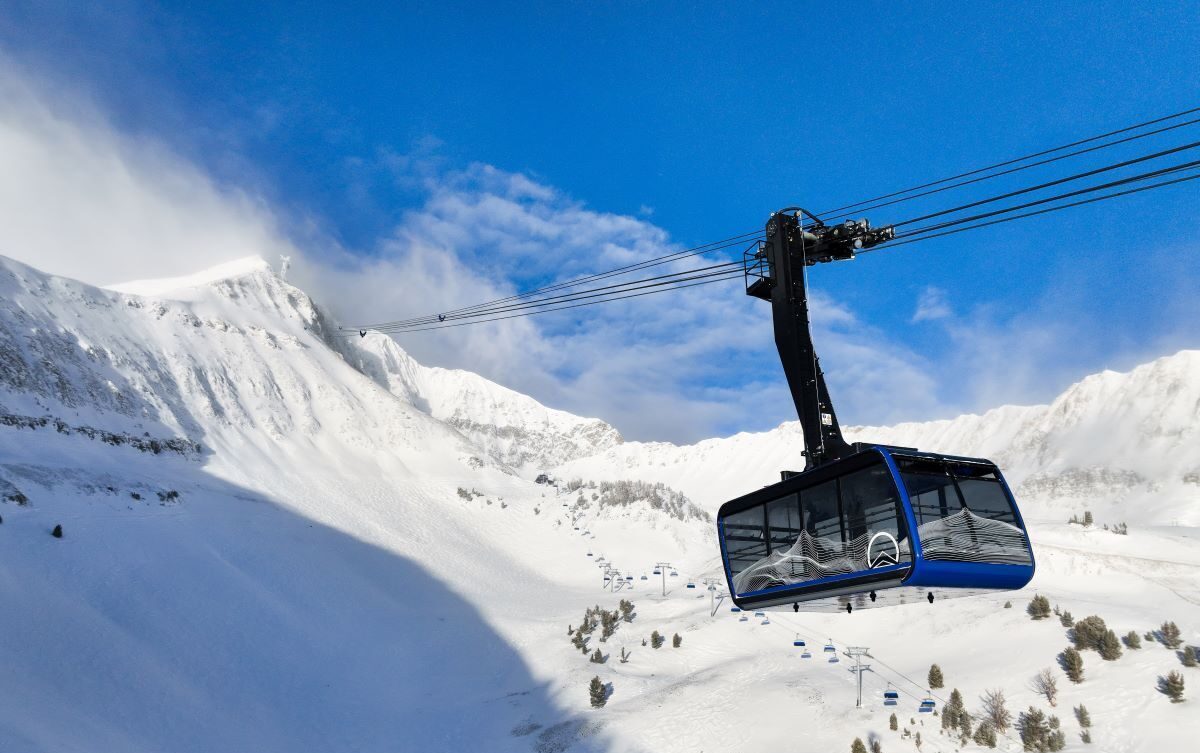
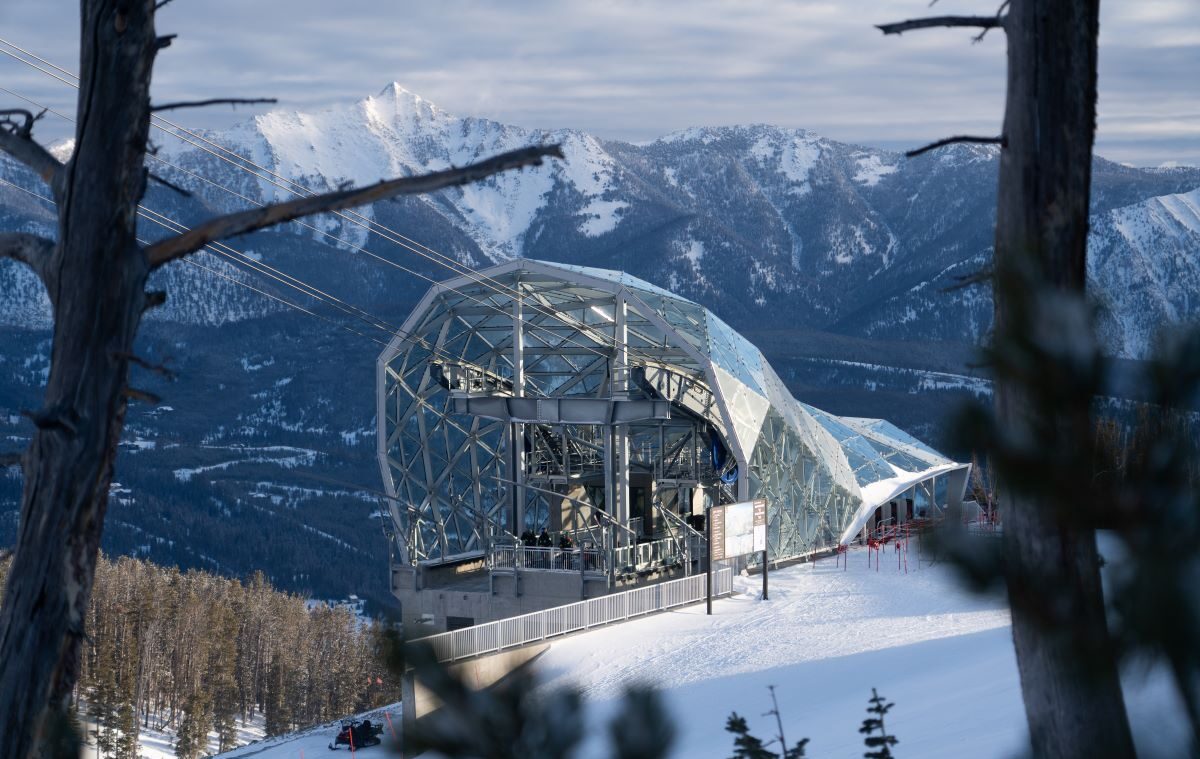
The Lone Peak Tram travels to the top of Lone Mountain. © Ethan Schumacher/ Big Sky Resort
Did you have to adapt any European concepts to better fit the American market? For example, in terms of loading and unloading habits, queue management, or station design?
Yes, that is an interesting question. The ski culture in Europe is clearly different, especially when it comes to lift lines. Skiing sits a little differently in American culture, and our guests simply need more structure in lines.
When we worked with Axess – a access control group we use quite a bit – they shared specifications based on European standards.
We quickly found that those often don’t work here and have to be modified for American skiers. We need more distance between scan gates and load boards, and we typically need more staff to organize the queues and fill seats.
Europeans tend to be much more assertive in lines; they push their way forward and naturally fill every seat. Americans are a little less assertive and require more encouragement and organization.
We’ve actually gone through a few different redesigns for our maze management – adjusting gate placements and distances – and we have finally found a setup that works really well for the American market, but it is distinctly different.
At the end of 2025, you also opened the observatory. What was the idea behind building it, and what role does it play in the overall resort experience?
We were ranked the number one ski resort in North America last year, and we’ve known we have the best skiing for a really long time. Now, we’re trying to develop the “and” – the part of the mountain experience that goes beyond just skiing.
Every family has someone who might not be a hardcore skier, and we also have our summer season. We wanted to add that touch of more experiences, that true “wow” factor. You see this in France and other places across Europe, where high-alpine observatories are a key part of the experience.
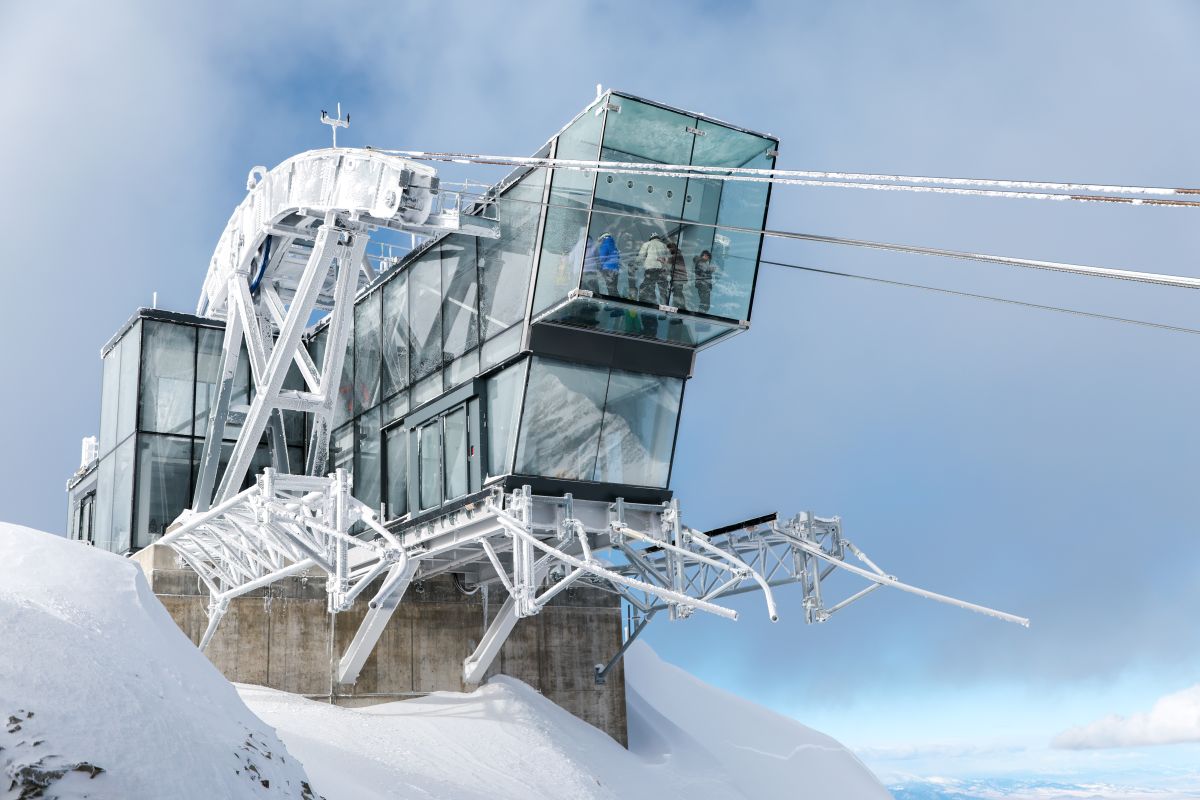
It was something we wanted to bring to Big Sky. What better place to do it than on what we call “America’s Matterhorn”? The observatory is exceptional because you get pristine 360-degree views and can see three different states from that one location. It is the perfect addition to both our summer and winter experiences.
Kircliff, perched at 3,403 meters above sea level,
is a two-story glass observation deck.
What other new experiences or attractions have been introduced at the resort in recent years?
Just in this last year, alongside the new gondola – which gave non-skiers a direct route to the tram and the summit for the very first time– we introduced a new igloo. This was inspired by a European experience.
Back in 2019, when we toured Europe looking for tram replacements, we visited a few locations that had these incredible après-ski igloos with drinks and a great atmosphere. We always wanted to bring that to the US, we just needed the right time. This was the first winter we built an igloo right at the base of our tram, and it has created an amazing après experience for our guests.
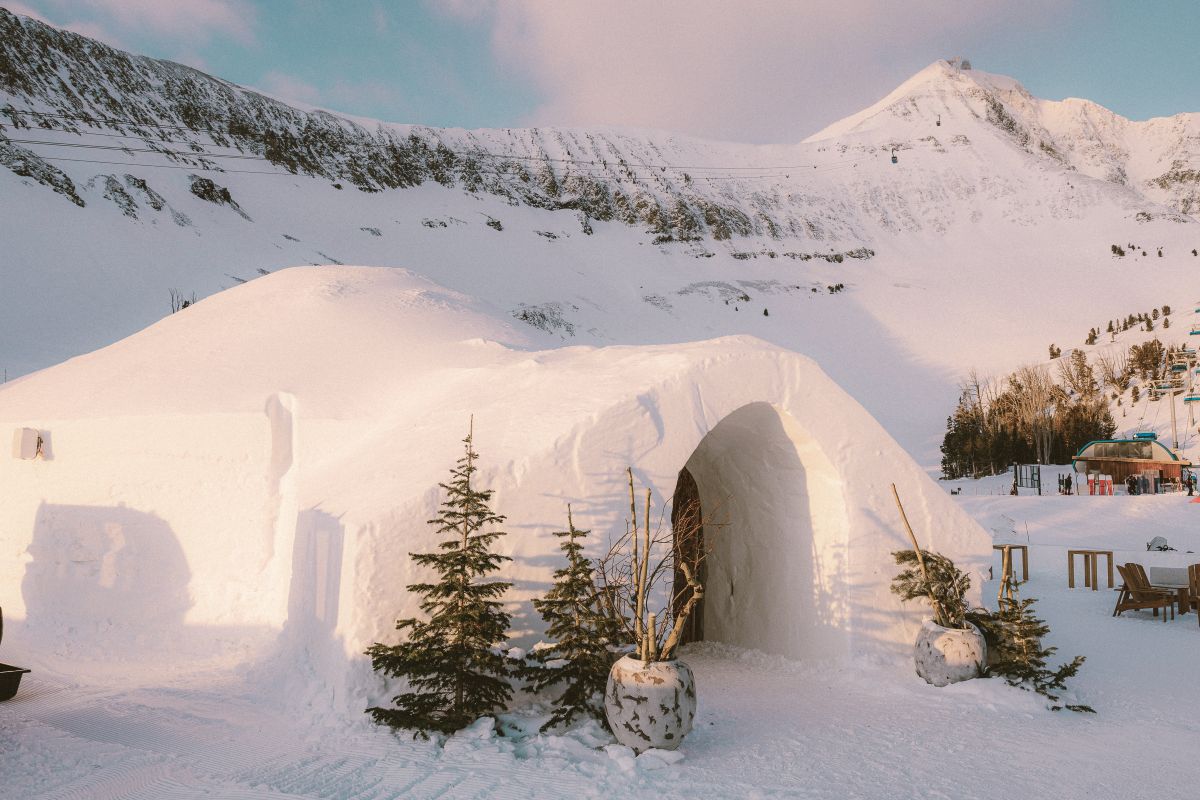
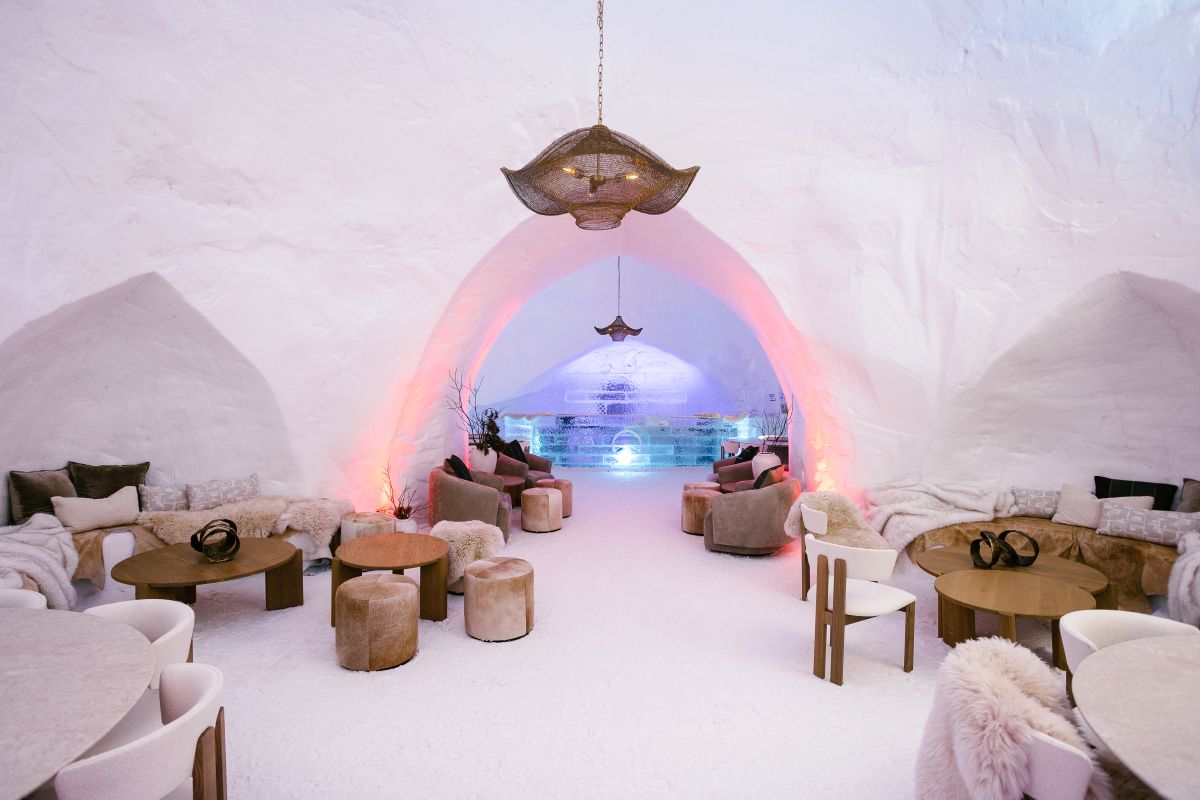
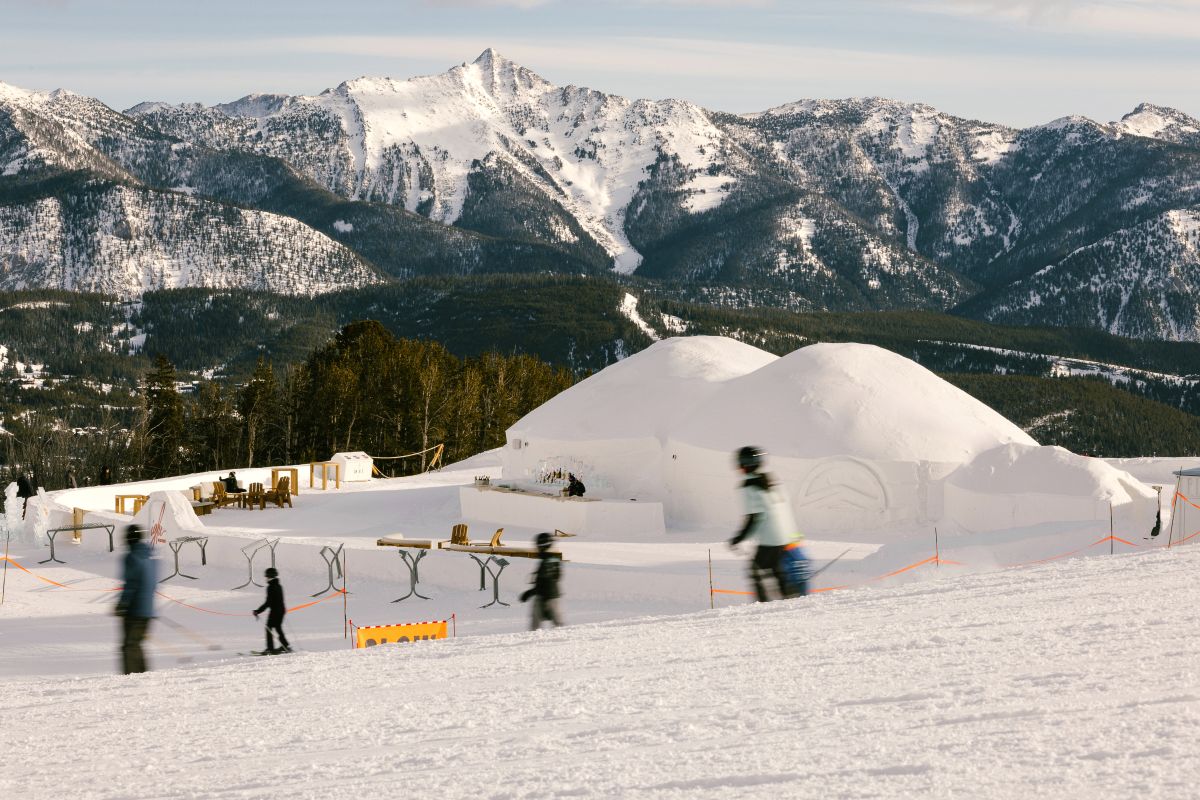
© Nicole Wickens / Big Sky Resort
Beyond that, we are actively expanding our culinary offerings. We have new on-mountain restaurants in the works soon.
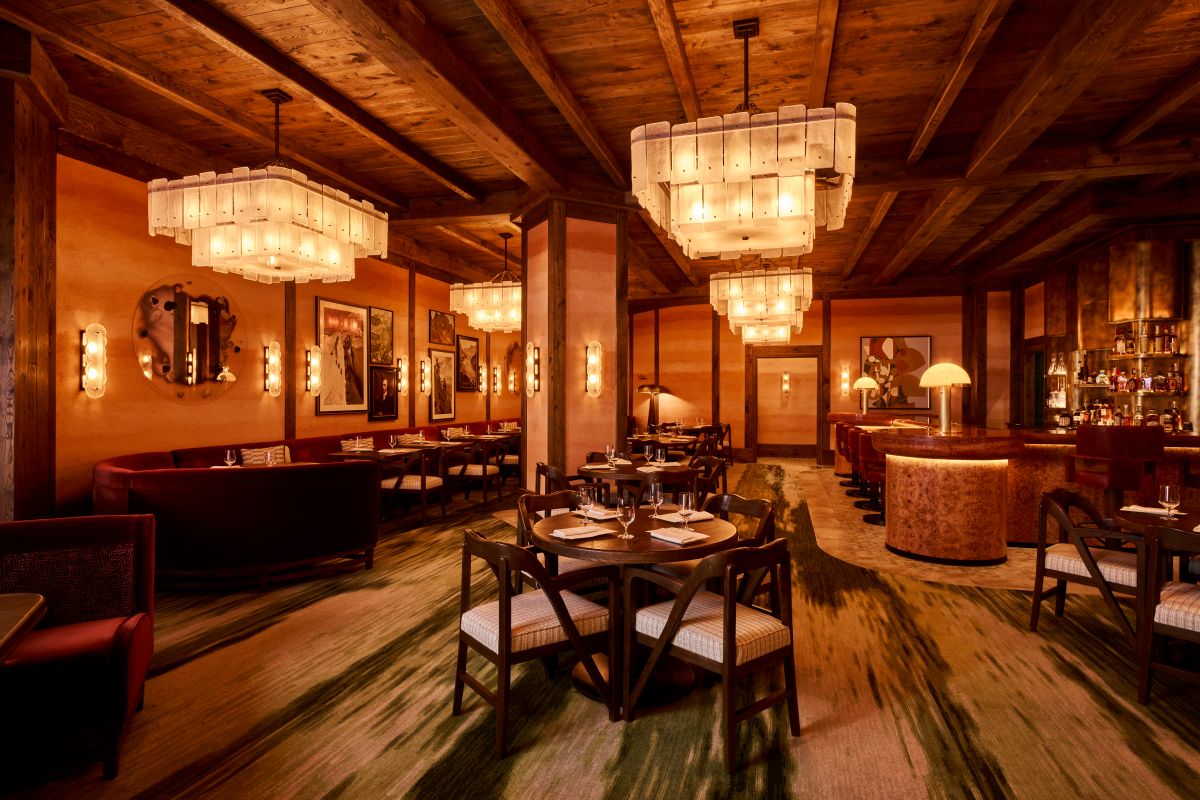
Recently, we also brought fine dining to our village with a Michelin-star restaurant called M.
That is something very atypical for the US ski environment, and it really goes beyond the traditional American ski experience.
Michelin-star restaurant called M
Of all the upgrades completed under the Big Sky 2025 plan, which project has had the greatest impact on your daily operations and guest flow?
I would say, although it was the last to be finalized, it is the Explorer gondola, because it plays a key role in allowing so many other things to happen. For the first time, it allows foot traffic to connect directly to the tram and the summit.
It also completely transforms our beginner experience. We are moving all of our beginner skiers and ski lessons out of the base area and up to a beautiful new mid-mountain complex – we’re going to have one of the best beginner areas in the world.
The gondola has been the key that ties everything together up to this point, and there are another five to ten projects that can now happen specifically because of that lift.
What has been the total investment in the resort over the past 10 years?
We exceeded our bold 2025 vision in both spending and scope by a significant margin. We didn’t just achieve our original goals; we accomplished many other projects on top of them. It has been quite a ride.
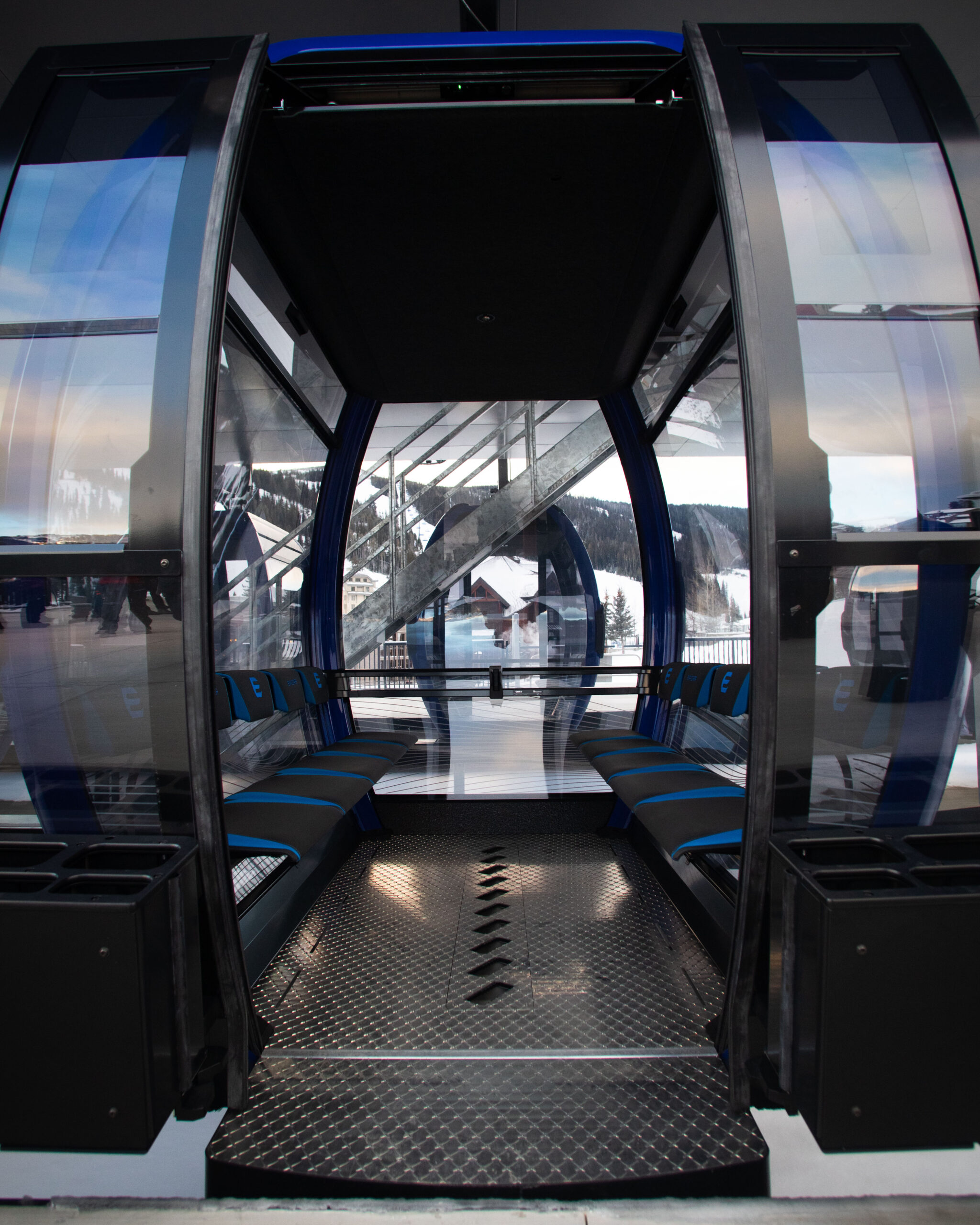
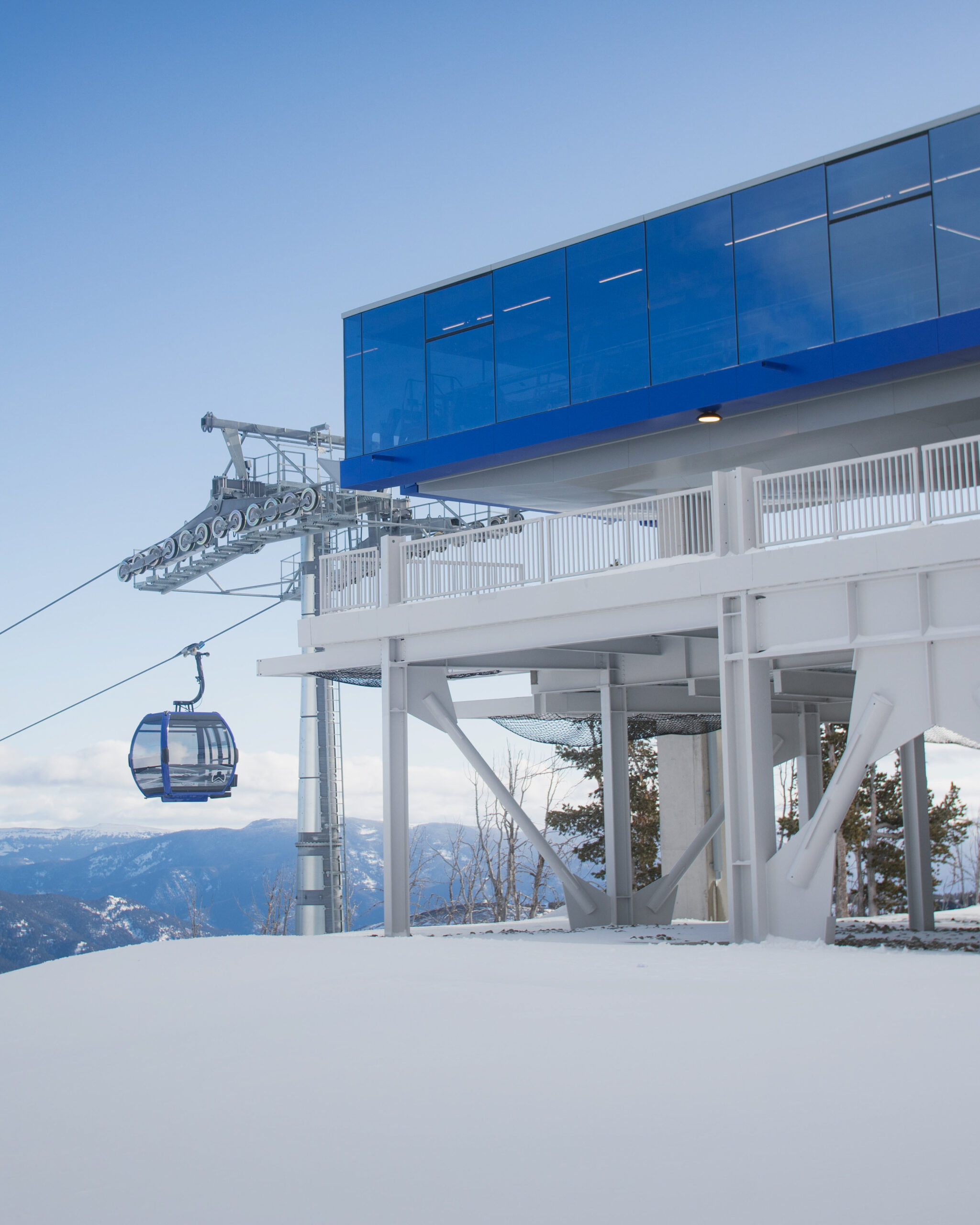
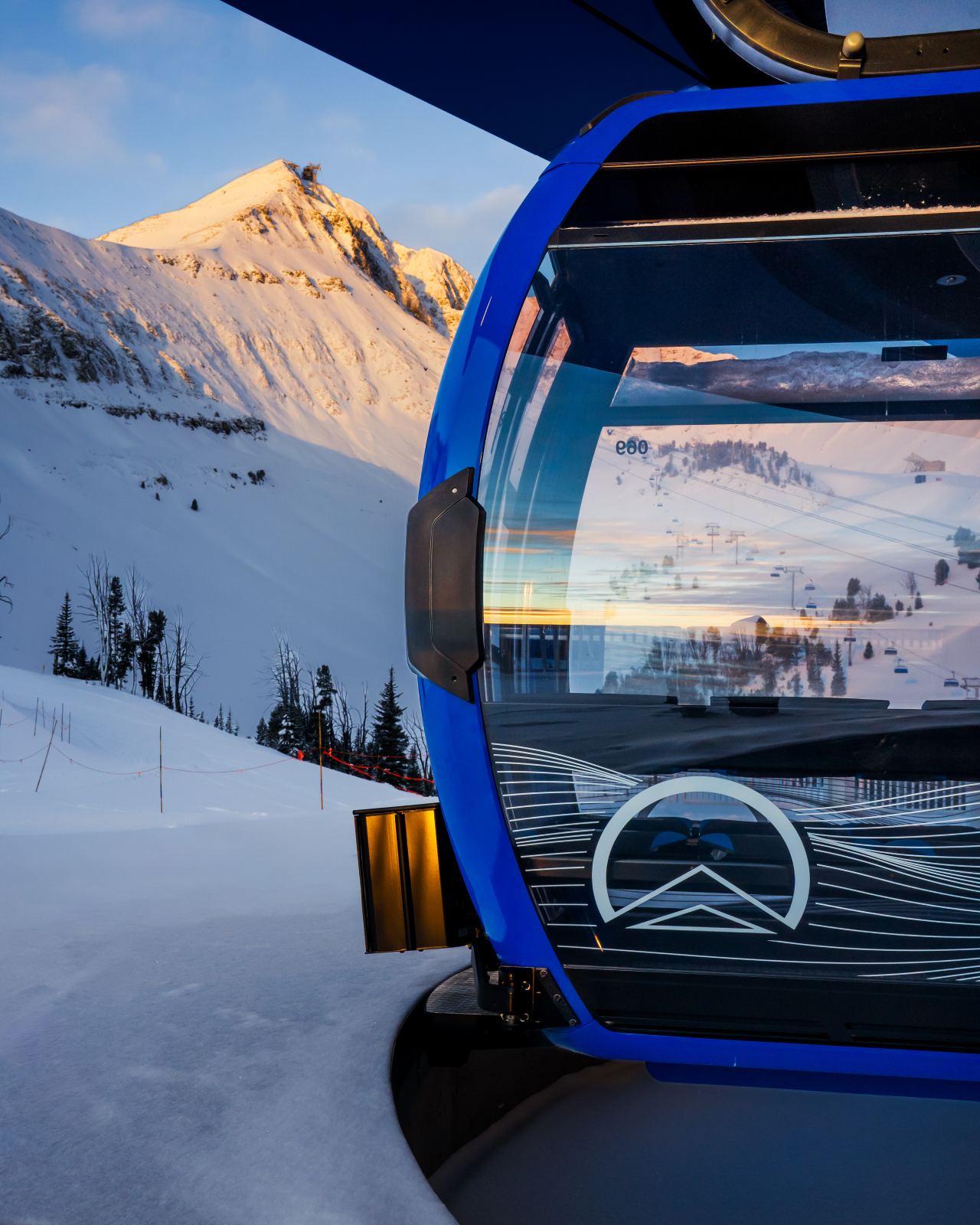
The Explorer Gondola connects the Mountain Village with the summit of Lone Peak: The first time in Big Sky’s history that full lift access exists in both summer and winter.
© Claire Lichtwardt, Andrew Belli/ Big Sky Resort
What, in your view, makes Big Sky truly unique?
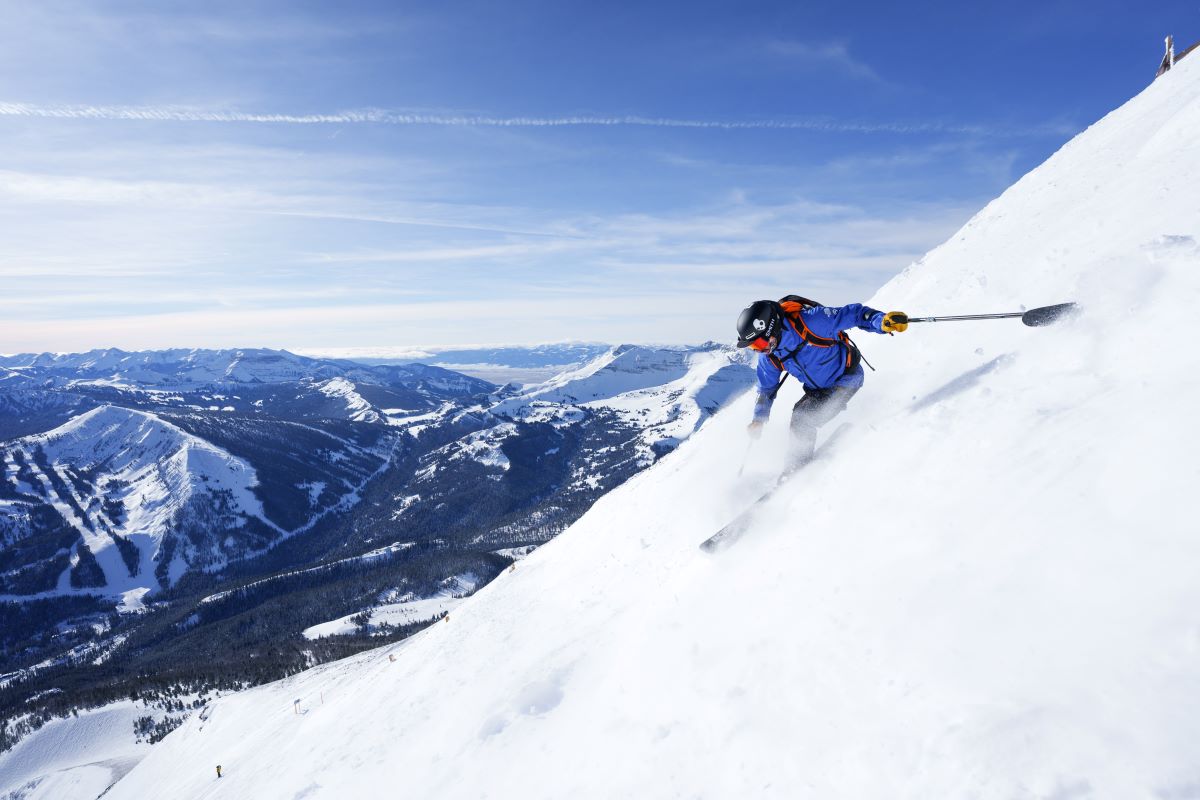
It comes down to the way the mountain is set up – it is the perfect ski mountain. We have a beautifully balanced terrain with roughly 30% green, 30% blue, and 30% black runs.
Because Lone Peak is so visible, we are mostly known for our high-end black diamond skiing, but what many people don’t realize is that our intermediate and novice terrain is absolutely unbelievable. We have everything from wide-open alpine bowls to incredible tree-line skiing.
In places like Val d’Isère and many beautiful European resorts, you are entirely in the high alpine – there are no trees, and the descent back to the base can be very steep. Big Sky is built differently.
The beginner and intermediate terrain is perfectly situated on the lower and mid-mountain, and it gets progressively more challenging the higher you go. Yet, everyone still gets those incredible views.
Finally, we ski 360 degrees around Lone Peak, covering the north, south, east, and west aspects, which means we always have great snow on at least one side of the mountain.
Do you often visit ski resorts outside the US? Which countries, approaches, or experiences do you find particularly valuable or inspiring?
Europe has absolutely had a significant influence on how we are designing our ski area and building out our vision. We are essentially taking the best components of Europe and applying them to Montana and the US in our own way.
While I’ve been to New Zealand, South America, and many other places, I would say our strongest influence is undoubtedly from Europe. I’ve spent a lot of time in Austria and skied numerous resorts there, as well as in Italy. More recently, we’ve been looking at France.
From a village standpoint, various French resorts are offering a lot of inspiration for how we want to design an experiential feel that goes beyond just skiing. When it comes to restaurants, food, and beverage, we are getting a lot of our best ideas directly from France.
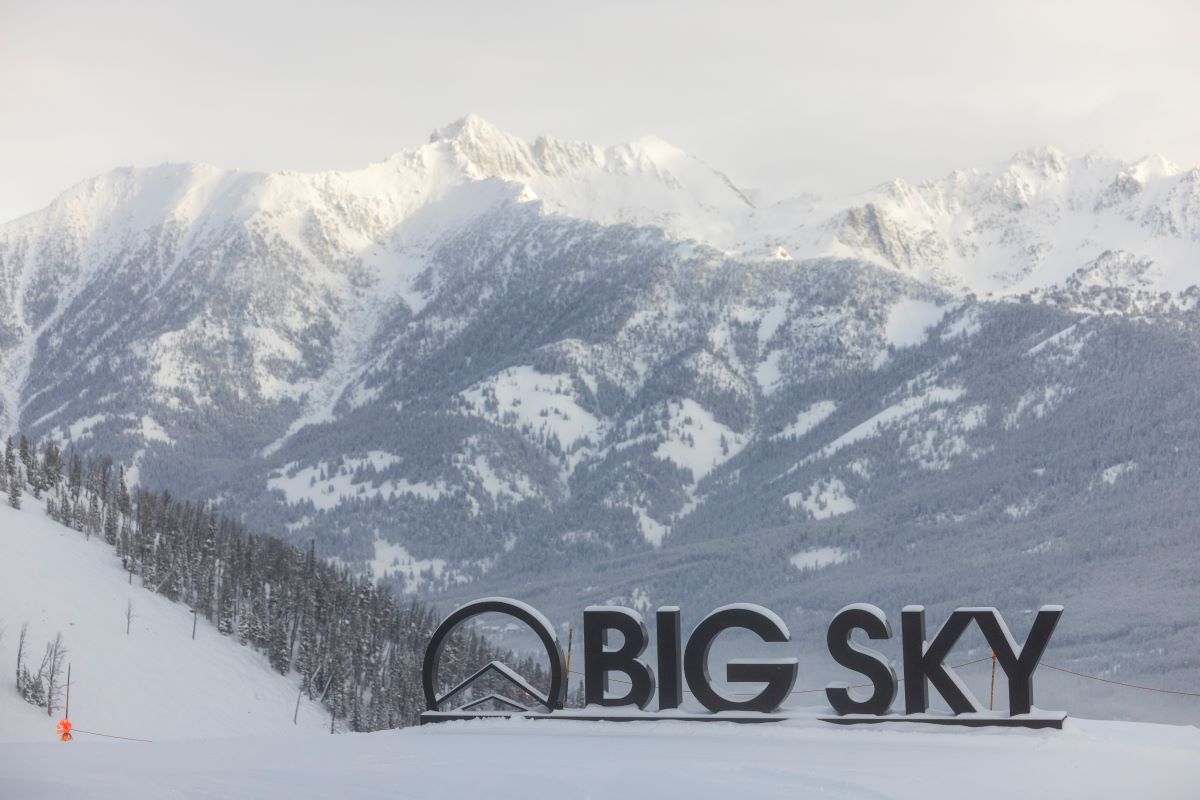
Big Sky Resort
offers a balanced mix of terrain, with roughly 30% green, 30% blue, and 30% black runs.
Is the resort actively working to attract international visitors? If so, how, and which markets are you focusing on as priority audiences?
Right now, Europeans make up a very small percentage of our destination travelers, though we do get a fair amount of visitors from South America and Australia. However, growing our international market is a major focal point for us.
As I described earlier, from a European standpoint, our strategy is to take the very best elements of European ski culture and apply them here – but put them on top of a wonderful ski mountain with exceptional snow.
When Europeans do come to Big Sky, their reaction is often: ‘I can’t believe this. We never get to experience days like this; they are incredibly few and far between.’
Because of that reaction, I firmly believe our appeal to the international market will continue to grow, and that is absolutely our intent.
In the Alps, there is a strong push toward year-round operations and summer tourism due to changing climate patterns. Is Big Sky following a similar trajectory?
That is a large part of why we built this infrastructure. We knew there was massive summer potential that goes well beyond winter. For summer foot traffic, we’ve been building a trail network around the new lift infrastructure so people can experience the mountain all the way from the gondola, up to the tram, and eventually to the clear views at the summit.
For mountain biking, our network is incredibly robust.
We have exceptional downhill trails, and we run five of our lifts in the summer specifically for our bike park.
We’ve even added brand-new Doppelmayr carousel bike carriers to our gondola. Finally, we are very fortunate to be located so close to Yellowstone National Park, which draws almost 3.7 million visitors in the summer. Our plan is to capture some of that audience and bring them up to Big Sky for a day or two.
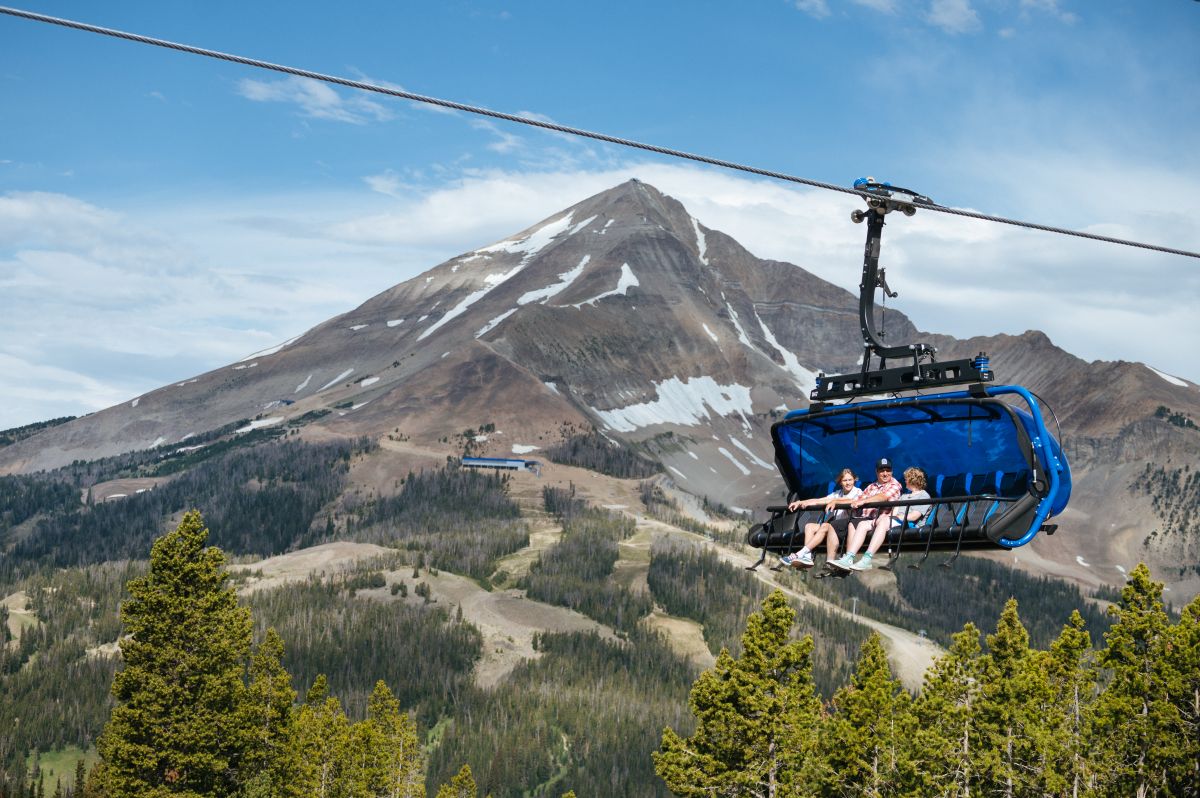
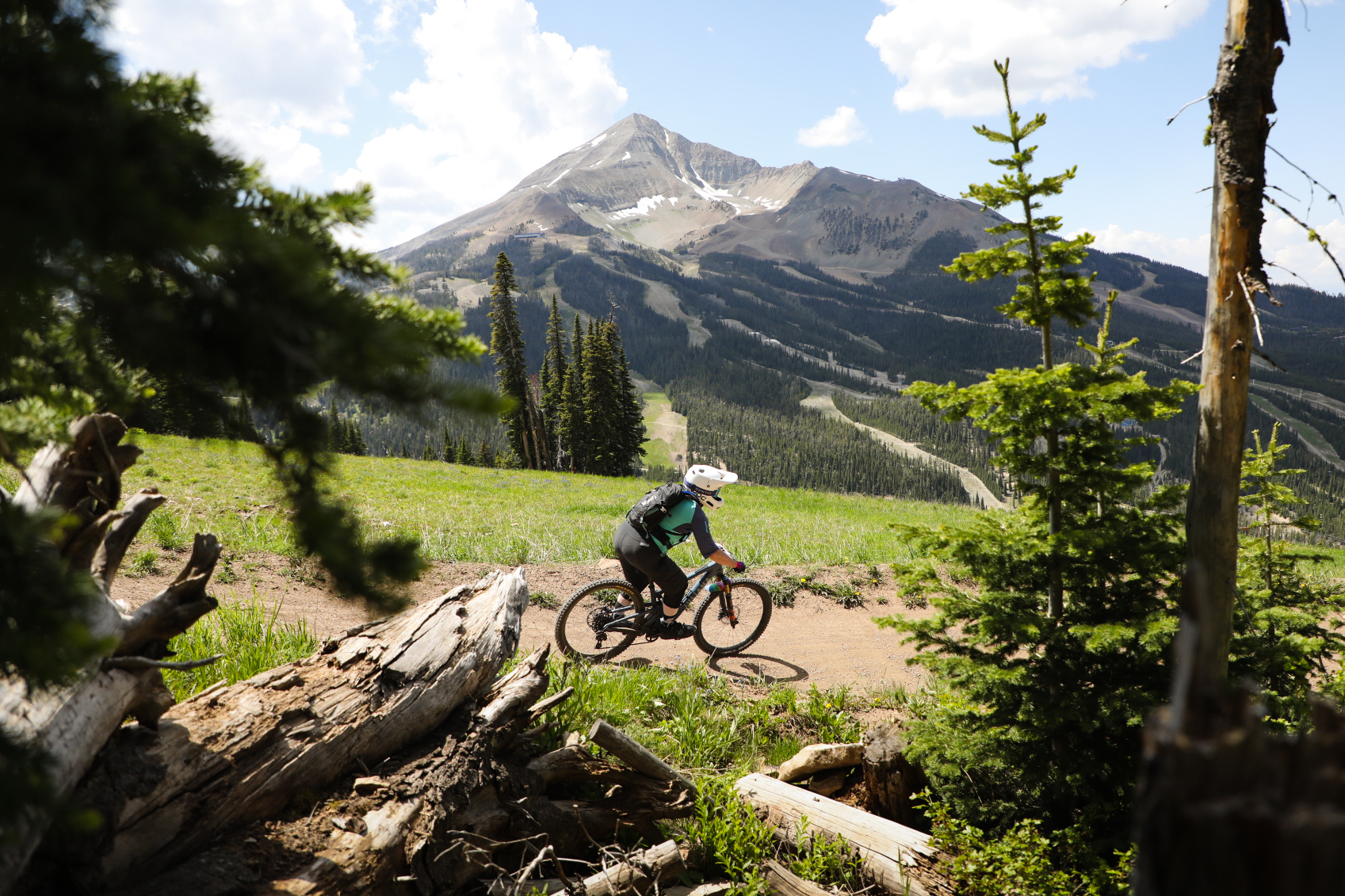
© Max Lowe, Claire Lichtwardt/Big Sky Resort
What do you see as the next frontier for US ski resorts? Which trends will shape the next decade of mountain infrastructure?
I think we’ve truly made our mark on the mountain infrastructure side. Everyone has noticed that we’ve probably been more aggressive than any other resort in North America up to this point, and our 2025 plan really accomplished that.
The next chapter for us is our 2040 vision, which we will probably be announcing in the next year or so. It’s largely going to focus on connecting the hospitality component to the full guest experience.
We want to introduce elements that go beyond just exceptional skiing and high-end lifts. We are focusing heavily on hospitality – integrating hotel brands, spas, and other unique on-mountain experiences that appeal to much more than just the traditional ski enthusiast, both in summer and winter.
Interview: Gerald Pichlmair