
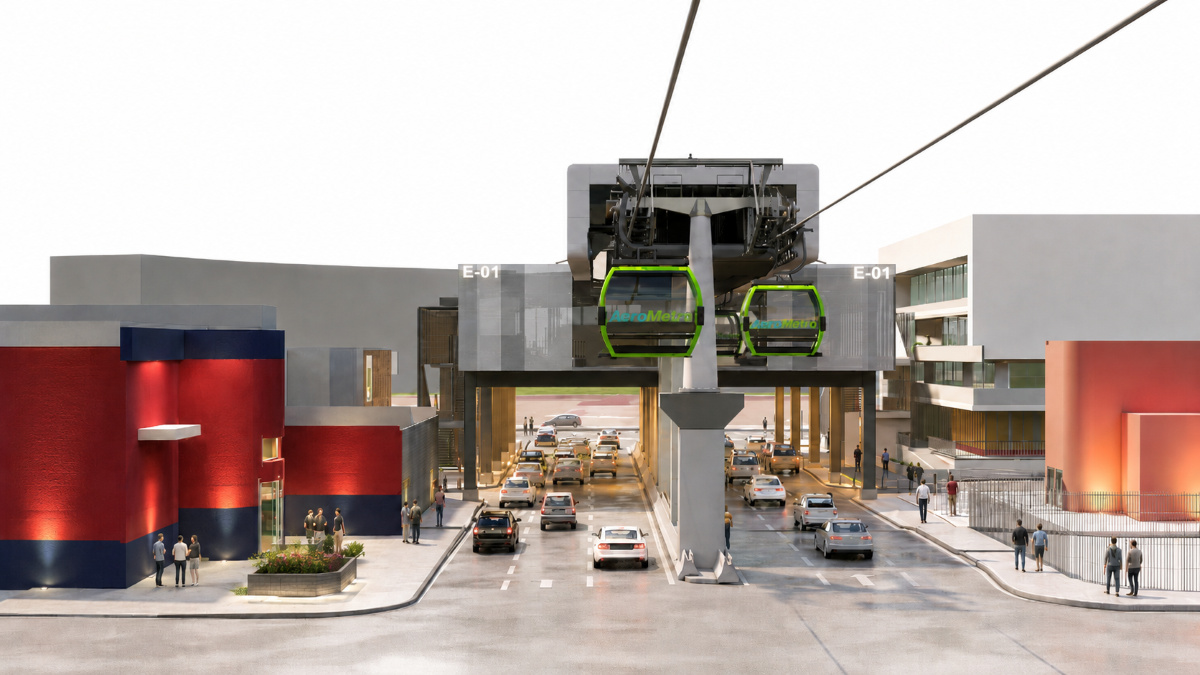
AeroMetro: High-Capacity Cable Car for Guatemala
Guatemala City is building its first urban cable car with the AeroMetro project. The system will be one of the world's largest, both in terms of capacity and infrastructure.
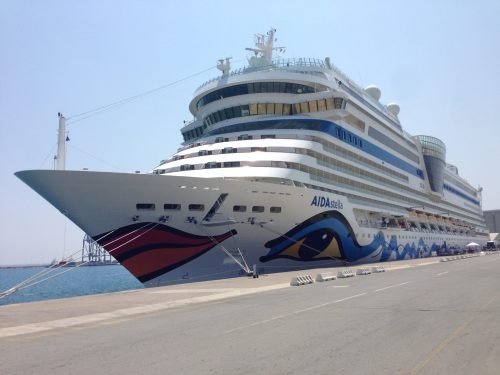
Too Tall for Singapore: Cable Car Forces AIDA Cruise Ship Refit
An AIDA cruise ship has to shrink. A reduced clearance in Singapore Harbour, caused by the reconstruction of a cable car system, has prompted AIDA Cruises to undertake an unusual modification.
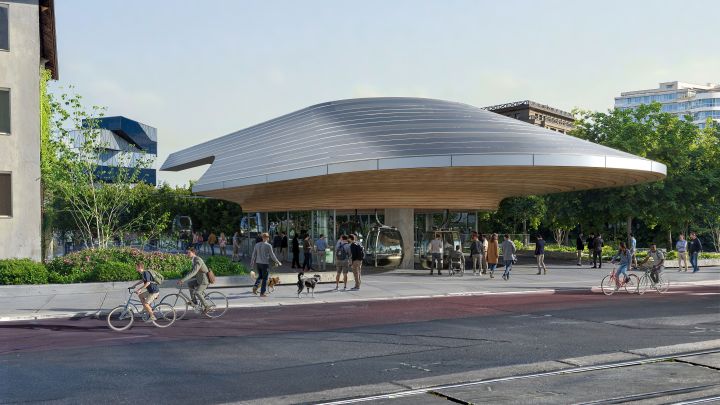
Heilbronn: Planning Phase for Urban Cable Car Begins
The German city of Heilbronn has announced positive news: On 27 July 2026, the municipal council gave the go-ahead for the preliminary planning phase of the project. What has changed compared with earlier plans, and what are the findings of the feasibility study?
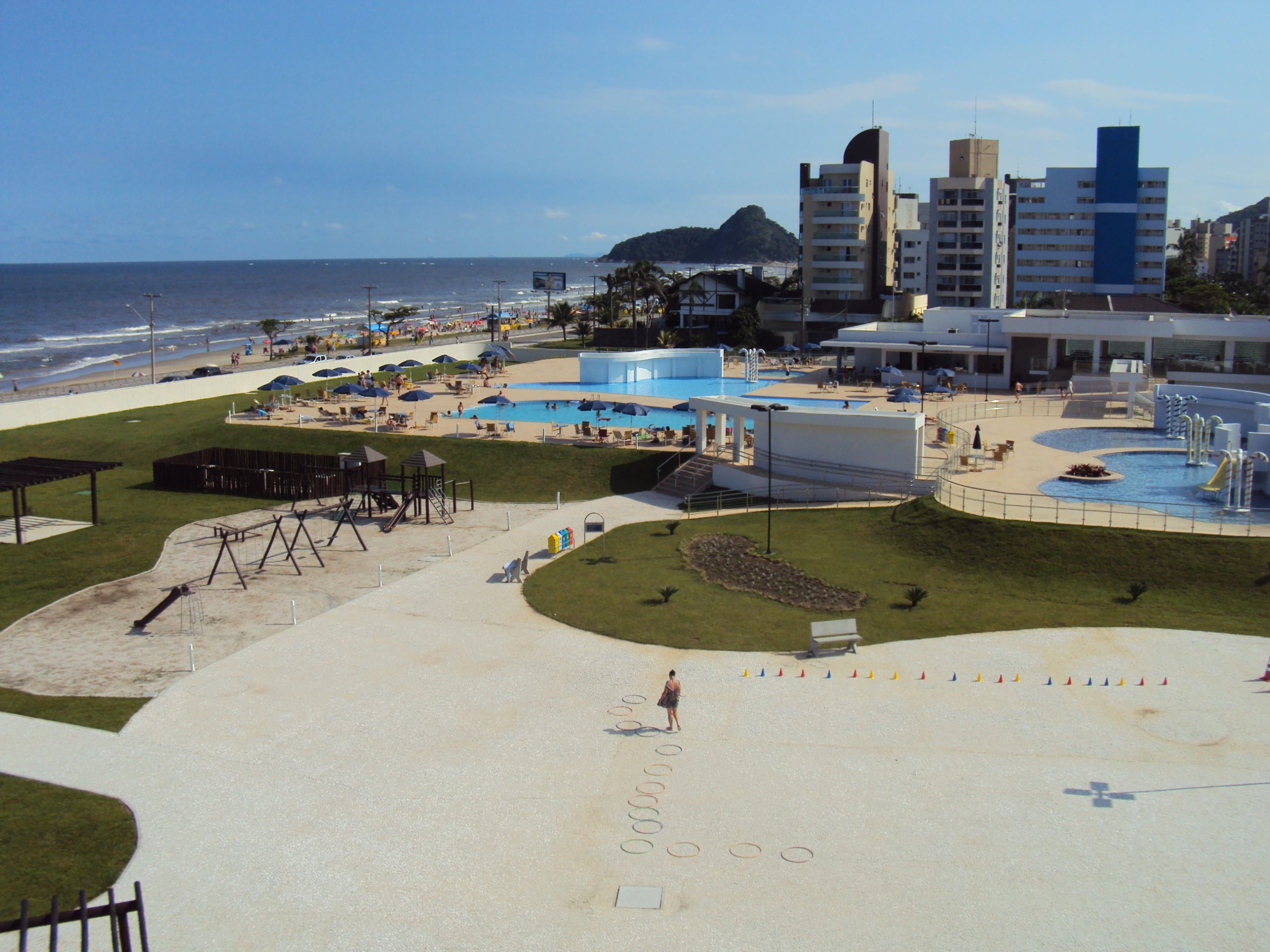
Brazil: New Coastal Cable Car Being Considered
Until the early 1990s, the Brazilian coastal city of Matinhos already had a cable car. At the time, it was one of the city’s most important tourist attractions and a major highlight of the entire coastal region. Now, the municipal administration is seeking to bring the system back.
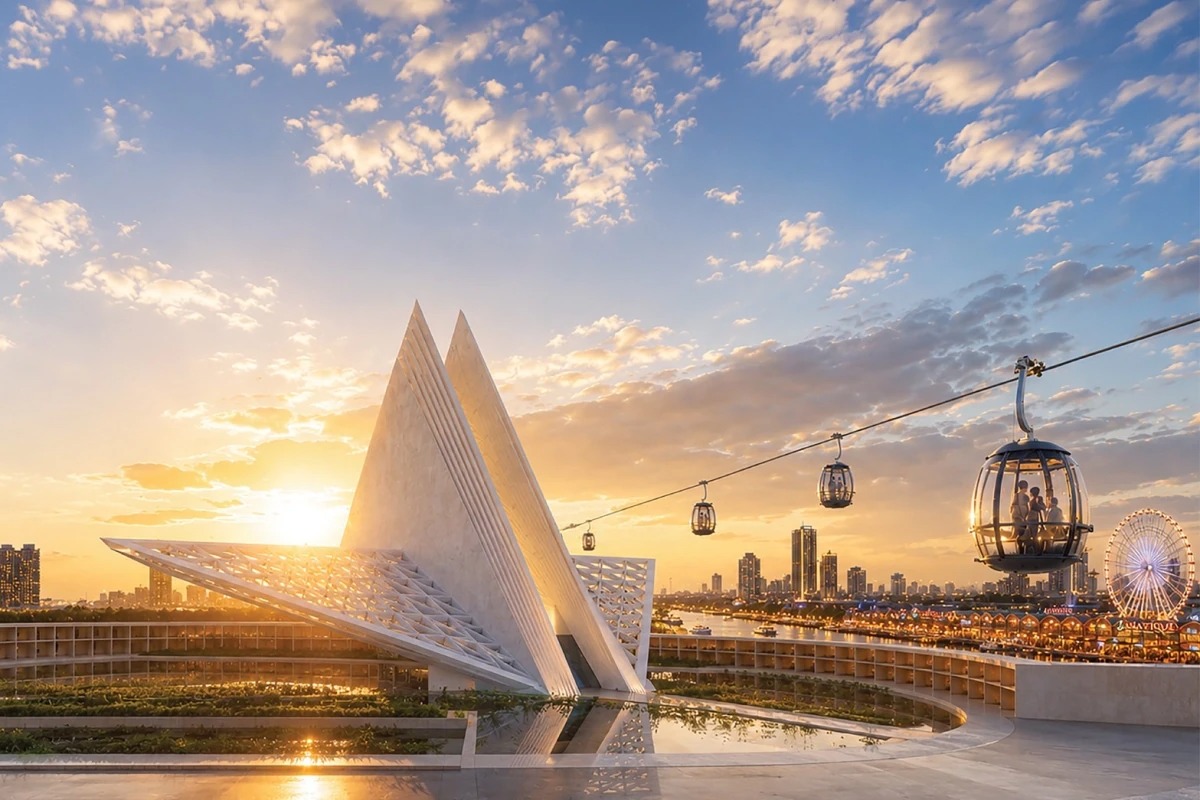
Bangkok: Cable Car for Exclusive Cultural Experiences
Several new tourist attractions are set to be developed in the Thai capital, Bangkok. Plans include a cable car, a museum of contemporary art, and an immersive experience world.
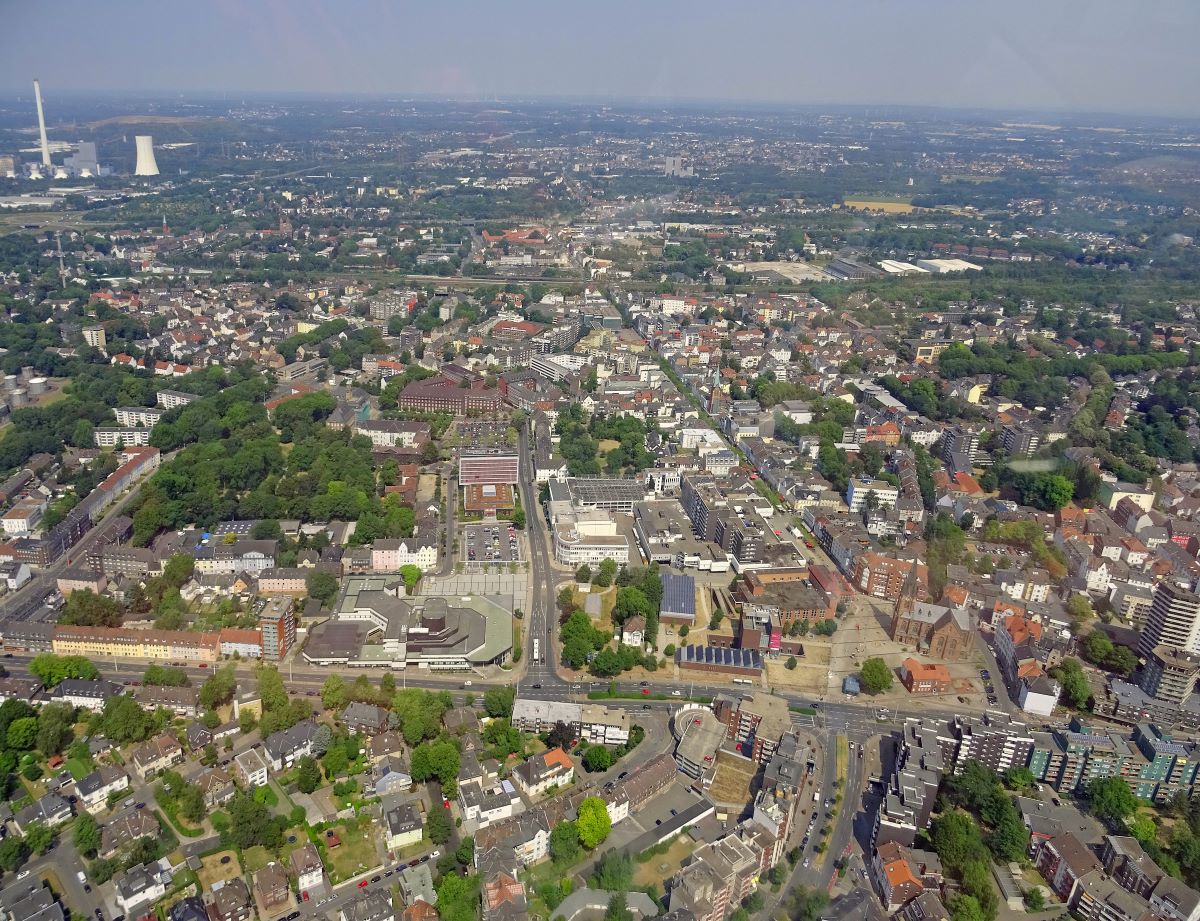
Herne: Green Light for the Cable Car
The Herne City Council has approved the construction of Germany’s first urban cable car for public transportation. The project aims to transform the former Blumenthal coal mine site into a modern high-tech district with up to 4,000 jobs.