
Cities
Heilbronn: Planning Phase for Urban Cable Car Begins
Heilbronn could become the first city in Germany to integrate an urban cable car as a permanent part of its public transport network.
On 27 July 2026, the municipal council approved the launch of the project’s preliminary planning phase. The decision is based on the positive results of a comprehensive feasibility study, according to the city’s website.
The approval marks the beginning of the next planning stage. In the coming months, tenders will be issued across Europe for planning services covering the cable car technology, as well as architectural and transport planning.
At the same time, specialist assessments will be carried out to examine the technical, transport-related, urban development, and environmental integration of the cable car system.
Route to connect key future-oriented locations
The planned cable car will connect Heilbronn’s key future locations along a route of approximately 4.9 kilometres with six stations. The line will run from the city centre near the main railway station via the Education Campus and the Zukunftspark Wohlgelegen innovation area to the IPAI campus.
One of Europe’s largest AI ecosystems is being developed there. The plans also allow for a potential future extension of the cable car towards the Böllinger Höfe industrial area.
Compared with earlier plans, the location of the city-centre station has been adjusted in particular. It is now planned to be built at Kurt-Schumacher-Platz, directly next to the Neckarturm light rail stop, creating a seamless connection with the rail-based public transport network.
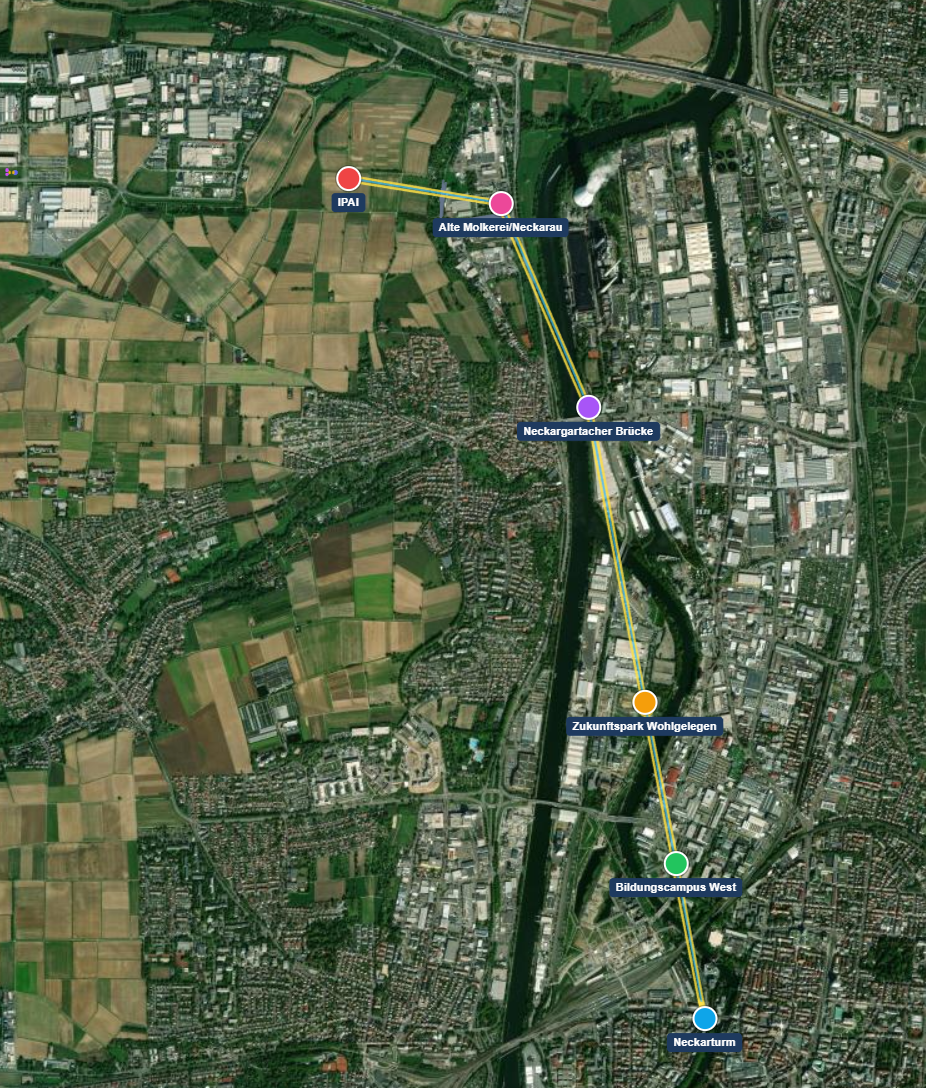
The preferred cable car option includes six stations:
- Neckarturm – Kurz-Schuhmacher-Platz
- Bildungscampus West
- Zukunftspark Wohlgelegen
- Neckargartacher Brücke
- Neckarau – Alte Molkerei
- Innovationspark Künstliche Intelligenz (IPAI)
Route planning takes residential areas into account
A key focus of the planning process so far has been the careful integration of the cable car into the urban environment. Deputy Mayor for Construction Andreas Ringle said:
“A crucial aspect of the planning so far has been ensuring that no residential buildings are crossed or passed at insufficient lateral distances. The current route planning allows us to guarantee this.”
With this decision, the city is continuing the development of the project. The coming years will involve further planning and approval procedures, as well as applications for funding.
At the same time, the public will be kept regularly informed about the project’s progress and involved through appropriate participation processes.
Feasibility study identifies cable car as suitable public transport solution
The feasibility study concludes that an urban cable car would be a space-efficient and low-emission solution compared with the alternatives examined, including buses and light rail.
The economic assessment is also positive: With a cost-benefit indicator above 1.0, the project meets an important requirement for potential funding from the federal and state governments.
The cable car is planned to be fully integrated into the existing public transport fare system. This means it could be used with tickets such as the Deutschlandticket or employer-funded travel passes.
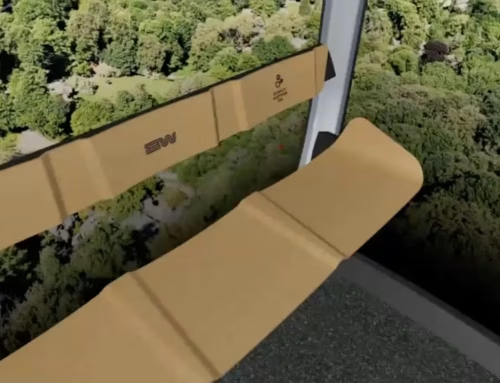
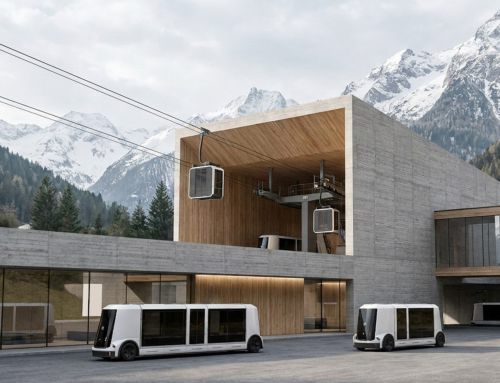
The system is planned to feature gondolas with a capacity of up to ten passengers, service intervals of 20 to 30 seconds, and fully accessible stations. The transport of bicycles, prams, and luggage will also be possible.