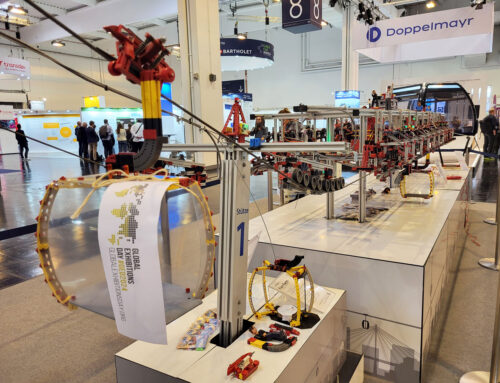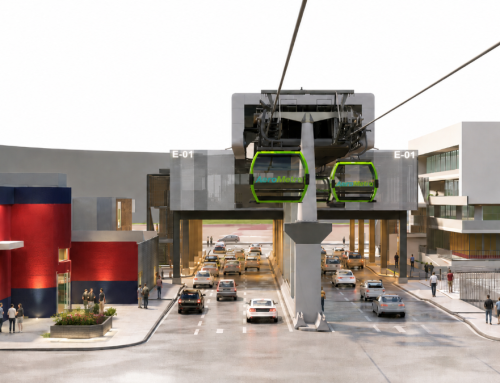

Cities, Special-Urban
Project Pods4Rail
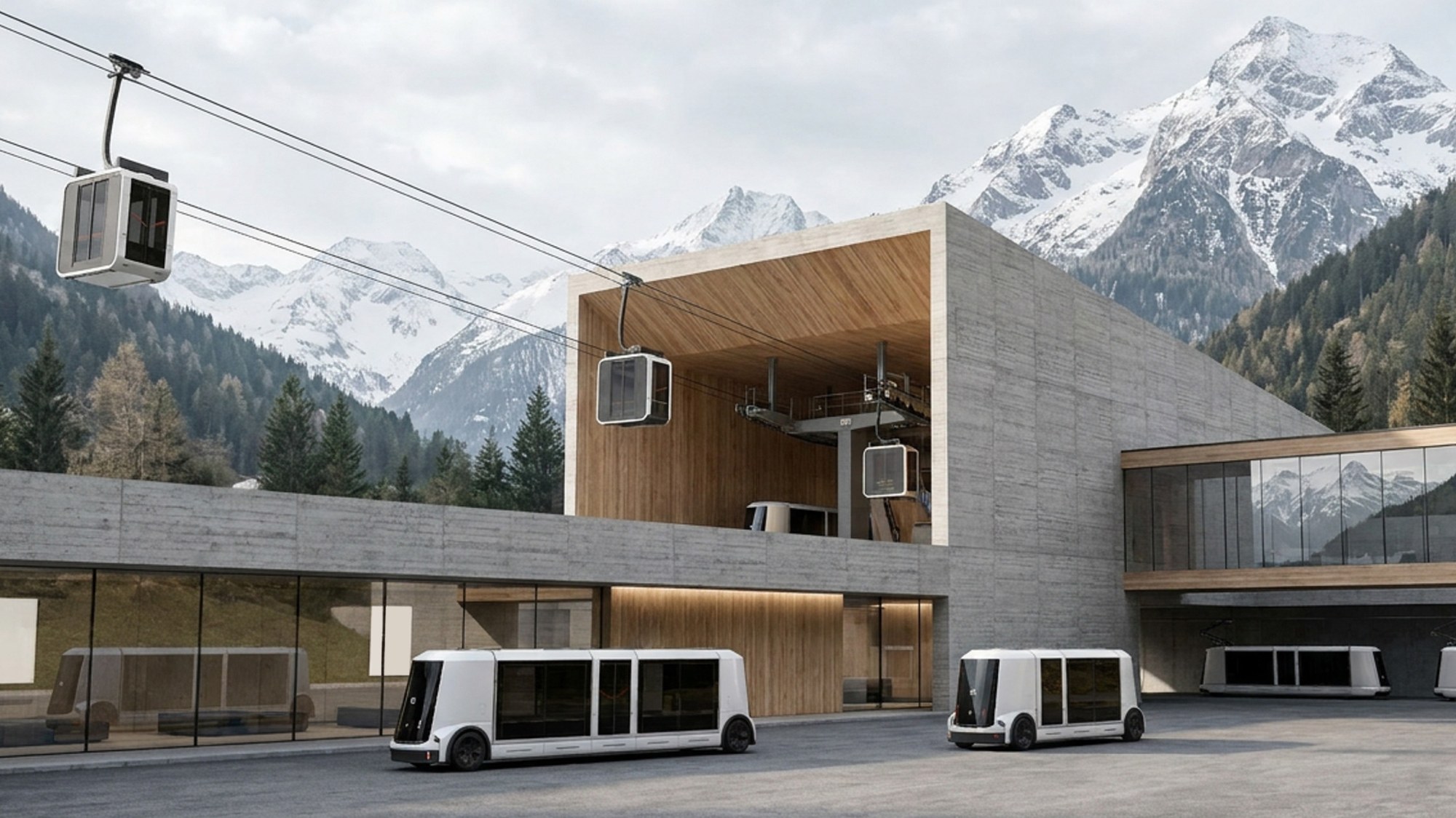
In the EU project Pods4Rail, the German Aerospace Center (DLR), together with partners from research and industry, has developed an innovative, automated mobility concept designed to link rail transport more closely with road and cable car systems.
Project Framework
Concept of Supermodality
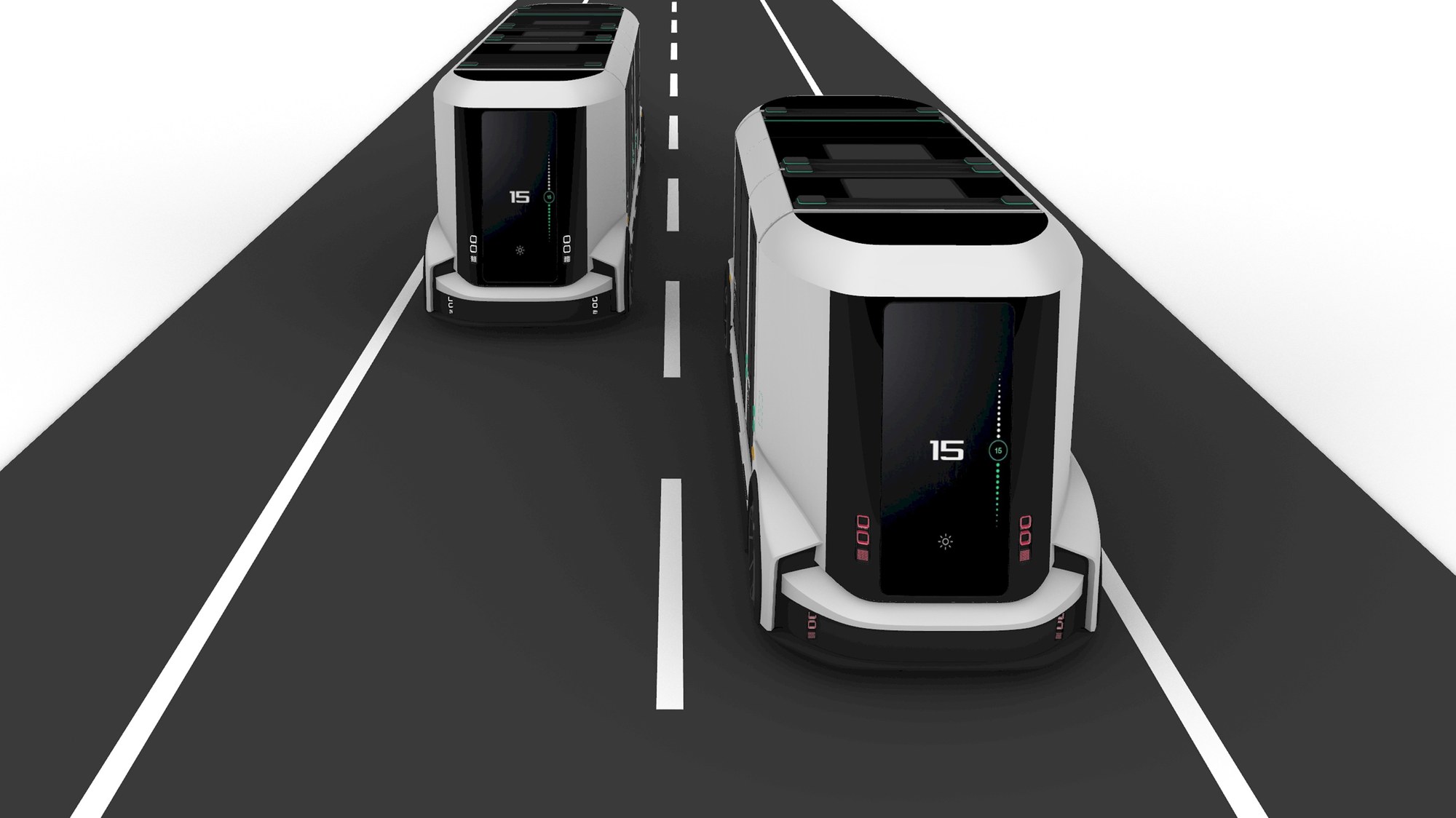
“The goal of Pods4Rail is seamless door-to-door transportation across different modes of transport. Passengers and freight remain inside the same capsule the entire time and are transferred with it to another carrier unit as needed,” explains DLR researcher Manuel Osebek, defining “supermodality” as the core idea behind Pods4Rail.
He led the project at the DLR Institute of Vehicle Concepts.
Concept
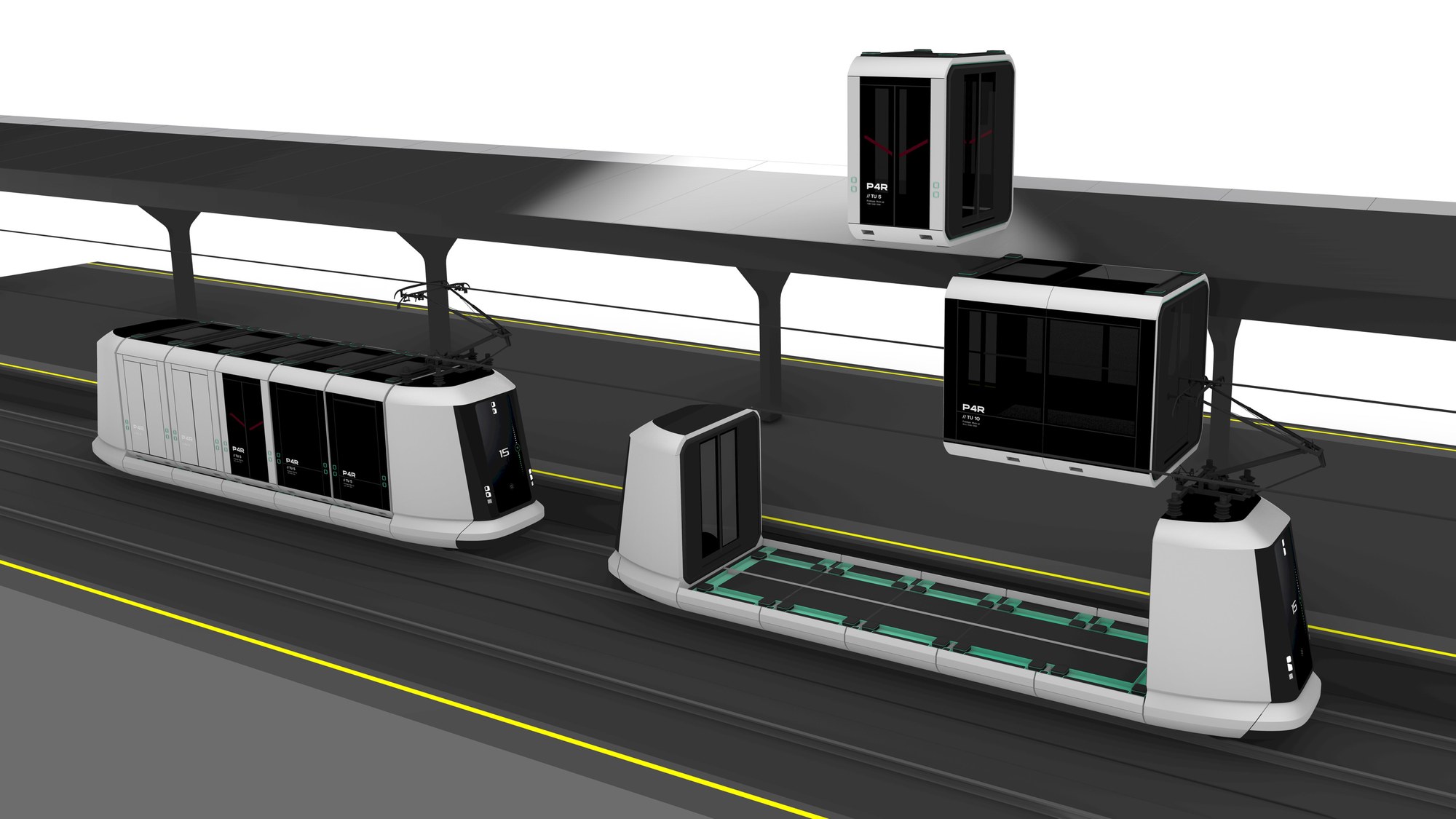
Example of Supermodality
Whether for travelers or logistics companies, the needs of the users are at the center of the concept. This demands a high degree of flexibility, speed, innovation, and comfort – naturally combined with the high level of safety offered by rail transport.
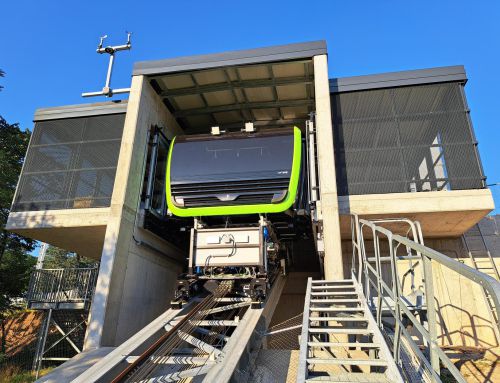
Cable Cars as Part of the Concept
Due to its high capacity, efficiency, and climate and environmental friendliness, rail forms the backbone of Pods4Rail.
“For the study, we didn’t just look at the vehicles required for such a concept. Key aspects also included how capsules and carrier units can be connected to one another, as well as questions regarding automation. Analyses of the necessary infrastructure and ideas for digital operating concepts rounded out the work,” Osebek summarizes.
The EU project benefited significantly from the diverse expertise of its participants.
Details:
User Requirements
Cases and Scenarios

Technical Feasibility
One of DLR’s main priorities was determining how to translate these requirements into technically feasible vehicle concepts. To this end, it examined modular and lightweight vehicle structures, energy requirements, capsule climate control, and the interfaces between the capsule and chassis.
Additionally, requirements were defined for communication between vehicles, infrastructure, and traffic management. DLR also contributed its expertise regarding standards, authorization procedures, and safety requirements in road and rail transport.
This resulted in high-level functional requirements for the overall system, which served as the foundation for detailing transport cabins, carrier units, locking mechanisms, and transfer systems.
The Next Stage of Development
To this end, the follow-up project “PREFER” (Pods and Regional Flexible Efficient Rolling Stock), led by DLR, is expected to launch later this year.