
Cities
CITIES
Cable cars and cableways function as an efficient means of transport in an urban setting. Find out more on our blog!
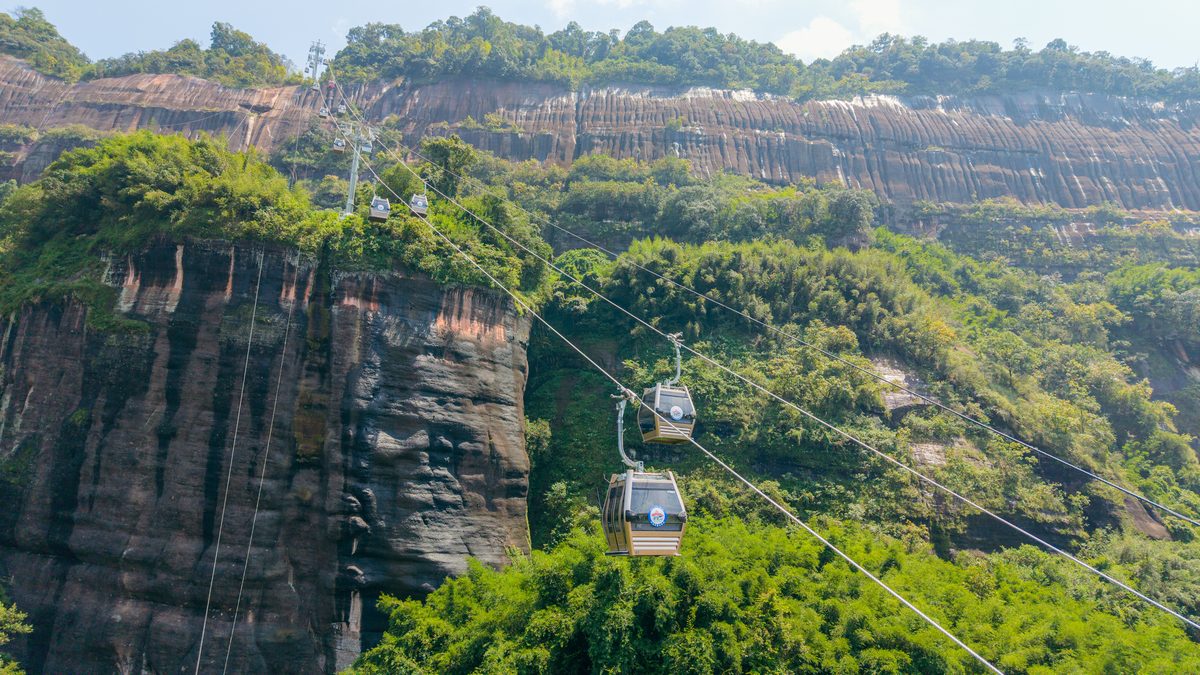
Ropeway to Chinese Unesco World Heritage Site being modernized
Mount Danxia in southern China‘s Guangdong Province is a UNESCO World Natural Heritage site known for its red sandstone formations. Since 1998, a ropeway has served as the central link for tourists, day-trippers, and pilgrims. Now, the system is being completely modernized by French manufacturer POMA.
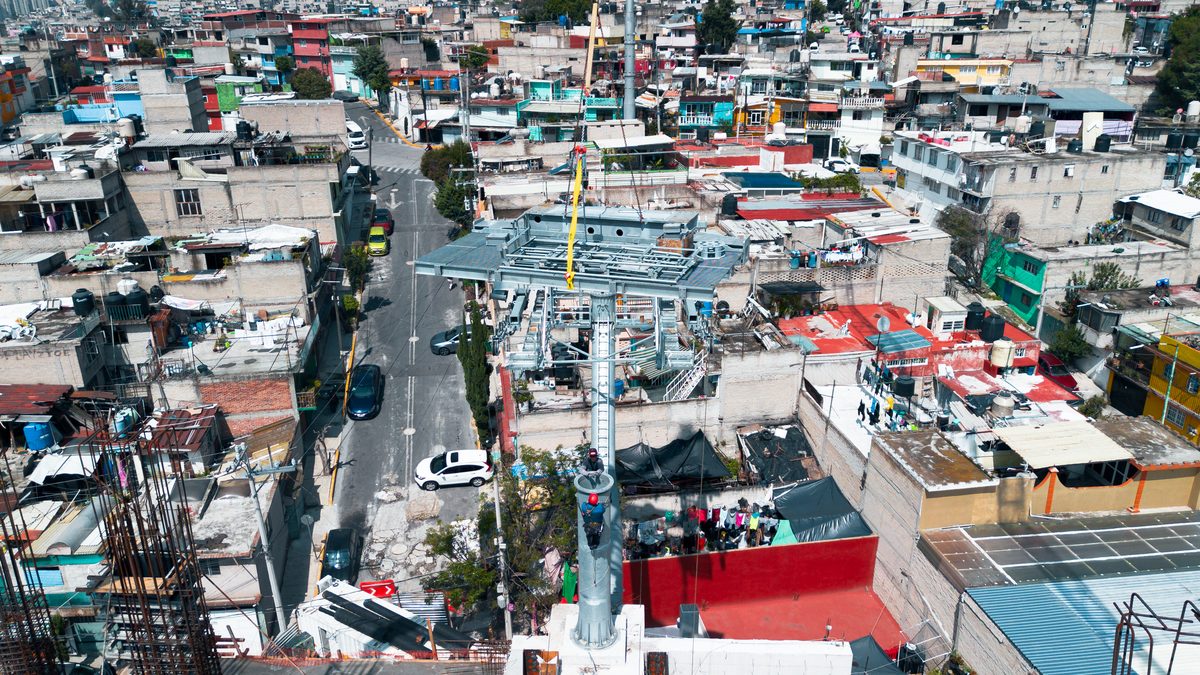
Mexico: LEITNER expands cable car network by another 40 kilometres
With new projects and ongoing construction works, LEITNER continues its expansion in urban ropeway transport in Mexico. To the approximately 25 kilometers currently in operation, a further 40 kilometers of ropeways are set to be added in the future – a significant impetus for sustainable and reliable mobility in densely populated urban areas.
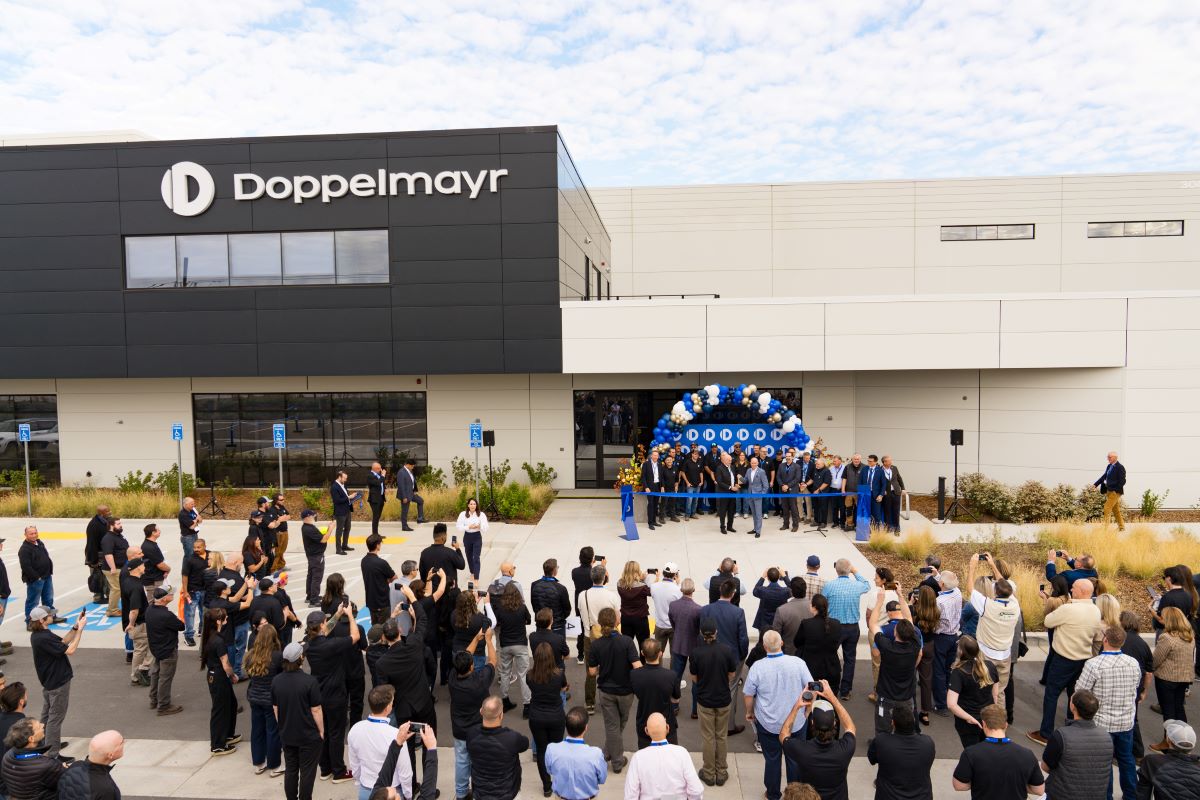
New Doppelmayr facilities in USA and Canada
With the opening of expanded facilities in Salt Lake City, Utah (USA), and Saint-Jérôme, Quebec (CAN), the Doppelmayr Group is strengthening its manufacturing, engineering, training, and service capabilities in North America. The two investments create additional capacity for continued growth and underscore the Group’s long-term commitment to its customers, employees, and partners across the region.
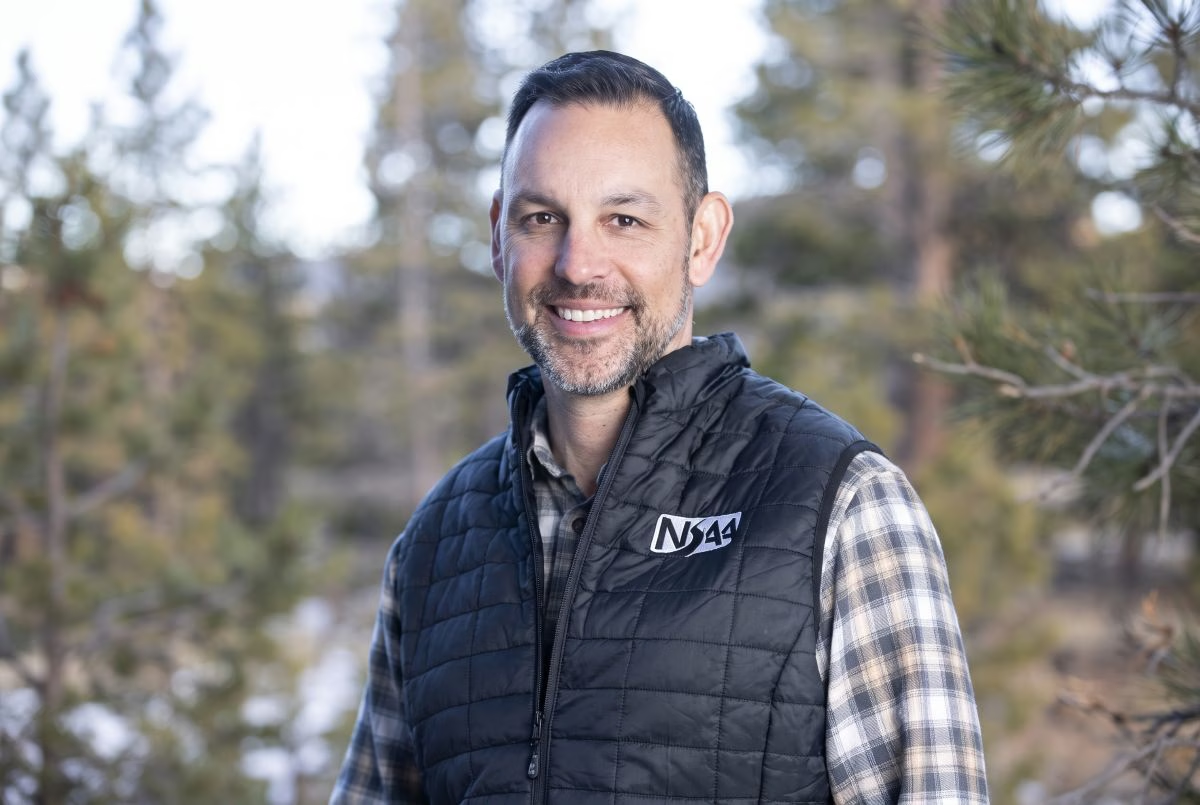
NSAA President Steps Down
"After two incredibly rewarding years, I have made the very difficult decision to step aside as President and CEO of the National Ski Areas Association (NSAA), effective November 10, 2026" This was announced by Mike Reitzell, President and CEO of the National Ski Areas Association (NSAA). Why does he no longer want to lead the association of North American ski areas?
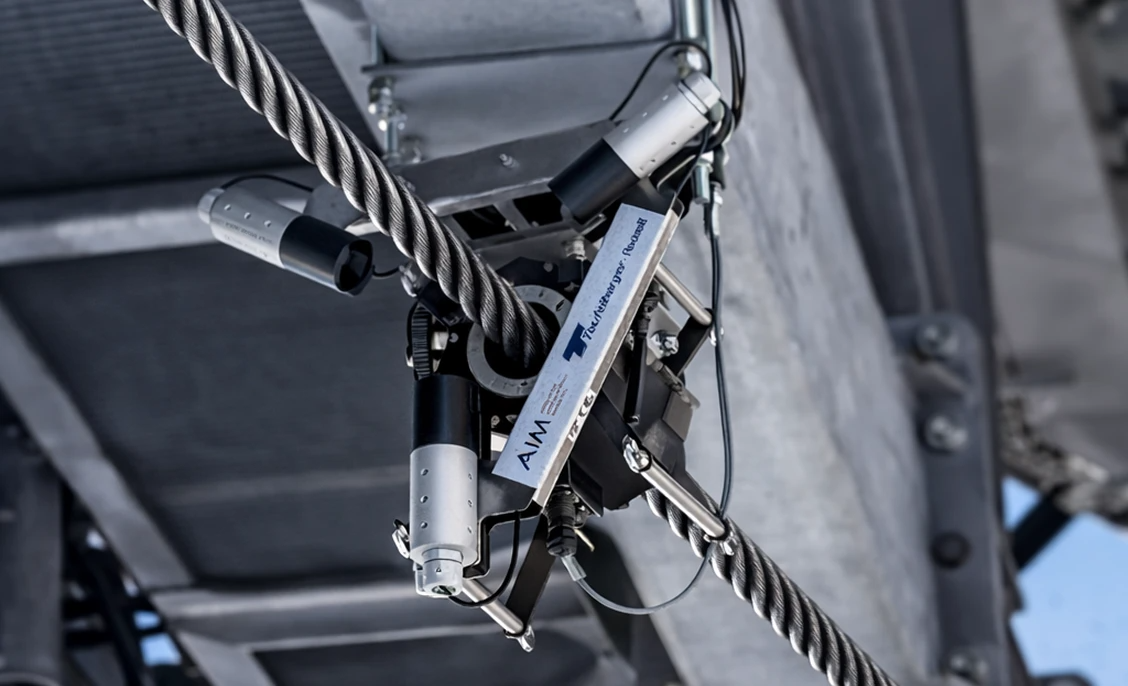
Urban Ready: Full Service for Ropeway Ropes
The rope is likely one of the most critical elements of an urban ropeway. For this reason, not only must the product itself be convincing, but also the planning, installation, operation, and inspection – quite simply, the entire lifecycle of a rope. Rope supplier Teufelberger-Redaelli therefore pursues a full-service approach.
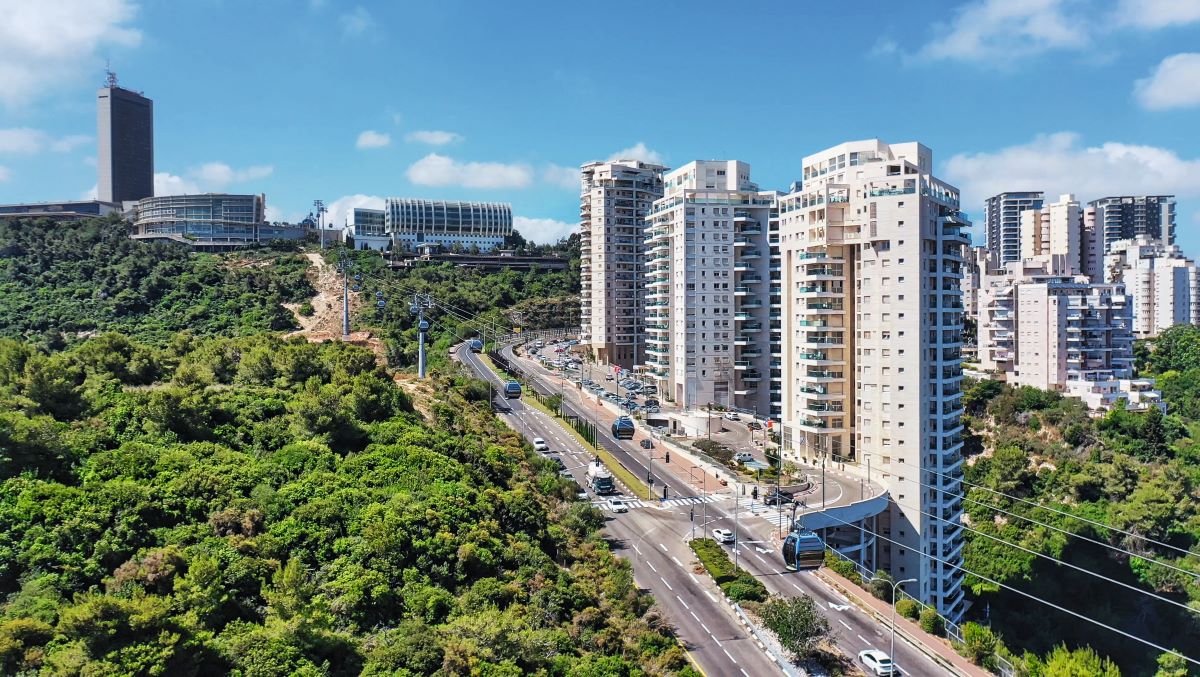
Bureaucracy on a Rope: Managing Contracts and Risks Digitally
Planning, construction, and operation of urban ropeways involve numerous contracts and various risks. To help operators keep track of everything, the maintenance software SAMBESI offers corresponding modules. The tool from Swiss company REMEC is already in use by numerous companies and is considered a benchmark for digital programs covering ropeway maintenance and management.
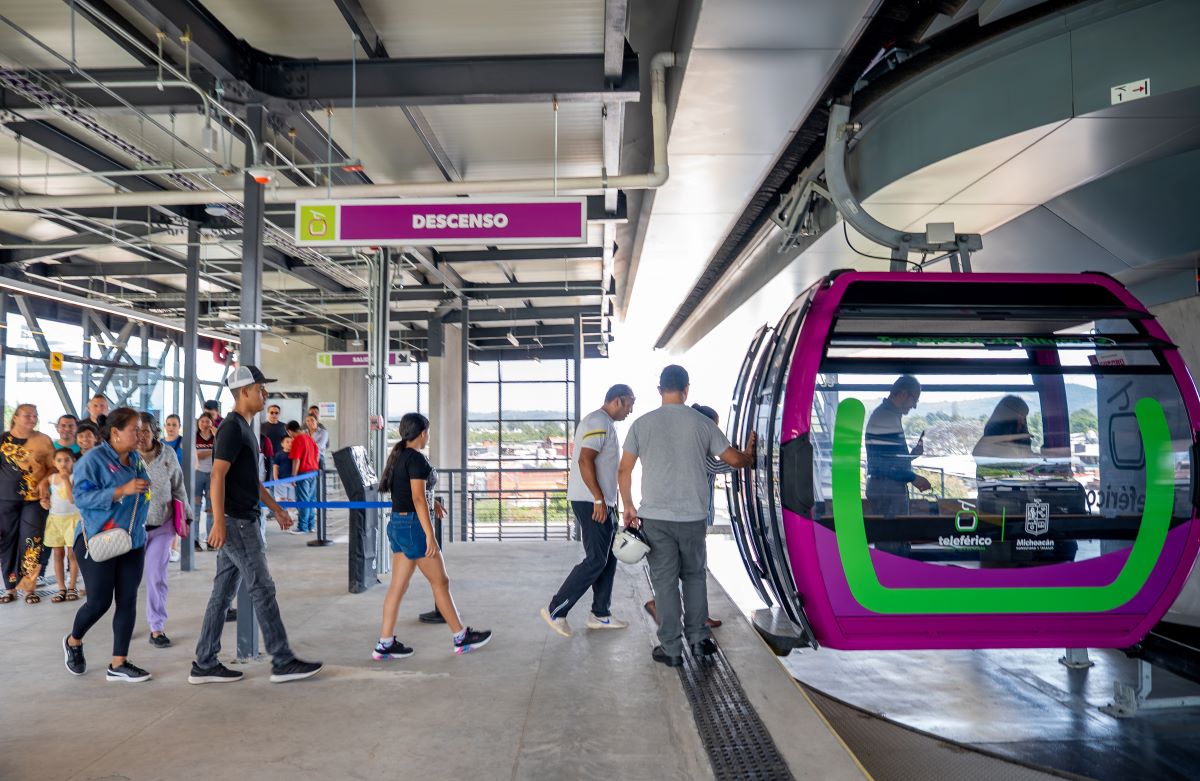
Uruapan: New Cable Car for the City
Ropeway manufacturer Doppelmayr has successfully commissioned the Teleférico Uruapan in Mexico – a milestone in public infrastructure realized in close cooperation with the government of the State of Michoacán. The project improves accessibility, сonnectivity, and quality of life for thousands of residents in Uruapan.
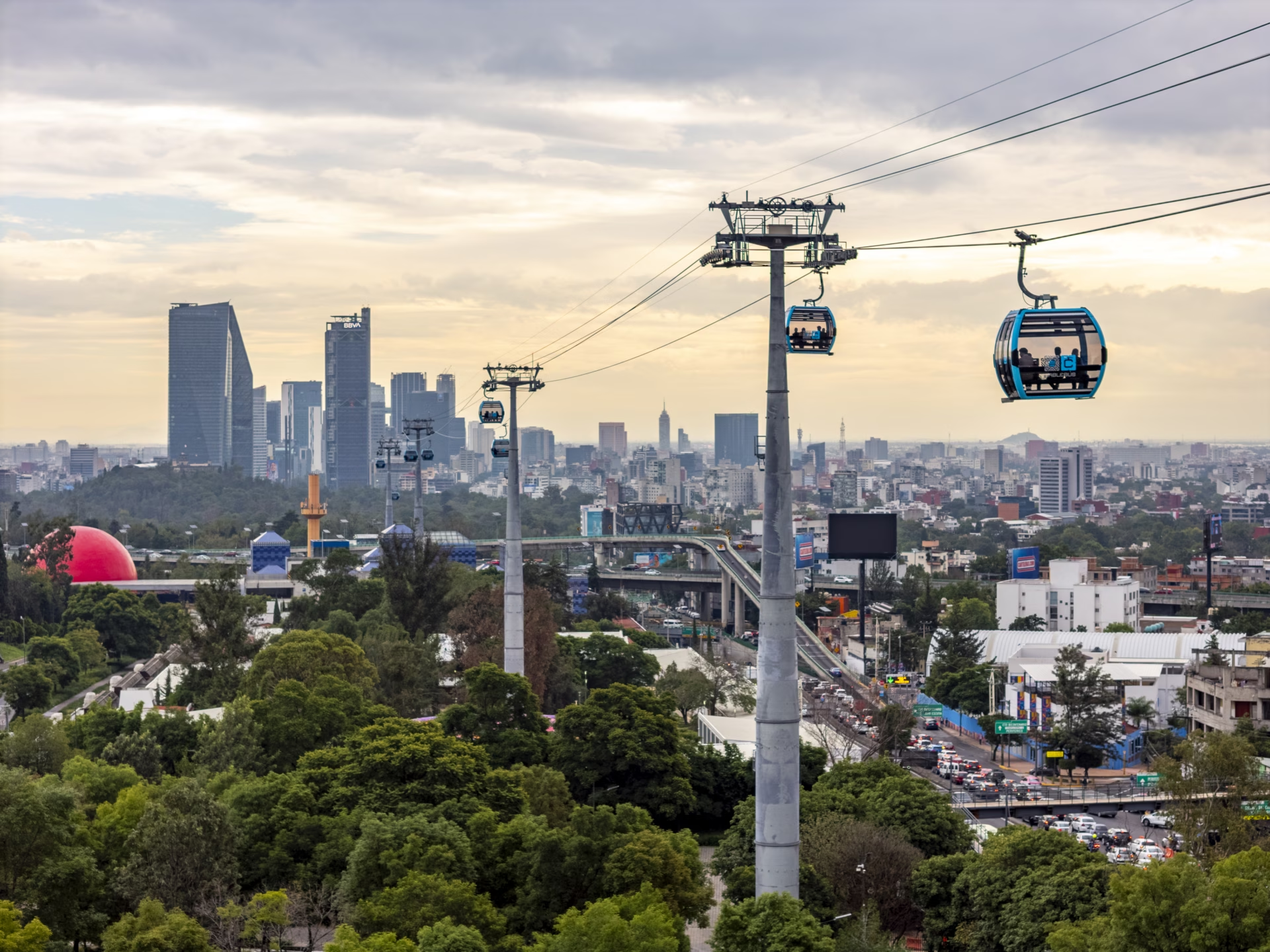
Mobility starts with the Passenger
Today, urban ropeways are no longer viewed merely as infrastructure projects, but as vital tools for enhancing accessibility, reachability, and overall quality of life in cities. Decision-makers are investing in this mode of transit because it addresses everyday challenges: long commute times, geographical barriers, and a lack of connectivity. About practical experiences.
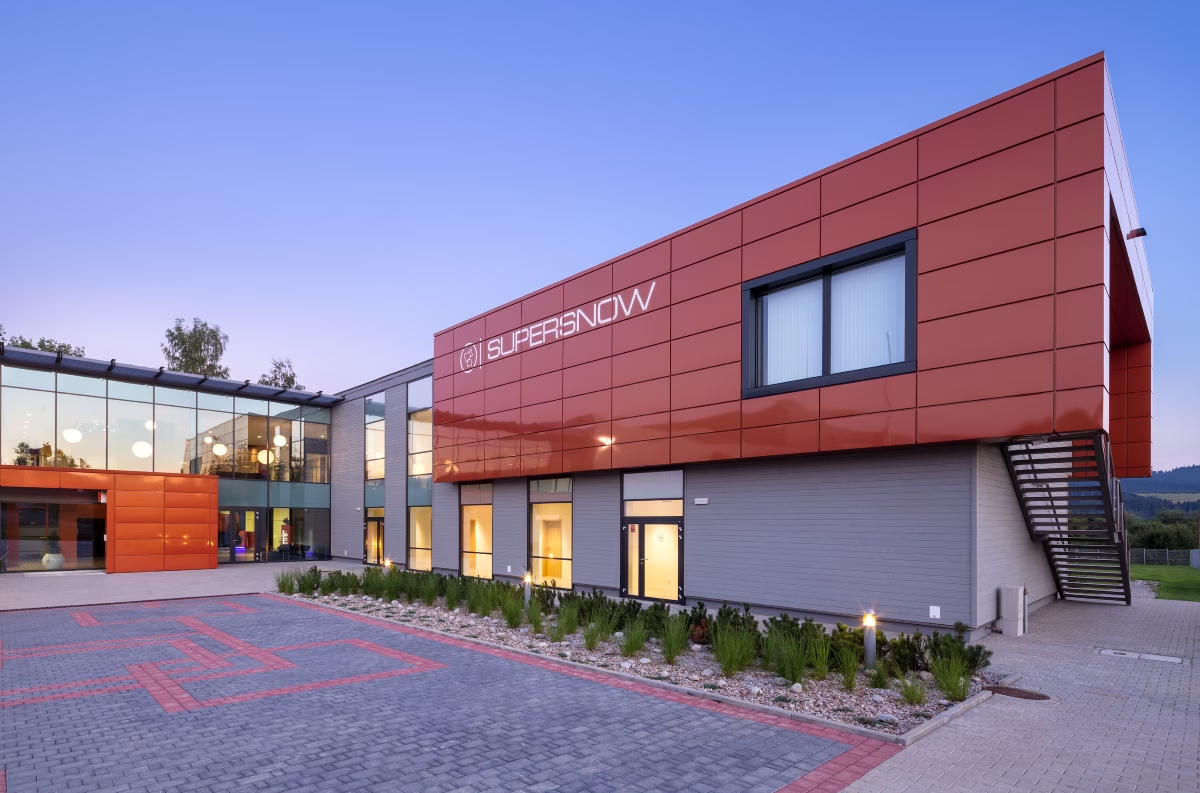
HTI Acquires Supersnow
The HTI Group is acquiring 100 percent of Polish snowmaking specialist Supersnow. With this strategic acquisition, the technology group is not only expanding its portfolio in technical snowmaking, but also securing an even stronger position in the emerging winter sports markets of Eastern Europe and Asia. The details:
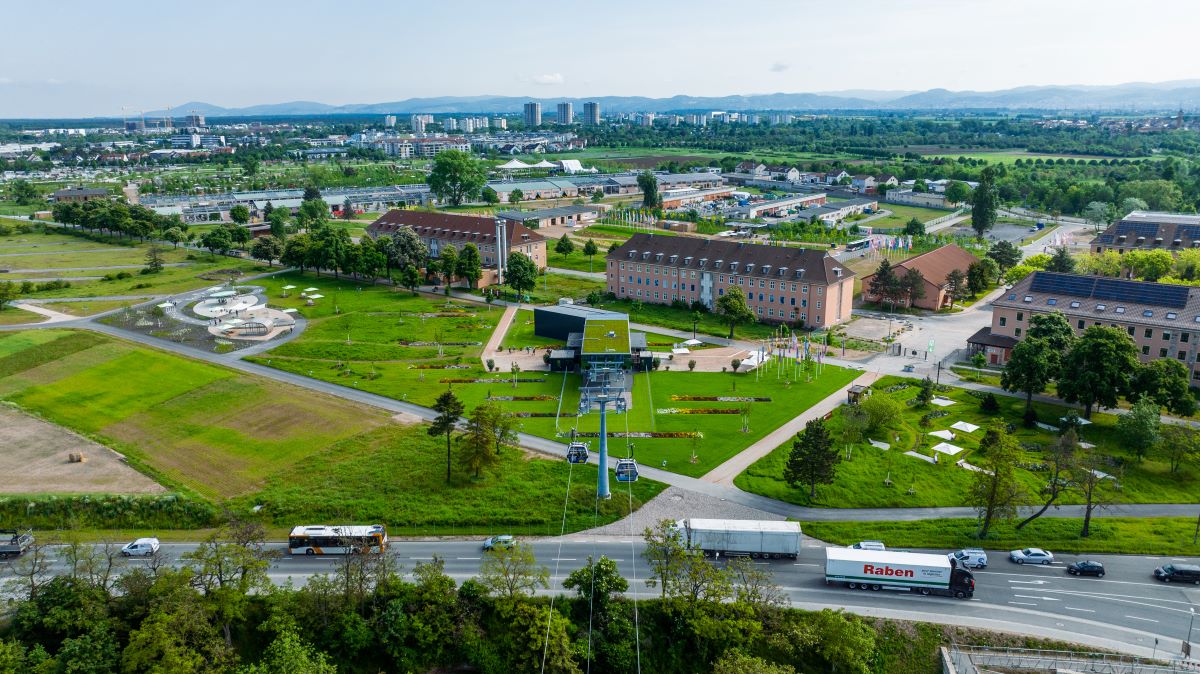
Urban Cable Cars on demand
Construction times under a year, low investment costs, and quick permit approvals along public land – urban ropeways can be rapidly erected, dismantled, and reinstalled up to three times. Ropeway planner Stephan Salzmann explains in an interview with SI Urban how temporary cable cars help develop cities cost-effectively.
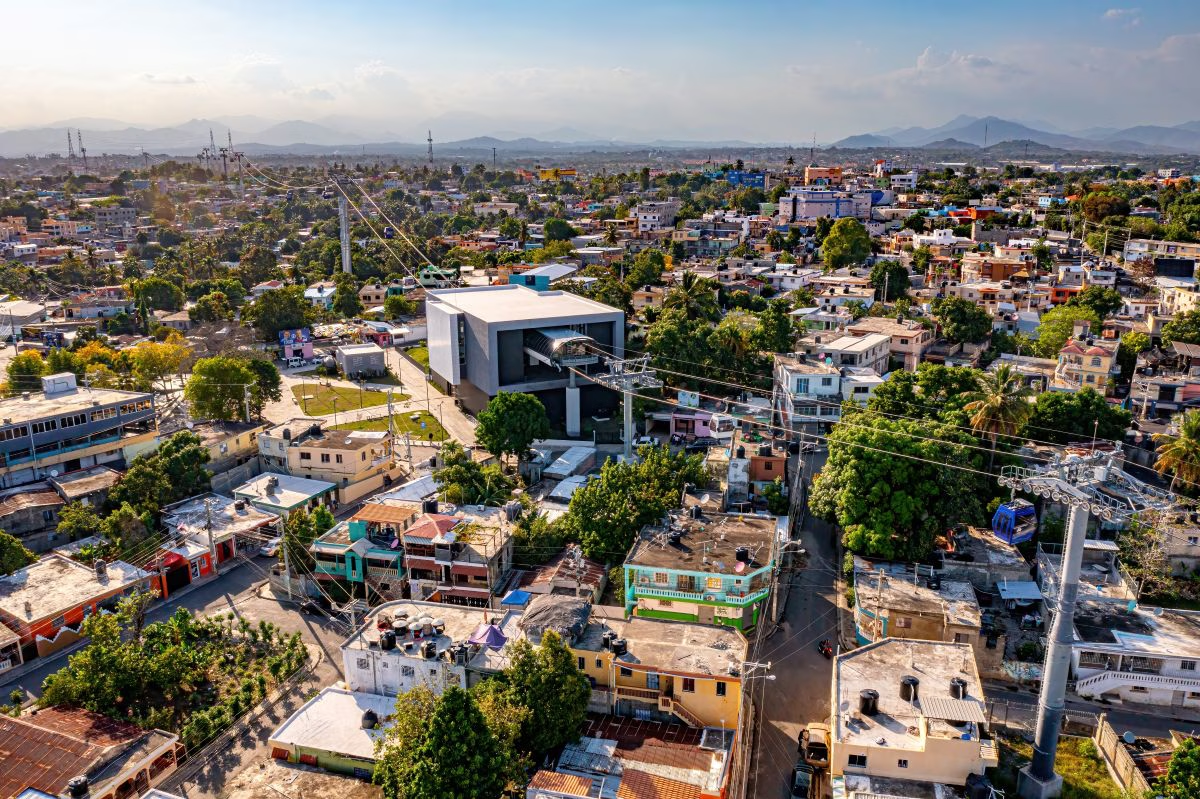
“Integration does not end with construction.“
David Albornoz, Director of POMA Dominican Republic, shares insights into the operation and urban integration of Santo Domingo’s ropeway systems – and how technology and maintenance ensure reliable and comfortable journeys, especially the solutions from the rope manufacturer FATZER.
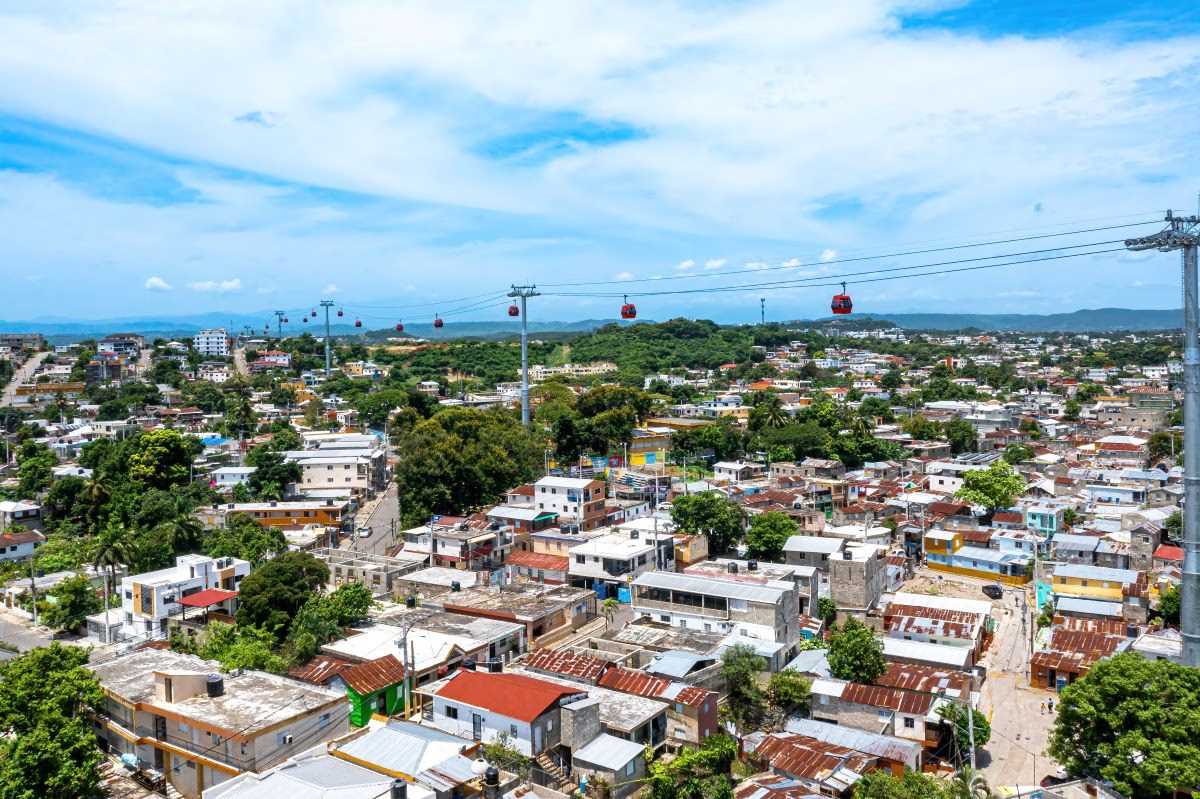
190 Years of Rope-Making Experience for Urban Cable Cars
Urban ropeways are among the most demanding applications in the industry. High availability and near-continuous operation place the highest demands on ropes and technical expertise. With 190 years of experience, FATZER provides rope solutions for installations that transport thousands of people every day.