LATEST
SI-ALPINE
No Japow: Is Japan losing its powder snow?
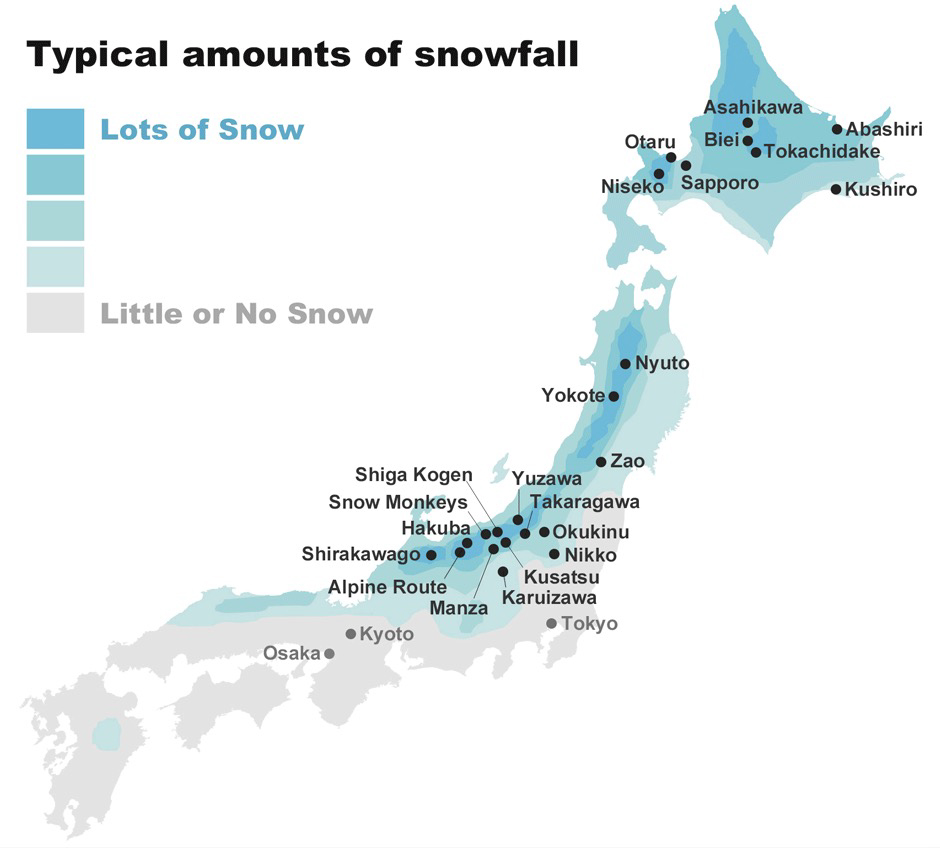
A Japanese study dramatically highlights the impact of climate change on winter sports: If global average temperatures rise by four degrees Celsius above pre-industrial levels, only seven out of 349 ski resorts in Japan are expected to operate entirely on natural snow. According to researchers, merely 26 additional resorts would still be able to open at least parts of their slopes.
Czech Republic: Ski resort upgrades
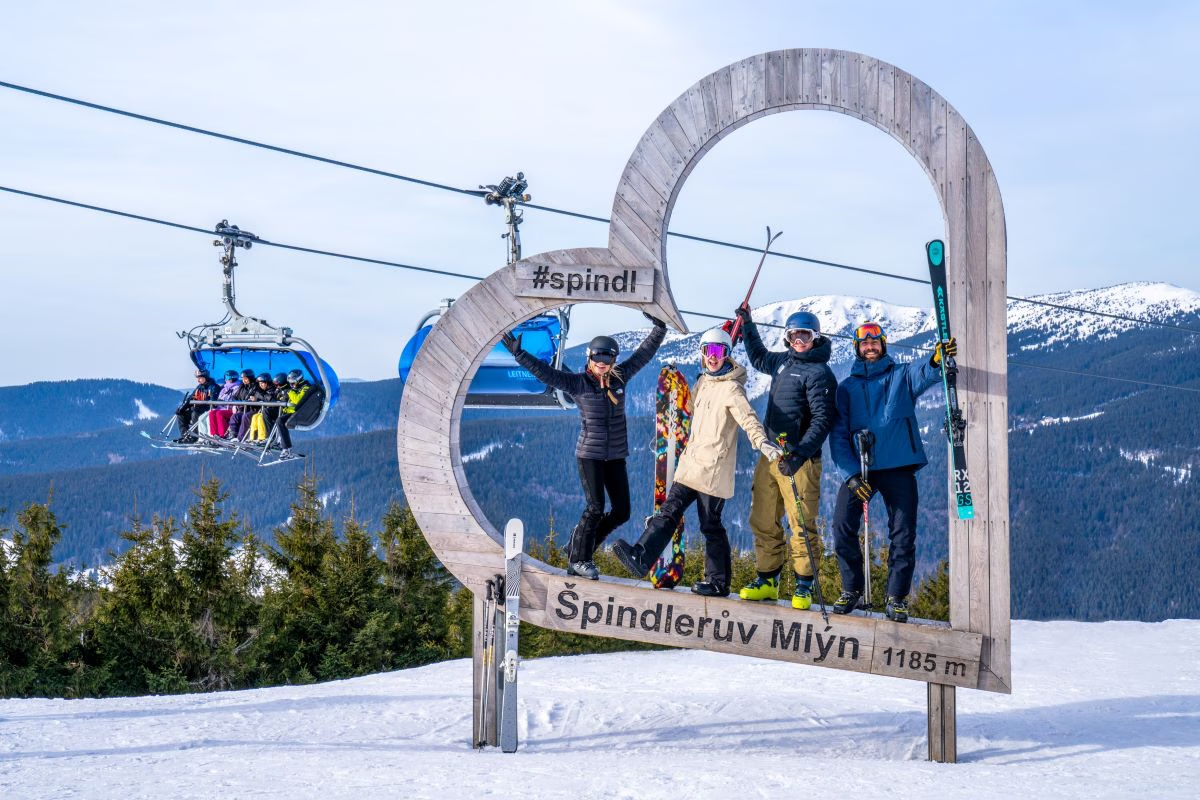
New cable car, new slopes, new identity: The Czech ski resort of Špindlerův Mlýn is connecting its Medvědín and Svatý Petr areas directly for the first time. Initially, the new link will only be accessible in one direction – the full bidirectional connection will follow in 2027. Additional innovations are also being introduced.
When do snowmakers actually run?
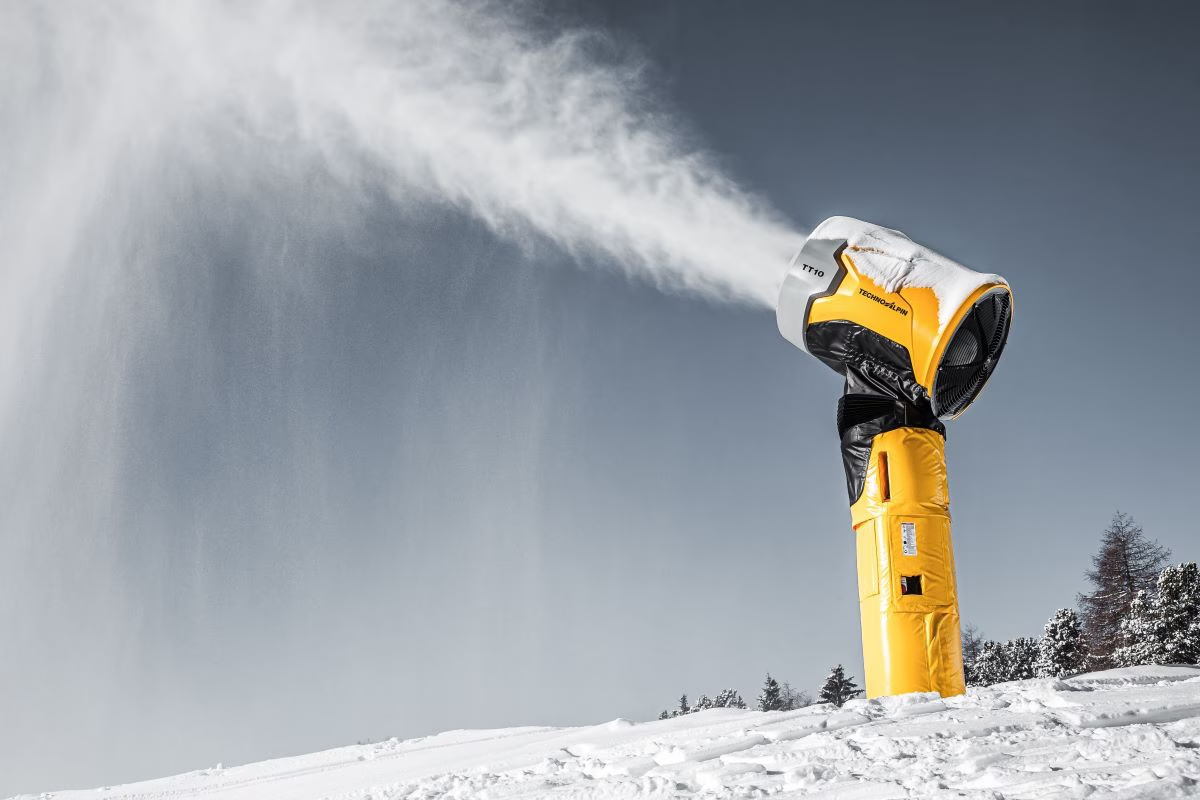
For the first time, TechnoAlpin evaluated anonymized operational data from 13,129 snowmakers across 112 Austrian ski resorts. The result: during the 2025/26 winter season, the systems were in operation for an average of 169 hours. Forty percent of the total snow produced was generated in just six days during November – the brief window in which the base snow layer for the season was established.
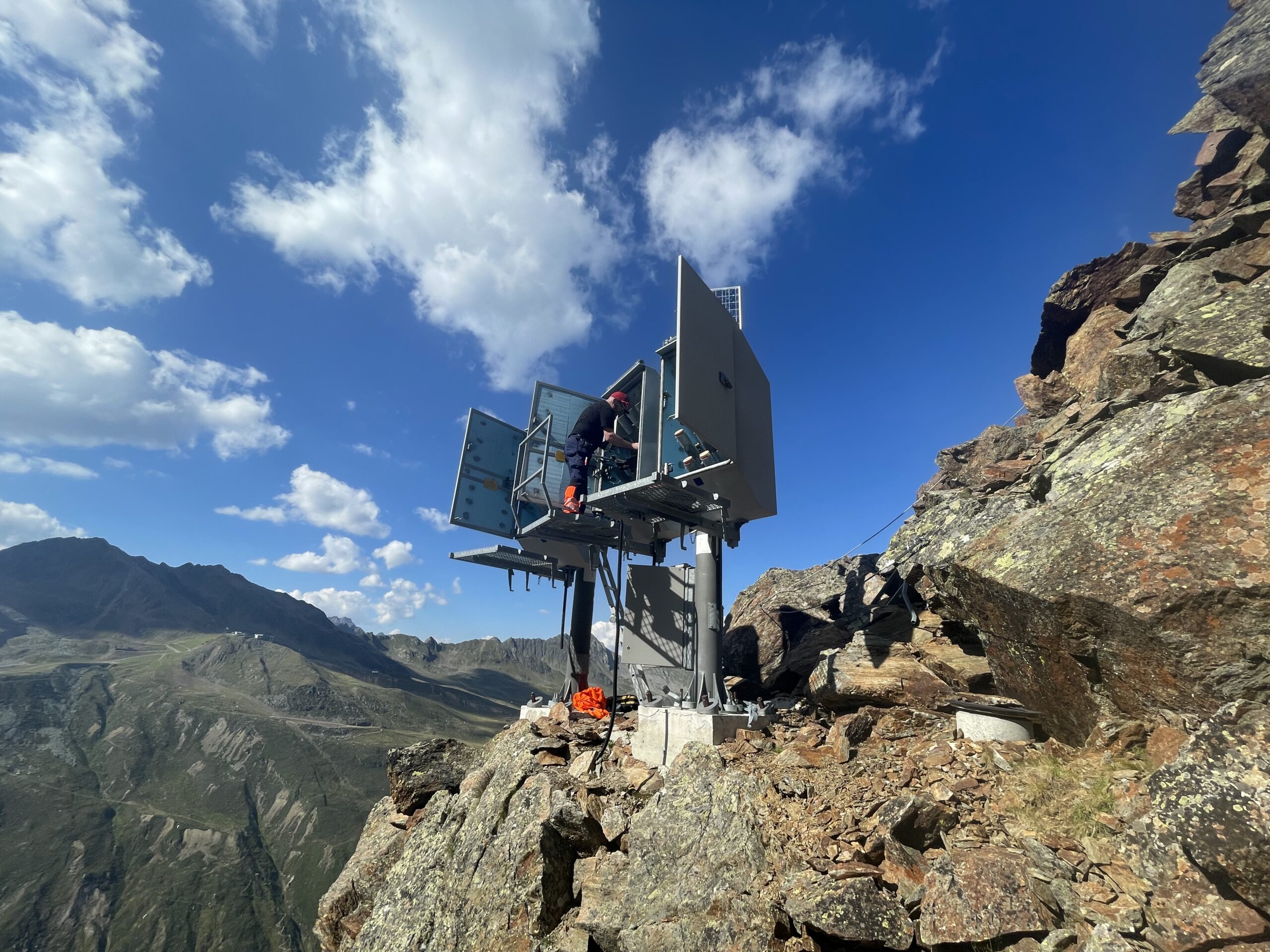
Inauen-Schätti: Avalanche protection is revenue protection
Not only cable cars, but also avalanche protection systems must operate reliably to guarantee uninterrupted ski resort operations. The Bergbahnen Sölden (Austria) therefore rely on equipment and services from Inauen-Schätti, with infrastructure upgrades currently underway.
RELEVANT
TOPICS

European innovations on American mountains: The Big Sky experience
Over the past decade, Big Sky Resort has invested twice its original projection into modernization, adding 20 cutting-edge lifts. In an SI interview, President and COO Troy Nedved explains why the American market had to adapt to European technologies, which innovations are capturing the interest of the US market, and the current trends driving the development of American ski resorts.
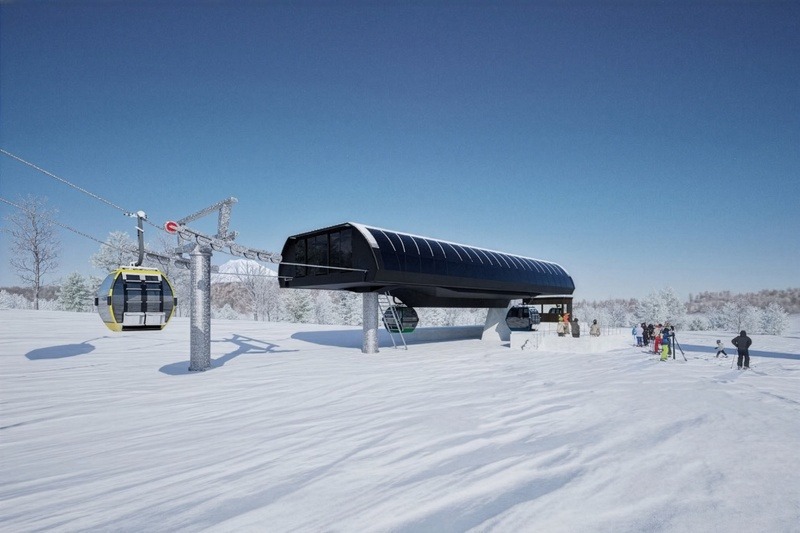
Japan: VIP cabins with dining tables
Niseko Village in Japan has announced a major upgrade to its gondola lift system, scheduled to open in December 2026.
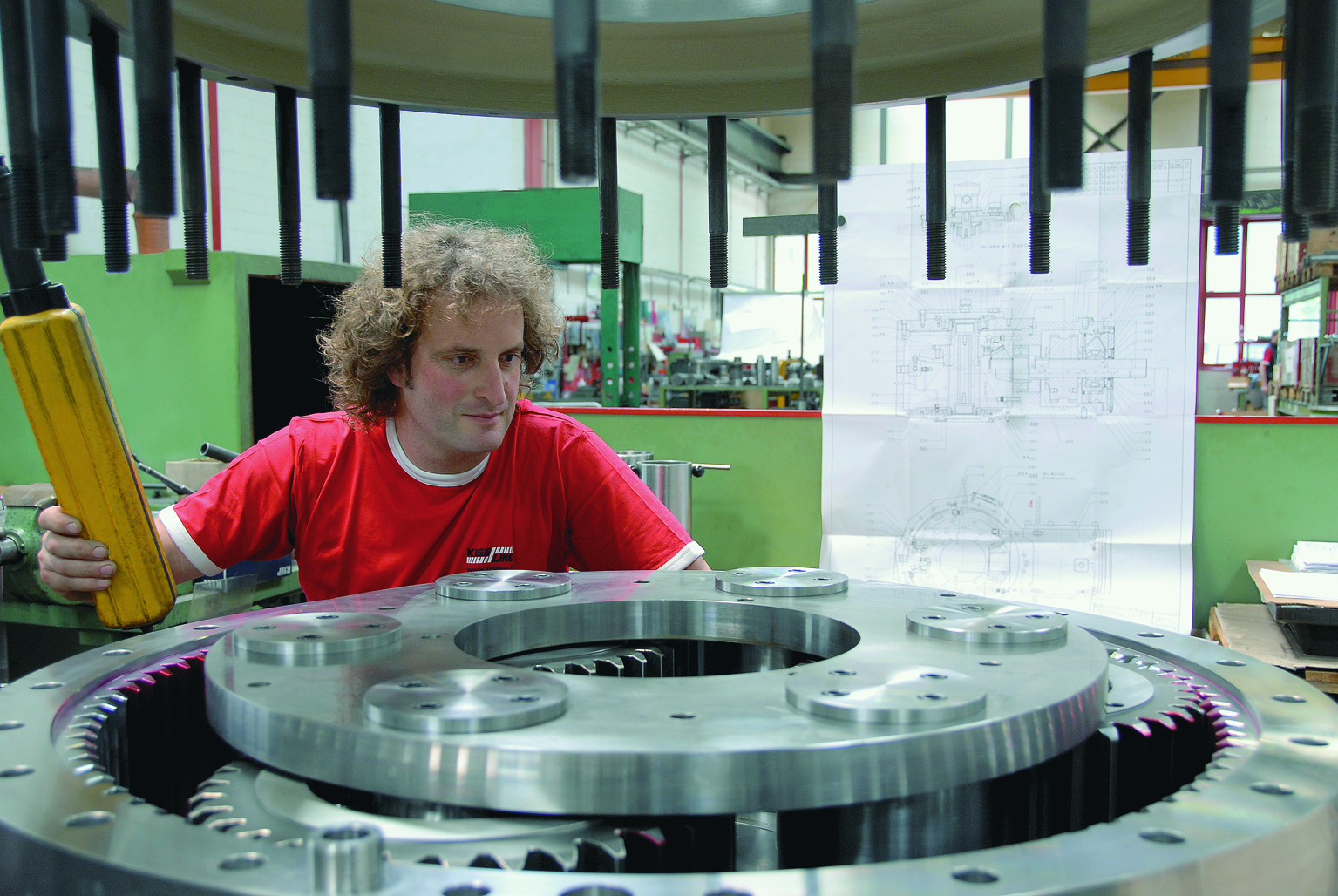
Kissling: Early gearbox damage detection
Whether a ropeway gearbox is overhauled in time or fails unexpectedly depends entirely on the condition assessment. To achieve this, Kissling combines four mutually complementary methods.
Energy in Ski Resorts: Clever Use of Hydropower
Storing energy, generating electricity, powering cable cars – ski resorts can use hydropower to their advantage. Three destinations demonstrate as examples what is already possible today.
LATEST
SI-URBAN
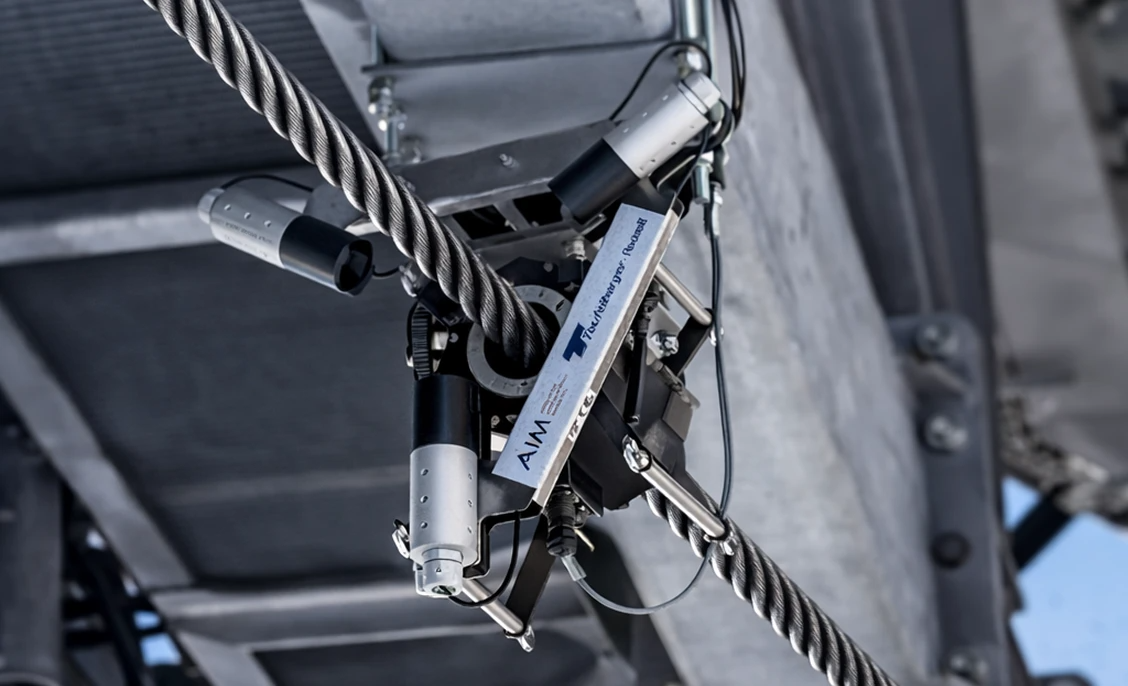
Urban Ready: Full Service for Ropeway Ropes
The rope is likely one of the most critical elements of an urban ropeway. For this reason, not only must the product itself be convincing, but also the planning, installation, operation, and inspection – quite simply, the entire lifecycle of a rope. Rope supplier Teufelberger-Redaelli therefore pursues a full-service approach.

Bureaucracy on a Rope: Managing Contracts and Risks Digitally
Planning, construction, and operation of urban ropeways involve numerous contracts and various risks. To help operators keep track of everything, the maintenance software SAMBESI offers corresponding modules. The tool from Swiss company REMEC is already in use by numerous companies and is considered a benchmark for digital programs covering ropeway maintenance and management.
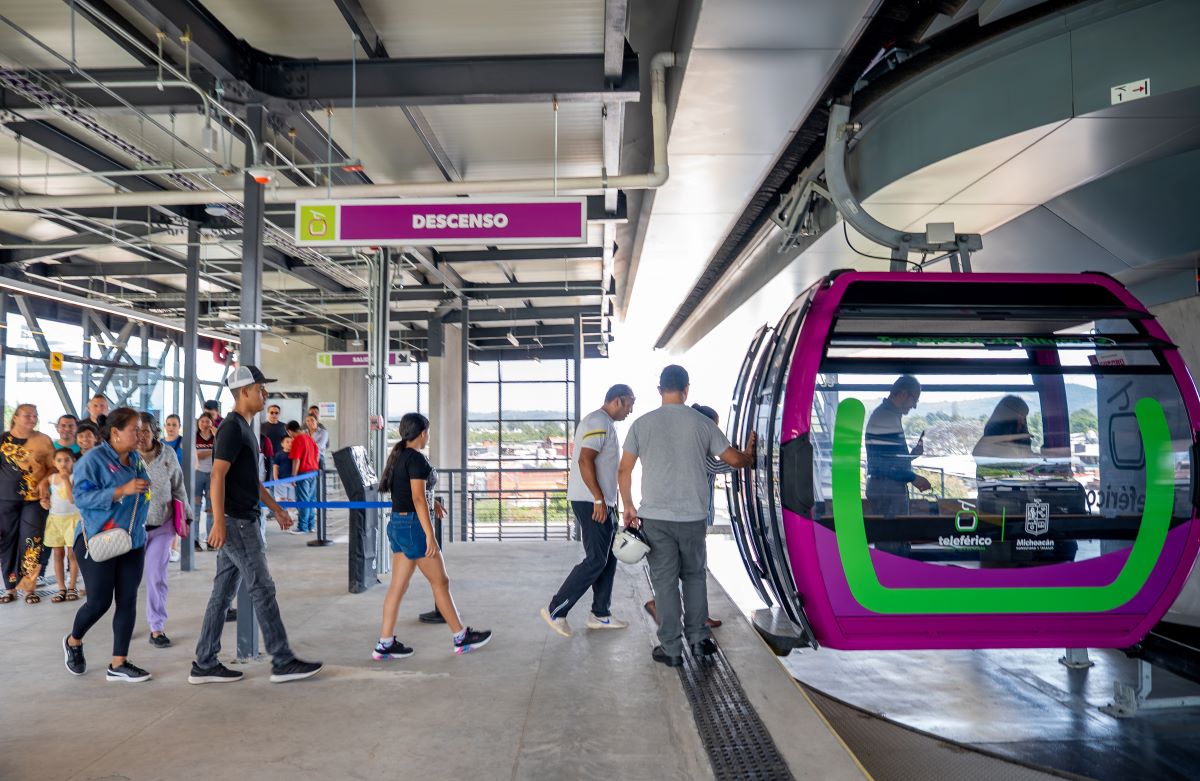
Uruapan: New Cable Car for the City
Ropeway manufacturer Doppelmayr has successfully commissioned the Teleférico Uruapan in Mexico – a milestone in public infrastructure realized in close cooperation with the government of the State of Michoacán. The project improves accessibility, сonnectivity, and quality of life for thousands of residents in Uruapan.
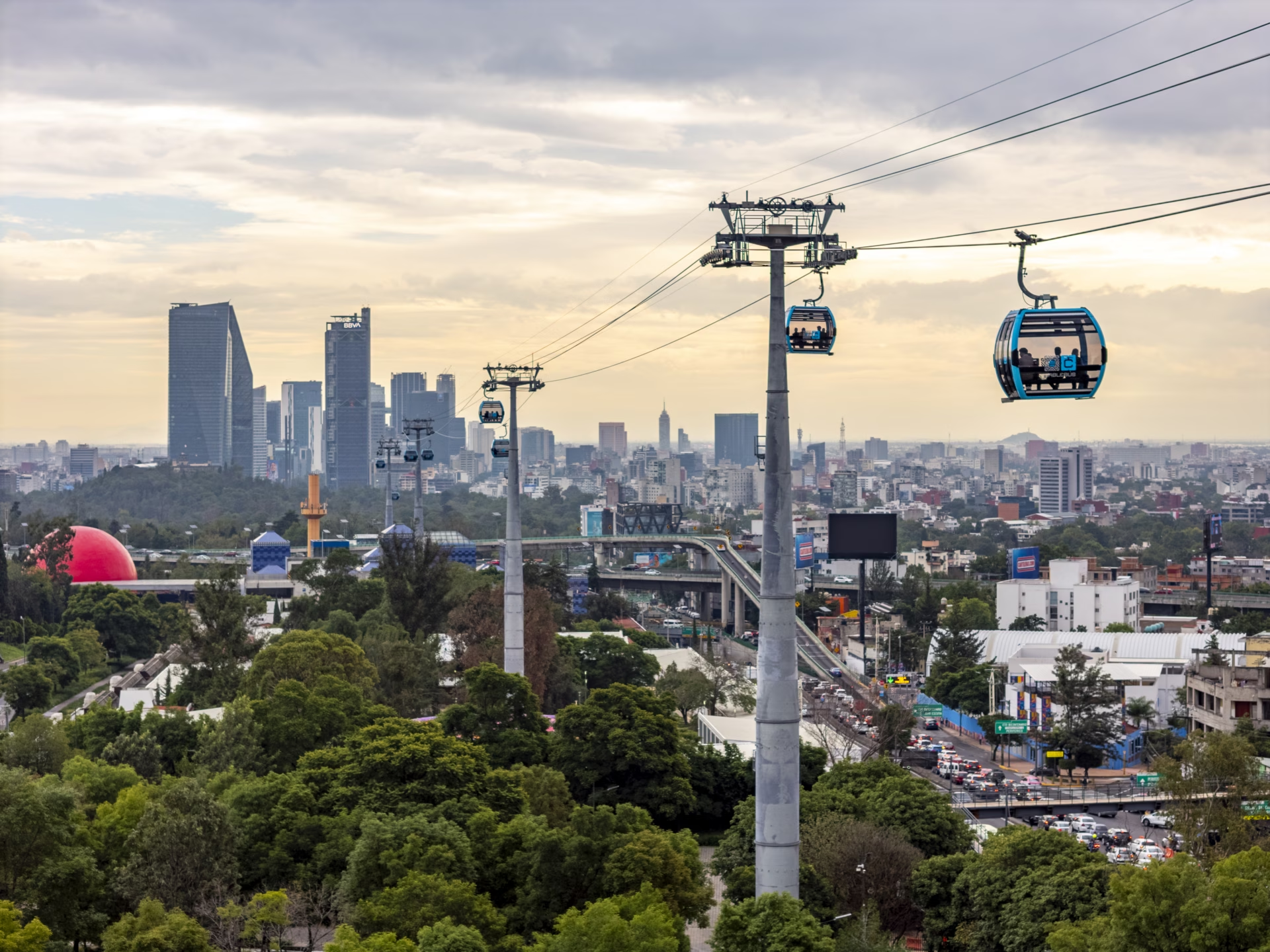
Mobility starts with the Passenger
Today, urban ropeways are no longer viewed merely as infrastructure projects, but as vital tools for enhancing accessibility, reachability, and overall quality of life in cities. Decision-makers are investing in this mode of transit because it addresses everyday challenges: long commute times, geographical barriers, and a lack of connectivity. About practical experiences.
RELEVANT
TOPICS