Cities
Ropeway to Chinese Unesco World Heritage Site being modernized
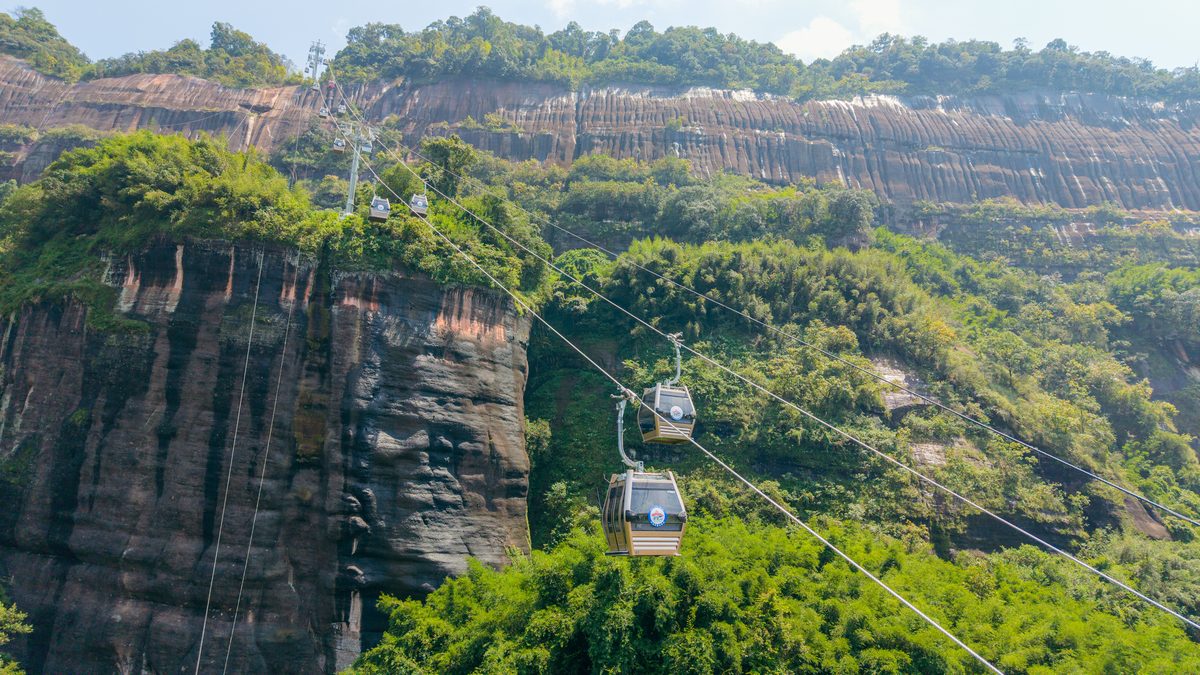
For over 25 years, the Danxia ropeway transported people across steep terrain directly into the historically and culturally significant Daxianshan scenic area in South China. However, the system no longer met modern demands for transport capacity, energy efficiency, and passenger comfort.
A replacement became necessary to guarantee the highest safety standards, reduce maintenance effort, and offer visitors a contemporary riding experience. The goal was safe, comfortable, and high-capacity transport with improved visibility and reduced noise emissions.
Expertise from France
As part of deepened local cooperation between China and France, Shaoguan Xiangyuan Danxiashan Tourism Co., Ltd., a subsidiary of Sunriver Culture Tourism, commissioned ropeway manufacturer POMA with the comprehensive modernization of the Danxiashan ropeway. The contract was officially signed in May 2025.
Technical data:
Danxiashan Ropeway
| Length | 466 m |
| Vertucal drop | 265 m |
| Stations | 2 |
| Operating Speed | 6 m/s |
| Number of cabins | 26 |
| Transport Capacity | 2,400 P/h |
Cable Cars and Diplomacy
The groundbreaking project is strategically situated in the context of the 61st anniversary of Sino-French diplomatic relations as well as the emerging sister city partnership between Shaoguan (China) and Albertville (France), which was officially established in November 2024.
According to POMA, the collaboration symbolizes a powerful union of French engineering and China‘s ambition to further expand its tourism infrastructure.
Capacity Significantly Increased
Designed as a detachable monocable gondola lift, the new ropeway substantially boosts transport capacity per direction from 400 to 2,400 people per hour. This modernization will drastically shorten wait times, enhance the overall visitor experience, and offer views of Danxiashan‘s unique geological formations.
During the construction phase, POMA benefits from its global expertise in demanding cable car projects in alpine and tourist regions, as well as turnkey solutions. The challenges posed by extremely steep terrain, strict heritage and environmental protections, and narrow access paths for material transport are substantial.
Nevertheless, project leaders remain confident they will officially open the new cable car in autumn 2026.