
Tourism
Poland: Funding sought for gondola lift to the fortress
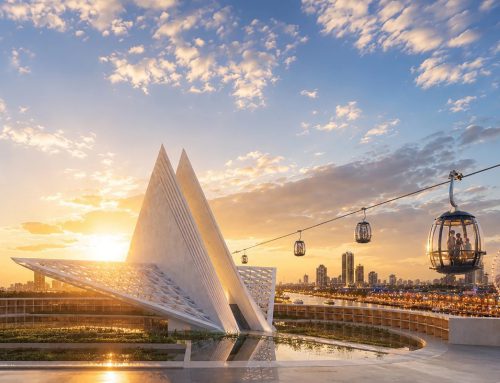
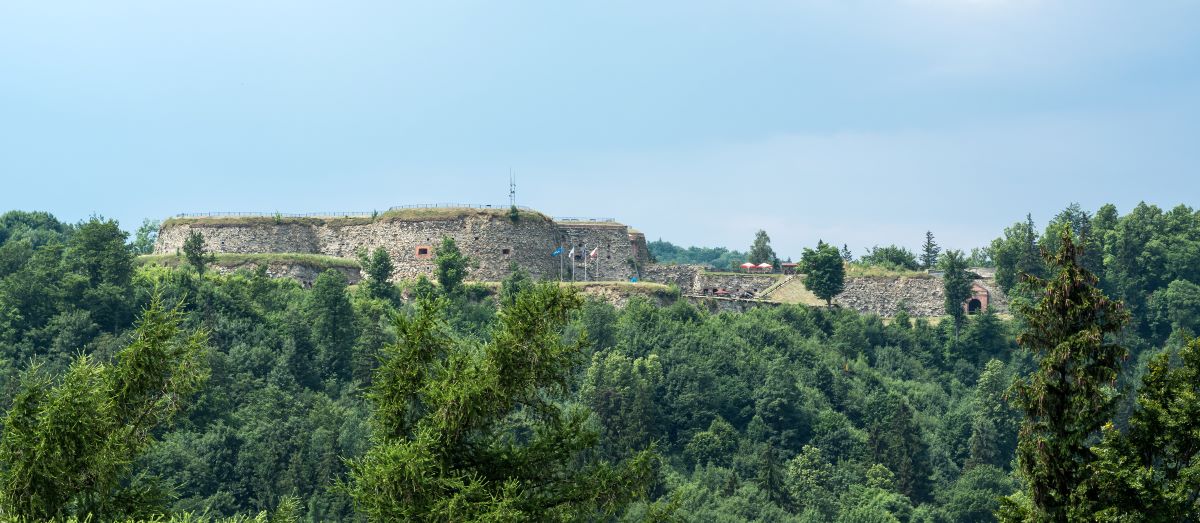
In the Polish municipality of Stoszowice, the local authorities have developed a concept for a gondola lift that is intended to become a new tourist attraction. The lift would make access to Srebrna Góra Fortress, one of Europe’s largest mountain fortresses, significantly easier for visitors.
The fortress is one of Lower Silesia’s best-known tourist attractions. However, the climb poses a challenge for many visitors. Seniors and families with children in particular can find the ascent demanding.
Polish media, citing local authorities, report that a cost estimate is already available and that the municipality supports the project. What is currently missing is an investor willing to cover the estimated cost of more than 50 million złoty (around €11.7 million).
What is known about the project?
According to the current plans, the gondola lift would be 1,192 metres long and run on eight support towers.
The valley station is planned near the former swimming pool and a planned railway stop. A leisure and tourism centre is also planned for the site.
The cabins would each accommodate eight passengers. In addition, space for bicycles and barrier-free access for people with reduced mobility are planned.
Development of the idea
The idea of building a gondola lift in Srebrna Góra is not new. Its origins date back to before 1939. For decades, the plan remained a dream, but the project is now taking concrete shape.
As reported by the Polish news portal dziennik.pl, the fortress management considered various options. Initially, a rack railway was considered, as it appeared to be the most suitable solution for the mountainous terrain from a historical perspective.
However, this plan was quickly abandoned. It would have required the construction of entirely new and extremely expensive infrastructure, as well as the purchase of specialised carriages whose maintenance costs would have exceeded the municipality’s financial capacity.