

LATEST
SI-ALPINE
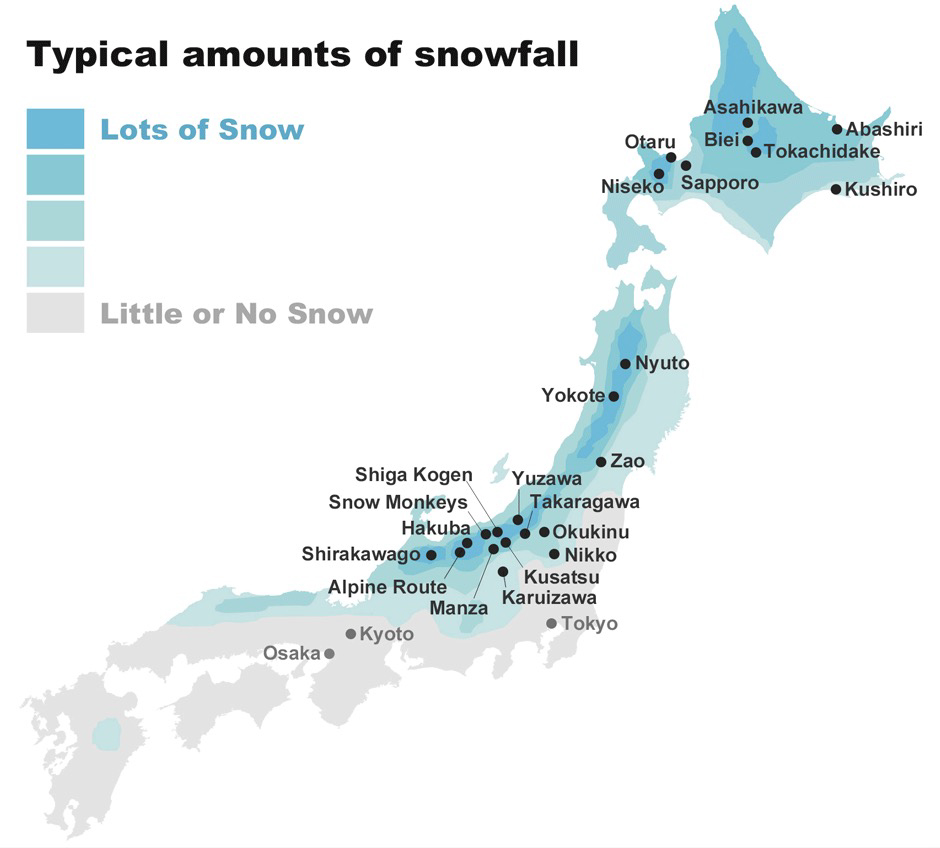
No Japow: Is Japan losing its powder snow?
A Japanese study dramatically highlights the impact of climate change on winter sports: If global average temperatures rise by four degrees Celsius above pre-industrial levels, only seven out of 349 ski resorts in Japan are expected to operate entirely on natural snow. According to researchers, merely 26 additional resorts would still be able to open at least parts of their slopes.
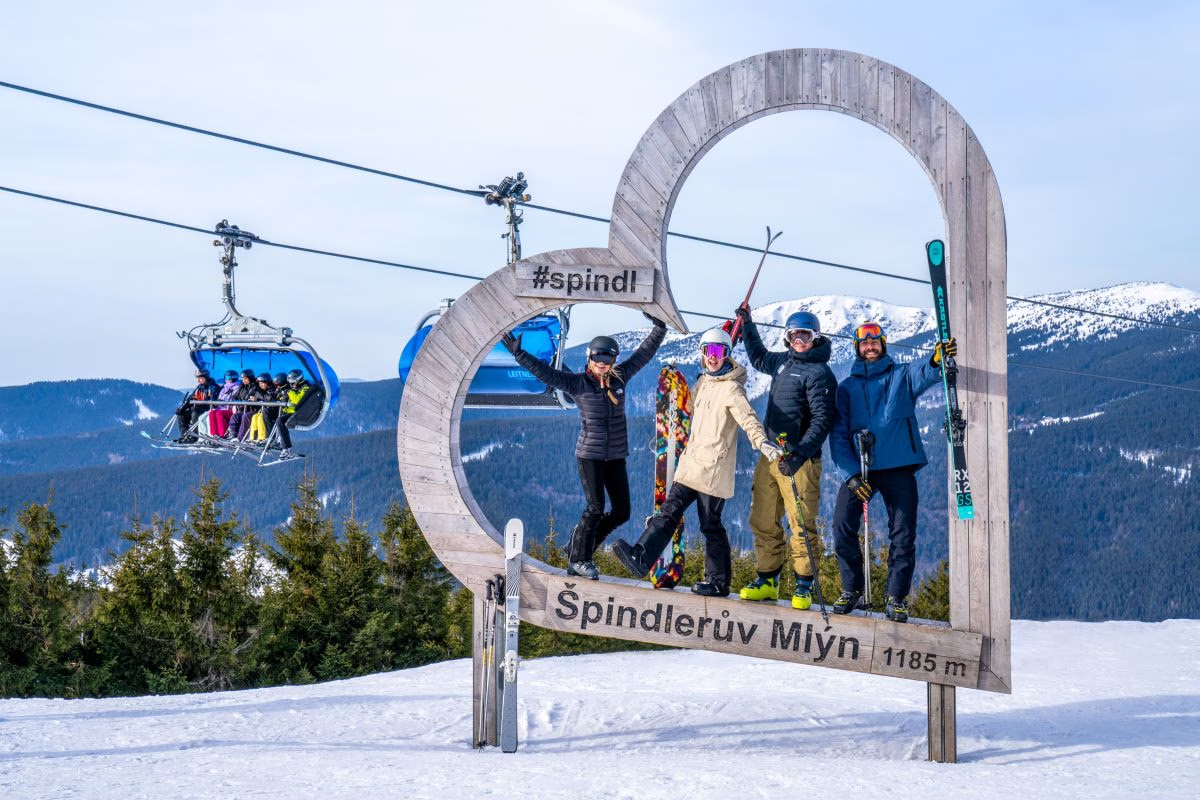
Czech Republic: Ski resort upgrades
New cable car, new slopes, new identity: The Czech ski resort of Špindlerův Mlýn is connecting its Medvědín and Svatý Petr areas directly for the first time. Initially, the new link will only be accessible in one direction – the full bidirectional connection will follow in 2027. Additional innovations are also being introduced.
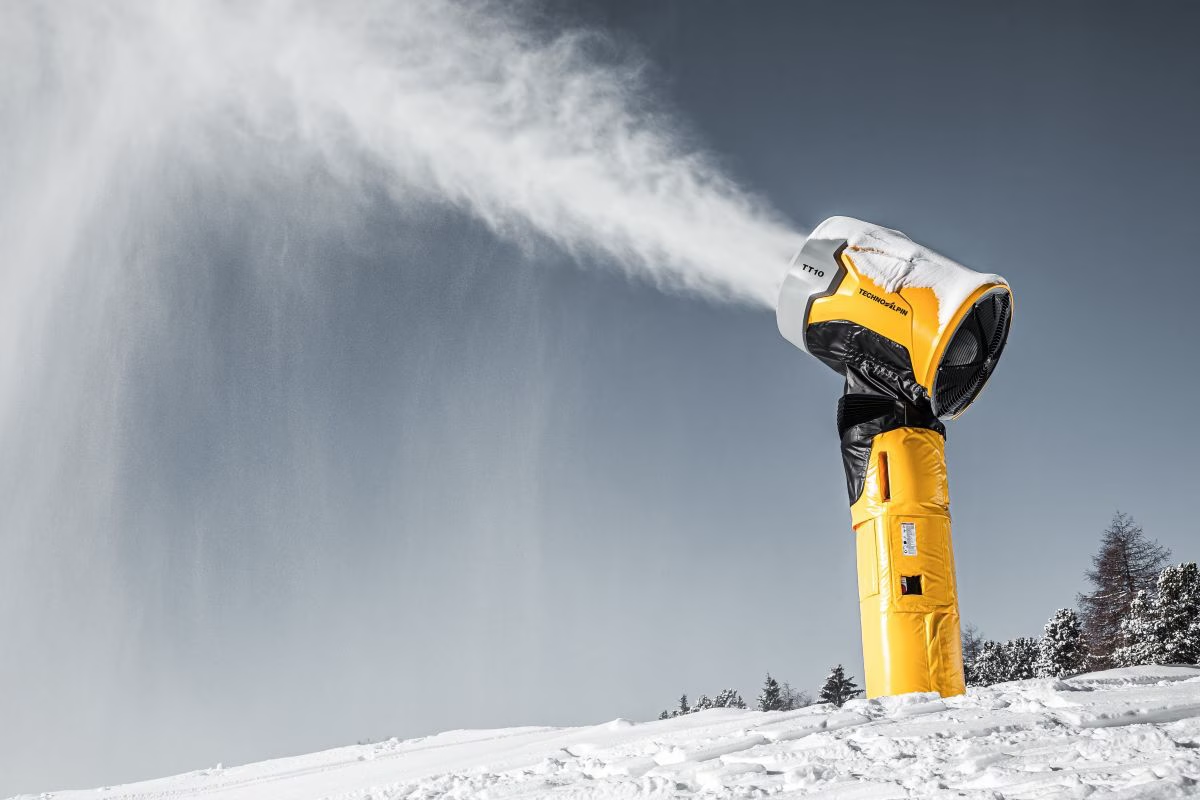
When do snowmakers actually run?
For the first time, TechnoAlpin evaluated anonymized operational data from 13,129 snowmakers across 112 Austrian ski resorts. The result: during the 2025/26 winter season, the systems were in operation for an average of 169 hours. Forty percent of the total snow produced was generated in just six days during November – the brief window in which the base snow layer for the season was established.
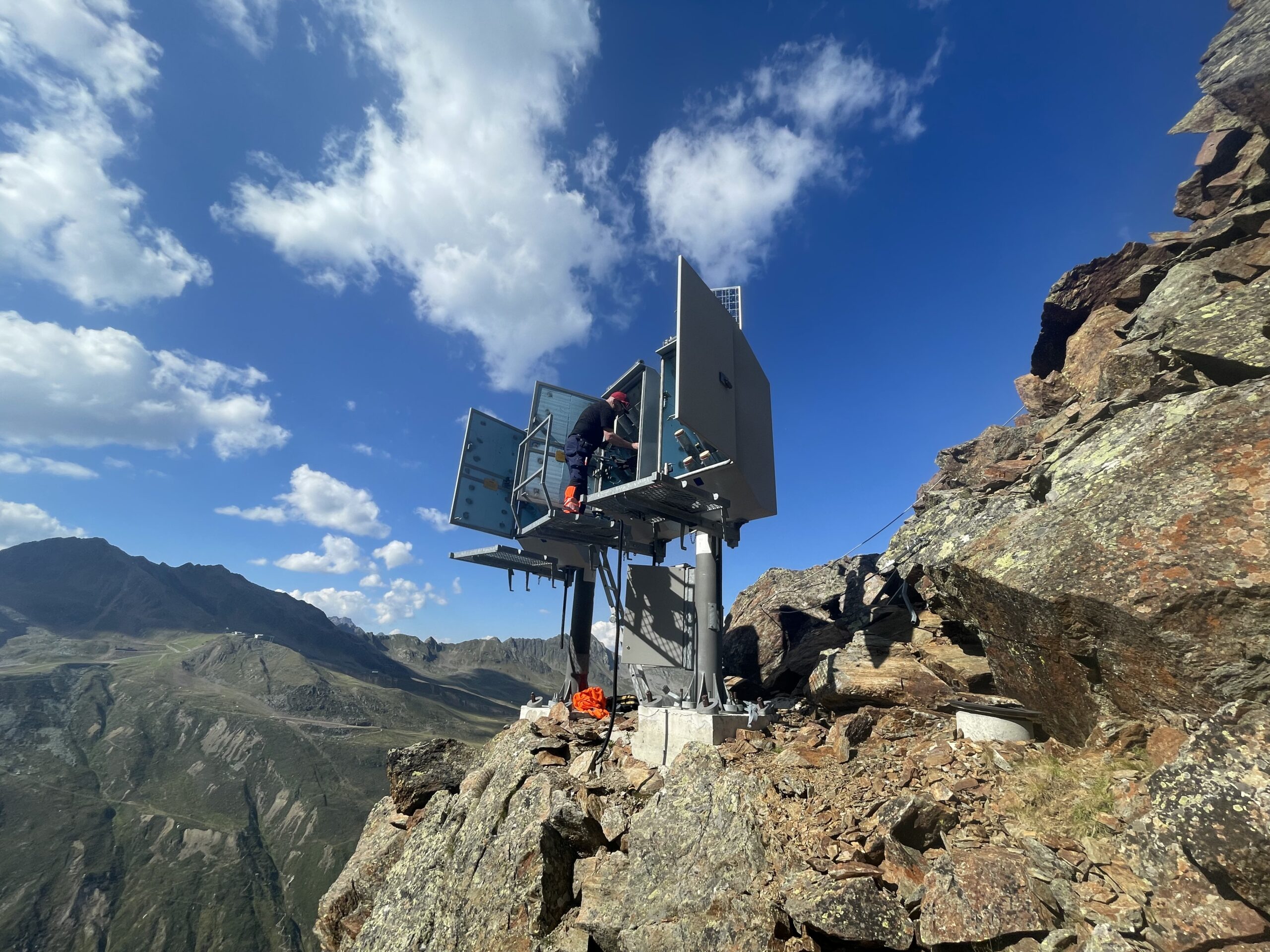
Inauen-Schätti: Avalanche protection is revenue protection
Not only cable cars, but also avalanche protection systems must operate reliably to guarantee uninterrupted ski resort operations. The Bergbahnen Sölden (Austria) therefore rely on equipment and services from Inauen-Schätti, with infrastructure upgrades currently underway.
RELEVANT
TOPICS
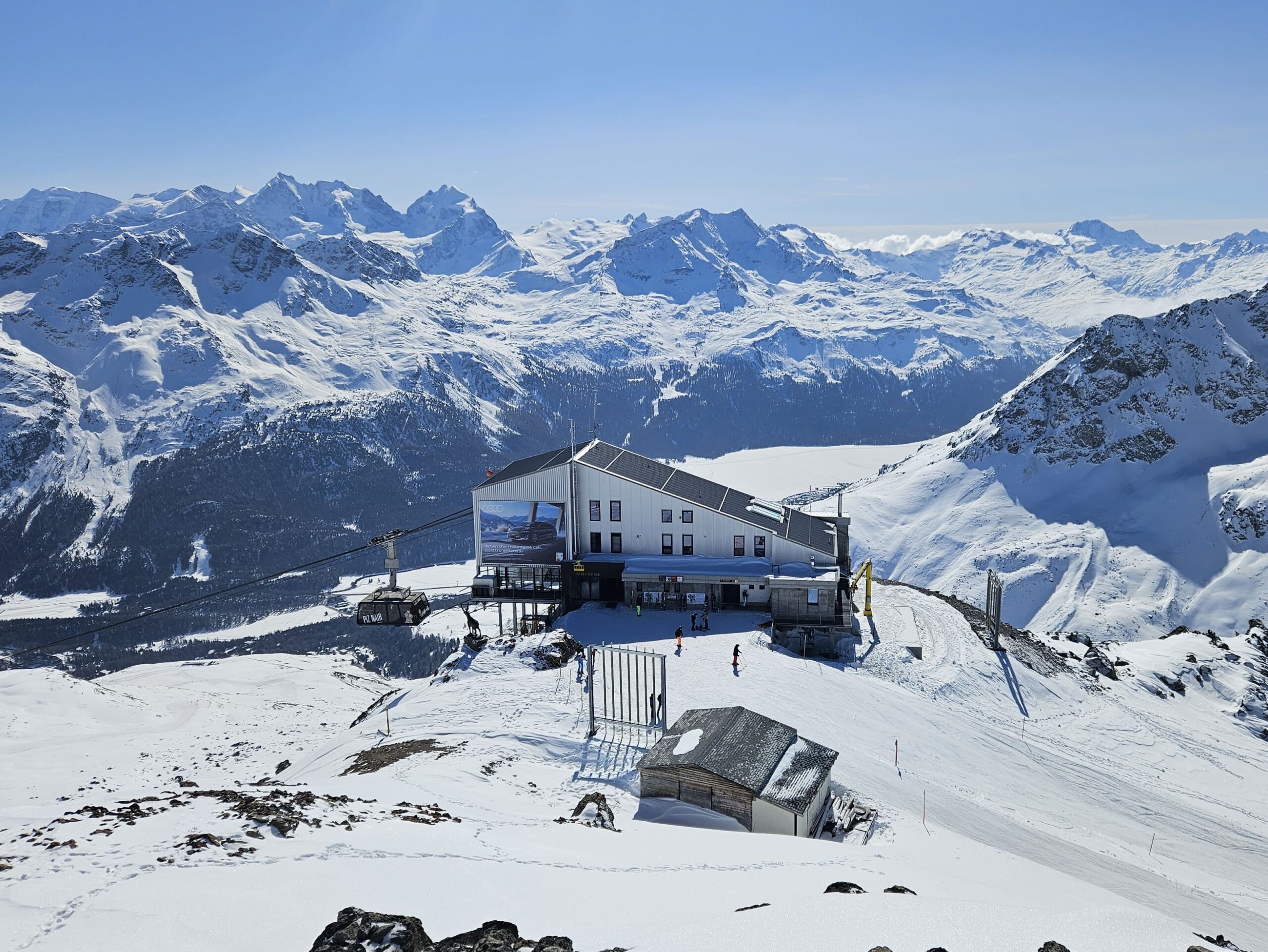
Thawing Mountains: Risks for high-altitude ski resorts
High-altitude ski resorts are facing extremely rapid changes that were almost unimaginable just 20 years ago. Permafrost – ground or rock that remains frozen year-round – is warming up and thawing. What are the warning signs, and what can be done?
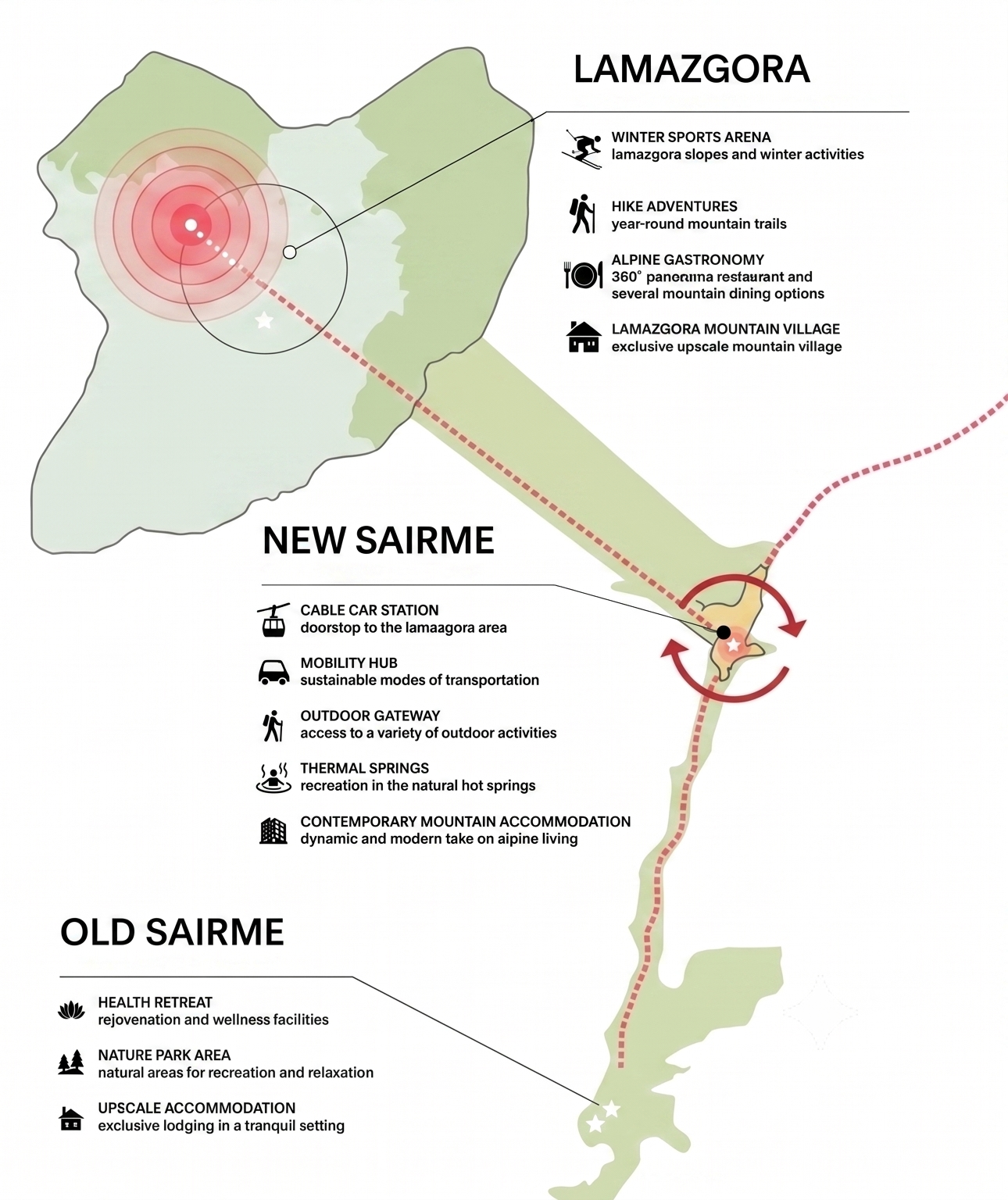
Georgia: Ski resort on the drawing board
The automotive group Tegeta plans to build a mountain destination in Georgia. The Sairme Mountain Resort will encompass three locations, with the planned Lamazgora ski area set to be developed across five distinct phases.
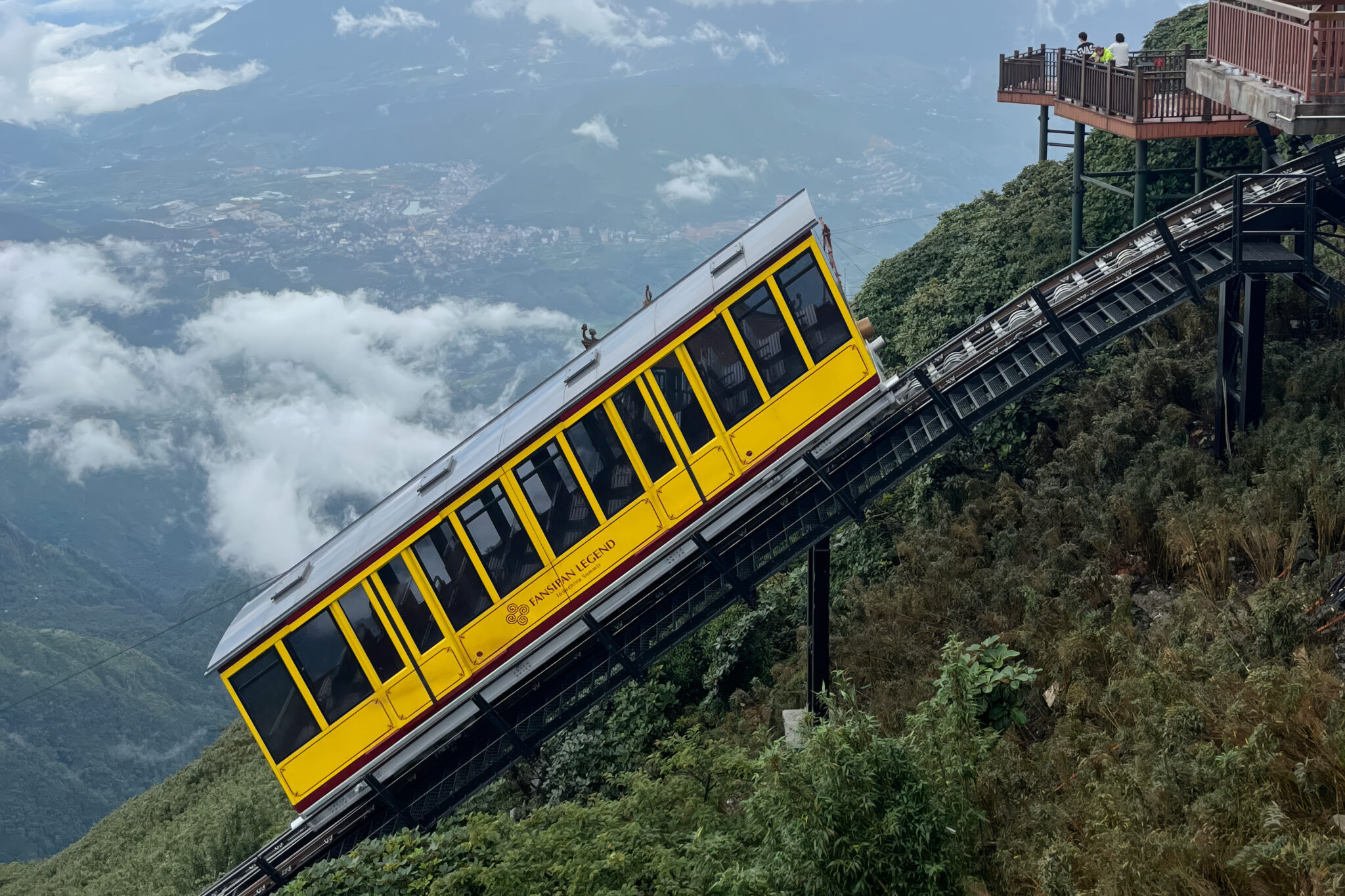
Vietnam: Two funiculars serve the highest montain
Garaventa has completed two new funiculars on Indochina’s highest mountain, Fansipan in Vietnam. The installations expand the existing access to the summit area and improve visitor flow between the various attractions.
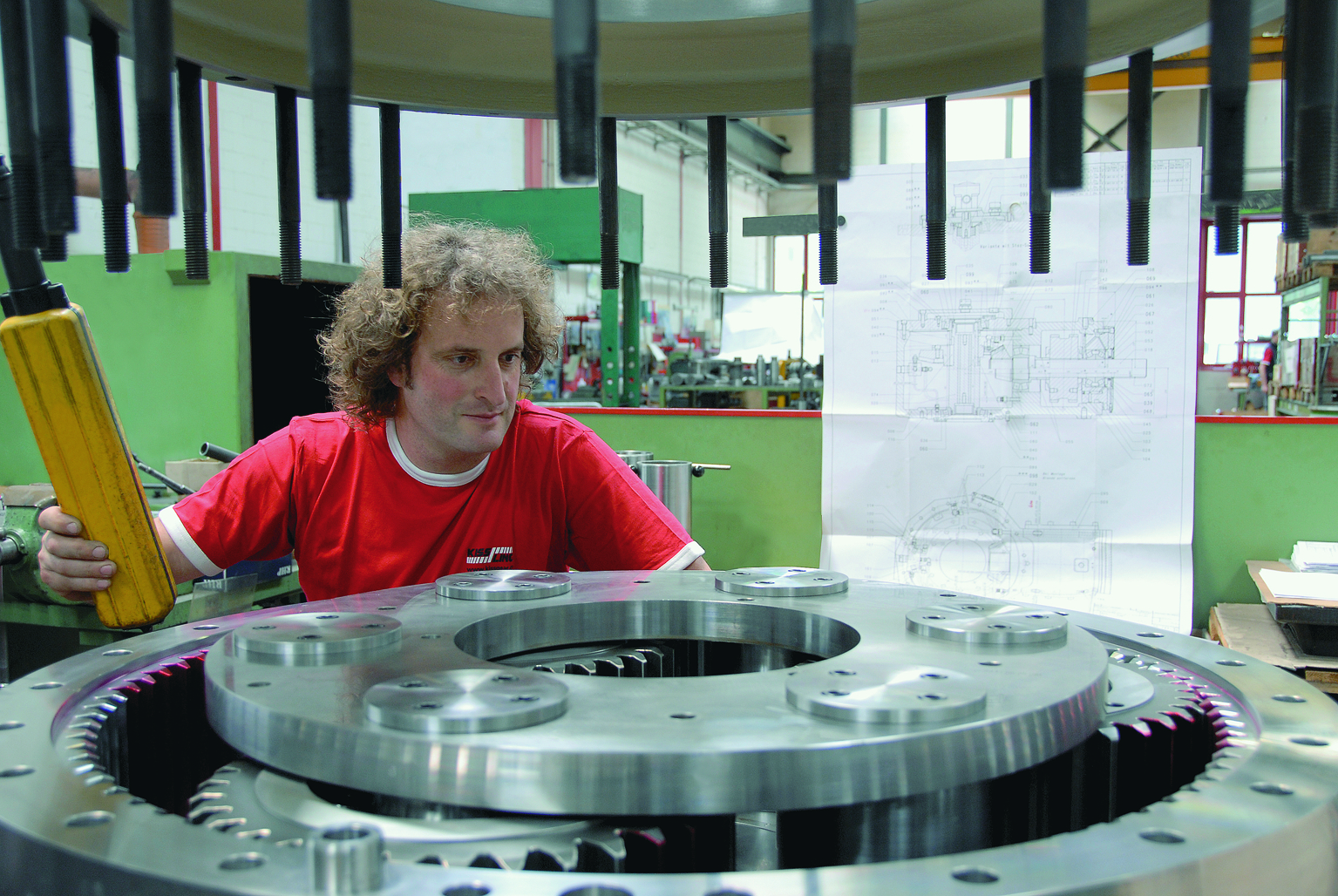
Kissling: Early gearbox damage detection
Whether a ropeway gearbox is overhauled in time or fails unexpectedly depends entirely on the condition assessment. To achieve this, Kissling combines four mutually complementary methods.
LATEST
SI-URBAN
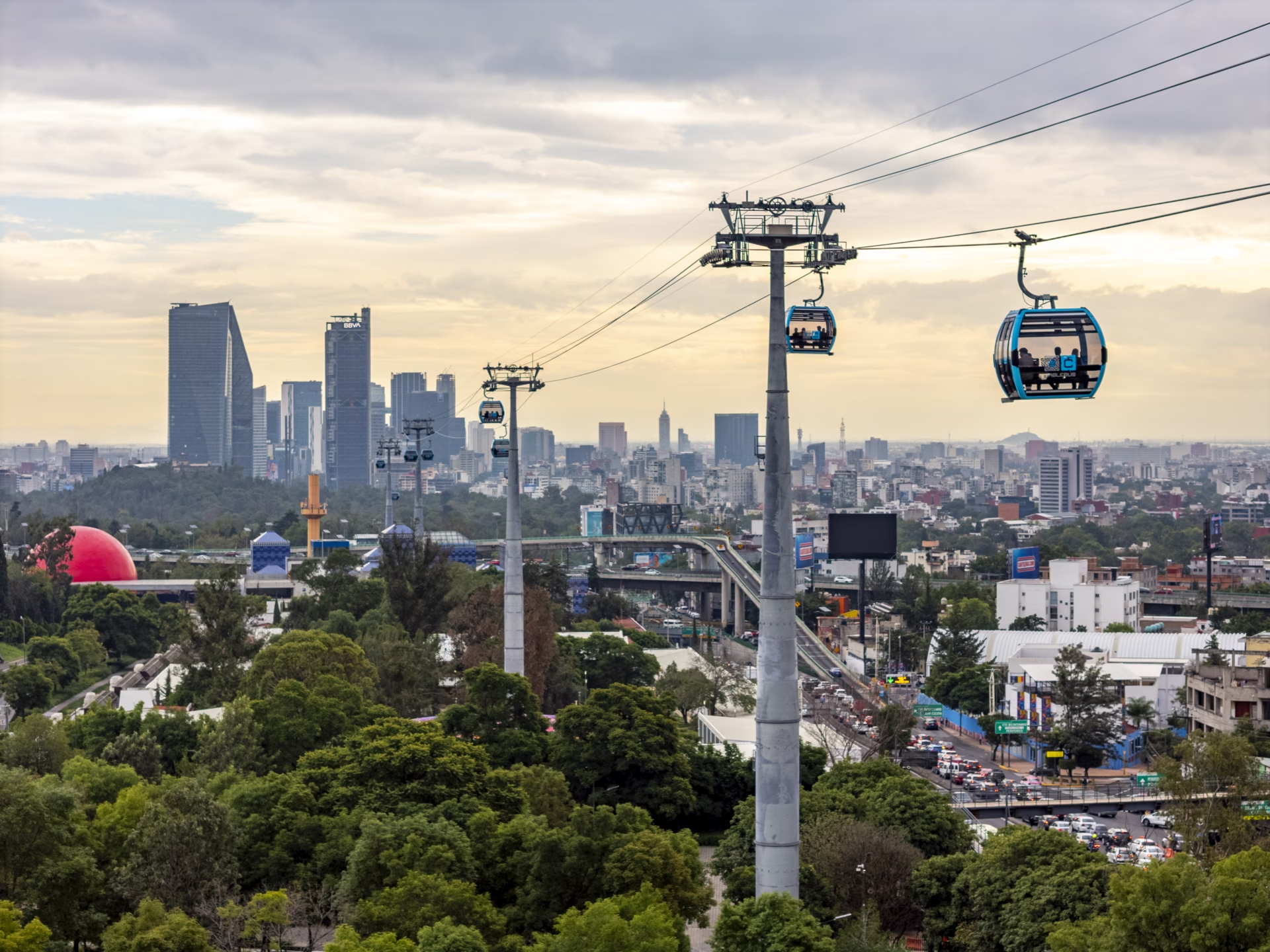
Mobility starts with the Passenger
Today, urban ropeways are no longer viewed merely as infrastructure projects, but as vital tools for enhancing accessibility, reachability, and overall quality of life in cities. Decision-makers are investing in this mode of transit because it addresses everyday challenges: long commute times, geographical barriers, and a lack of connectivity. About practical experiences.
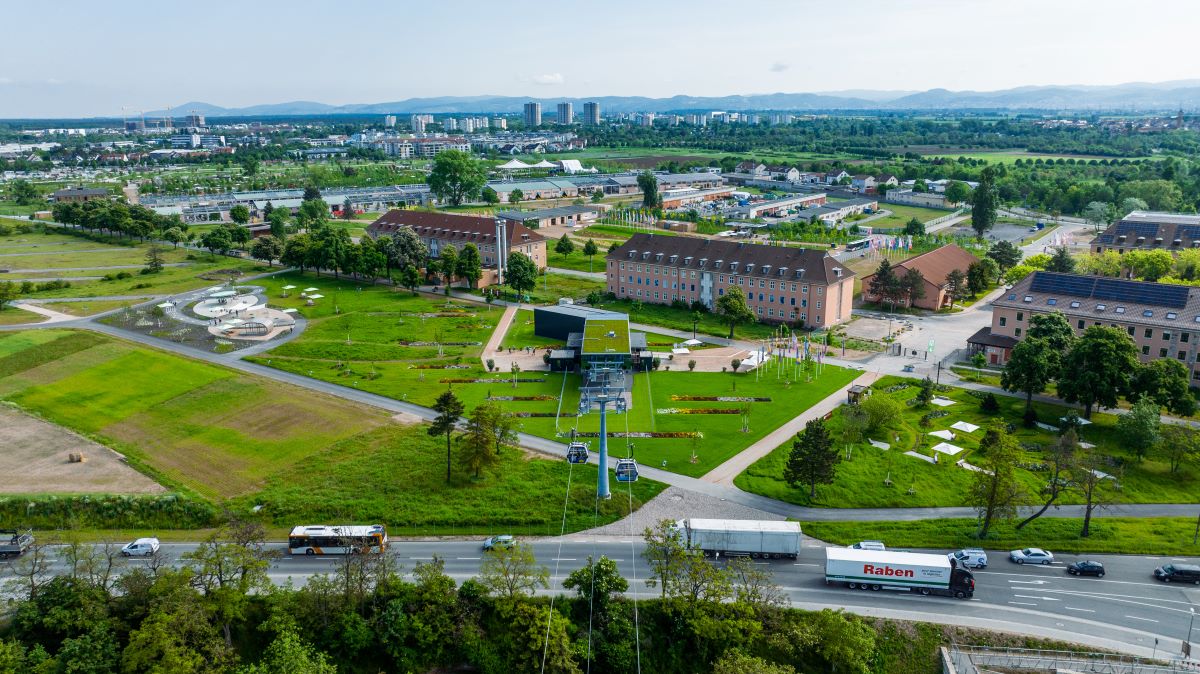
Urban Cable Cars on demand
Construction times under a year, low investment costs, and quick permit approvals along public land – urban ropeways can be rapidly erected, dismantled, and reinstalled up to three times. Ropeway planner Stephan Salzmann explains in an interview with SI Urban how temporary cable cars help develop cities cost-effectively.
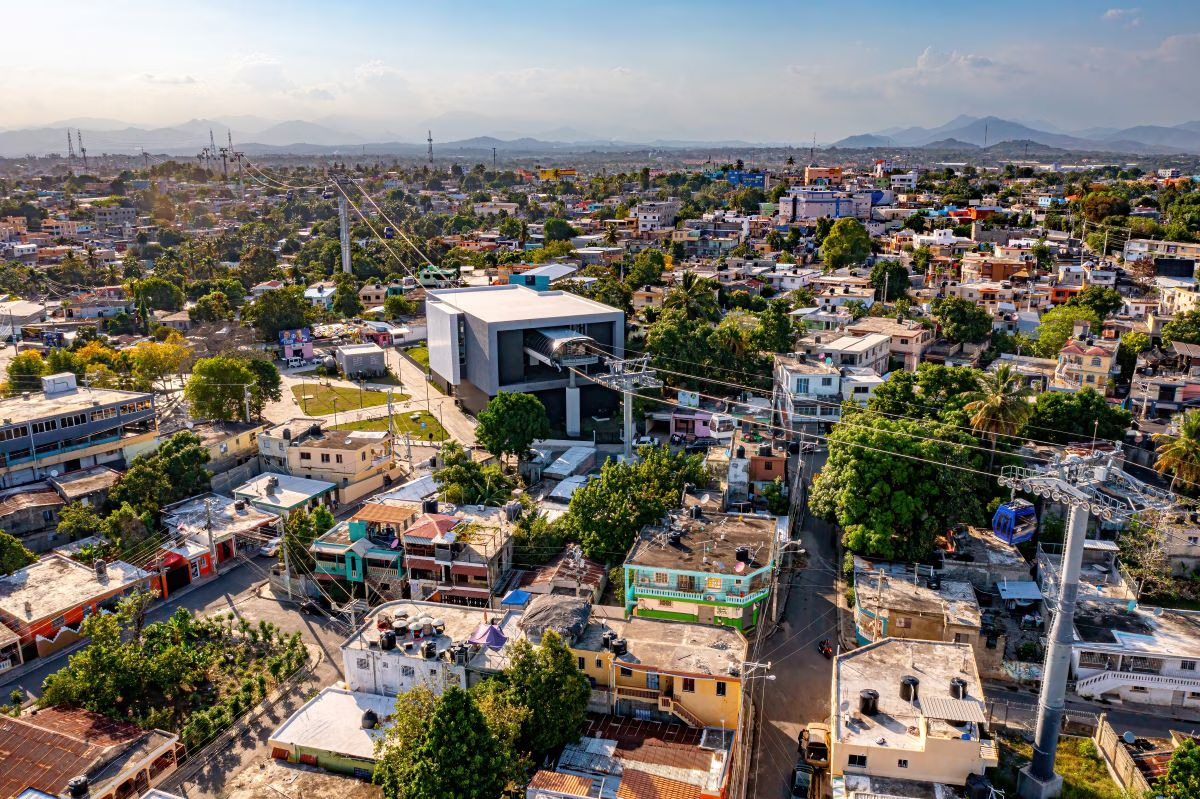
“Integration does not end with construction.“
David Albornoz, Director of POMA Dominican Republic, shares insights into the operation and urban integration of Santo Domingo’s ropeway systems – and how technology and maintenance ensure reliable and comfortable journeys, especially the solutions from the rope manufacturer FATZER.
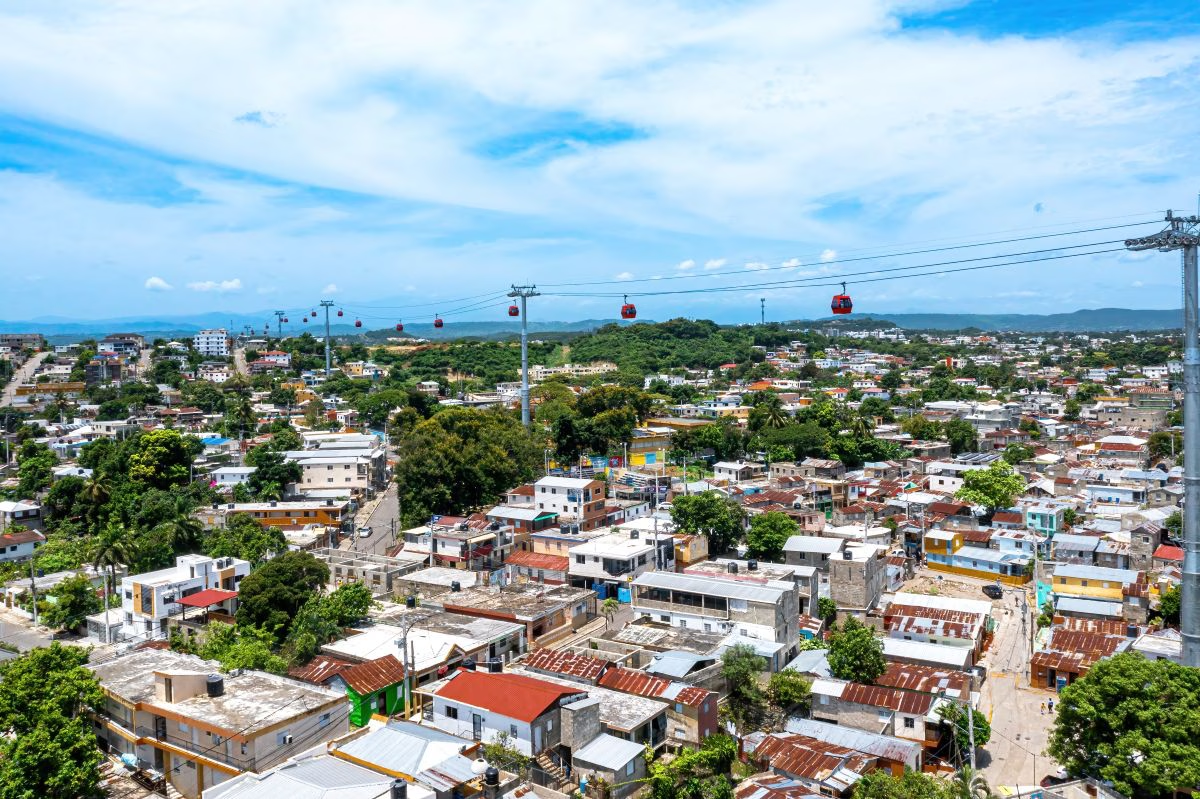
190 Years of Rope-Making Experience for Urban Cable Cars
Urban ropeways are among the most demanding applications in the industry. High availability and near-continuous operation place the highest demands on ropes and technical expertise. With 190 years of experience, FATZER provides rope solutions for installations that transport thousands of people every day.
RELEVANT
TOPICS