LATEST
SI-ALPINE
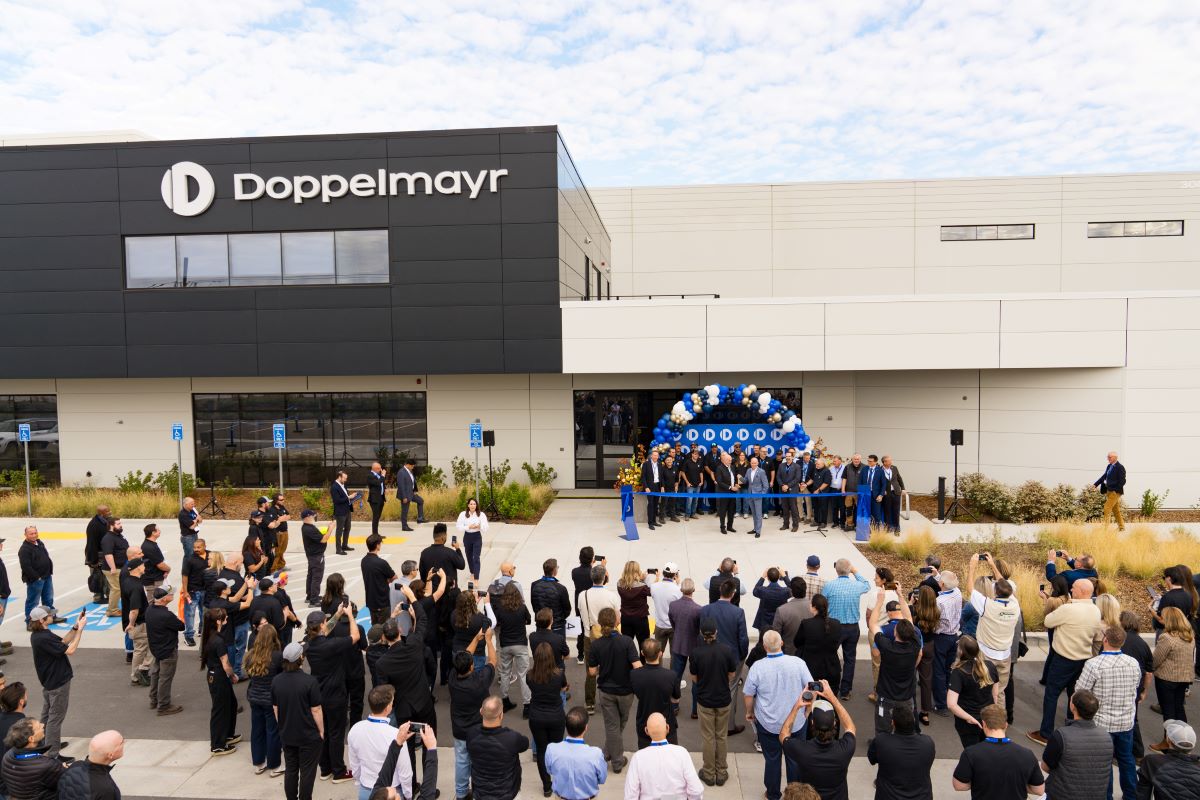
New Doppelmayr facilities in USA and Canada
With the opening of expanded facilities in Salt Lake City, Utah (USA), and Saint-Jérôme, Quebec (CAN), the Doppelmayr Group is strengthening its manufacturing, engineering, training, and service capabilities in North America. The two investments create additional capacity for continued growth and underscore the Group’s long-term commitment to its customers, employees, and partners across the region.
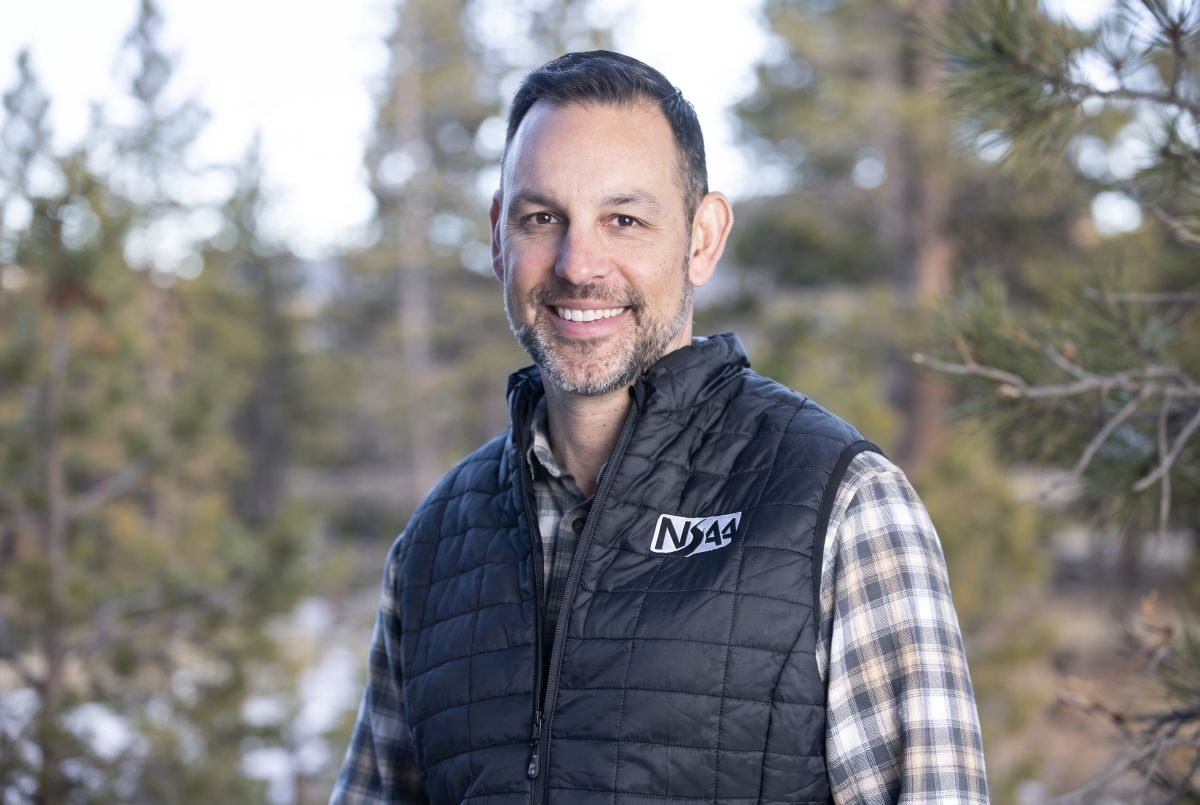
NSAA President Steps Down
"After two incredibly rewarding years, I have made the very difficult decision to step aside as President and CEO of the National Ski Areas Association (NSAA), effective November 10, 2026" This was announced by Mike Reitzell, President and CEO of the National Ski Areas Association (NSAA). Why does he no longer want to lead the association of North American ski areas?
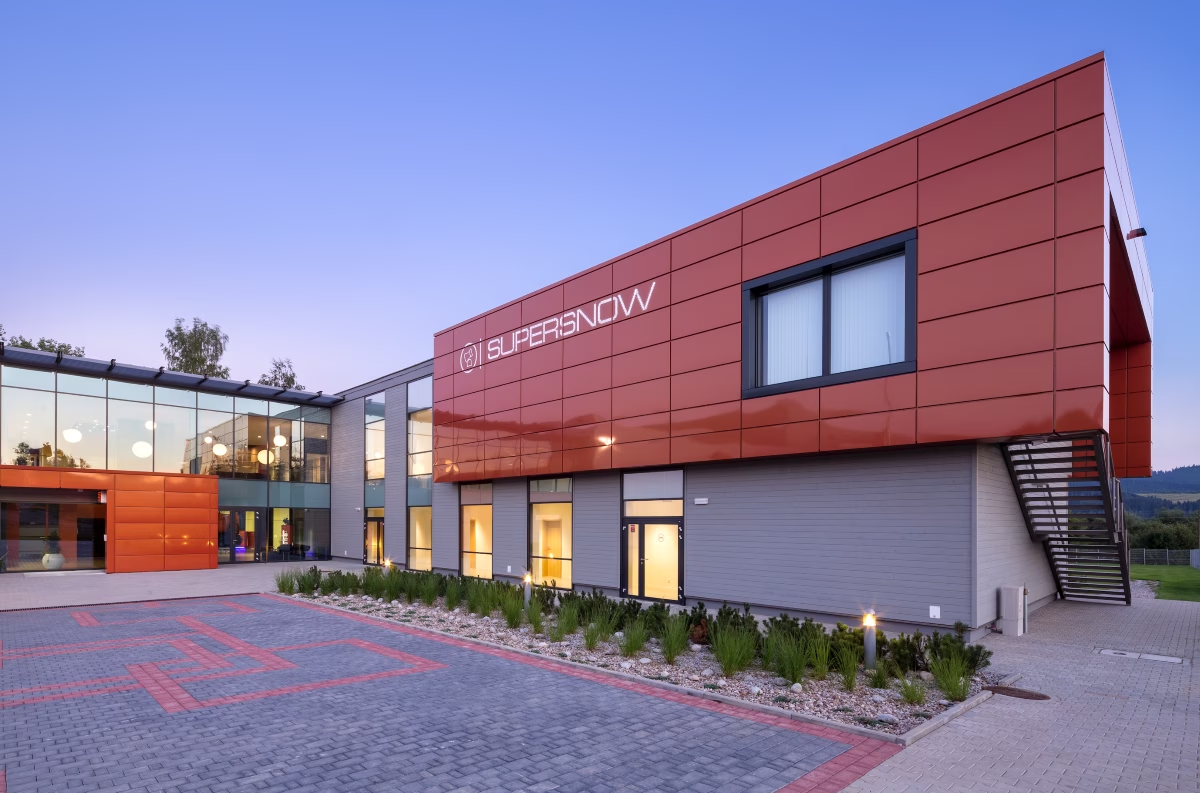
HTI Acquires Supersnow
The HTI Group is acquiring 100 percent of Polish snowmaking specialist Supersnow. With this strategic acquisition, the technology group is not only expanding its portfolio in technical snowmaking, but also securing an even stronger position in the emerging winter sports markets of Eastern Europe and Asia. The details:
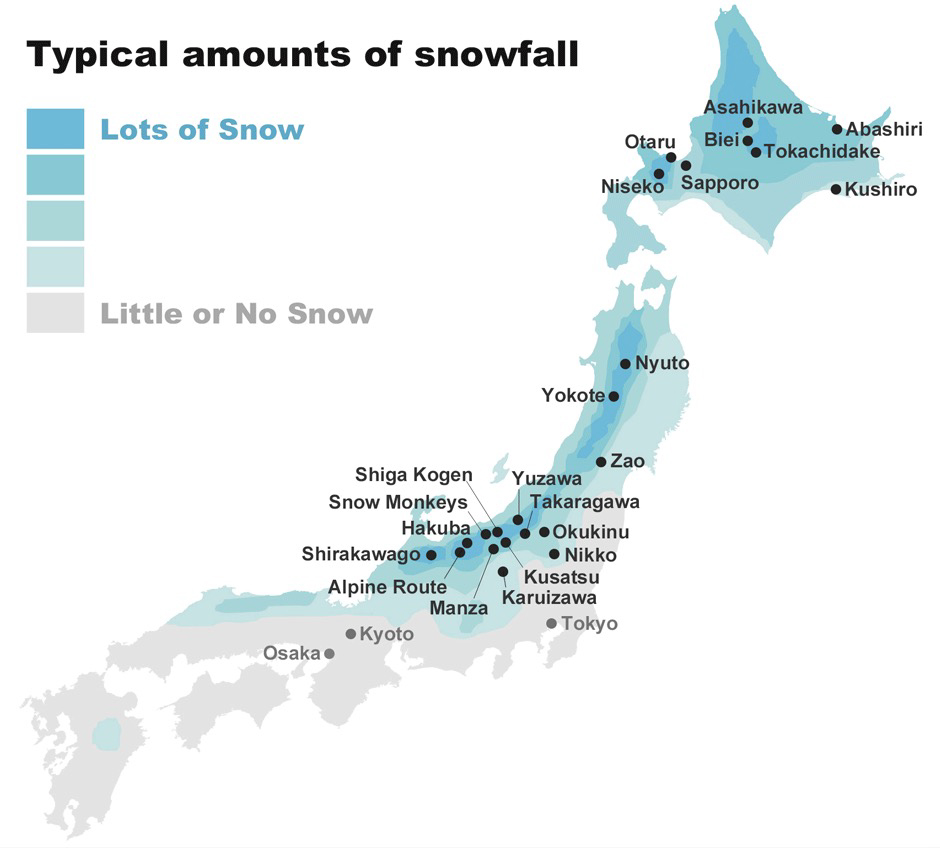
No Japow: Is Japan losing its powder snow?
A Japanese study dramatically highlights the impact of climate change on winter sports: If global average temperatures rise by four degrees Celsius above pre-industrial levels, only seven out of 349 ski resorts in Japan are expected to operate entirely on natural snow. According to researchers, merely 26 additional resorts would still be able to open at least parts of their slopes.
RELEVANT
TOPICS
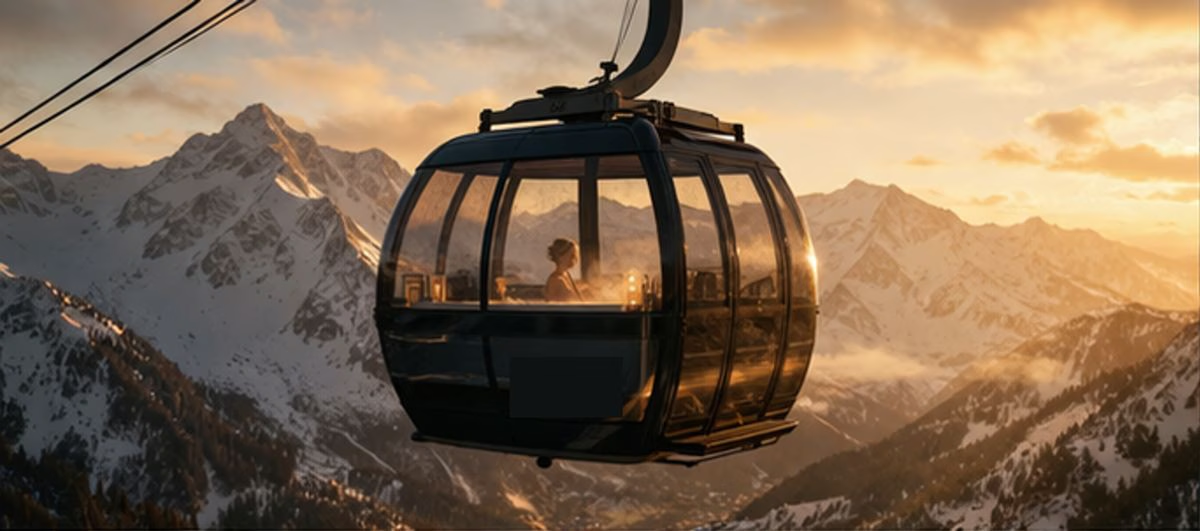
Gondola with a Whirlpool: The Idea and Technical Design
A gondola as a floating spa experience: What initially sounds very unusual would actually be technically feasible according to Paul Demschar from the Montanuniversität Leoben - and could become an exclusive added feature for select destinations. By smartly separating stationary water treatment from mobile bathing technology, he safely brings whirlpools to the rope. An inside look at the concept and its implementation.
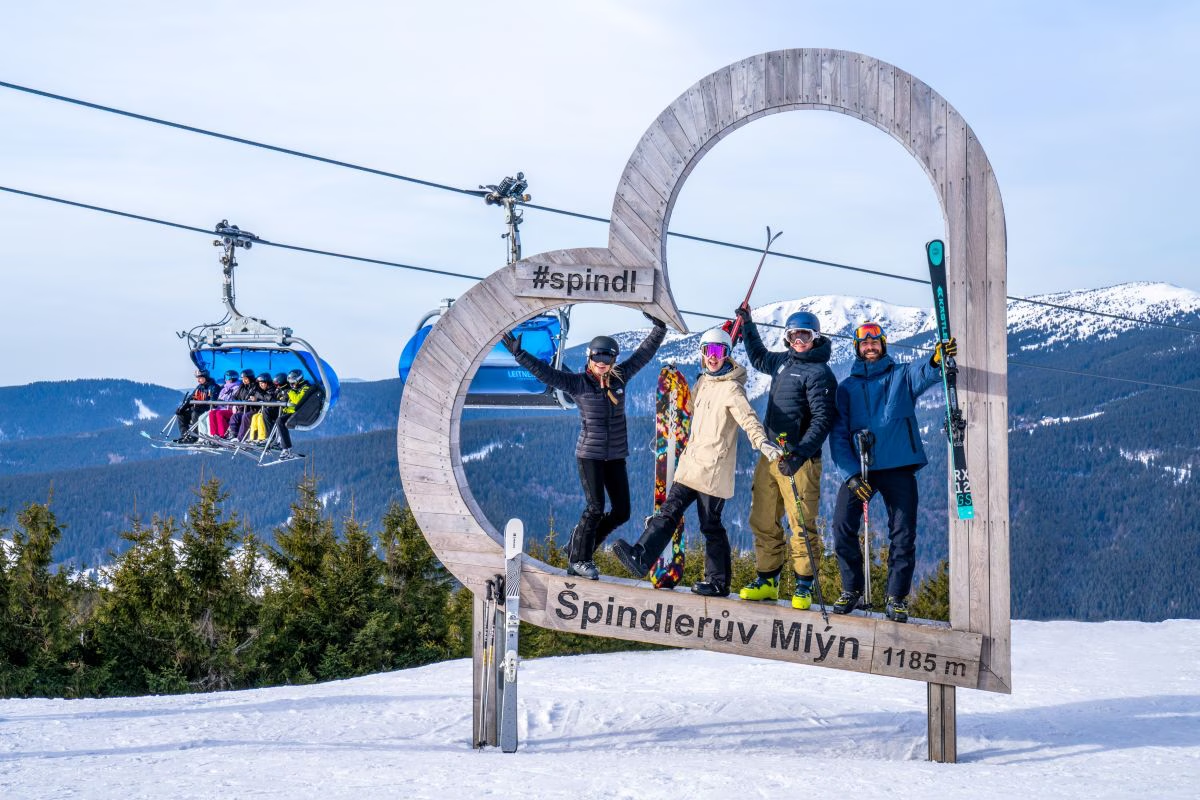
Czech Republic: Ski resort upgrades
New cable car, new slopes, new identity: The Czech ski resort of Špindlerův Mlýn is connecting its Medvědín and Svatý Petr areas directly for the first time. Initially, the new link will only be accessible in one direction – the full bidirectional connection will follow in 2027. Additional innovations are also being introduced.
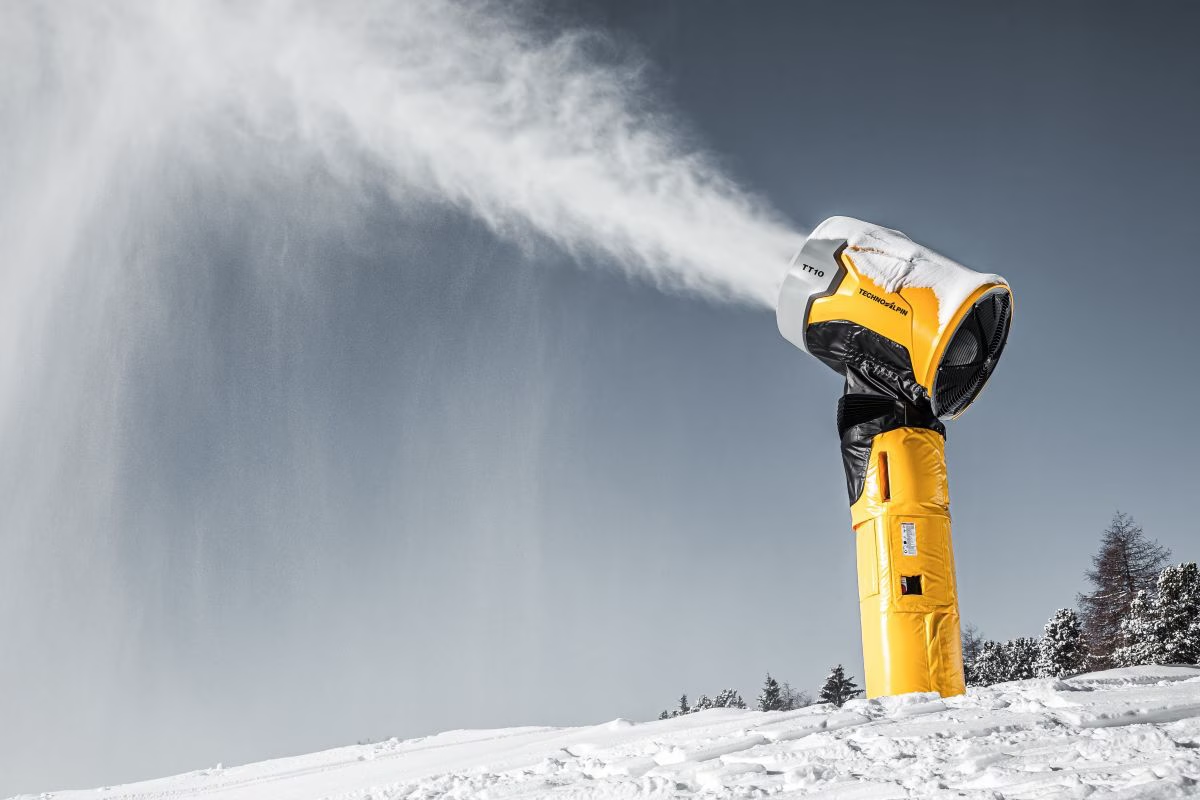
When do snowmakers actually run?
For the first time, TechnoAlpin evaluated anonymized operational data from 13,129 snowmakers across 112 Austrian ski resorts. The result: during the 2025/26 winter season, the systems were in operation for an average of 169 hours. Forty percent of the total snow produced was generated in just six days during November – the brief window in which the base snow layer for the season was established.
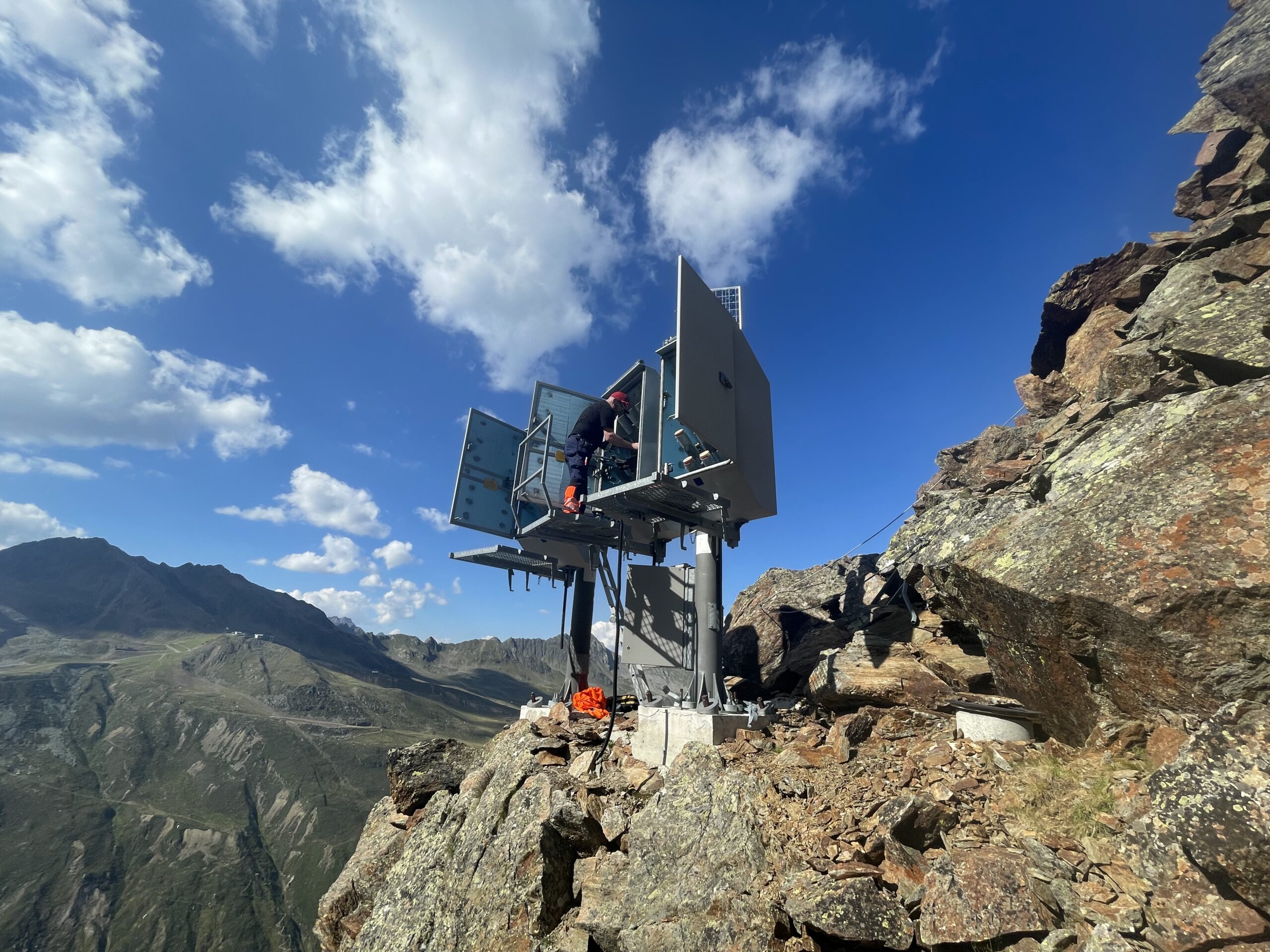
Inauen-Schätti: Avalanche protection is revenue protection
Not only cable cars, but also avalanche protection systems must operate reliably to guarantee uninterrupted ski resort operations. The Bergbahnen Sölden (Austria) therefore rely on equipment and services from Inauen-Schätti, with infrastructure upgrades currently underway.
LATEST
SI-URBAN
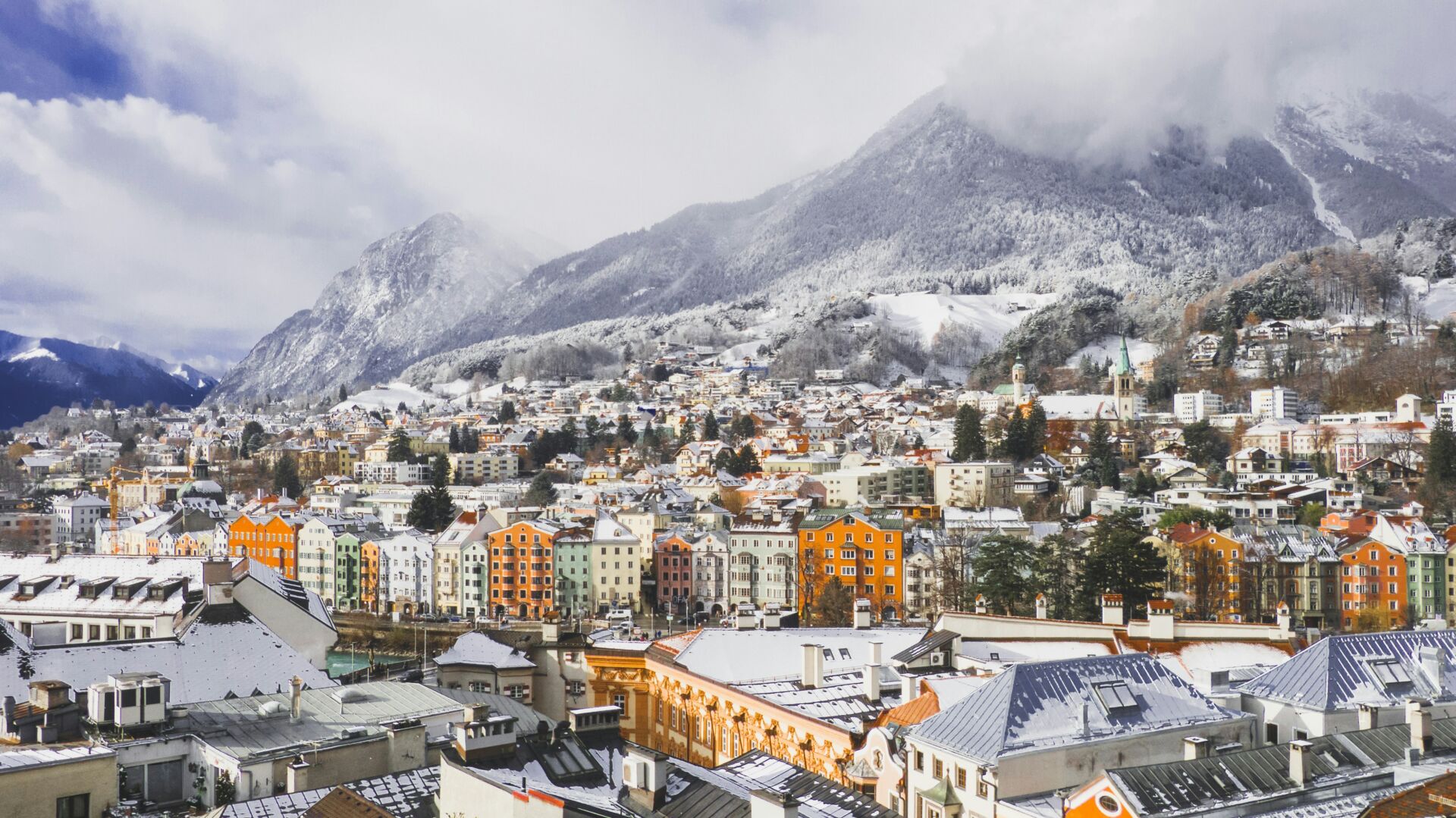
Innsbruck: Residents See Potential in Urban Cable Car
A study commissioned by the Province of Tyrol to assess public support for an urban cable car linking Innsbruck, Austria, with the Patscherkofel valley station has found that the project is technically feasible and could offer potential as a complement to the existing public transport network. Local residents have also expressed interest in the idea. What do we know about the project?
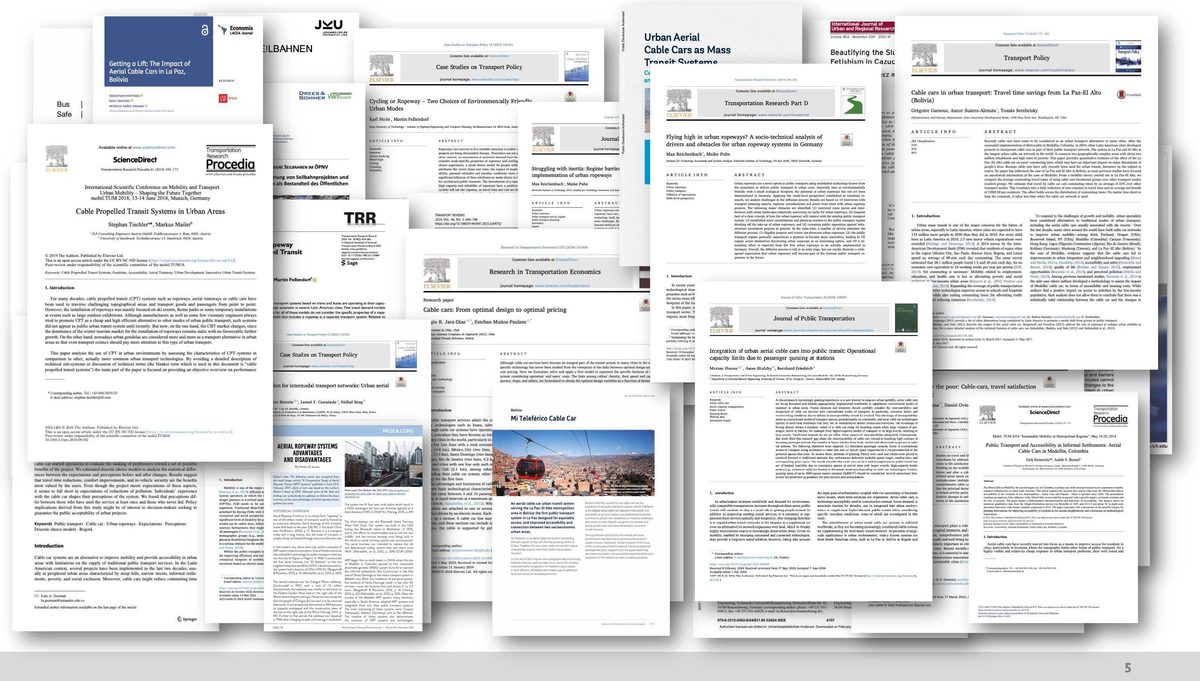
What science knows about urban cable cars
There are over 25,000 cable cars worldwide, around 300 of which operaten in cities. Consequently, this mode of transport is also relevant to academia. Transport expert Stephan Tischler from the University of Innsbruck recently provided an overview of the current state of research at the “City Cable Car Solutions 3CS“ conference.

UITP: Networking for urban cable cars
Salah Regan, Manager in the Knowledge and Innovation Department of the International Association of Public Transport (UITP), provides insights into the work of the Cable Car Working Group, reports on collaboration with public authorities, and describes key topics and challenges currently on their agenda.
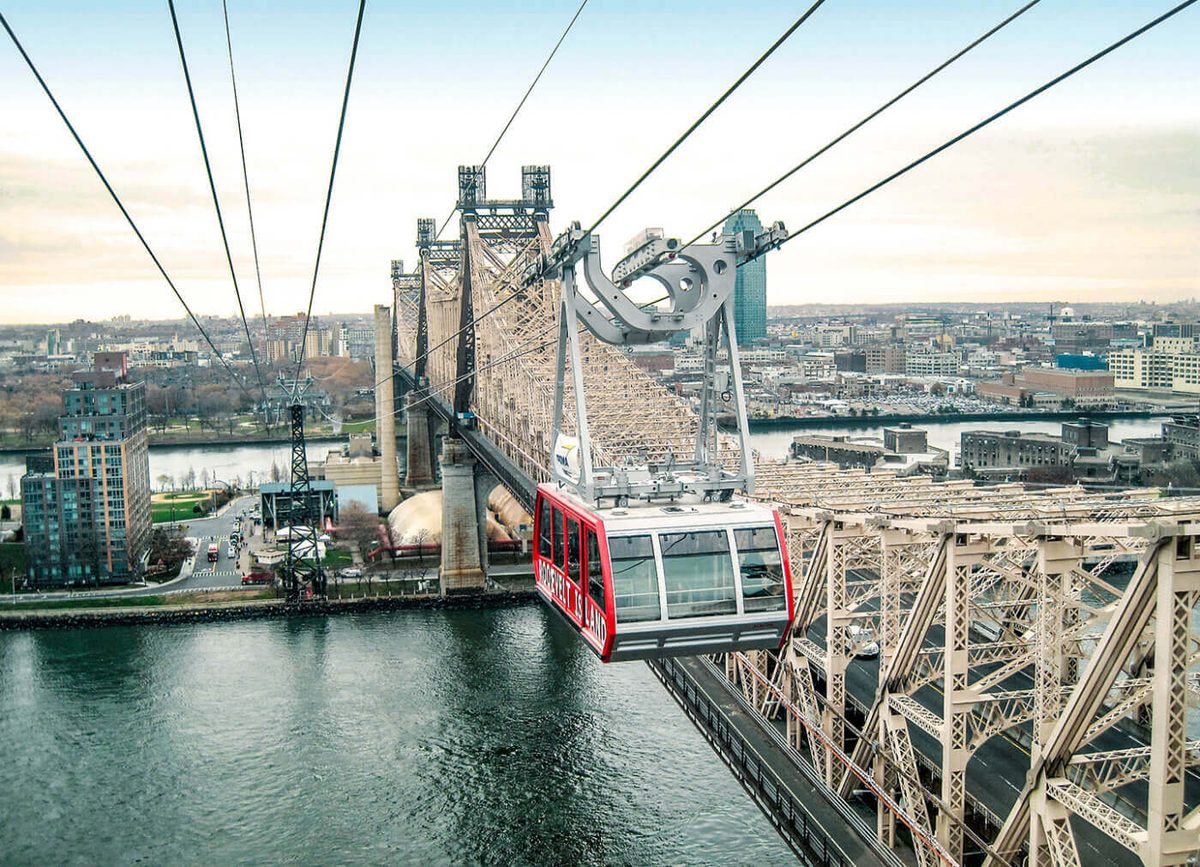
POMA: 90 Years on the Rope
Over the past 90 years, the French ropeway manufacturer POMA has evolved from a ski lift workshop in the heart of the Alps into an international group that designs, manufactures, installs, operates, and maintains ropeway systems in extremely diverse environments. Its crowning achievements are major urban transit networks. But how did it all begin?
RELEVANT
TOPICS
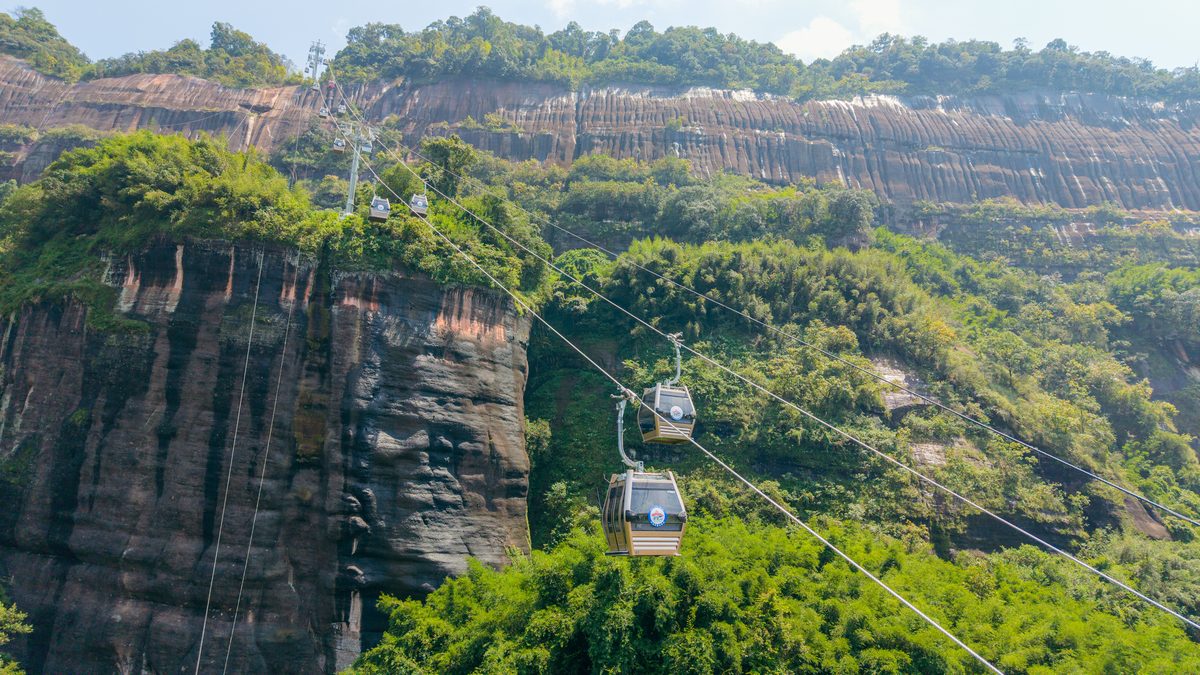
Ropeway to Chinese Unesco World Heritage Site being modernized
Mount Danxia in southern China‘s Guangdong Province is a UNESCO World Natural Heritage site known for its red sandstone formations. Since 1998, a ropeway has served as the central link for tourists, day-trippers, and pilgrims. Now, the system is being completely modernized by French manufacturer POMA.
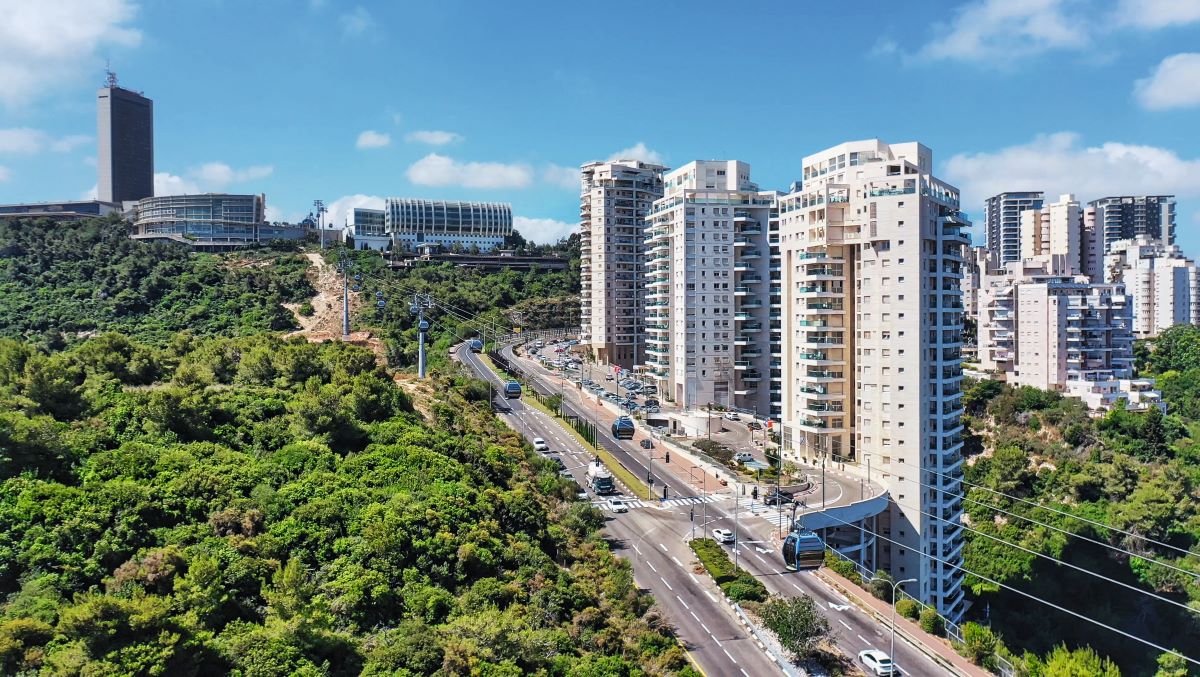
Bureaucracy on a Rope: Managing Contracts and Risks Digitally
Planning, construction, and operation of urban ropeways involve numerous contracts and various risks. To help operators keep track of everything, the maintenance software SAMBESI offers corresponding modules. The tool from Swiss company REMEC is already in use by numerous companies and is considered a benchmark for digital programs covering ropeway maintenance and management.
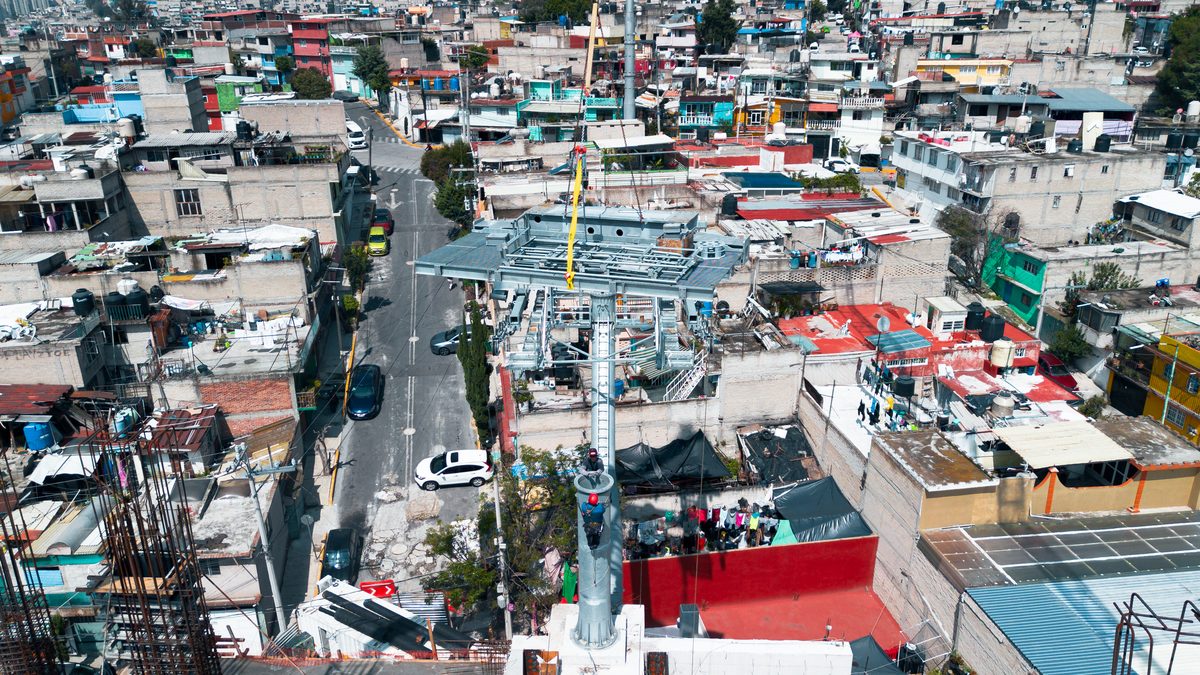
Mexico: LEITNER expands cable car network by another 40 kilometres
With new projects and ongoing construction works, LEITNER continues its expansion in urban ropeway transport in Mexico. To the approximately 25 kilometers currently in operation, a further 40 kilometers of ropeways are set to be added in the future – a significant impetus for sustainable and reliable mobility in densely populated urban areas.
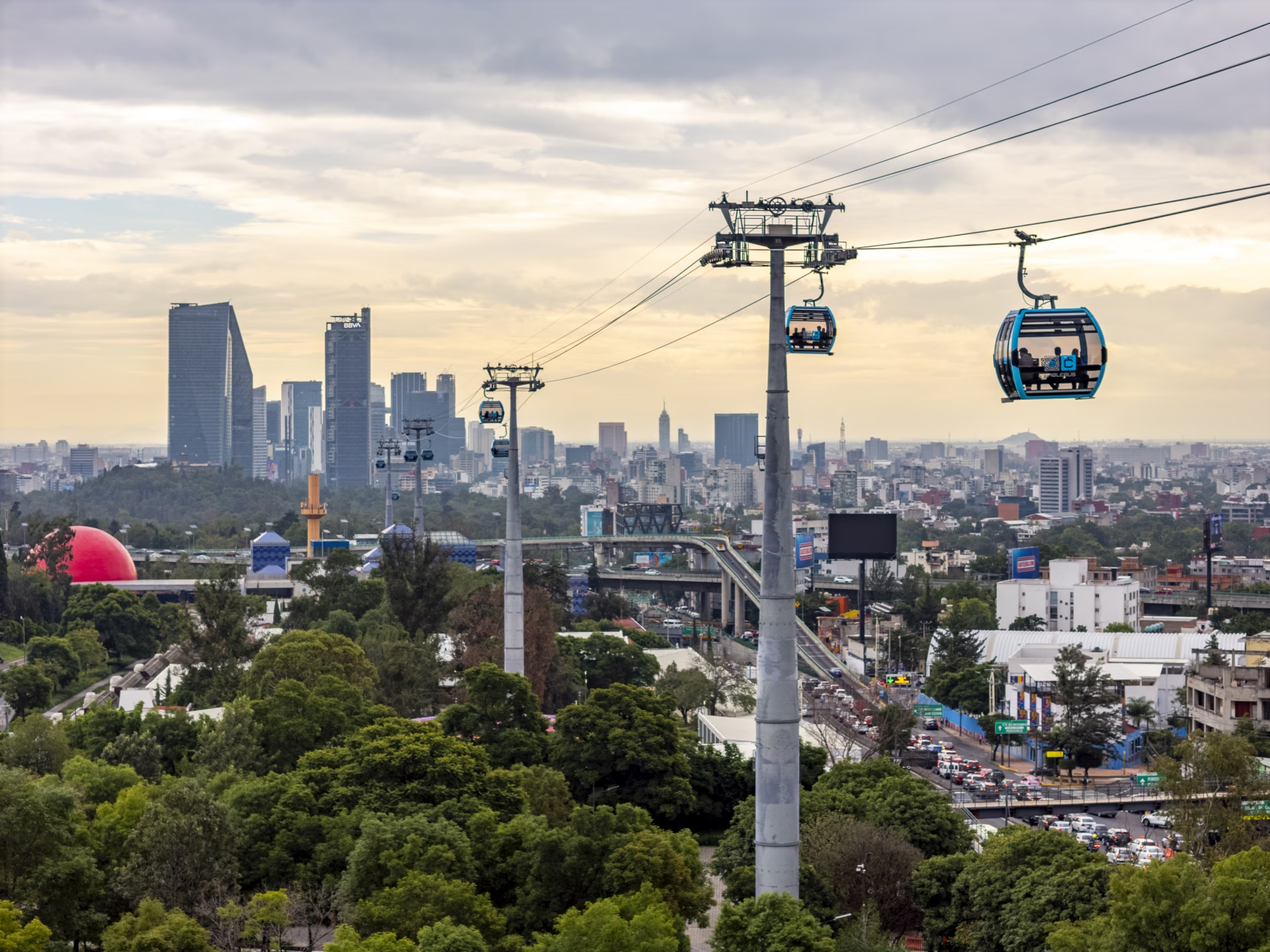
Mobility starts with the Passenger
Today, urban ropeways are no longer viewed merely as infrastructure projects, but as vital tools for enhancing accessibility, reachability, and overall quality of life in cities. Decision-makers are investing in this mode of transit because it addresses everyday challenges: long commute times, geographical barriers, and a lack of connectivity. About practical experiences.